Updated July 27, 2026

3D Roofs Editorial Team
Editorial Standards
For acv vs rcv roof coverage in Wyoming, actual-cash-value and replacement-cost settlements depend on the policy's definitions, depreciation method, deductible, limits, exclusions, documentation, and payment stages; ask the insurer to explain the calculation in writing. That difference matters in Wyoming, where roofs are exposed to wind, hail, snow, ice, and sharp temperature shifts. That mix can loosen shingles, bruise roofing materials, stress flashing, and create leak paths around roof penetrations and valleys. In colder stretches, snow and ice can keep moisture on the roof longer. In storm season, hail and wind can cause visible damage and harder-to-spot damage that shows up later as granule loss, lifted shingles, or interior leaks. If you are trying to choose coverage, or trying to understand a claim, the key question is simple: will your policy pay replacement cost, or actual cash value after wear and age are factored in.
What is the difference between ACV and RCV roof coverage?
ACV means actual cash value. In plain terms, it is the value of your roof at the time of loss after depreciation. RCV means replacement cost value. In plain terms, it is what it costs to replace the damaged roof with comparable materials at current market rates, subject to your deductible and policy terms. If two homeowners have the same storm damage but one has ACV and the other has RCV, the ACV policyholder usually has to cover a bigger share out of pocket because depreciation is subtracted from the claim payment.
Why does this matter more for Wyoming homeowners?
It matters because Wyoming weather can shorten the distance between a small problem and a major roof claim. Wind can lift shingles. Hail can bruise roofing materials. Snow and ice can hold moisture on the roof longer. Sharp temperature swings can stress sealants and flashing. When damage stacks up over time, depreciation becomes a bigger issue under ACV coverage. With RCV, you are generally better protected from the gap between an older roof’s depreciated value and the current cost to replace it. That is one reason many homeowners look closely at coverage details before storm season, not after.
How does an ACV vs RCV roof claim work in a real Wyoming example?
Here is the simple version. Use one replacement total, then apply the coverage type. Check current Wyoming cost data for an ACV-versus-RCV claim review in Wyoming, then replace the range with an assembly-specific proposal based on measured conditions. Under RCV coverage, the claim is based on that replacement cost, subject to your deductible and policy terms. Under ACV coverage, the claim starts from that same replacement total, then depreciation is subtracted based on the roof’s age and condition, again subject to your deductible and policy terms. The exact depreciation amount depends on your policy and your roof, so the main takeaway is this: with ACV, you do not start with a smaller roof job, you start with the same replacement cost and then get paid less because wear and age reduce the covered value.
- RCV: payment is based on the cost to replace the roof with comparable materials, subject to deductible and policy terms
- ACV: payment is based on the same replacement total, minus depreciation, subject to deductible and policy terms
- Result: ACV usually leaves you with a larger out-of-pocket share than RCV
Talk to a roofer today
Planning ranges, scope details, and a direct path to request a roofing quote.
Does ACV always mean a lower payout?
Yes, in practical terms ACV usually means a lower payout than RCV for the same covered roof loss, because depreciation is built into ACV. The older the roof, or the more wear it has, the bigger that gap can become. That does not mean ACV is useless. It means you should know what tradeoff you are making. If your goal is to limit out-of-pocket cost after a major storm, RCV is usually the more protective option. If you already have ACV coverage, it is still worth understanding your numbers before you approve repairs or replacement work.
What roof damage should you watch for after Wyoming weather?
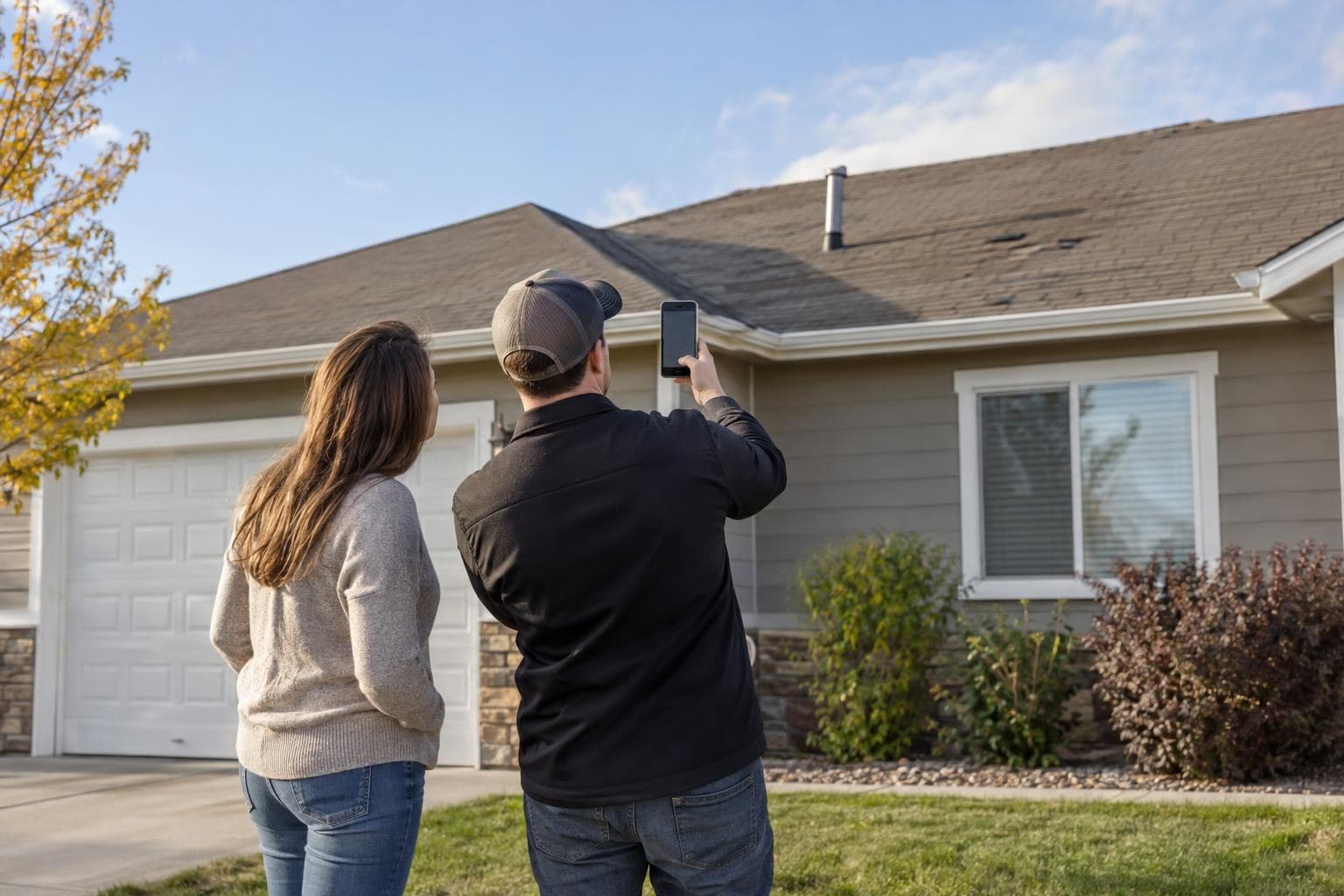
Look for missing shingles, lifted shingle edges, dented metal components, granule loss, damaged flashing, and signs of leaks inside the home. Some problems are obvious right away. Others show up later, especially after hail or high wind. That is why it helps to have your roof checked after major weather and to address small issues before they spread. For an ACV-versus-RCV claim review in Wyoming, begin with documented damage, the policy deductible, and a property-specific repair or replacement scope. Before approving an ACV-versus-RCV claim review in Wyoming, have the bidder connect timing to roof complexity, crew access, material handling, weather, inspections, and concealed conditions.
Should you upgrade roofing material when you replace the roof?
Sometimes yes, especially if you are weighing durability and future a policy-specific premium credit. If you are considering a Class 4 impact-resistant roof, ask your carrier whether it offers a discount and what documentation it wants. A Class 4 rating does not establish a policy credit in Wyoming; the carrier and policy determine eligibility, documentation, and savings. a roofer whose credentials and written scope you checked can help you compare product options, and you can also check the Wyoming cost page and the calculator for fuller local pricing context.
What should you check in your policy before you file a roof claim?
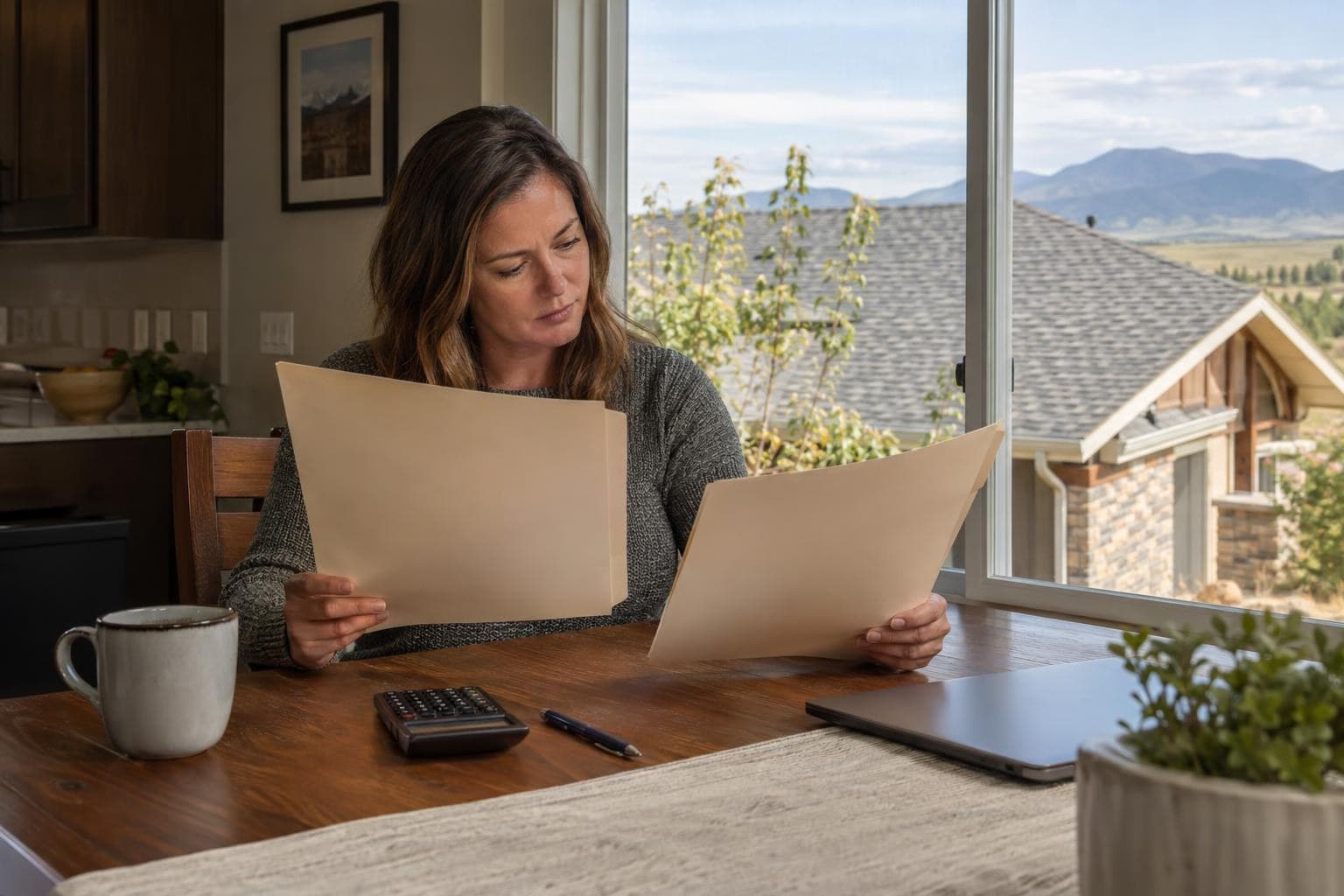
Check whether your roof settlement is ACV or RCV, what deductible applies, whether there are any endorsements that change roof coverage, and what documentation your carrier wants. You also want to know whether the policy has any separate terms tied to age, wind, or hail. If anything is unclear, ask for a plain explanation before you move forward. If you have questions regarding your insurance policy or claim, the Consumer Affairs Section of the Wyoming Department of Insurance is available to assist you. The department also provides consumer resources for home insurance and a post-disaster claims guide.
What can you do if there is a claim dispute or a sales problem?
Start by getting everything in writing. If the issue is with your insurance policy or claim, the Wyoming Department of Insurance provides complaint information and a complaint filing path for consumers. If you are running into claim handling issues, coverage disputes, or other insurance-related problems, you have a state agency contact point to start with. If the problem is a misleading roofing sale or repair agreement, the Wyoming Attorney General says the Wyoming Consumer Protection Act prohibits businesses from taking advantage of consumers through various types of misrepresentations, and unfair or deceptive acts or practices. The Attorney General’s Consumer Protection and Antitrust Unit accepts written complaints from consumers and may forward your complaint to the business and request a written response, though the office also states that it cannot act as your private attorney or provide legal advice.
How do you protect yourself before signing with a roofer?
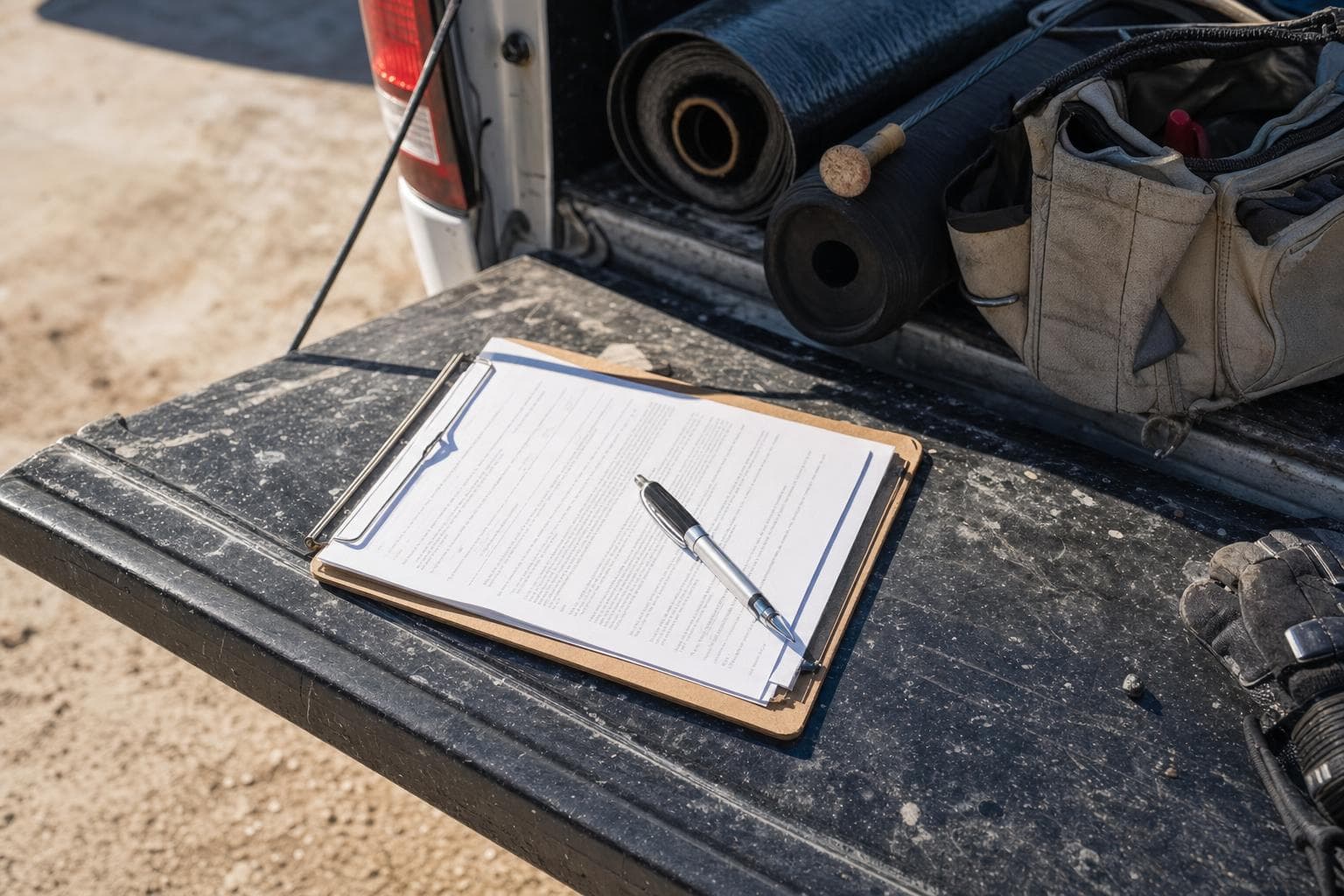
The practical answer is to slow down and verify the paperwork. Get the full business name and written scope of work. Make sure product names, tear-off details, cleanup, and warranty terms are in writing. If the sales process includes pressure, unclear promises, or statements that do not match the paperwork, treat that as a warning sign. A local roofer you have vetted should be able to explain what is damaged, what is being replaced, and how the scope lines up with your claim and your home.
Which roof coverage is better for most Wyoming homeowners?
ACV can leave you paying a bigger share because depreciation comes out of the claim. If you want help planning around current material choices and local roof costs, review the Wyoming cost page and the calculator, then talk with a qualified local roofing contractor about what makes sense for your roof and your policy.
Sources
- National Association of Insurance Commissioners: Actual Cash Value Coverage and Replacement Cost Coverage
- National Association of Insurance Commissioners: What You Need to Know When Filing a Homeowners Claim
- Wyoming Department of Insurance, Consumers
- Wyoming Attorney General, Consumer Protection and Antitrust Unit
Reviewed technical references for Wyoming
Related Wyoming roofing guides
Related services
Updated July 27, 2026
3D Roofs Editorial Team
Editorial Standards