

Updated July 10, 2026

3D Roofs Editorial Team
Editorial Standards
Tennessee is a hard-working roofing market driven by severe weather. The state sits squarely in the path of spring and summer thunderstorms that bring large hail, damaging straight-line winds, and a real tornado threat, while long, humid summers age shingles and grow algae. The rules that decide who can legally do the work and how your storm claim gets handled are set at the state level, so knowing them up front protects both your roof and your wallet. Here is what actually matters for a Tennessee roof, and how to avoid the storm-chasing scams that show up after every big system.
18
Cities covered
12
Roofing services
25
TN guides
What homeowners run into on Tennessee roofs
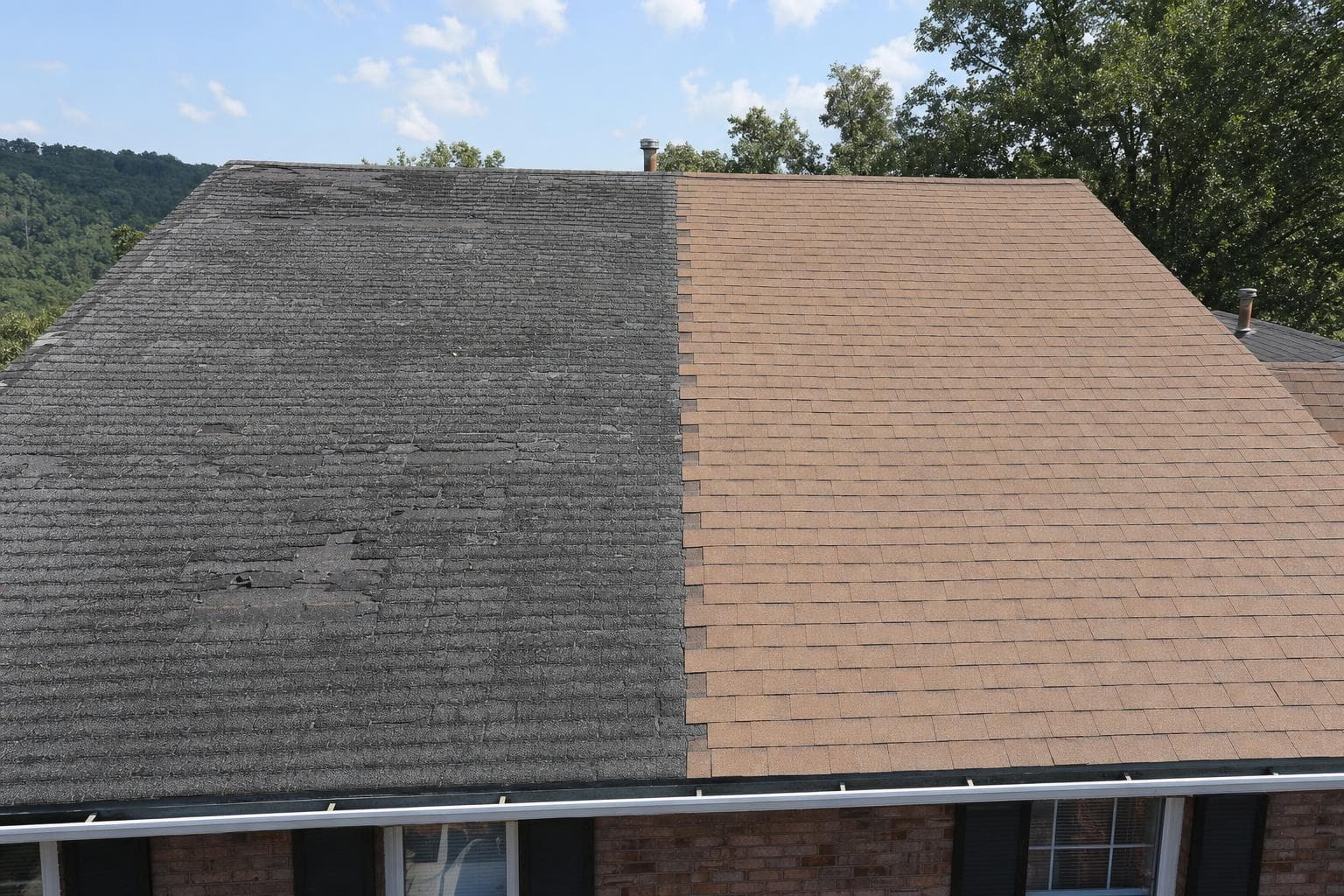
Across the Tennessee markets we serve, roofers repeatedly see the same inspection patterns. If one of these shows up after a storm or a leak, start with documentation and an inspection before approving a full replacement quote.
- Hail damage from spring/summer storms
- Tornado wind damage
- Ice storm damage in winter
- Tree debris from canopy neighborhoods
- Heat-aged shingle granule loss
- Tornado and severe storm wind damage
- Heat and humidity-aged shingles
- Hail damage from spring storms
What Tennessee weather does to roofs
Tennessee roofs take a beating from severe weather more than almost anything else. Spring and summer thunderstorms drive large hail that bruises shingles and strips granules, along with damaging straight-line winds and a genuine tornado risk across Middle and West Tennessee. The state's long, hot, humid summers bake shingles and feed the dark algae streaks you see on north-facing slopes, and an occasional winter ice or snow event adds freeze-thaw stress and ice-dam leaks. The right roof for your home depends on how much hail and wind your area actually sees.
Nashville
Nashville sits in the Dixie Alley tornado corridor. The 2020 tornado outbreak and 2023 hailstorm caused major roofing damage across the metro. Spring/fall severe weather brings recurring hail and wind.
Nashville roofingMemphis
Memphis sits in the Mississippi Valley tornado corridor. Spring/fall severe weather brings damaging wind, hail, and tornadoes regularly.
Memphis roofingKnoxville
Knoxville's mountain valley setting moderates some weather but still sees severe thunderstorms with hail and wind, plus winter ice storms that age roof systems quickly.
Knoxville roofingWhat roofing costs in Tennessee
Roof replacement cost in Tennessee depends on roof size, pitch, material, decking, ventilation, code requirements, and storm upgrades. The state cost guide gives you the broad range; your city page adds the local weather and market context.
Start with the right number.
Use the roof replacement cost guide for statewide pricing, then compare repair pricing when the roof may not need a full tear-off.
Materials that make sense in Tennessee
Class 4 shingles are worth comparing on Tennessee homes with meaningful hail exposure. Verify the exact product's current UL 2218 classification and do not treat the rating as a guarantee against every kind of damage. Tennessee does not set one statewide insurance credit. Ask the carrier in writing whether the product qualifies, which premium portion is affected, and what documentation it requires before using a credit in the budget.
- Class 4 impact-resistant shingles for hail durability
- Architectural shingles with very high wind ratings
- Standing-seam metal for storm performance
- Strong starter strips and ridge caps for tornado wind
Storm claims, deductibles, and insurance rules
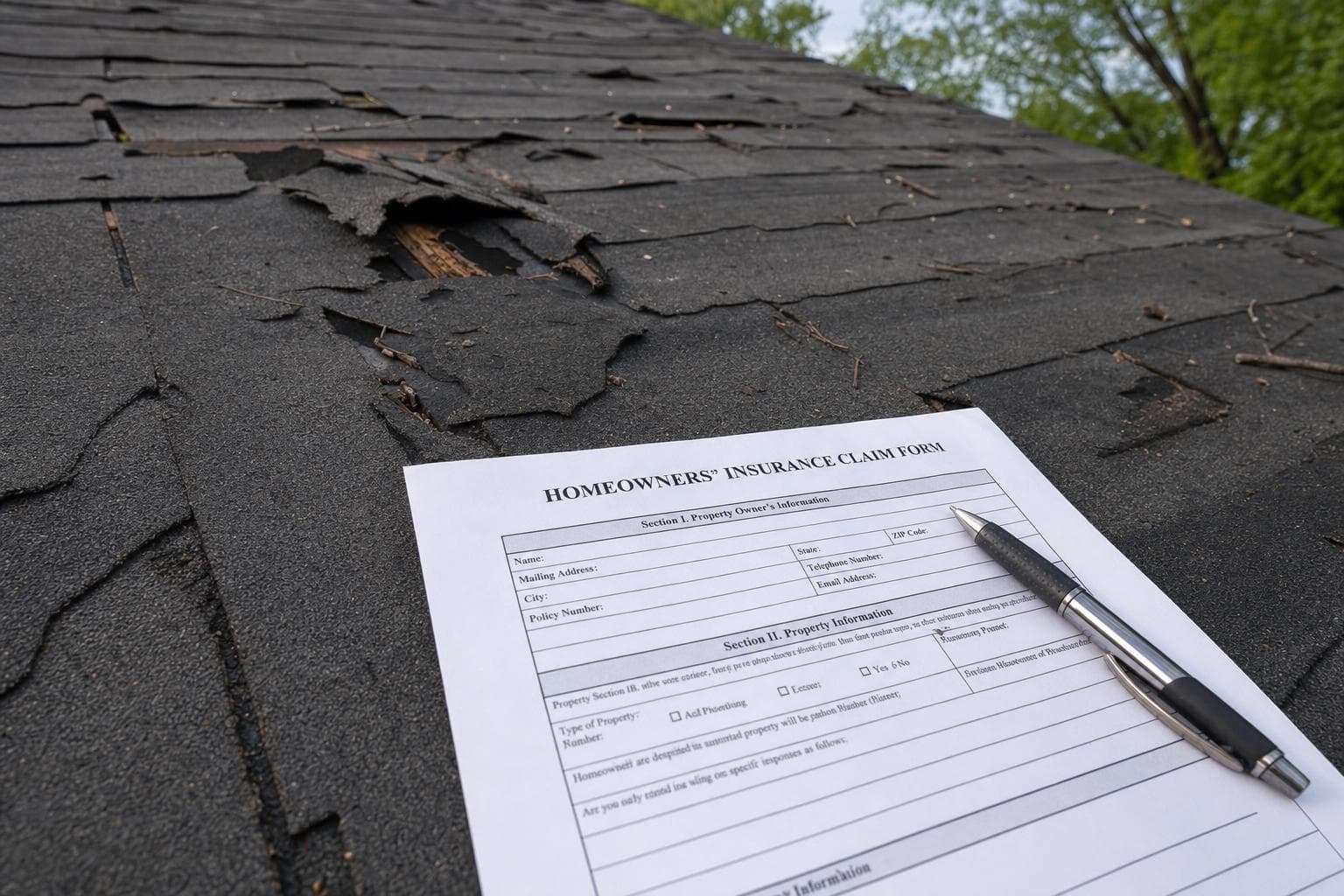
Storm claims are shaped by state law, policy language, and the way contractors are allowed to work with insurance proceeds. These are the rules worth knowing before a claim turns into a signed roofing contract.
Big roof jobs require a state-licensed contractor
Tennessee is a licensing state. Under the Tennessee Board for Licensing Contractors (Tennessee Code Annotated Title 62, Chapter 6), a contractor must hold a state license before bidding or negotiating a price on any project costing $25,000 or more, counting both materials and labor, and roofing is specifically covered. That means most full roof replacements call for a licensed contractor, while a small repair under the threshold may not. You can confirm any license for free at verify.tn.gov before you sign.
Wind and hail claims often carry a separate percentage deductible
Some Tennessee policies use a separate wind or hail deductible instead of the standard deductible. The declarations and roof endorsements control whether it applies and whether it is a flat amount or a percentage of the insured dwelling value. Review those terms before storm season and ask the carrier to explain them in dollars for your policy. ACV, RCV, depreciation, and any roof-payment schedule also depend on the written policy language.
Watch the claim clock and your deductible after a storm
Storm roof claims in Tennessee are time-limited by your policy, and many policies set a tight window (as little as one year from the date of the storm) to file, so do not sit on damage. The Tennessee Department of Commerce and Insurance warns homeowners that you are responsible for your deductible: any contractor offering to waive it, eat it, or hand you a "free roof" should be treated as a warning sign, not a bargain.
Roofers, roofing contractors, and roofing companies in Tennessee
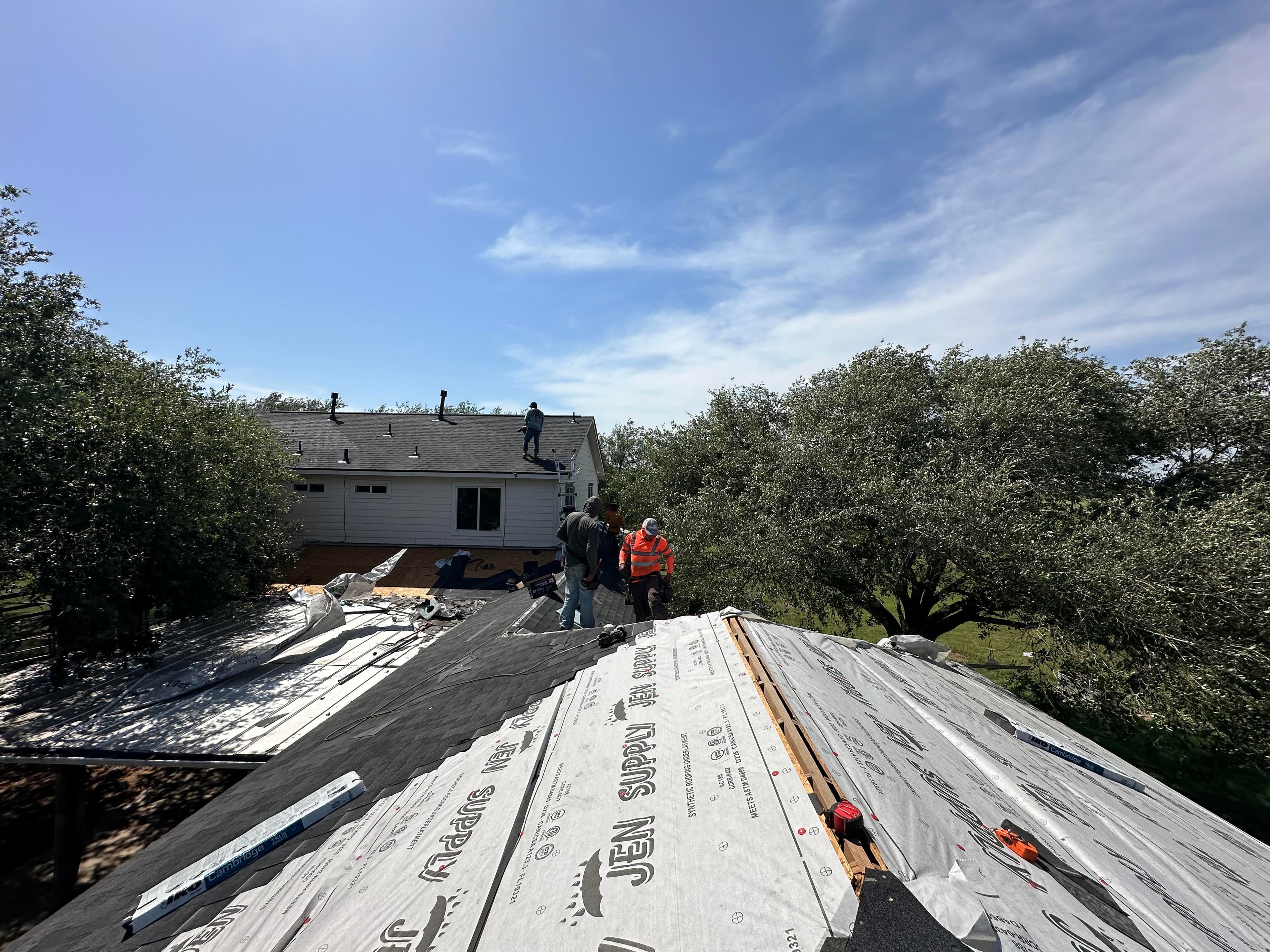
Because Tennessee licenses contractors, the single most useful step is to verify the license for any job of $25,000 or more on the state's free lookup at verify.tn.gov, checking that it is active and in the right classification. From there, confirm current general-liability and workers'-compensation coverage, look for a real local track record and references rather than an out-of-state truck that appeared right after the storm, and get a written contract with the company's name, address, and phone, the full scope (tear-off, decking, underlayment, flashing, ventilation, and cleanup), and start and completion dates. The state also cautions against paying more than one-third down or letting payments run ahead of the work.