

Updated July 10, 2026

3D Roofs Editorial Team
Editorial Standards
Roofing in Washington is shaped by long wet seasons, moss-friendly shade, and regional swings from marine weather in the west to snow and temperature changes in the mountains and eastern parts of the state. For you as a homeowner, that means roof work is often about moisture management first: keeping water moving off the roof, protecting vulnerable flashing and penetrations, and catching wear before leaks spread into decking, insulation, or interior finishes. When storm damage happens and you need to involve insurance, Washington gives you clear claim-handling rights and the right to choose your own contractor.
25
Cities covered
12
Roofing services
24
WA guides
What homeowners run into on Washington roofs
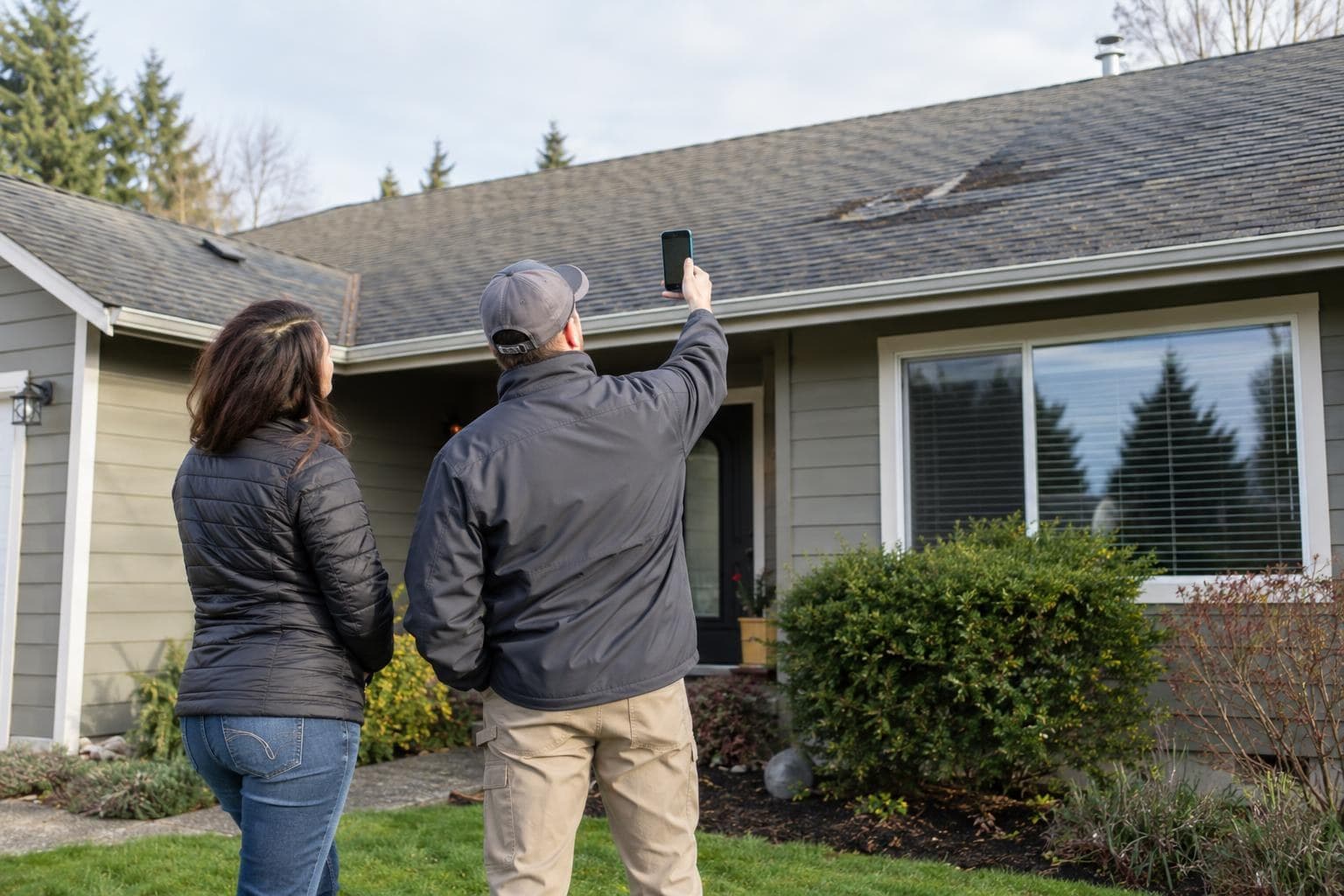
Across the Washington markets we serve, roofers repeatedly see the same inspection patterns. If one of these shows up after a storm or a leak, start with documentation and an inspection before approving a full replacement quote.
- Moss and algae growth on shaded slopes
- Persistent rain wear at flashings and seams
- Wind damage from atmospheric river events
- Older composition shingle moisture damage
- Cedar shake maintenance and replacement
- Snow load and ice damming
- Hail damage from spring storms
- Wildfire ember intrusion in foothill homes
What Washington weather does to roofs
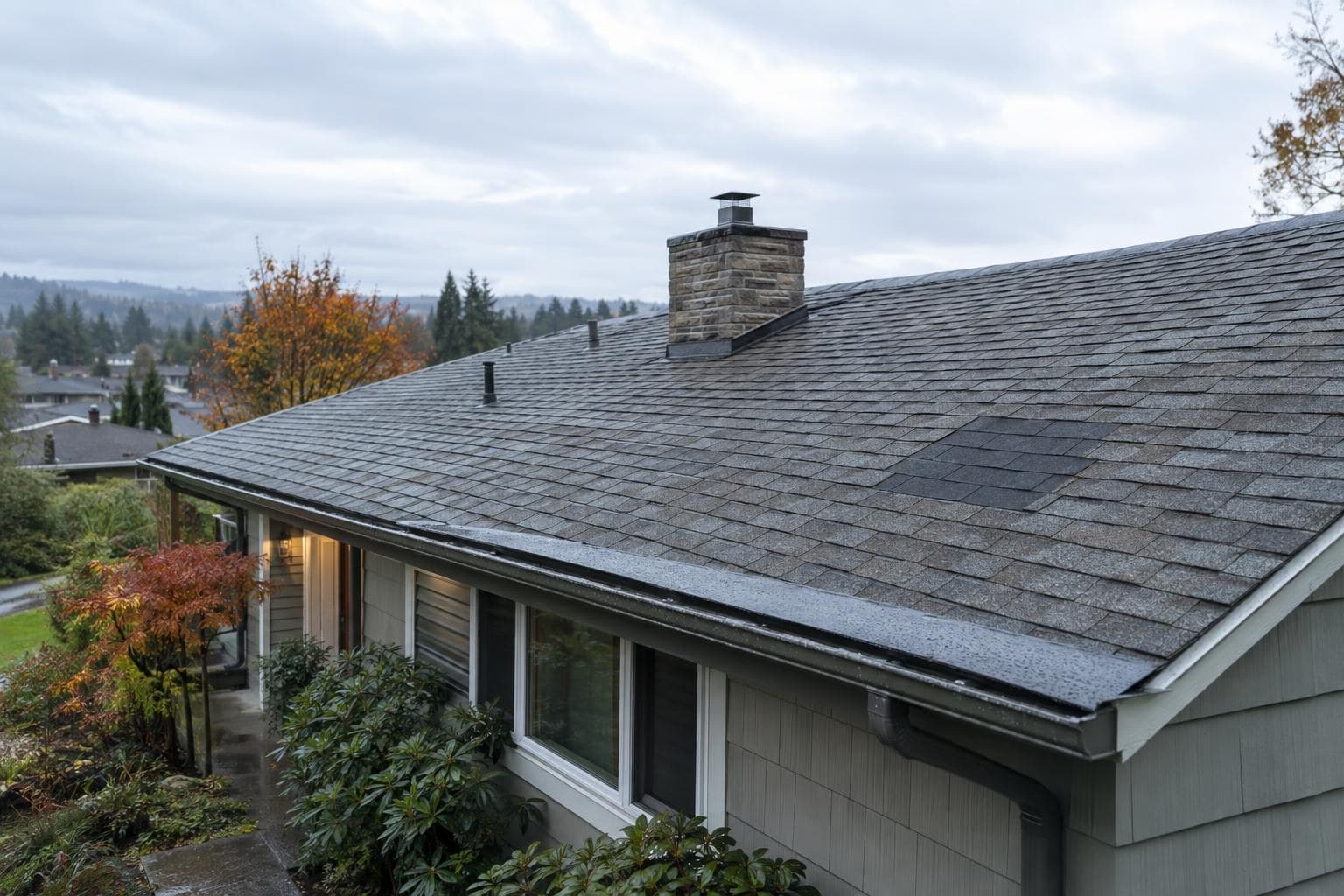
Washington roofs deal with frequent rain, damp conditions, wind-driven moisture, debris, and in some areas snow and ice. Even when damage does not look dramatic from the ground, constant moisture can shorten the life of shingles, underlayment, sealants, and roof penetrations. Moss and algae can also hold moisture against the roof surface. In higher elevations and colder parts of the state, snow load and freeze-thaw cycling can add stress around edges, valleys, and flashing details. If your roof is older or already has weak spots, Washington weather tends to turn small problems into leaks faster than you want.
Seattle
Seattle's primary roofing stresses are moisture, moss/algae, and occasional wind events. No hail or tornado risk to speak of. Atmospheric river events bring heavy rain.
Seattle roofingSpokane
Spokane gets meaningful winter snow loads, severe spring storms with hail and wind, and increasingly wildfire smoke and ember risk from regional fires.
Spokane roofingTacoma
Tacoma shares Seattle's moisture-driven roofing profile. Atmospheric river events bring heavy rain and wind.
Tacoma roofingWhat roofing costs in Washington
Roof replacement cost in Washington depends on roof size, pitch, material, decking, ventilation, code requirements, and storm upgrades. The state cost guide gives you the broad range; your city page adds the local weather and market context.
Start with the right number.
Use the roof replacement cost guide for statewide pricing, then compare repair pricing when the roof may not need a full tear-off.
Materials that make sense in Washington
If you are considering impact-resistant roofing materials, ask your insurance carrier whether it offers a discount for a Class 4 rated product. Discount availability and underwriting treatment can vary by carrier, so the key step is to confirm the terms with your insurer before you buy. Your roofer can help you identify product options and documentation to discuss with the carrier.
- Algae-resistant architectural shingles
- Standing-seam metal for moisture and longevity
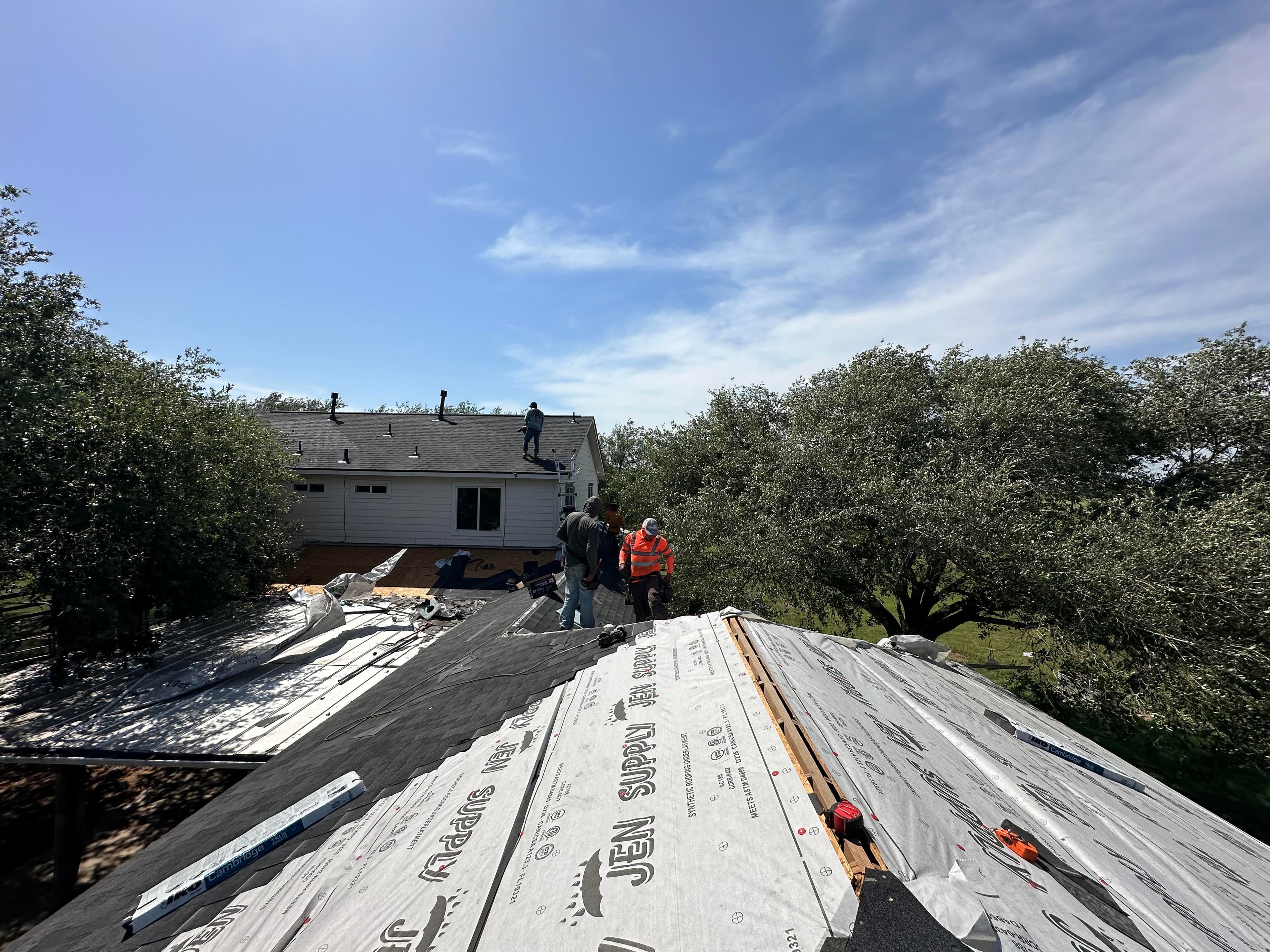
- Synthetic underlayment for moisture defense
- Cedar shake for historic appropriate applications
Storm claims, deductibles, and insurance rules
Storm claims are shaped by state law, policy language, and the way contractors are allowed to work with insurance proceeds. These are the rules worth knowing before a claim turns into a signed roofing contract.
You have the right to a clear claim explanation, prompt response, and timely claim handling
The Washington Office of the Insurance Commissioner says that as a policyholder, you are entitled to a clear explanation of what is covered, a prompt response from the insurance company, timely payments and a claim decision, and an appraisal if you disagree with the amount of your loss.
Your insurer has claim-response deadlines
The Washington Office of the Insurance Commissioner says your insurer is obligated to respond to your claim. Within 15 business days, after receiving your fully completed forms, the company should accept, deny, or advise you if it needs more time to review the claim. Within 30 days, it should complete the claim investigation if possible. If the claim investigation is not completed within 30 days, the insurer must notify you within 45 days after you file a claim and explain why it needs additional time.
You can choose your own contractor
After covered damage is identified, you have the right to select your own contractor to complete the work on your home. Your insurance company may recommend contractors, but it is not required to provide you with a list of contractors.
Be careful with assignment of benefit forms
The Washington Office of the Insurance Commissioner warns that if a contractor asks you to sign an assignment of benefit, it could affect your rights. The form could allow the contractor to negotiate, make decisions, and settle the claim directly with the insurance company without your approval. The agency says to talk to your agent or company before you sign this form.
Roofers, roofing contractors, and roofing companies in Washington
In Washington, construction contractors must be registered with L&I, and roofing is listed as a specialty that requires contractor registration. A practical first step is to ask your roofer for the business name and contractor registration number, then confirm that registration through the state verification tool referenced by L&I. You should also make sure the business name matches the registration record, because L&I says the contractor must use the exact business name on registration documents. For residential jobs of {{PRICE_UNAVAILABLE}} or more, L&I says the contractor must provide the Model Disclosure Statement Notice to Customer. If you are dealing with an insurance claim, keep control of the claim, read every authorization before you sign it, and avoid handing over settlement authority through an assignment of benefit unless you fully understand the consequences.