Updated July 27, 2026

3D Roofs Editorial Team
Editorial Standards
Yes, homeowners insurance may cover a roof replacement in Washington when the roof has functional damage from a covered event, such as wind or impact, and the cost to restore the roof is greater than a repair. For does insurance cover roof replacement in Washington, coverage depends on the policy language, cause of loss, exclusions, and the insurer's decision; verify those terms in your own documents. In Washington, that line matters because roofs deal with frequent rain, damp conditions, wind-driven moisture, debris, and in some areas snow and ice. Small weaknesses often turn into leaks faster than you want.
Does homeowners insurance cover a roof replacement in Washington?
Yes, sometimes. The key question is not whether your roof leaks, it is why it leaks. Insurance is generally for sudden, accidental, covered damage. If wind lifts shingles, debris strikes the roof, or a storm creates functional damage that shortens the roof's ability to shed water, you may have a valid claim. If the roof is at the end of its life, has widespread granule loss from age, soft decking from long-term moisture, failed sealant around penetrations, or moss-related deterioration, that is usually treated as wear or maintenance, not a covered loss. In practice, your claim often turns on whether there is clear storm-related damage that can be documented, not just an old roof that now needs replacement.
What counts as covered roof damage, and what is usually denied?
Covered damage is usually functional storm damage. That means the roof system was physically affected in a way that changes how it performs. Examples can include missing shingles after wind, creased or torn shingles, damaged flashing after a storm event, or impact damage from fallen debris. What is usually denied is gradual deterioration. In Washington, constant moisture can shorten the life of shingles, underlayment, sealants, and roof penetrations. Moss and algae can hold moisture against the roof surface. In higher elevations and colder parts of the state, snow load and freeze-thaw cycling can add stress around edges, valleys, and flashing details. Those conditions are real, but they do not automatically make a loss insurable.
- More likely to be covered: sudden wind damage, debris impact, a storm-created opening, or other documented functional damage from a covered event.
- More likely to be denied: age-related wear, long-term seepage, old flashing failure, deferred maintenance, moss-related deterioration, and leaks caused by an already failing roof.
- Mixed situations happen: a storm may damage an older roof. In that case, the insurer may look closely at what damage is new and storm-related versus what was already there.
How can you tell if your Washington roof has functional storm damage?
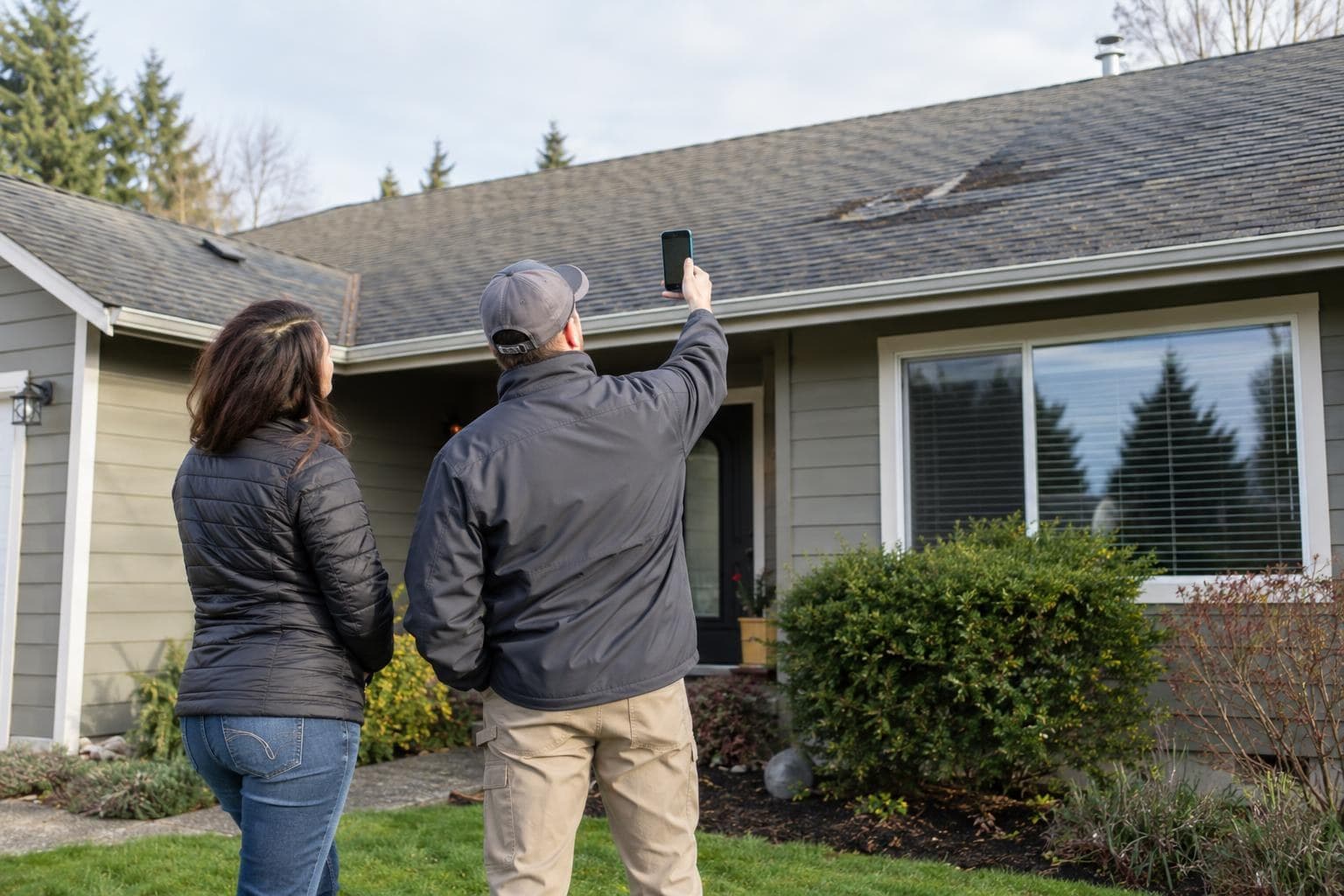
The simplest answer is this: functional damage affects the roof's ability to keep water out. Cosmetic marks alone are not the same thing. If you see missing tabs, creases, punctures, displaced ridge pieces, bent or lifted flashing, or fresh debris damage after a wind event, that points more toward a claim. If what you see is widespread aging, brittle shingles, old patching, moss buildup, or staining from chronic damp conditions, that points more toward maintenance or replacement at your own cost. A roofing contractor you are considering can inspect the roof, note where the damage is concentrated, and help you separate storm-created damage from normal aging before you decide whether filing a claim makes sense.
Talk to a roofer today
Planning ranges, scope details, and a direct path to request a roofing quote.
Will insurance pay for a full replacement or just a repair?
It depends on the extent of covered damage. If the damage is limited and the roof can be returned to service with a targeted fix, the insurer may pay for a repair. For current Washington planning prices related to does insurance cover roof replacement, use the cost guide and calculator, then compare the contractor's property-specific written scope. If the covered damage is broad enough that a repair will not restore the roof properly, replacement may be the right scope. For does insurance cover roof replacement in Washington, treat a steep or difficult-to-access roof as a scope variable that the contractor should measure and price explicitly.
How does the deductible work on a roof claim?
Your deductible is the portion of the covered loss you are responsible for before insurance pays the rest, subject to your policy terms. That means a smaller repair may not clear the deductible at all, while a larger storm loss often does. This is why it helps to compare likely repair or replacement scope against your deductible before you file. If the roof only needs a modest repair, paying out of pocket can be simpler than opening a claim. If there is widespread covered damage and replacement is on the table, the deductible may be a smaller part of the overall project. You should also keep in mind that choosing a stronger replacement material is not the same thing as getting that upgrade covered. If you upgrade by choice, you may be responsible for the difference unless your policy says otherwise.
What is the roof insurance claim process in Washington?
Start by documenting the damage, then file the claim, then get the roof inspected, then review the insurer's decision carefully. Take clear photos of interior leaks, ceiling stains, and any visible exterior damage you can safely photograph from the ground. If emergency steps are needed to limit further damage, document those too. Once you file, Washington gives you some clear protections. The Washington Office of the Insurance Commissioner says that as a policyholder, you are entitled to a clear explanation of what is covered, a prompt response from the insurance company, timely payments and a claim decision, and an appraisal if you disagree with the amount of your loss.
The Washington Office of the Insurance Commissioner says your insurer is obligated to respond to your claim. Within 15 business days, after receiving your fully completed forms, the company should accept, deny, or advise you if it needs more time to review the claim. Within 30 days, it should complete the claim investigation if possible. If the claim investigation is not completed within 30 days, the insurer must notify you within 45 days after you file a claim and explain why it needs additional time. Those deadlines do not guarantee approval, but they do give you a framework for what timely handling should look like.
Do you have to use the insurance company's roofer?
No. After covered damage is identified, you have the right to select your own contractor to complete the work on your home. Your insurance company may recommend contractors, but it is not required to provide you with a list of contractors. That means you can choose a roofing contractor you are considering, compare scope, and ask questions before you commit. In Washington, a practical first step is to ask your roofer for the business name and contractor registration number, then confirm that registration through the state verification tool referenced by L&I. You should also make sure the business name matches the registration record. For residential jobs of an amount that must be confirmed for the written scope or more, L&I says the contractor must provide the Model Disclosure Statement Notice to Customer.
What paperwork should you be careful about during a claim?
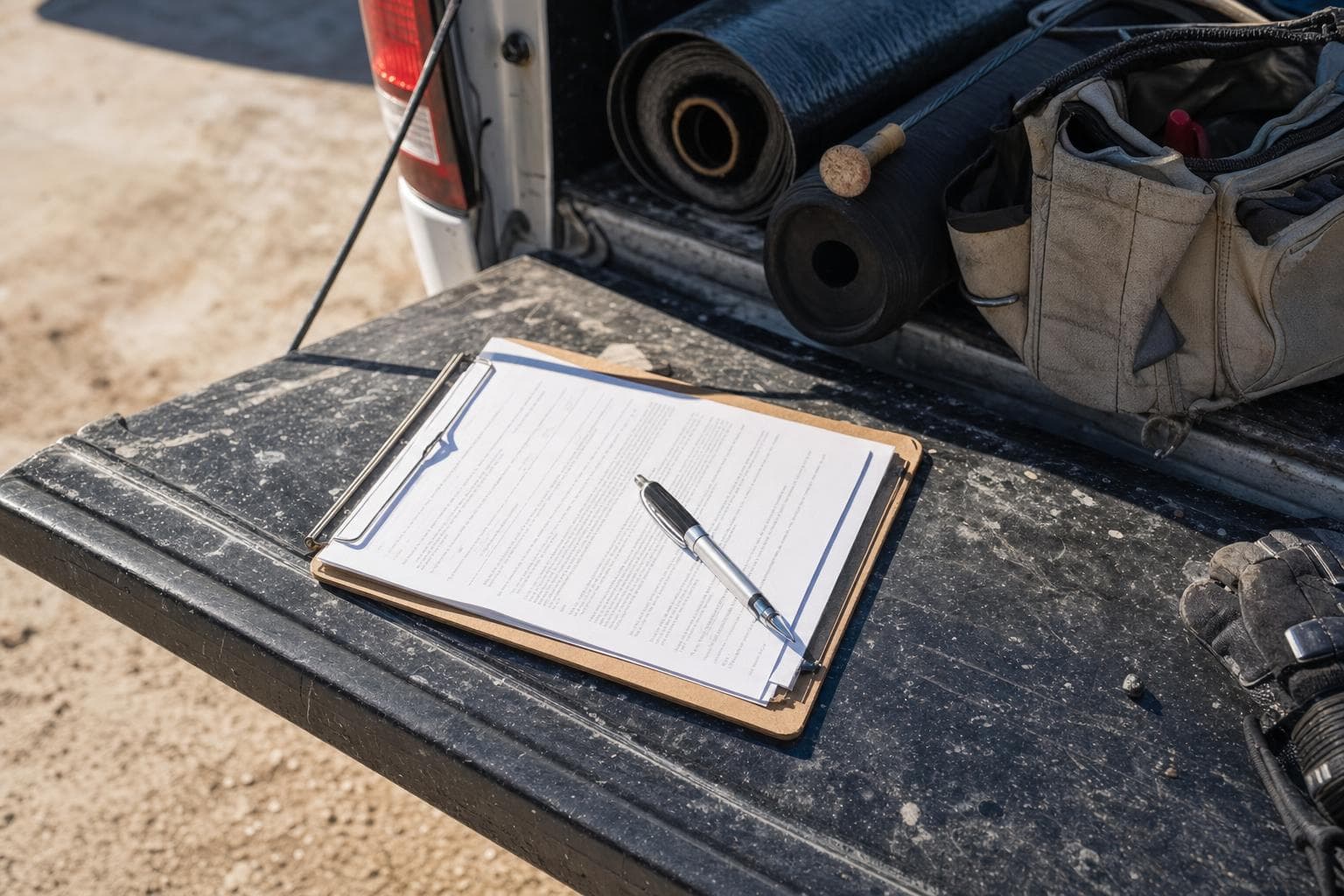
Be especially careful with anything that gives away control of the claim. The Washington Office of the Insurance Commissioner warns that if a contractor asks you to sign an assignment of benefit, it could affect your rights. The form could allow the contractor to negotiate, make decisions, and settle the claim directly with the insurance company without your approval. The agency says to talk to your agent or company before you sign this form. You should also read every authorization carefully, make sure you understand whether it is only for an inspection or for actual work, and keep copies of all estimate revisions, claim letters, and payment notices.
Should you upgrade to Class 4 shingles if insurance is replacing the roof?
Maybe, if the added cost makes sense for your budget and your carrier offers a discount. For does insurance cover roof replacement in Washington, any insurance credit depends on the carrier, policy, address, and exact product; get the amount and documentation requirements from the insurer in writing. If you are considering impact-resistant roofing materials, ask your insurance carrier whether it offers a discount for a Class 4 rated product. Discount availability and underwriting treatment can vary by carrier, so the key step is to confirm the terms with your insurer before you buy. Your roofer can help you identify product options and documentation to discuss with the carrier.
What should you do if your roof claim is denied or underpaid?
First, ask for a clear written explanation and compare it to the actual damage. If the denial says wear and tear, but you believe there is documented storm-created functional damage, gather photos, inspection notes, and a detailed scope from your roofer. If the issue is underpayment, compare line items, quantities, and whether key components like flashing, underlayment, vents, or steep-pitch complexity were included. For does insurance cover roof replacement in Washington, ask the contractor to put the expected working days and weather plan in writing; timing depends on roof size, material, access, crew scheduling, and conditions found after tear-off.
The bottom line is simple: in Washington, insurance usually pays for sudden covered roof damage, not an old roof that has slowly worn out in a wet climate. If you think a storm caused functional damage, document it early, understand your deductible, and keep control of the claim. If your roof is simply at the end of its life, it helps to price replacement options before the leak spreads. For that, you can review full local pricing on the Washington cost page and use the calculator to compare common roofing choices.
Washington roofing costs
Sources reviewed
- Washington Office of the Insurance Commissioner, Filing a homeowner insurance claim
- Washington Department of Labor & Industries, Register as a Contractor
- Georgia Attorney General Consumer Protection Division: Beware of Roofers Scamming Storm Victims
- Illinois Department of Financial and Professional Regulation: Find a Licensed Roofer: State Law and Consumer Guidance
- Arizona Department of Insurance and Financial Institutions: Homeowners Insurance
Related services
Updated July 27, 2026
3D Roofs Editorial Team
Editorial Standards