

Updated July 10, 2026

3D Roofs Editorial Team
Editorial Standards
Roofing in Rhode Island is shaped by a mix of coastal exposure, wet weather, winter conditions, and insurance details that can surprise homeowners. Your roof has to deal with rain, wind, salt air in coastal areas, and freeze-thaw wear over time. On the insurance side, the state makes clear that homeowners insurance is a financial protection policy for damage from covered causes, but it is not flood insurance. If you cannot secure property coverage through the voluntary market, the state points consumers to the Rhode Island Joint Reinsurance Association for further assistance.
7
Cities covered
12
Roofing services
22
RI guides
What homeowners run into on Rhode Island roofs
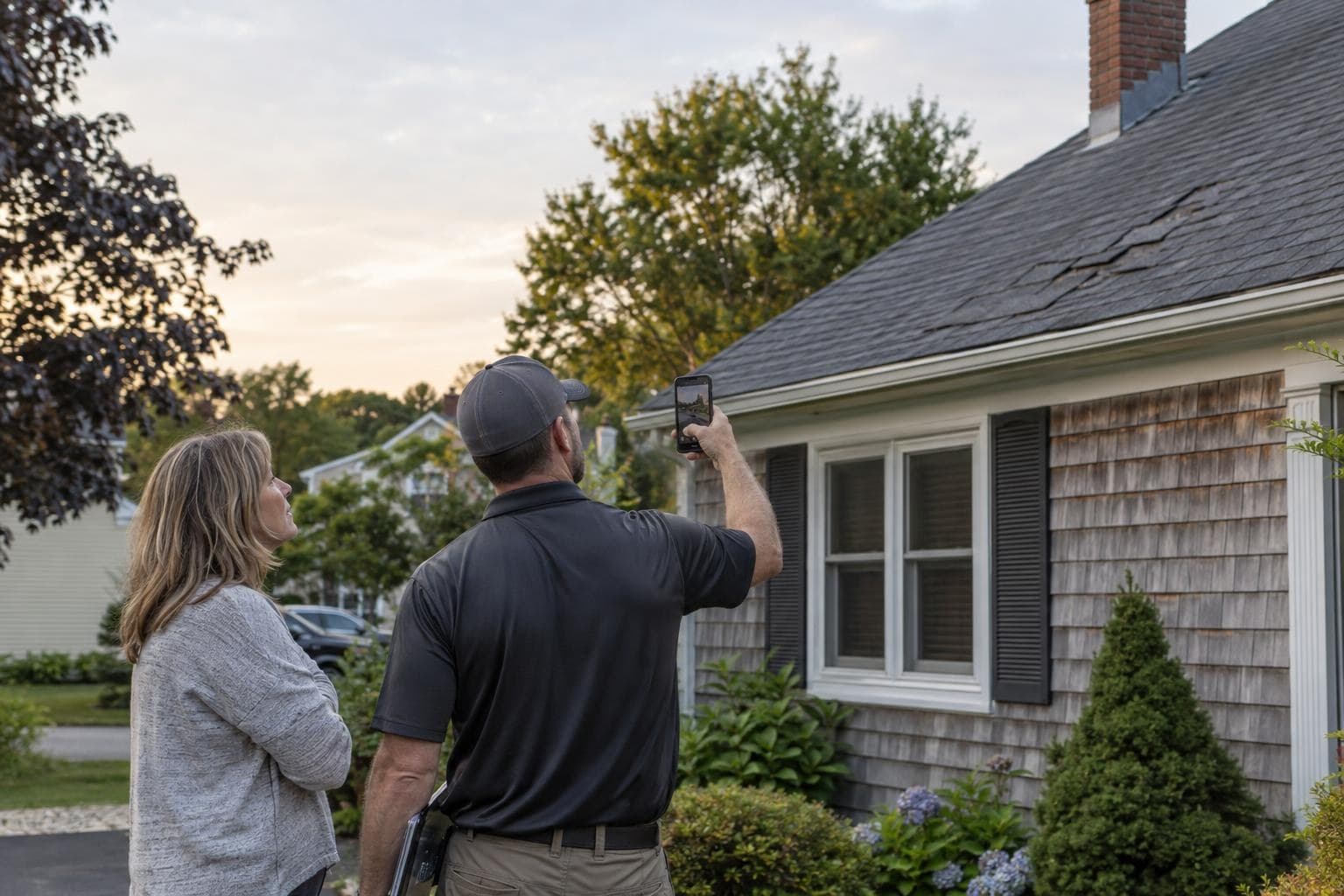
Across the Rhode Island markets we serve, roofers repeatedly see the same inspection patterns. If one of these shows up after a storm or a leak, start with documentation and an inspection before approving a full replacement quote.
- Snow load and ice damming
- Salt-air corrosion near the bay
- Nor'easter and hurricane wind damage
- Freeze-thaw aging
- Older urban triple-decker flat roofs
- Hurricane and nor'easter wind damage
- Heavy salt-air corrosion
- Historic-district material restrictions
What Rhode Island weather does to roofs
You need a roof system that can handle year-round moisture, wind-driven rain, winter weather, and temperature swings. In Rhode Island, that usually means watching for shingle wear, flashing problems, leaks around roof penetrations, ice-related edge damage, and faster aging near the coast where salt air can be harder on exterior materials. After storms, it helps to check for missing shingles, lifted edges, damaged flashing, and water intrusion in the attic or ceilings before small problems spread.
Providence
Providence sees nor'easters, winter snow and ice, hurricane remnants from Atlantic storms, and coastal wind exposure off Narragansett Bay.
Providence roofingNewport
Newport sits directly on the Atlantic with significant hurricane and nor'easter exposure plus heavy salt-air. Historic mansions add preservation requirements.
Newport roofingWarwick
Warwick, on Narragansett Bay, sees nor'easters, winter snow and ice, hurricane remnants, and coastal salt exposure across its long shoreline.
Warwick roofingWhat roofing costs in Rhode Island
Roof replacement cost in Rhode Island depends on roof size, pitch, material, decking, ventilation, code requirements, and storm upgrades. The state cost guide gives you the broad range; your city page adds the local weather and market context.
Start with the right number.
Use the roof replacement cost guide for statewide pricing, then compare repair pricing when the roof may not need a full tear-off.
Materials that make sense in Rhode Island
If you are considering impact-resistant shingles, ask your insurance carrier whether it offers a discount for a Class 4 rated roof covering. Discounts are carrier-specific, and the sources here do not give a Rhode Island statewide discount standard. The practical move is to ask what documentation your carrier wants before you replace the roof, then make sure your roofer can provide the product information your carrier requires.
- Class 4 impact-resistant shingles for steep-slope homes
- TPO or modified bitumen for flat triple-decker roofs
- Stainless or coated fasteners near the coast
- Ice and water shield at eaves
Storm claims, deductibles, and insurance rules
Storm claims are shaped by state law, policy language, and the way contractors are allowed to work with insurance proceeds. These are the rules worth knowing before a claim turns into a signed roofing contract.
Homeowners insurance covers covered perils, not every cause of loss
The state explains that homeowners insurance pays for losses and damages to your home if it is damaged or destroyed by fire, weather, theft, or another covered disaster. It also says you are only covered for a loss caused by a peril your policy covers, and you should review your policy limits and exclusions to understand what damage is excluded.
Flood damage is not covered by a standard homeowners policy
Rhode Island says, plainly, that homeowners insurance is not flood insurance and does not cover losses from flood. The state also says there is no state law in Rhode Island that requires you to purchase flood insurance, but if you have a mortgage, your lender will usually require flood insurance.
You can get help from the state insurance division and file a complaint
If you have general insurance-related questions or need help resolving an issue, the Rhode Island Division of Insurance says, "We can help." The agency says you can file a complaint online or reach the division by phone. That gives you a state path to raise concerns if a claim or coverage issue is not being handled clearly.
There is a fallback market if you cannot get coverage through the voluntary market
The state tells consumers that if you are unable to secure property insurance coverage through the voluntary market, you should contact the Rhode Island Joint Reinsurance Association for further assistance. RIJRA says its purpose is to provide basic property insurance on eligible property for applicants who have been unable to gain insurance through the voluntary market.
Roofers, roofing contractors, and roofing companies in Rhode Island
Rhode Island draws an important line between residential and commercial roofing. The state's commercial roofing license page says a roofing contractor license applies to commercial or industrial roofing work and does not include work on residential buildings with four or fewer dwelling units. For residential roofing, the state's general contractor registration page says anyone doing residential or commercial construction work, including repairs, needs to be registered with the Rhode Island Contractors’ Registration and Licensing Board, and the examples of work requiring registration include roofers. For you, that means a smart first step is to look up your roofer through the state's Search a Registrant/Licensee tools and confirm they are properly registered for residential construction work. You can also ask your roofer who will perform the work, whether any subcontractors will be used, and for a clear written scope so you can compare materials, flashing details, and cleanup terms before you sign.