

Updated July 10, 2026

3D Roofs Editorial Team
Editorial Standards
Texas is one of the toughest roofing markets in the country. It regularly ranks first in the nation for major hail events, roofs bake under intense year-round sun, and the Gulf coast takes hurricanes and named storms. Just as important, the rules that protect you, from how an insurer has to handle a hail claim to who is legally allowed to negotiate it, are set at the state level. Here is what actually matters for a Texas roof, and how to sidestep the scams that follow every big storm.
124
Cities covered
12
Roofing services
26
TX guides
What homeowners run into on Texas roofs
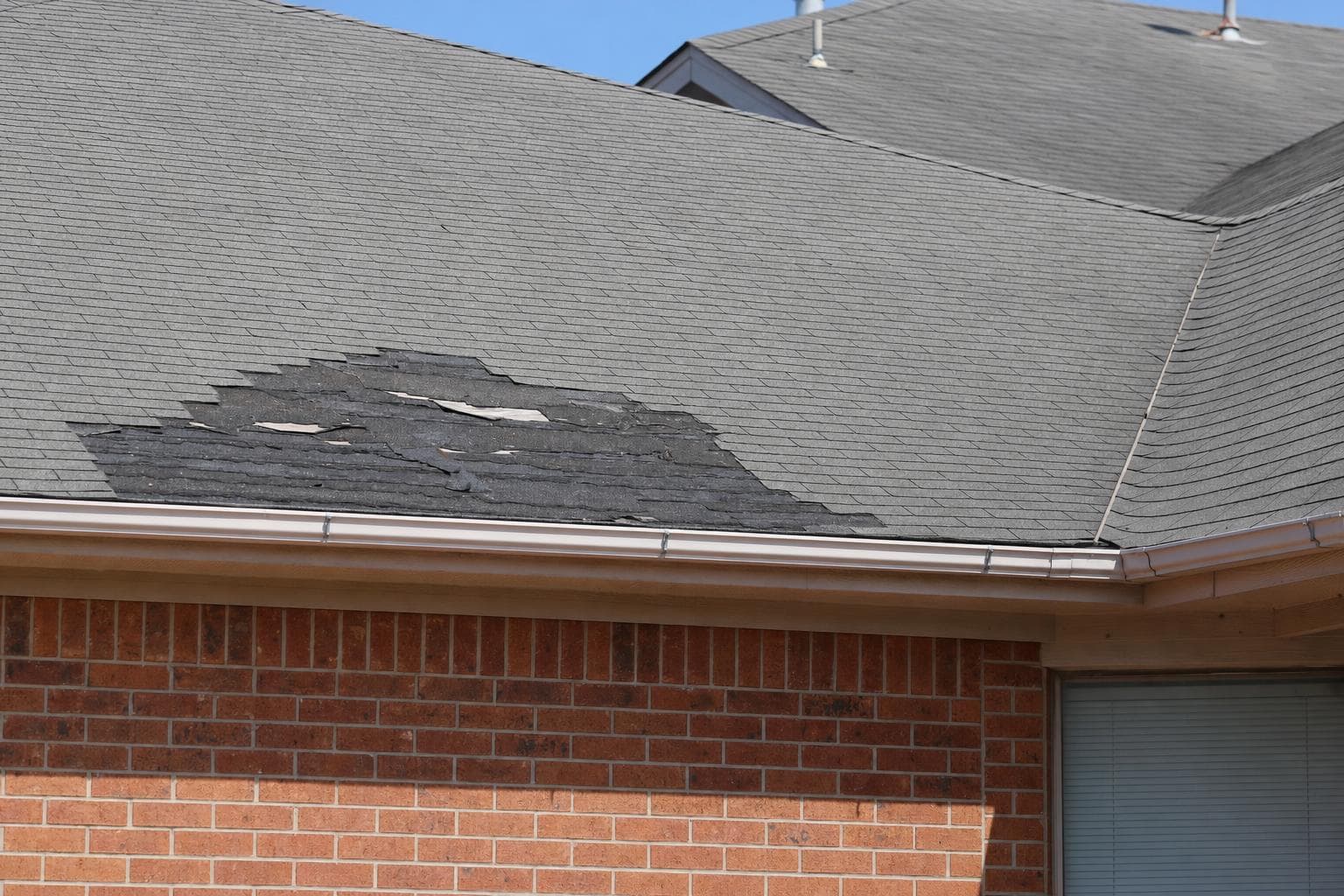
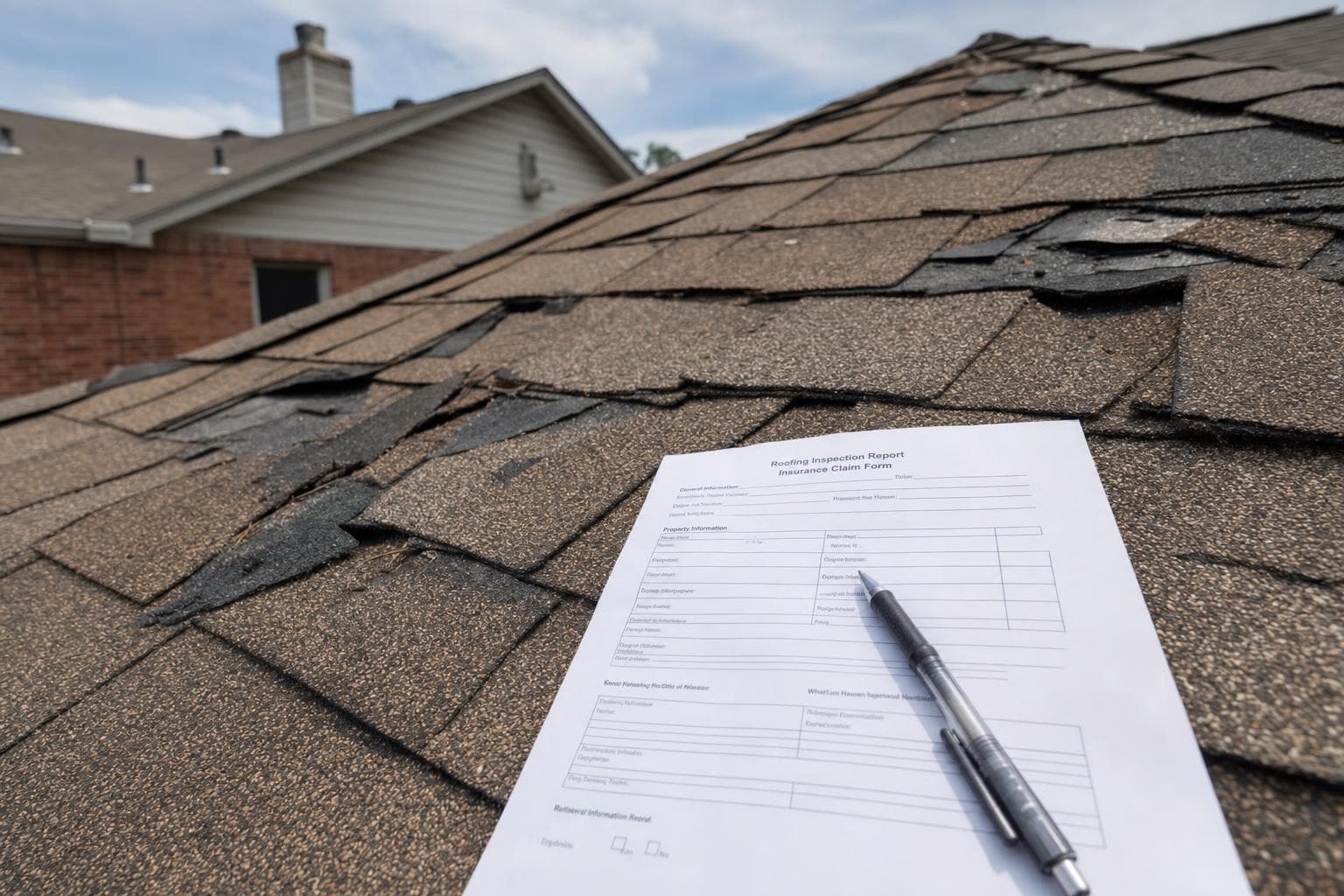
Across the Texas markets we serve, roofers repeatedly see the same inspection patterns. If one of these shows up after a storm or a leak, start with documentation and an inspection before approving a full replacement quote.
- Wind-lifted shingles after thunderstorm outflow
- Flashing leaks around chimneys, walls, skylights, and roof penetrations
- Algae streaking and moisture wear from Gulf humidity
- Granule loss from heat, UV, and hail impact
- Drainage issues on low-slope sections and covered patios
- Hail bruising and cracked shingle mats
- Missing shingles after straight-line winds
- Damaged vents, pipe jacks, and ridge caps
What Texas weather does to roofs
Texas roofs fail where the weather hits hardest, and that varies across the state. North and Central Texas sit in hail country, where spring storms drive granule loss and bruising. The whole state carries a heavy UV and heat load that ages shingles faster than in cooler climates. Along the Gulf coast, hurricanes and tropical systems add wind uplift and wind-driven rain on top of the hail risk. The right roof for your home depends on which of these your area actually sees.
Houston
Houston roofs are often stressed by tropical rain bands, wind gusts, hail cells, and repeated humidity cycles that expose weak flashing and ventilation problems.
Houston roofingDallas
Dallas sits in a high hail-risk corridor where spring supercells can damage shingles, vents, gutters, soft metals, and ridge caps.
Dallas roofingAustin
Austin storm damage often combines hail impact, wind-driven debris, blocked drainage from tree canopy, and heat expansion around roof penetrations.
Austin roofingWhat roofing costs in Texas
Roof replacement cost in Texas depends on roof size, pitch, material, decking, ventilation, code requirements, and storm upgrades. The state cost guide gives you the broad range; your city page adds the local weather and market context.
Start with the right number.
Use the roof replacement cost guide for statewide pricing, then compare repair pricing when the roof may not need a full tear-off.
Materials that make sense in Texas
Class 4 shingles are worth comparing on Texas homes with meaningful hail exposure. UL 2218 Class 4 is the highest classification in that impact test, but it does not make a roof damage-proof or establish how a policy treats cosmetic damage. Ask your carrier in writing whether the exact product qualifies for a credit, which part of the premium is affected, and what documentation it requires. Texas does not set one statewide credit amount.
- Class 3 or Class 4 architectural shingles for hail resistance and strong curb appeal
- Standing seam metal roofing for long-term heat reflection and wind performance
- Balanced attic ventilation to reduce heat load and moisture buildup
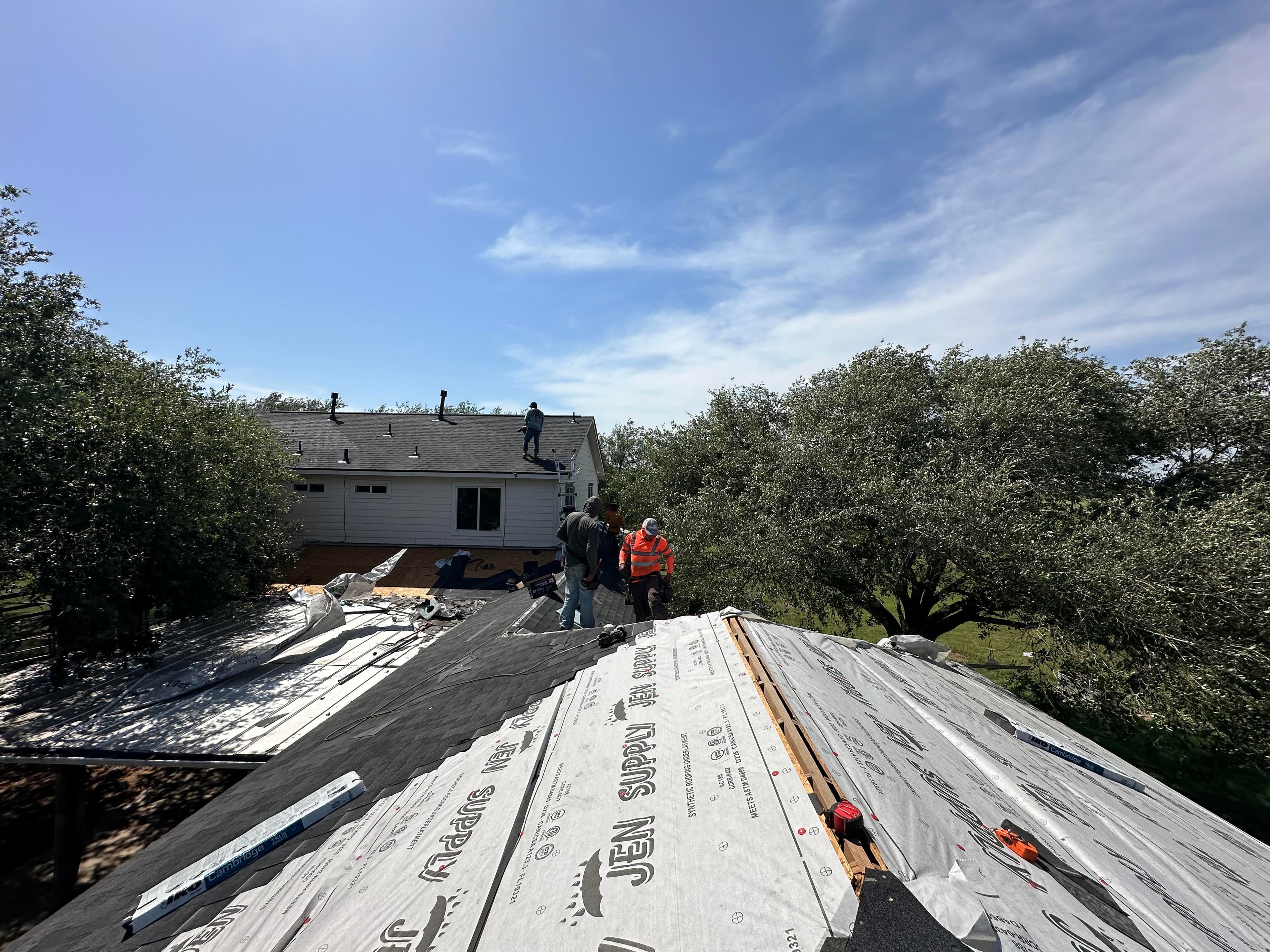
- Synthetic underlayment and upgraded flashing in leak-prone roof transitions
Storm claims, deductibles, and insurance rules
Storm claims are shaped by state law, policy language, and the way contractors are allowed to work with insurance proceeds. These are the rules worth knowing before a claim turns into a signed roofing contract.
Your roofer can't pay your deductible, and shouldn't offer to
In Texas it is a crime for a contractor to waive, rebate, or absorb your insurance deductible (Business and Commerce Code Sec. 27.02). Any roofing contract of $1,000 or more tied to an insurance claim has to state in writing that you are responsible for paying it. A roofer pitching a "free roof" by eating your deductible is breaking the law, so treat it as a red flag, not a deal.
The roofer doing the work can't also be your claims adjuster
Texas law (Insurance Code Sec. 4102.163) bars a contractor from acting as a public adjuster, negotiating or settling your claim, on a job they are also doing. The Texas Supreme Court upheld this in 2024. If a roofer offers to "handle the whole claim with your insurance company," that crosses a legal line.
Your insurer is on a clock
Hail and wind claims fall under Insurance Code Chapter 542A (from HB 1774). Your insurer generally has to accept or reject the claim within 15 business days of getting everything it needs to finalize the loss, with a possible extension, and a little more time after a declared catastrophe. If a weather claim ever heads to court, you have to give the insurer written notice at least 61 days first.
Coastal and windstorm note
On the Texas coast, wind and hail are often insured through the Texas Windstorm Insurance Association (TWIA), the insurer of last resort for the 14 first-tier coastal counties. There, a re-roof or roof repair generally has to be inspected and certified (a WPI-8 Certificate of Compliance through the state's Windstorm Inspection Program) to keep TWIA wind and hail coverage, and TWIA covers wind and hail only, so you still need a separate homeowners policy and flood coverage. Make sure a coastal roofer pulls the windstorm inspection, not just a city permit.
Roofers, roofing contractors, and roofing companies in Texas
Texas does not issue a statewide roofing license, so "licensed roofer" means little here on its own. Vet a Texas roofer on what you can actually verify: current general-liability and workers'-compensation insurance, a real local track record and references, manufacturer certifications, and a written scope that spells out tear-off, decking, underlayment, flashing, ventilation, and cleanup. Knowing the deductible and adjuster rules above is half the battle.