

Updated July 10, 2026

3D Roofs Editorial Team
Editorial Standards
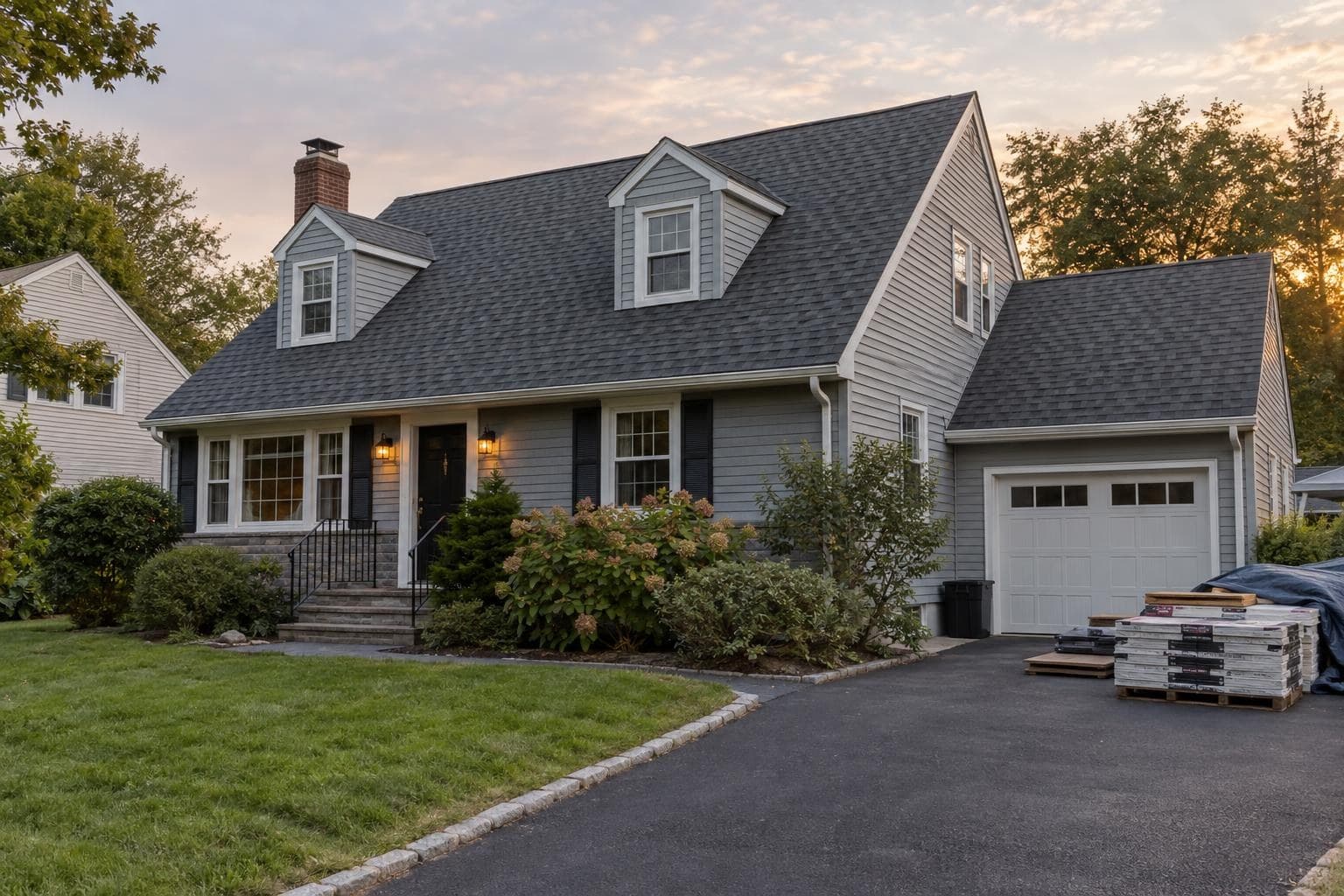
Roofing in New Jersey is shaped by a mix of coastal storms, inland wind and hail, heavy rain, and flooding risk. For you as a homeowner, that means your roof system is not just about shingles. It is also about drainage, flashing, attic protection, and making sure your insurance matches the real replacement cost of your home. The state also points homeowners to preventive maintenance before extreme weather, including removing loose debris such as tree branches and roof shingles, and cleaning out gutters and downspouts so they drain properly.
37
Cities covered
12
Roofing services
24
NJ guides
What homeowners run into on New Jersey roofs
Across the New Jersey markets we serve, roofers repeatedly see the same inspection patterns. If one of these shows up after a storm or a leak, start with documentation and an inspection before approving a full replacement quote.
- Flat-roof membrane wear on urban buildings
- Snow load and ice damming on steep slopes
- Nor'easter and hurricane wind damage
- Freeze-thaw aging
- Older urban housing decking concerns
- Flat-roof membrane wear on row houses and brownstones
- Waterfront wind and salt exposure
- Snow load and ice damming
What New Jersey weather does to roofs
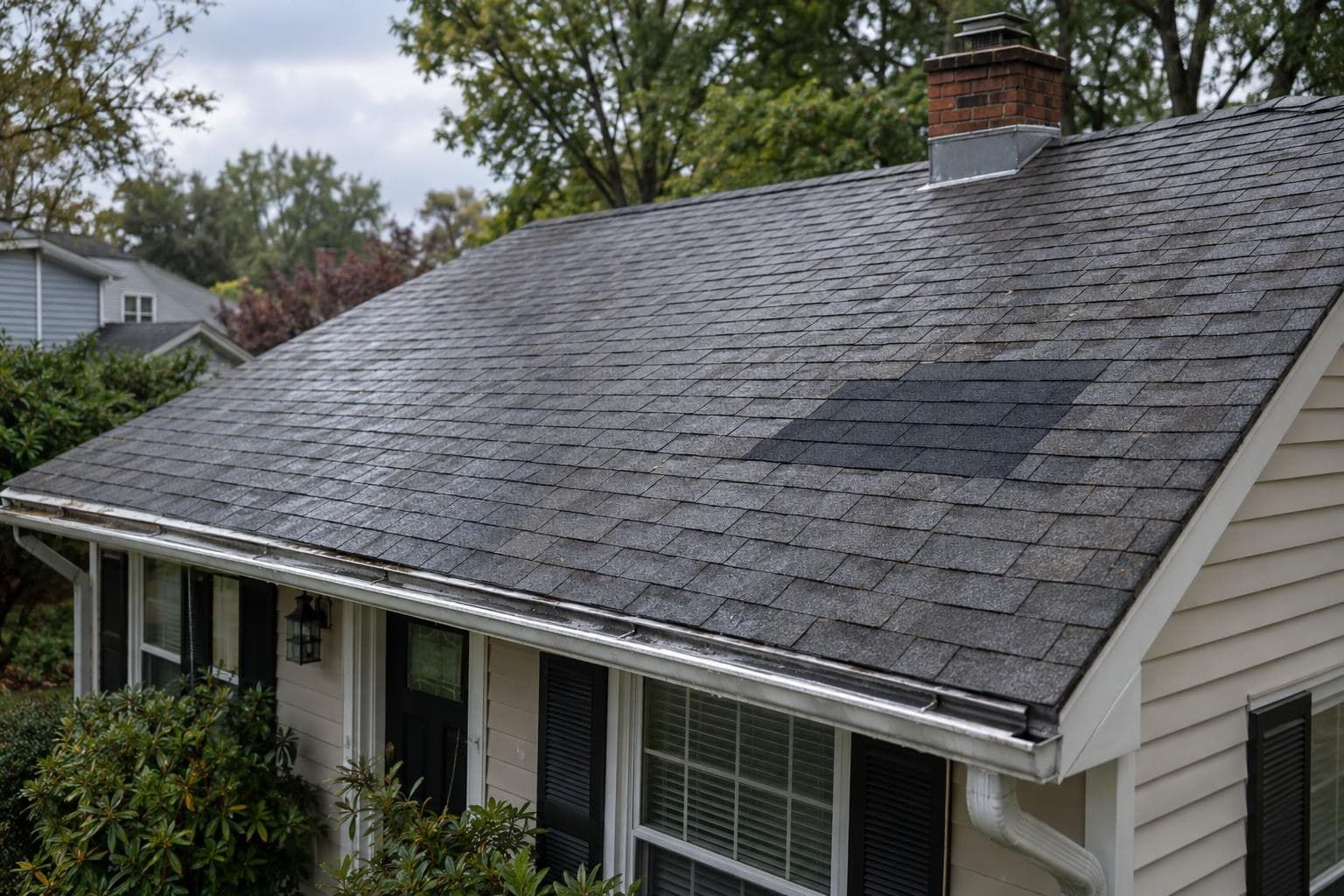
New Jersey roofs take wear from wind-driven rain, storm gusts, hail, and seasonal temperature swings. Near the shore, storms can push wind and water hard against roof edges, flashing, and penetrations. Inland, repeated wet weather can expose weak spots around valleys, chimneys, and older shingles. The state’s consumer guidance also highlights flooding as a separate risk from standard homeowners coverage, so roof damage and water damage are not always handled the same way after a major storm.
Newark
Newark sees nor'easters, winter snow and ice, hurricane impacts (Sandy 2012, Ida 2021), and dense urban flat-roof maintenance demands.
Newark roofingJersey City
Jersey City sits on the Hudson waterfront with hurricane and nor'easter exposure (Sandy 2012 caused major flooding). Dense urban housing includes many flat roofs.
Jersey City roofingPaterson
Paterson sits along the flood-prone Passaic River with nor'easter, hurricane (Ida 2021 caused major flooding), and dense urban flat-roof exposure.
Paterson roofingWhat roofing costs in New Jersey
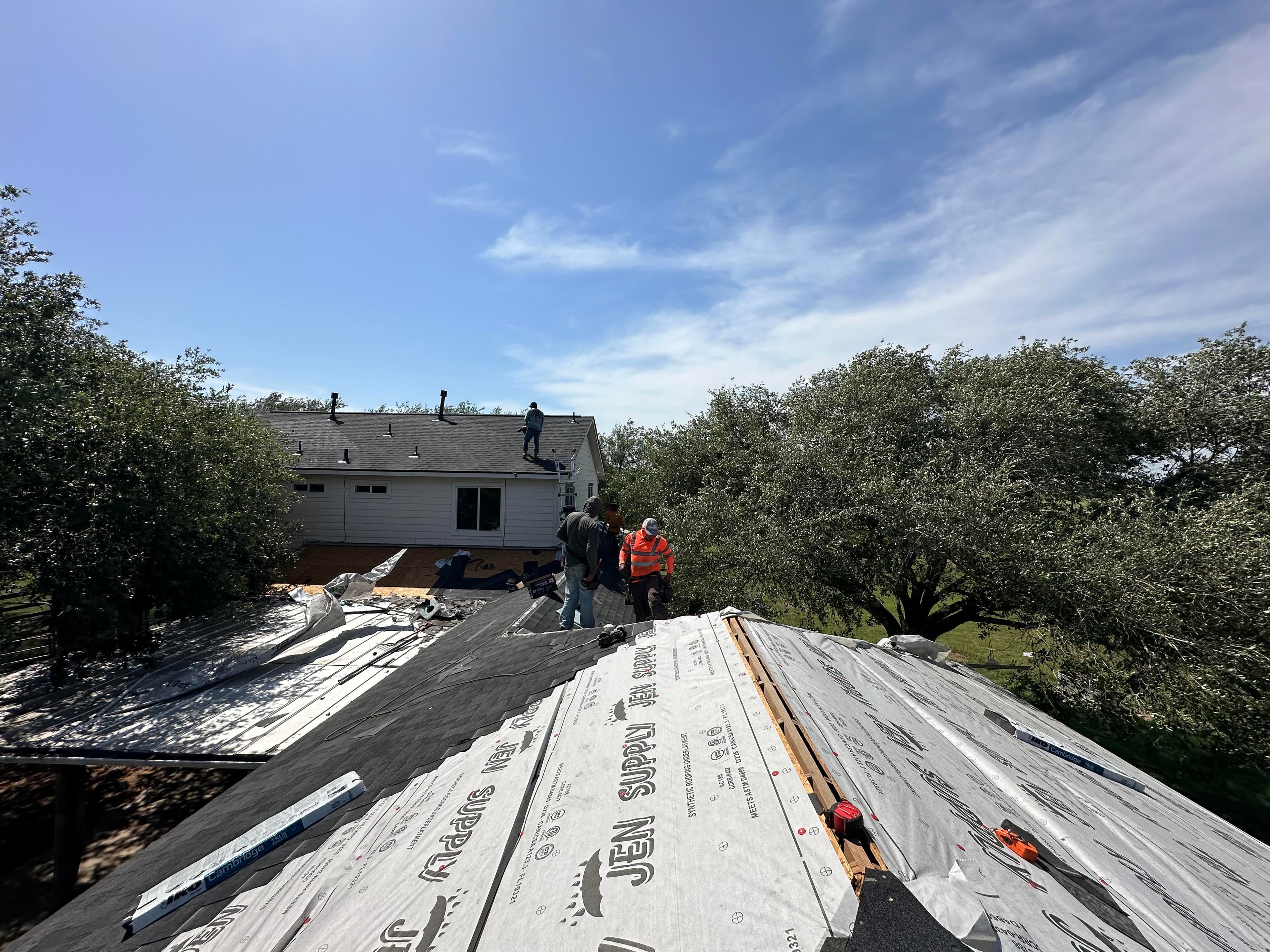
Roof replacement cost in New Jersey depends on roof size, pitch, material, decking, ventilation, code requirements, and storm upgrades. The state cost guide gives you the broad range; your city page adds the local weather and market context.
Start with the right number.
Use the roof replacement cost guide for statewide pricing, then compare repair pricing when the roof may not need a full tear-off.
Materials that make sense in New Jersey
If you are considering a Class 4 impact-resistant shingle, ask your carrier whether it offers a discount for that upgrade. Discounts and eligibility are set by the carrier, and your savings, if any, depend on your policy and underwriting. A roofing contractor can help you compare product options and gather the product documentation your carrier may ask for.
- TPO or modified bitumen for flat roofs
- Class 4 impact-resistant shingles for steep-slope homes
- Standing-seam metal for performance
- Ice and water shield at eaves
Storm claims, deductibles, and insurance rules
Storm claims are shaped by state law, policy language, and the way contractors are allowed to work with insurance proceeds. These are the rules worth knowing before a claim turns into a signed roofing contract.
Standard homeowners coverage can include windstorm or hail losses, but your deductible may work differently
The state says most standard homeowners insurance policies cover losses caused by fire and lightning, smoke, windstorms or hail, but some policies may include a separate, optional wind/hail deductible, and/or a mandatory or optional hurricane deductible. It also says damage by windstorms such as hurricanes is generally covered under a standard homeowners policy, but there may be a deductible or other specific restriction that applies to your policy.
Flood damage is not covered under standard homeowners policies
The state says homeowners insurance policies exclude water damage caused by flood. It also says flooding is not covered under standard homeowners policies, and homeowners policies do not cover damage from flooding that accompanies a hurricane. If flood exposure is part of your risk, you may need separate flood insurance.
Flood insurance has a 30-day waiting period
The state says there is normally a 30-day waiting period before a new flood insurance policy becomes effective, and also says flood insurance is not effective until 30 days after it is sold. If you are thinking about adding flood coverage, do not wait until a storm is close.
If standard coverage is not available, the FAIR Plan may be an option
The state says consumers who are unsuccessful in obtaining coverage through a standard company may apply to the New Jersey Insurance Underwriting Association, known as the FAIR Plan. It says the FAIR Plan provides basic property coverage, but does not provide theft or personal liability coverage. The state also says you should consider the FAIR Plan only if you cannot obtain insurance from any other source.
Roofers, roofing contractors, and roofing companies in New Jersey
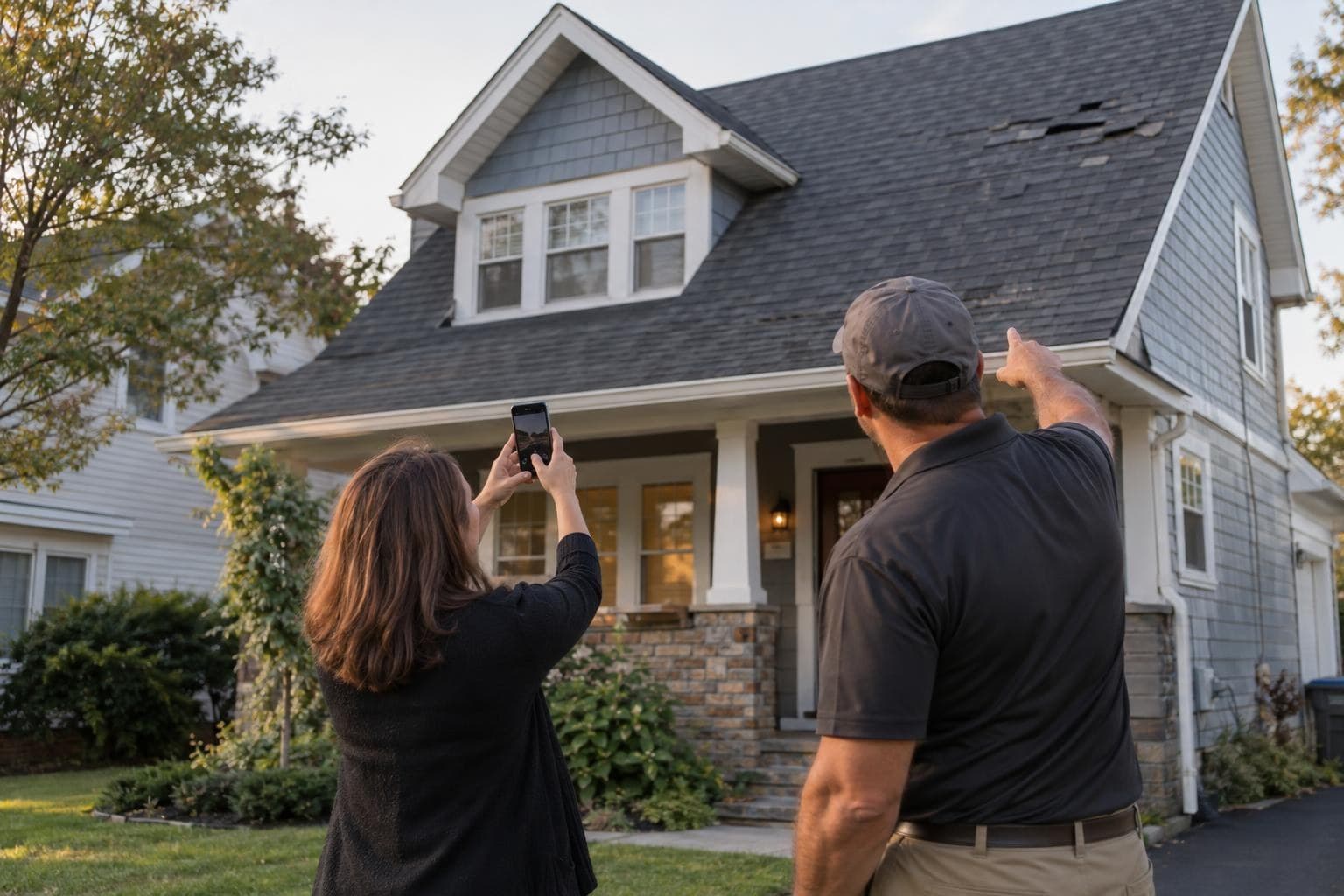
New Jersey homeowners should keep roofer screening simple and document-focused. Ask your roofer to explain the full scope in writing, including what gets replaced, how flashing and ventilation will be handled, what cleanup is included, and who is responsible for protecting the home if weather hits during the job. Because storm claims can involve outside help, it also matters to know who is working on the insurance side. New Jersey specifically says public adjusters must be licensed by the Department of Banking and Insurance, and if you choose to hire a public adjuster, make sure that they are licensed. You should also keep photos, receipts, and a written record of any storm damage and temporary repairs, because the state says to report the loss immediately, take pictures of the damage, make a reasonable attempt to protect your property from further loss or damage, and keep receipts for any repairs.