

Updated July 10, 2026

3D Roofs Editorial Team
Editorial Standards
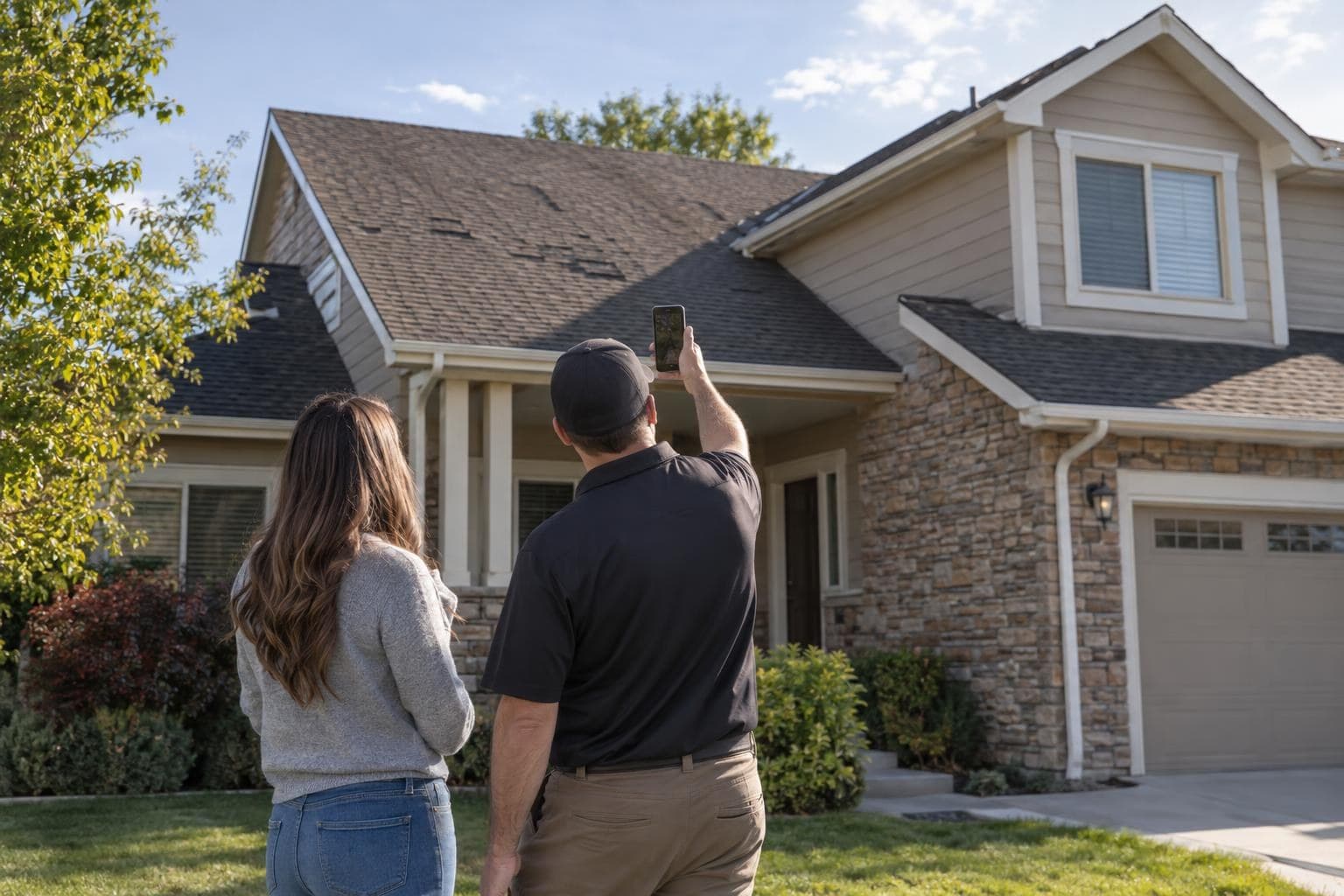
Utah roofing is shaped by sharp weather swings and storm claims. You need a roof that can handle wind, wind-driven rain, heavy snow load, ice, and strong sun, and you also need to handle claims carefully after a loss. The Utah Insurance Department tells homeowners to contact the insurance company as soon as possible, document damage with photos or video, make temporary repairs to prevent further damage, and avoid permanent repairs until the insurer has inspected the property and you have reached an agreement on the cost of repairs.
18
Cities covered
12
Roofing services
24
UT guides
What homeowners run into on Utah roofs
Across the Utah markets we serve, roofers repeatedly see the same inspection patterns. If one of these shows up after a storm or a leak, start with documentation and an inspection before approving a full replacement quote.
- Heavy snow loads and ice damming
- High-altitude UV degradation
- Freeze-thaw aging
- Wind damage from canyon winds
- Ice dam water intrusion at eaves
- Canyon wind damage
- Ice dam water intrusion
- Extreme heat and UV degradation
What Utah weather does to roofs
Your roof in Utah can take stress from wind, wind-driven rain, falling branches or trees, heavy snow weight, ice, freeze-thaw cycles, and long periods of sun exposure. State consumer guidance also notes that collapse due to the weight of ice or snow is covered under most standard homeowners policies, which reflects the kind of winter roof stress Utah homeowners have to plan for. After storms, quick documentation and temporary dry-in matter because added interior damage can complicate the claim.
Salt Lake City
Salt Lake City sees heavy winter snow loads (including lake-effect), intense high-altitude UV, and occasional severe summer storms. Snow and ice damming dominate.
Salt Lake City roofingProvo
Provo sees heavy winter snow at the base of the Wasatch Mountains, intense high-altitude UV, and occasional severe summer storms.
Provo roofingSt. George
St. George's desert climate brings extreme heat and intense UV that age roofs fast, plus occasional monsoon-season wind and rain. Tile and flat roofs common.
St. George roofingWhat roofing costs in Utah
Roof replacement cost in Utah depends on roof size, pitch, material, decking, ventilation, code requirements, and storm upgrades. The state cost guide gives you the broad range; your city page adds the local weather and market context.
Start with the right number.
Use the roof replacement cost guide for statewide pricing, then compare repair pricing when the roof may not need a full tear-off.
Materials that make sense in Utah
Ask your insurer whether it offers a discount for a Class 4 impact-resistant roof. Discounts, if any, are set by the carrier, and your eligibility depends on the insurer's rules and your specific product documentation. If you are replacing the roof after storm damage, ask your roofer for the exact product rating paperwork and confirm with your insurer before you count on any savings.
- Class 4 impact-resistant shingles
- Standing-seam metal for snow shedding (recommended)
- Ice-and-water membrane at eaves and valleys as required by local code and the roofing manufacturer
- UV-stable, cool-roof rated materials
Storm claims, deductibles, and insurance rules
Storm claims are shaped by state law, policy language, and the way contractors are allowed to work with insurance proceeds. These are the rules worth knowing before a claim turns into a signed roofing contract.
Utah lists timely payment and unfair claim settlement protections
The Utah Insurance Department says home claims information for Utah includes laws on "Timely payment of claims" and "Unfair claim settlement practices." It also lists Rule R590-190, "Unfair Property, Liability and Title Claims Settlement Practices," and says this includes homeowner policies. If your claim starts to stall or the handling seems off, you have state-backed standards to point to and you can contact the Utah Insurance Department for assistance.
Some claim-related premium increases are prohibited
The Utah Insurance Department lists "31A-19a-212 Premium increases prohibited for certain claims or inquiries" as part of its home claims information for Utah. That means Utah identifies protections tied to certain claims or inquiries, even though the page says the listed laws are not meant to be inclusive of all claims-related statutes.
You should make temporary repairs, but hold off on permanent repairs until inspection and agreement
The Utah Insurance Department tells homeowners to make repairs necessary to prevent further damage, such as covering broken windows, leaking roofs, and damaged walls. It also says, "Do not have permanent repairs made until your insurance company has inspected the property and you have reached an agreement on the cost of repairs." Save receipts, including temporary repair receipts covered by your policy.
You can ask the Utah Insurance Department for help with a claim dispute
If you have a dispute with your insurer about the amount or terms of the claim settlement, the Utah Insurance Department says you can contact the department for assistance. The department also says it does not have the authority of a court to settle disputes of unwilling parties, or to order or enforce payment of individual claims, but that many problems are successfully resolved during its regulatory investigation.
Roofers, roofing contractors, and roofing companies in Utah
In Utah, start by confirming your roofer holds the right Utah contractor license and use the state verify-a-license tool. The Utah licensing page for specialty contractors says applicants must complete a pre-license course, obtain a general liability insurance certificate meeting the state's listed minimum coverage, and register the business if operating as a corporation, LLC, LLP, or partnership. For you as a homeowner, the practical move is simple: verify the contractor's Utah license status first, then compare written estimates and read every document before you sign. The Utah Insurance Department warns you to be wary of door-to-door roof inspection offers after a storm, out-of-state contractors approaching you after disasters, pressure to quickly sign electronic documents, especially Assignment of Benefit forms, and requests for upfront payment. It also tells homeowners to get at least three written estimates, work with the insurer, and require copies of invoices sent to the insurer.