Updated July 10, 2026

3D Roofs Editorial Team
Editorial Standards
When you need roof repair
A roof repair should solve a defined failure without replacing serviceable roofing around it. That starts with diagnosis: tracing a leak path, identifying the failed shingle, flashing, fastener, seal, or penetration, and checking whether nearby materials can support a durable tie-in. The estimate should distinguish a permanent repair from temporary protection, explain what must be opened, and state what happens if concealed decking damage appears. Repair is a strong option when the problem is contained and the surrounding roof remains serviceable.
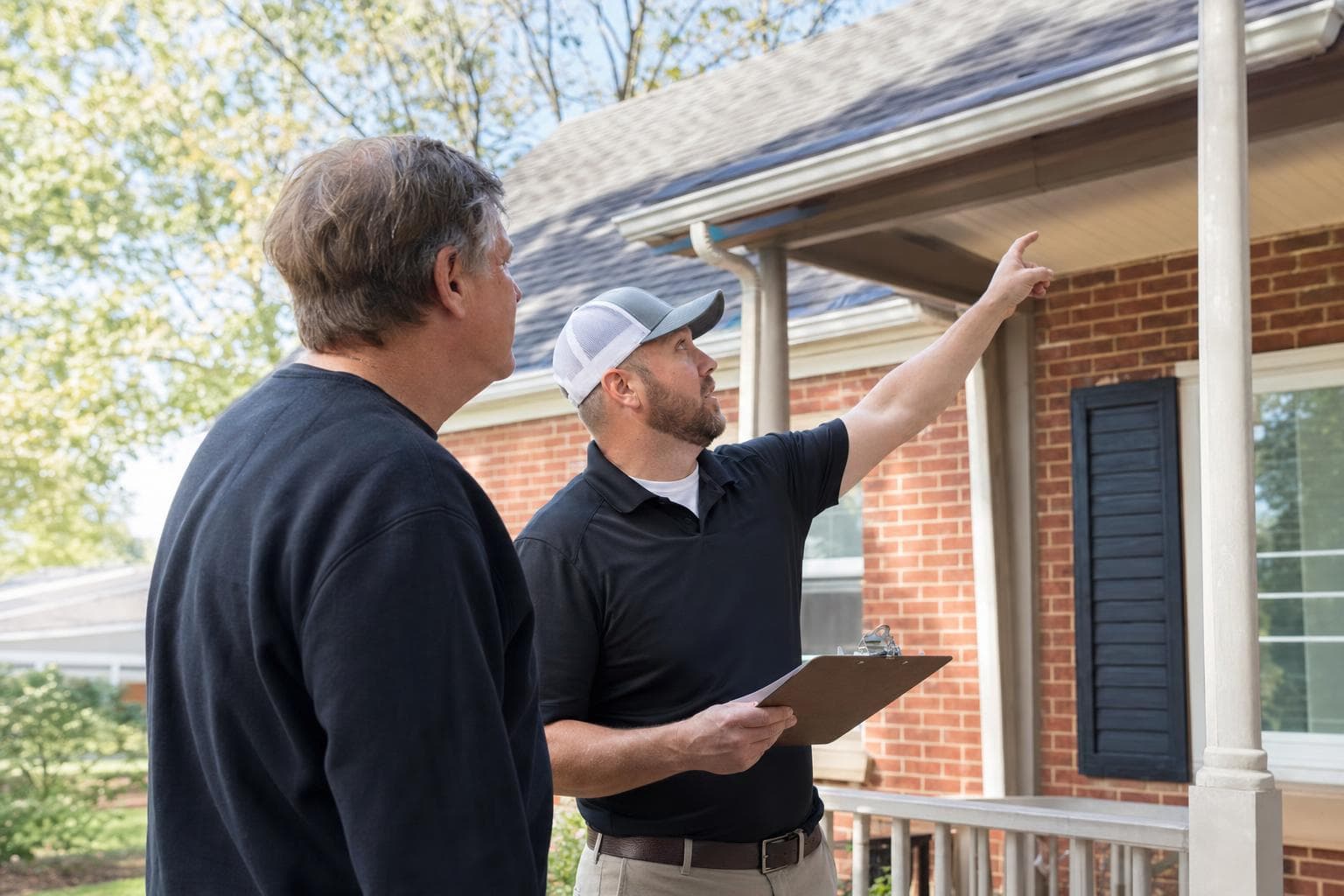
Start with the symptom, when it occurs, prior repairs, and any storm timing. A useful inspection should connect those clues to one or more failed components and explain whether adjacent roofing, flashing, fasteners, underlayment, and decking remain serviceable.
What a durable roof repair scope should cover
Roof repair is a diagnosis job before it is a construction job. The scope should identify the failed component, show how water or wind reached it, and explain whether the surrounding shingles, flashing, fasteners, and decking can support a durable tie-in.
Work the repair scope should include
- Leak tracing
- Missing or damaged shingle replacement
- Pipe boot and vent repair
- Flashing repair
- Valley and roof transition repair
- Small storm-damage repairs
Conditions that change repairability and cost
- How hard the leak is to trace
- Roof pitch and height
- Whether flashing or decking is damaged
- Whether matching shingles are available
- Whether the repair is urgent or after-hours
Questions to resolve before approving the repair
The best repair quote is specific enough to picture the work. It names what will be opened, replaced, reused, sealed, and documented, then explains what happens if concealed moisture or brittle surrounding material makes the original repair impractical.
Warning signs in a repair proposal
- A roofer recommends full replacement without showing why a repair will not hold
- The quote only says 'repair roof' without naming the leak source
- The contractor relies only on caulk or sealant for a major leak
- No photos are provided before and after the repair
Questions the repair scope should answer
- Where is the water entering?
- Is this a permanent repair or a temporary patch?
- Are nearby shingles, flashing, and decking still serviceable?
- What happens if the leak returns?
What roof repair costs
Most targeted roof repairs run about $450-$2,700 nationally. A single accessible component sits near the low end; a hard-to-trace path, steep access, multiple transitions, or wet decking moves the repair higher.
- Pipe boot / vent boot replacement
- One accessible penetration on a walkable roof; steep access costs more
- $250-$850
- Missing or wind-lifted shingles
- How many courses are involved and whether the color still matches
- $350-$1,600
- Valley leak repair
- Both slopes are opened and the water-shedding channel is restored
- $550-$3,300
- Repair with limited decking replacement
- Contained carpentry plus restoration of the roofing assembly above it
- $1,200-$7,500
Cost ranges are estimates developed from standardized project scopes and reviewed pricing inputs. Government labor and regional cost data are used where applicable. See our Pricing Methodology for the exact sources, calculations, and review date. Actual prices vary by property, scope, materials or equipment, location, and provider.
For size tables, worked examples, and the assumptions behind this range, open the roof repair cost guide.
How a durable roof repair is built
A repair should progress from evidence to a defined work area, not from a tube of sealant to a hopeful invoice. Each step narrows the failure and protects serviceable roofing around it.
- 1
Trace the failure
Work backward from the interior symptom or exterior damage to the actual entry point. Water can travel across decking and framing, so the ceiling stain alone does not establish where the roof failed.
- 2
Test the repair boundary
Inspect adjacent shingles or panels, flashing, penetrations, fasteners, underlayment, and accessible decking. A repair can hold only when new work can tie into material that is still serviceable.
- 3
Rebuild the failed detail
Open enough of the roof to replace damaged material and restore the water-shedding path. A permanent repair may require rewoven flashing, new underlayment, matching courses, or limited deck work rather than surface sealant alone.
- 4
Document and verify
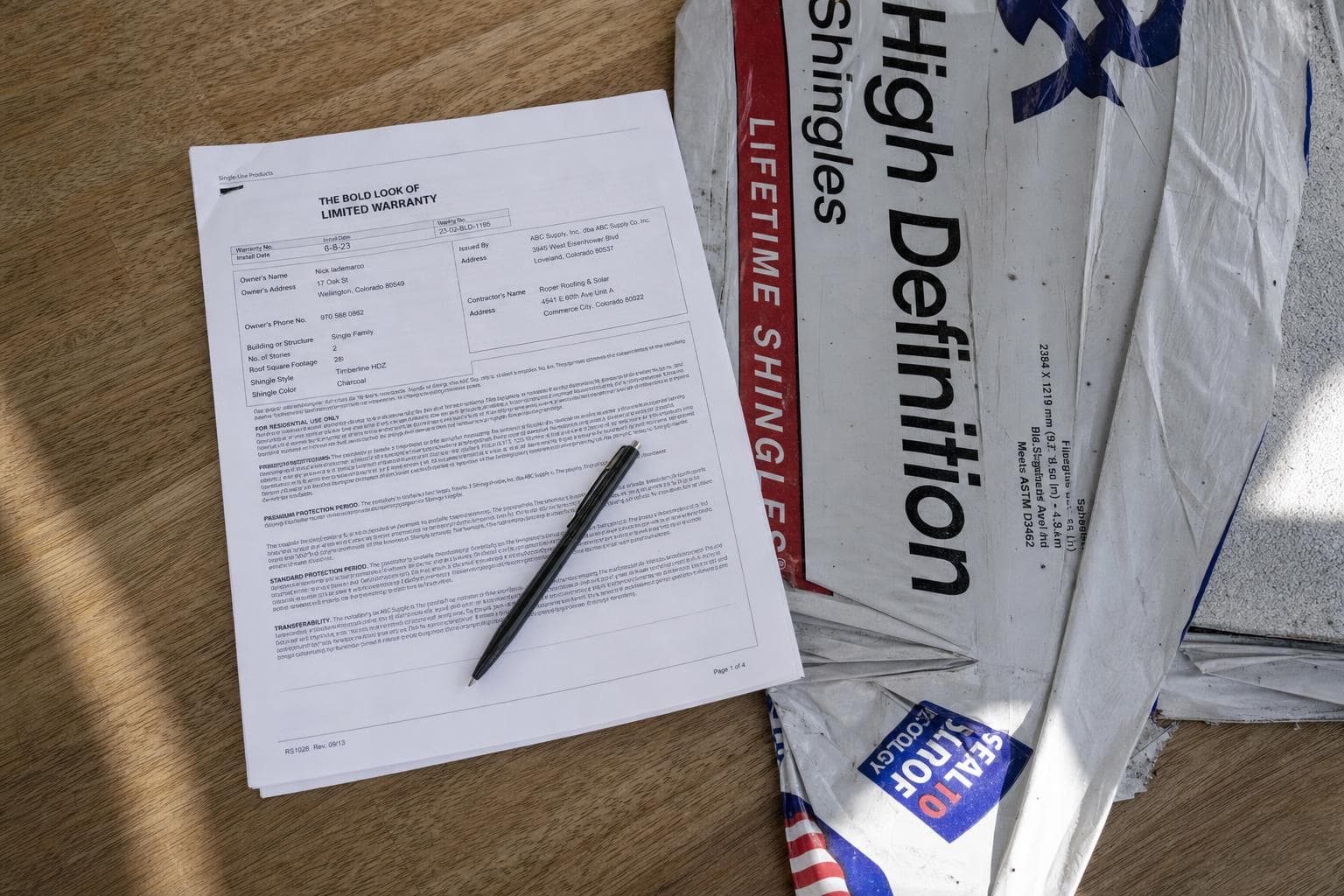
Photograph the opened condition and completed repair, clear debris, and explain what to watch after the next rain. The final record should also state the workmanship coverage and return process if water reappears.
Roof leak repair
A ceiling stain or an attic drip almost never starts where it shows, water travels along the deck before it appears inside. The fix is tracing the leak back to its real entry point, flashing, a valley, a pipe boot, a popped nail, or wind-driven rain getting past the shingles, sealing it, and checking the surrounding materials for hidden damage so the leak doesn't return with the next storm.
Why some roof repairs fail early
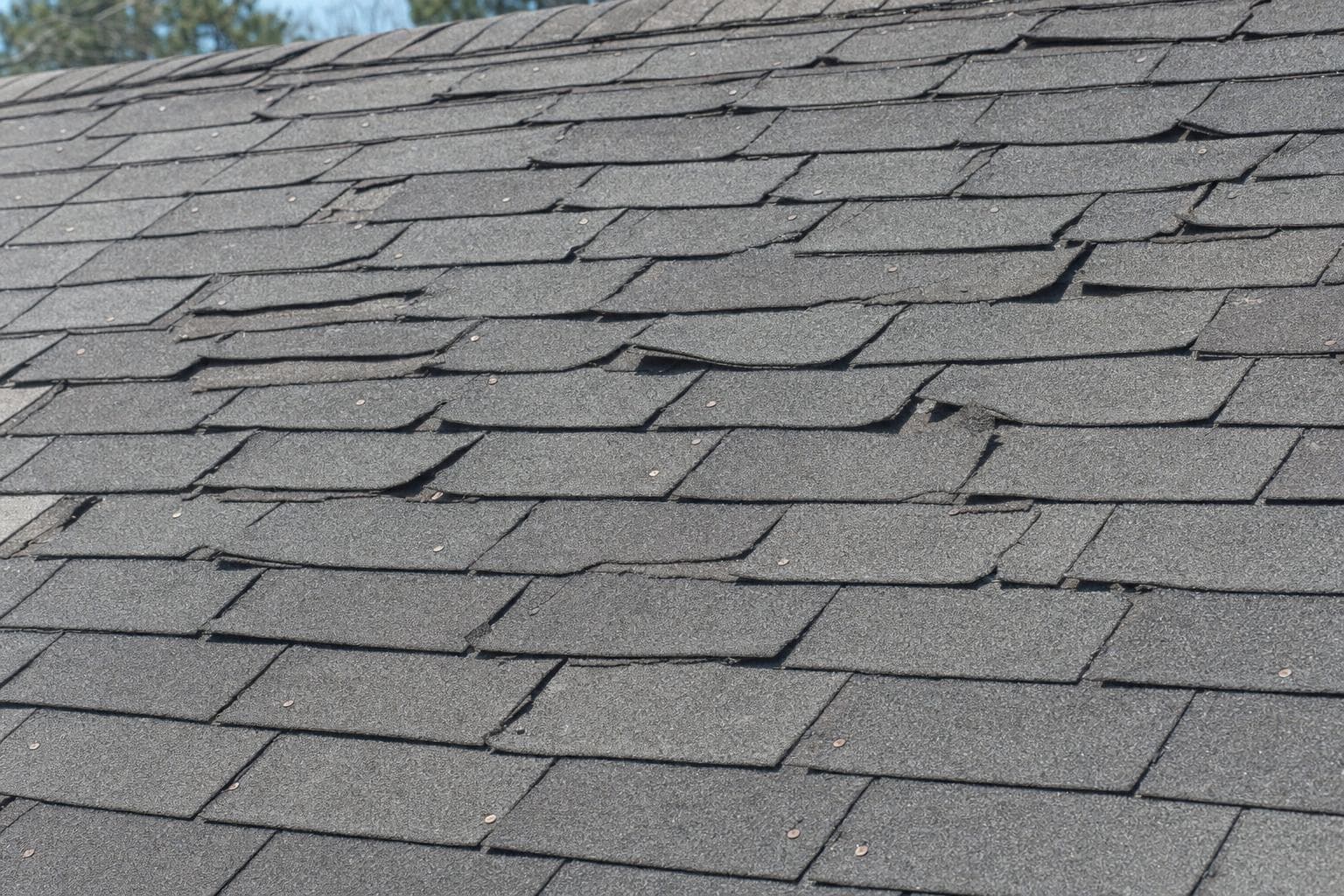
A repair usually fails because the visible symptom was patched without diagnosing the water path or the condition around it. Sealant over old flashing, a new shingle tied into brittle surrounding shingles, or a pipe boot replaced without checking wet decking can all look finished while leaving the original weakness in place. A durable repair should identify the failed component, open enough of the area to inspect what is underneath, replace damaged materials, and show how the repaired detail now drains water.
What a complete repair estimate should explain
The estimate should name the suspected source, the area that will be opened, the materials being replaced, and what happens if wet or damaged decking is found. It should also explain whether matching shingles are available, how adjacent flashing or penetrations will be handled, what workmanship coverage applies, and whether the rest of the roof is serviceable. That level of detail lets you compare repair approaches instead of choosing between two prices that may describe different work.
Common questions about roof repair
How much does a roof repair cost?+
Most targeted roof repairs run between $400 and $2,000, including work such as a pipe boot, flashing repair, or section of wind-lifted shingles. Accessible, single-point fixes sit near the bottom; hard-to-trace leaks, steep access, soaked decking, and emergency timing can move above the typical range. Our roof repair cost guide breaks down common repair types and the conditions that change the scope.
Should I repair or replace my roof?+
Repair when the problem is contained, one leak, a small group of shingles, or a flashing detail, and the surrounding roof can support a durable tie-in. Replacement deserves a closer look when failures are distributed, materials are brittle or unavailable, decking problems are widespread, or repairs keep returning in different areas. Ask the roofer to show which condition is present rather than using age or a fixed price threshold by itself.
How do roofers find a roof leak?+
By tracing it, not guessing. Water rarely enters directly above the ceiling stain, it travels along the decking first, so a roofer works from the interior evidence back to the real entry point: flashing, pipe boots, valleys, vents, skylights, or wind-lifted shingles. A repair that names the actual entry point holds; one that just seals the stain area comes back.
Will a roof repair stop the leak for good?+
A repair has the best chance of holding when it corrects the actual entry point and ties into serviceable surrounding materials. Ask the roofer to identify the source, explain what will be opened and replaced, document the completed detail, and state the workmanship coverage and return process if water appears again. No contractor can promise permanence without accounting for the condition around the repair.
Is roof repair covered by homeowner's insurance?+
Coverage depends on the cause of loss and the policy. Sudden damage from a covered event may be eligible, while age, wear, maintenance issues, and exclusions may be treated differently. Document the condition, compare the repair scope with the deductible, and ask the insurer to decide coverage rather than relying on a contractor's prediction.
Get a Roof Repair Quote
Call to discuss your roof repair and request a quote, or start by sharing your project details.