Updated July 27, 2026

3D Roofs Editorial Team
Editorial Standards
Roofing has no secret suppliers. Every contractor in your market buys shingles, underlayment, and labor from roughly the same pool at roughly the same prices. So when one bid lands thousands under the rest, the money didn't come from efficiency, it came out of the job. The only question is which part of the job, and whether you'll find out before or after it rains.
Where the money actually comes from
- Materials, economy shingle lines, bargain underlayment, cut-up field shingles standing in for starter and ridge. Same color from the street, different roof in a windstorm.
- Labor: confirm whether employees or subcontractors perform the work, who supervises them, whose insurance applies, and how workmanship responsibilities are documented. Nailing accuracy is the first casualty, and it's invisible until shingles release.
- Insurance, skipping real liability and workers' comp saves serious overhead. A ladder fall on an uninsured job can become the homeowner's problem.
- Scope, reused flashing, untouched ventilation, no decking allowance. The quote is smaller because the job is.
- The future, no warranty service department, sometimes no company by year three. Confirm the post-installation contact, workmanship-warranty administrator, response process, and business identity in writing.
How each cut bills you later
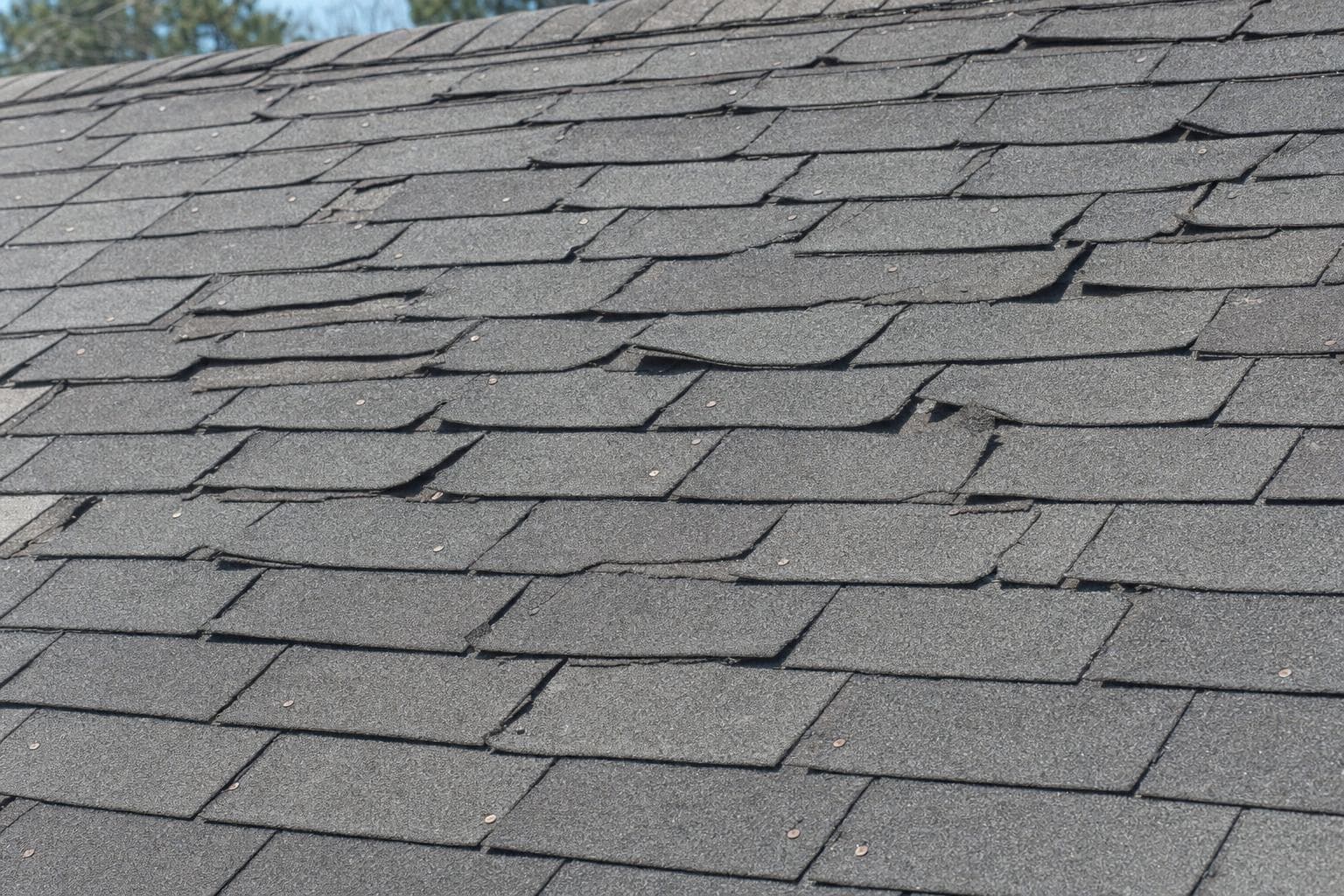
Reused flashing leaks at year three, outside any warranty that followed the crew out of state. Skipped ventilation cooks the new shingles into early failure the material warranty calls 'improper installation' and denies. High-nailed shingles release in the first serious windstorm, and the storm claim gets complicated by the workmanship underneath. An omitted component or responsibility can create later cost, but a low price does not prove an omission. Compare the complete written scope and model uncertainty instead of promising a future cost outcome.
When a low bid is legitimate
A lower bid may reflect scheduling, purchasing, overhead, crew availability, roof simplicity, or margin. Ask the contractor to explain the difference and put the complete scope in writing. The test is simple: make them specify. A legitimate low bidder names the same shingle line, carries the same insurance, prices decking per sheet, and writes the same warranty as the higher bids, the discount survives scrutiny. A corner-cutter's bid starts sprouting exceptions the moment you ask for specifics. Scrutiny is free; use it.
Talk to a roofer today
Planning ranges, scope details, and a direct path to request a roofing quote.
The fair way to buy
For an early budget on a roofing decision, compare the cost page with a proposal that identifies measurements, products, accessories, and exclusions. Compare scope, then warranty, then price, in that order. If budget is the constraint, compare scope changes and financing separately. Review APR, fees, total repayment, collateral, timing, and the construction contract without assuming borrowing creates a better financial result.
Turn the interview into a comparable written scope
A good answer in the kitchen is useful only if it appears in the proposal. After each contractor visit, compare the written documents line by line: product names, quantities, tear-off, deck assumptions, flashing, ventilation, protection, cleanup, permits, payment timing, change orders, and warranties. If one proposal is silent, do not assume the missing work is included. Ask for the revision before choosing a price or signing an authorization. For the low-bid review, circle every unanswered exclusion and require a written revision before treating the total as comparable.
- Verify the business identity, license where required, insurance, local address, and who will supervise the crew.
- Require exact product lines and system components instead of broad terms such as 'architectural shingle.'
- Define decking unit prices, change-order approval, and the evidence you will receive before concealed work proceeds.
- Put start conditions, material delivery, property protection, cleanup, inspections, and final payment in the contract.
- Separate manufacturer coverage, contractor workmanship responsibility, and any third-party warranty administration.
- For the low-bid review, list unresolved exclusions separately so a blank line cannot become a surprise change order.
Compare exclusions before comparing totals
Pressure-test a low bid by asking what it leaves out. Compare tear-off, deck allowances, underlayment, flashing replacement, ventilation, starter and ridge products, edge metal, penetrations, site protection, disposal, permits, supervision, and warranty responsibility. A low total may be legitimate when the scope is efficient and complete; it is risky when expensive decisions are deferred until the roof is open. Require product names, exclusions, unit prices, and change-order approval in writing before deciding the quote is actually cheaper.
Sources
Every roofing market has a going rate. A bid far below it isn't beating the market, it's hiding the difference somewhere on your roof.
Related reading and source material
Turn the sales conversation into a comparable scope: Cheap roofing quotes red flags
Require measurements, diagnosis, products, accessories, deck terms, flashings, ventilation or enclosure coordination, permits, cleanup, payment milestones, changes, exclusions, and warranties in writing. Another qualified contractor should be able to understand and price the same work. Apply that record to the cheap roofing quotes red flags decision and identify which property finding or written term would change the answer.
Additional reviewed references
Related roofing resources
Related services
Updated July 27, 2026
3D Roofs Editorial Team
Editorial Standards