

Updated July 10, 2026

3D Roofs Editorial Team
Editorial Standards
Arkansas roofing is shaped by a mix of severe storms, hail, heavy rain, and tornado risk. For you as a homeowner, that means roof decisions are often about damage prevention and claim readiness as much as curb appeal. The state also has a specific residential roofer registration path, so it helps to check whether your roofer holds the right Arkansas credential for the work they are doing.
9
Cities covered
12
Roofing services
22
AR guides
What homeowners run into on Arkansas roofs
Across the Arkansas markets we serve, roofers repeatedly see the same inspection patterns. If one of these shows up after a storm or a leak, start with documentation and an inspection before approving a full replacement quote.
- Tornado wind damage (high risk)
- Hail damage from spring storms
- Ice storm damage in winter
- Heat and humidity-aged shingles
- Tree debris from canopy
- Tornado wind damage
- Heat-aged shingles in summer
- Tree debris from Ozark canopy
What Arkansas weather does to roofs
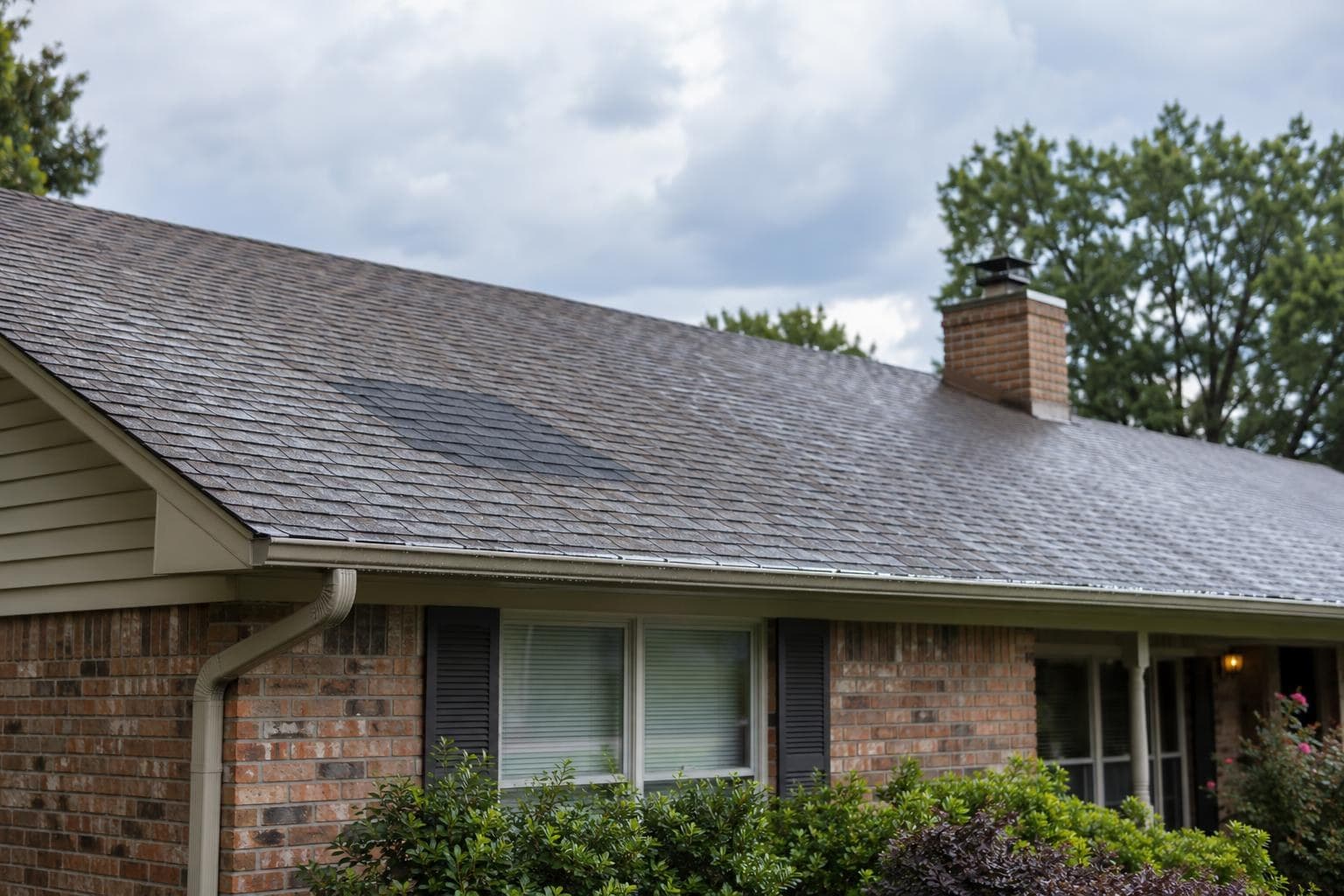
Arkansas roofs take a beating from fast-moving storm systems. Wind can lift shingles and loosen flashing. Hail can bruise or crack roofing materials. Heavy rain can turn small roof weaknesses into leaks, especially around penetrations, valleys, and roof edges. After a major storm, the biggest risk is rushing into repairs before you understand the damage, your deductible, and what your insurer needs for the claim.
Little Rock
Little Rock sits in a high tornado and hail corridor. The 2023 tornado caused major damage. Spring/summer storms bring hail, wind, and tornadoes.
Little Rock roofingFayetteville
Northwest Arkansas sees severe spring storms with hail and tornado risk, plus winter ice storms that damage aging shingles.
Fayetteville roofingJonesboro
Jonesboro, in northeast Arkansas, sits in a tornado and hail corridor, a 2020 tornado caused major damage. Severe spring/summer storms are routine.
Jonesboro roofingWhat roofing costs in Arkansas
Roof replacement cost in Arkansas depends on roof size, pitch, material, decking, ventilation, code requirements, and storm upgrades. The state cost guide gives you the broad range; your city page adds the local weather and market context.
Start with the right number.
Use the roof replacement cost guide for statewide pricing, then compare repair pricing when the roof may not need a full tear-off.
Materials that make sense in Arkansas
If you are considering Class 4 impact-resistant shingles in Arkansas, ask the carrier whether the exact product qualifies for a premium credit and what documentation it requires. The cited Arkansas guidance does not establish a statewide credit or amount, so treat any savings as policy-specific. A roofing contractor can provide product and installation records, but the insurer decides eligibility and any credit.
- Class 4 impact-resistant shingles for hail
- Architectural shingles with very high wind ratings
- Standing-seam metal for tornado performance
- Reinforced starter strips and ridge caps
Storm claims, deductibles, and insurance rules
Storm claims are shaped by state law, policy language, and the way contractors are allowed to work with insurance proceeds. These are the rules worth knowing before a claim turns into a signed roofing contract.
You can file a complaint with the state insurance department
The Consumer Services Division assists insurance consumers with complaints and inquiries regarding insurance companies, producers, and adjusters. It investigates complaints, works with the insurance company and the consumer, and can also help homeowners in storm-damaged areas with filing claims and procuring emergency living expenses.
Do not rush into a repair agreement after a storm
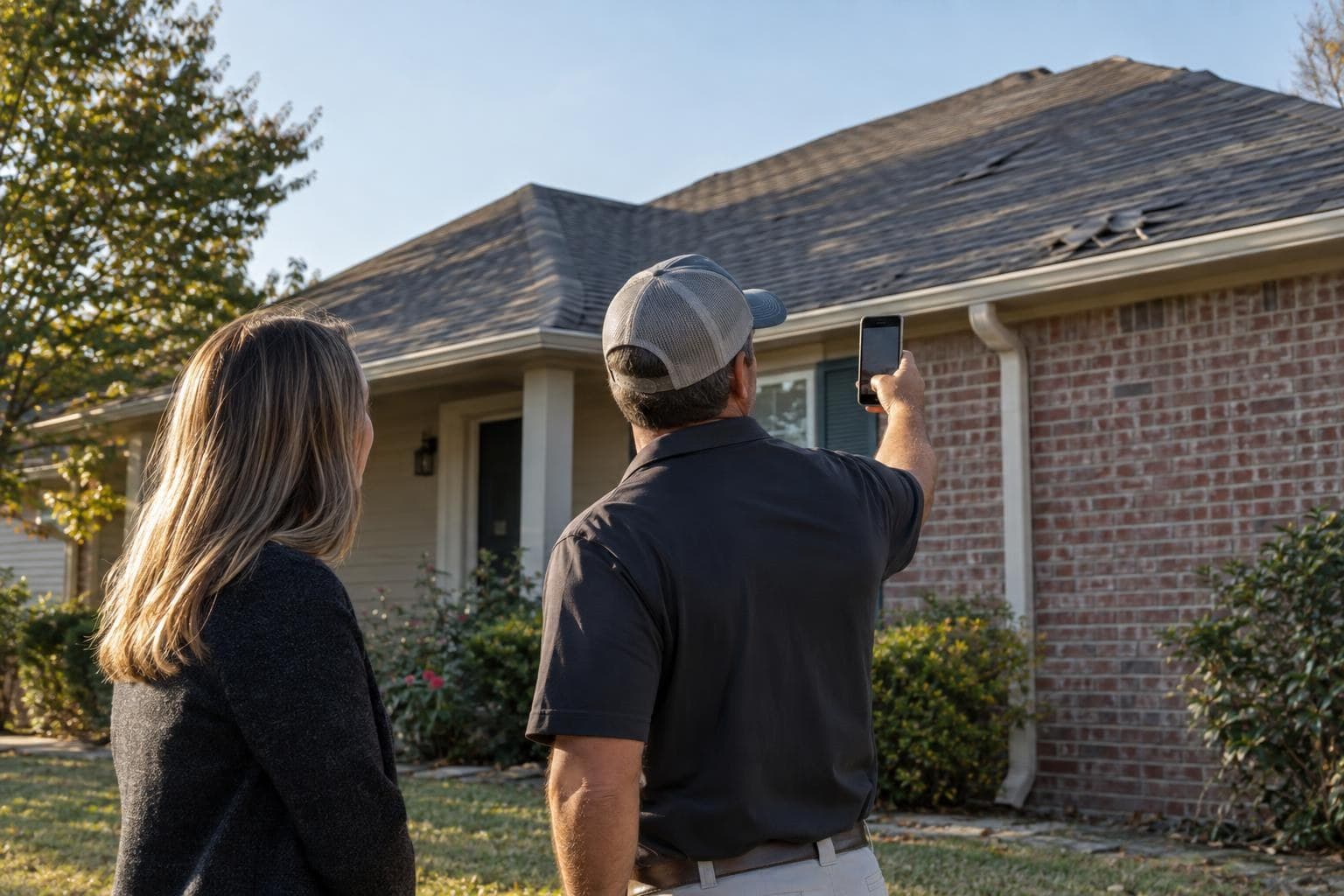
The Insurance Commissioner says your insurer will honor its policy, so there is no need for you to rush into an agreement with a contractor who solicits for repair without your request. The same consumer guidance says to have your roof inspected by a trusted roofing contractor, compare the damage to your deductible, and turn the claim in to your insurance carrier if the damages are much larger than your deductible.
Replacement cost payment can depend on finishing the work on time
State post-storm guidance says replacement cost policies require the work to be completed within six months of the date of loss in order to receive the replacement cost payments that were withheld.
Protect the property, document damage, and save receipts
State post-storm guidance tells you to take photos or video of the damage, avoid throwing damaged items away unless your insurance company tells you to, make necessary temporary repairs to prevent further damage, wait on permanent repairs until the property is inspected and you have reached agreement on repair cost, and save receipts, including receipts from temporary repairs that might be covered by your policy.
Roofers, roofing contractors, and roofing companies in Arkansas
In Arkansas, you should verify your roofer through the Arkansas Contractors Licensing Board's contractor lookup before work starts. The state says you can "Find A Licensed Contractor," and its post-storm consumer guidance says you can contact the Arkansas Contractors Licensing Board to make sure the contractor has a valid license to do business in the state and that they carry liability insurance. For roofing-specific work on a single-family residence, the licensing page says a "Residential Roofer Registration" is needed for "Roofing, Roof Decks, Roofing Sheet Metal" projects more than {{PRICE_UNAVAILABLE}}, including but not limited to, labor and material, unless the contractor already holds a Residential Builders or Residential Remodelers License. You should also get more than one bid, check references and phone numbers, avoid anyone offering to waive your deductible or promise a rebate, avoid paying upfront, and never sign a contract with blank spaces.