Updated July 10, 2026

3D Roofs Editorial Team
Editorial Standards
When you need roof leak repair
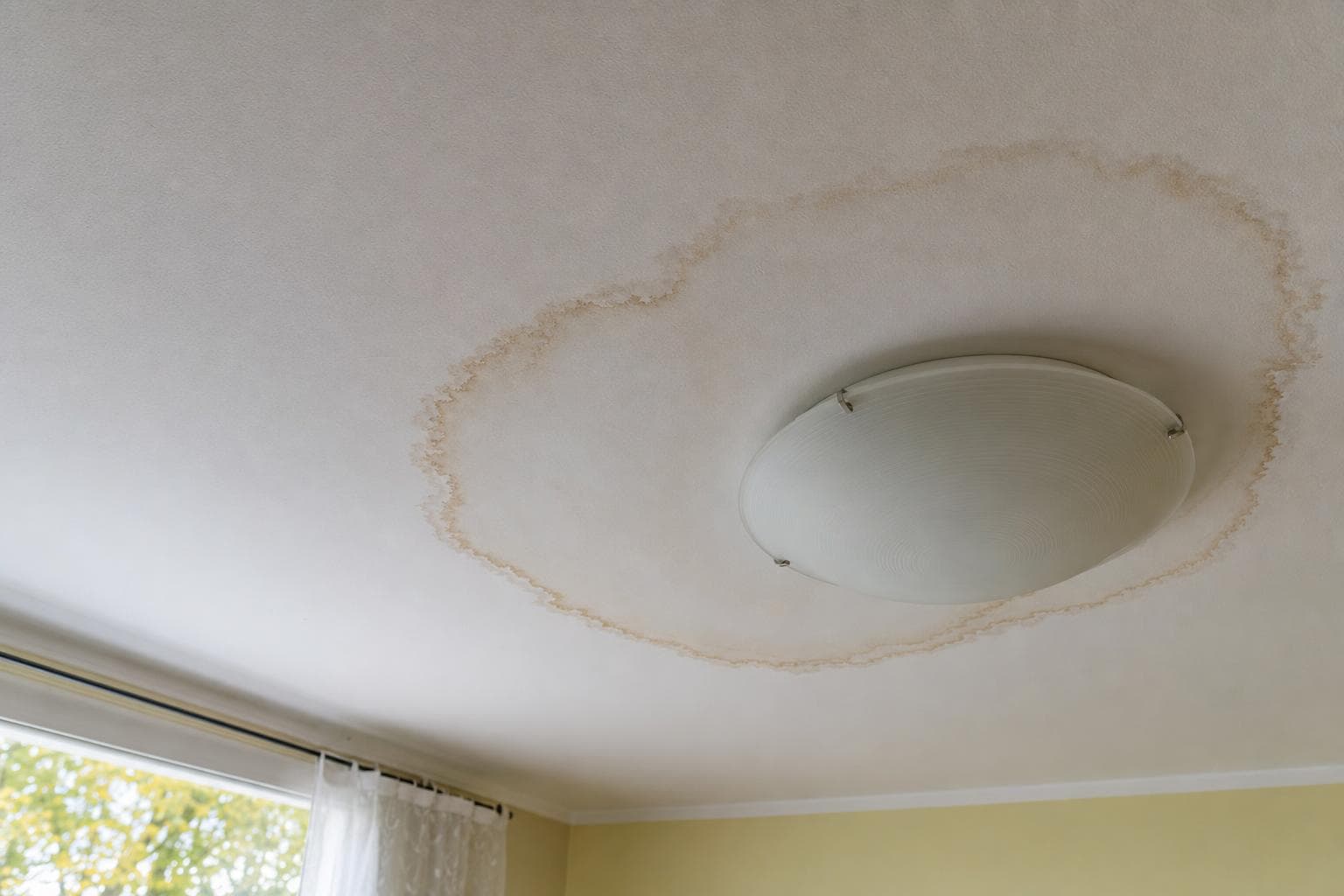
A roof leak repair starts with the question the ceiling can't answer: where is the water actually getting in? Water travels along the decking before it shows up inside, so the stain is almost never directly below the entry point. The repair itself, a new pipe boot, rewoven flashing, a re-lined valley, is often quick; what you're really paying for is tracing the leak to its true source and confirming the surrounding materials are still sound, so it holds through the next driven rain.
Record when the leak appears, which rooms or attic areas are affected, wind direction or rainfall intensity, and any earlier patches. Those clues help test flashing, penetrations, valleys, edges, and roofing above the stain before the repair is priced.
What a roof leak diagnosis and repair should cover
Leak repair should answer three questions in order: where water enters, how far it traveled, and whether the materials around that path remain sound. Skipping any of them turns a repair into a short-lived patch.
Work the leak scope should include
- Interior leak review
- Attic moisture check when accessible
- Flashing, pipe boot, vent, valley, skylight, and shingle inspection
- Leak source repair
- Surrounding material check
Conditions that change diagnosis and cost
- Leak location
- Roof accessibility
- Whether water reached decking or insulation
- Whether the leak is from flashing, a penetration, or storm damage
- Whether temporary tarping is needed first
Questions to resolve before the roof is closed
Compare leak proposals by the entry point they identify and the detail they plan to rebuild. A quote that only promises to seal the leak does not tell you whether the roofer checked flashing, pipe boots, valleys, walls, skylights, vents, or wet decking.
Warning signs in a leak proposal
- The contractor quotes a leak repair without looking above the leak path
- They only seal the visible stain area
- They cannot explain the actual entry point
- They do not check surrounding materials for hidden damage
Questions the diagnosis should answer
- What caused the leak?
- How do you know that is the entry point?
- Will this repair hold through heavy rain?
- Is the rest of the roof still in good shape?
What roof leak repair costs
A leak repair commonly lands around $450-$2,700 nationally, but the ceiling stain does not set the price. The entry point, roof access, material removed to expose it, and moisture found underneath determine the scope.
- Pipe boot / vent boot replacement
- One accessible penetration on a walkable roof; steep access costs more
- $250-$850
- Flashing repair at a wall or vent
- The transition is opened and correctly rebuilt, not just caulked over
- $400-$2,100
- Valley leak repair
- Both slopes are opened and the water-shedding channel is restored
- $550-$3,300
- Chimney or skylight flashing
- These transitions require careful opening, flashing, and tie-in work
- $850-$4,750
Cost ranges are estimates developed from standardized project scopes and reviewed pricing inputs. Government labor and regional cost data are used where applicable. See our Pricing Methodology for the exact sources, calculations, and review date. Actual prices vary by property, scope, materials or equipment, location, and provider.
For size tables, worked examples, and the assumptions behind this range, open the roof leak repair cost guide.
How roof leak diagnosis becomes a repair
The visible drip is evidence, not the source. A methodical leak repair follows the water path, exposes the failed detail, restores drainage, and checks the result after the roof is closed.
- 1
Map the interior evidence
Record stains, active drips, attic moisture, wet insulation, and the conditions that trigger the leak. Wind direction and rainfall intensity can help distinguish a field leak from a flashing or transition problem.
- 2
Inspect uphill from the symptom
Check penetrations, walls, valleys, laps, fasteners, shingles, panels, and prior repairs above and beside the visible stain. The source may sit several feet from where water reaches the room.
- 3
Repair the entry point
Remove enough roofing to rebuild the failed detail and replace water-damaged materials. The finished assembly should shed water by shape and layering, with sealant supporting the detail rather than serving as the entire detail.
- 4
Confirm the surrounding roof
Document the repair and note whether nearby roofing remains flexible, fastened, and dry enough to support it. If not, the homeowner should see why a wider repair or replacement is being recommended.
Common roof leak sources
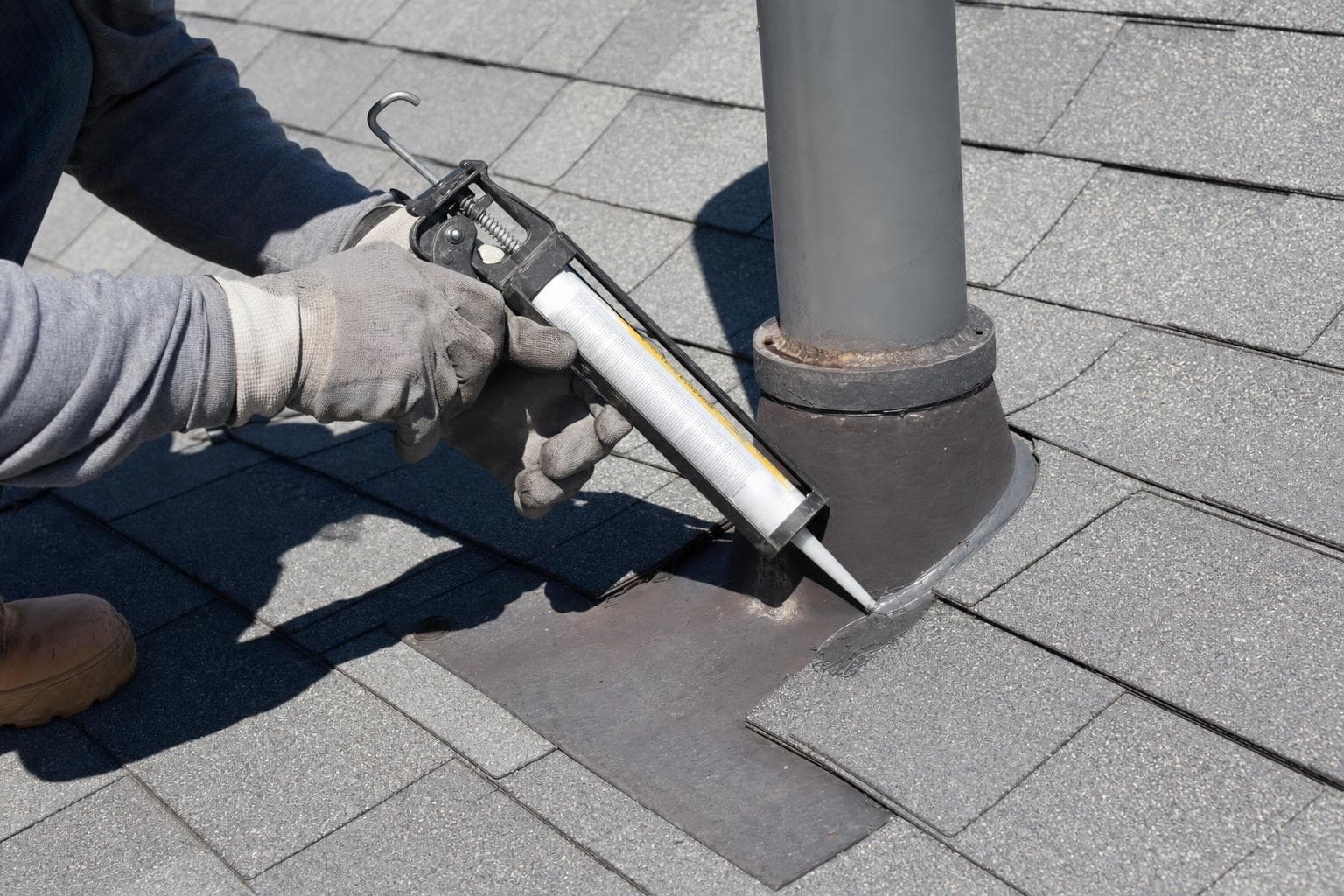
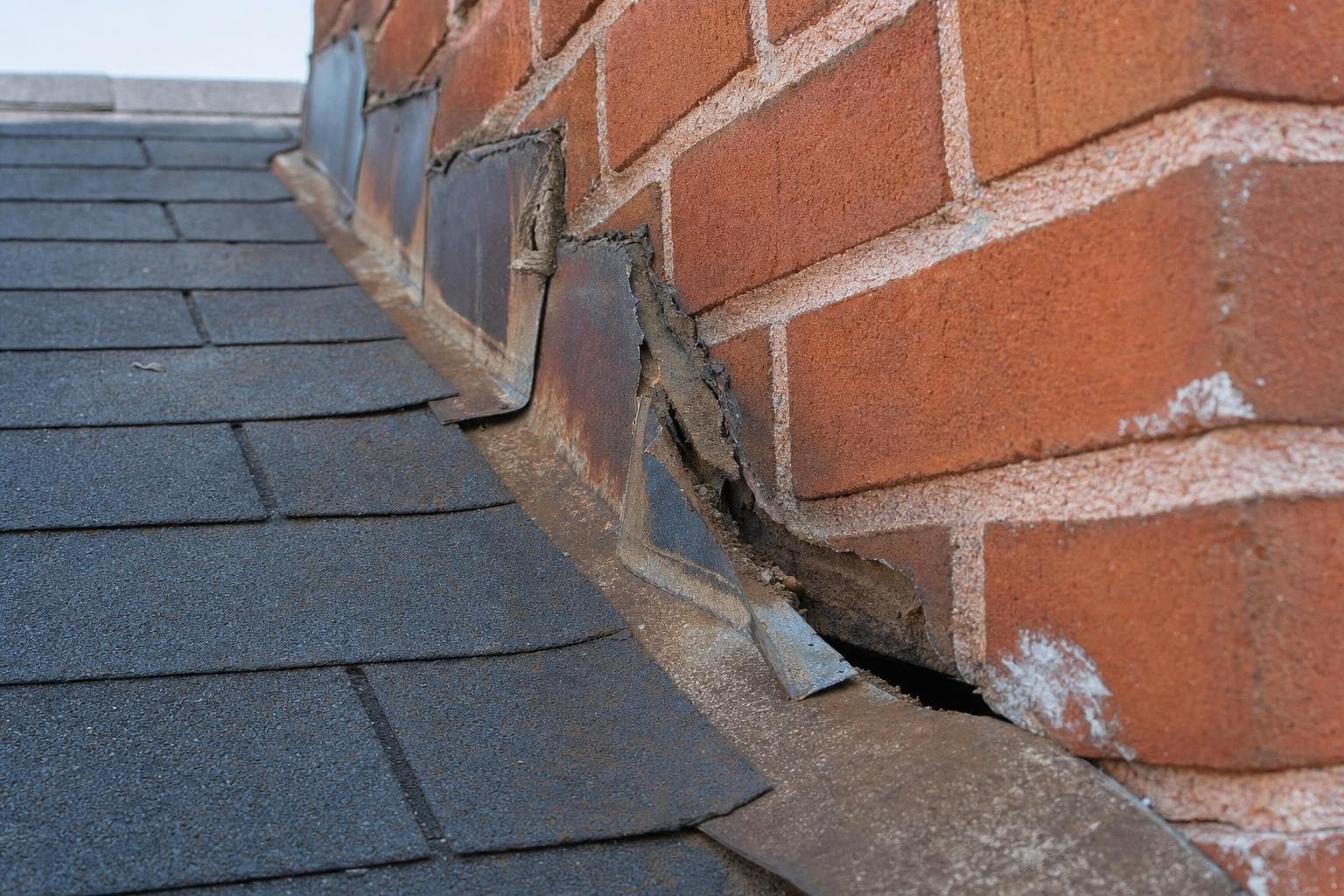
Most roof leaks come from weak transition points, not the open field of shingles. Pipe boots crack, flashing separates, valleys collect water, vents loosen, skylights fail, and wind can lift shingles just enough for rain to get underneath. A good leak repair finds the actual entry point instead of smearing sealant where the stain appears.
When a leak means replacement
A single leak on a newer roof is usually a repair. Multiple leaks, brittle shingles, widespread granule loss, soft decking, or repeated storm damage can make replacement the smarter choice. The goal is to stop the leak without selling a full roof unless the roof is already near the end of its life.
Common questions about roof leak repair
How much does roof leak repair cost?+
Most roof leak repairs run $400–$2,000, priced by the entry point a roofer has to reach rather than the drip you see inside. Pipe boots and accessible flashing sit near the bottom; skylights, chimneys, steep access, and leaks that have soaked decking can move above the typical range. Our roof leak repair cost guide breaks down where common sources land.
Why is my roof leaking when the shingles look fine?+
Because most leaks come from the transitions and penetrations, flashing, pipe boots, valleys, vents, skylights, not the open field of shingles. Wind-driven rain also gets past shingles that lifted once and never resealed. The field can look perfect from the ground while the actual entry point is a cracked rubber boot you can't see.
How do roofers find where a leak is coming from?+
They work uphill from the evidence. The stain inside and the water trail in the attic point to where water exits the structure; the entry point is always at or above that, so the roofer inspects the flashing, boots, valleys, and shingles above the leak path. A repair that names the real entry point holds; one that seals the stain area comes back.
Can a roof leak be fixed while it's still raining?+
Active intrusion can be slowed or stopped with emergency tarping or a temporary seal, but the permanent repair usually waits for a dry roof, shingle sealants and flashing work need dry conditions to bond. Protect the home now, fix it properly when the weather clears.
Does a roof leak mean I need a new roof?+
Not by itself. One identified leak on a serviceable roof may be repairable. Replacement deserves a closer look when leaks occur in different areas, the surrounding material is brittle or unavailable, decking problems are distributed, or the roof cannot accept a durable repair.
Get a Roof Leak Repair Quote
Tell a roofing contractor where you see water and ask about leak repairs. Call now or start a quote request.