

Updated July 10, 2026

3D Roofs Editorial Team
Editorial Standards
Roofing in Nebraska is shaped by storm season, fast weather swings, and the way insurance claims often unfold after hail or wind hits. For you as a homeowner, that means two things matter most: documenting damage early, and choosing a local roofing contractor with verified credentials who understands repair timing, inspections, and insurer paperwork. Nebraska also treats contractor registration as a separate issue from workmanship, so you should verify registration and still do your own screening before you sign anything.
7
Cities covered
12
Roofing services
24
NE guides
What homeowners run into on Nebraska roofs
Across the Nebraska markets we serve, roofers repeatedly see the same inspection patterns. If one of these shows up after a storm or a leak, start with documentation and an inspection before approving a full replacement quote.
- Frequent hail damage from spring storms
- Tornado wind damage
- Snow load and ice damming
- Freeze-thaw aging
- Heat-aged shingles
- Tornado wind damage (high risk)
- Hail bruising and granule loss from severe spring and summer supercells
- High straight-line winds lifting shingles and stripping ridge caps
What Nebraska weather does to roofs
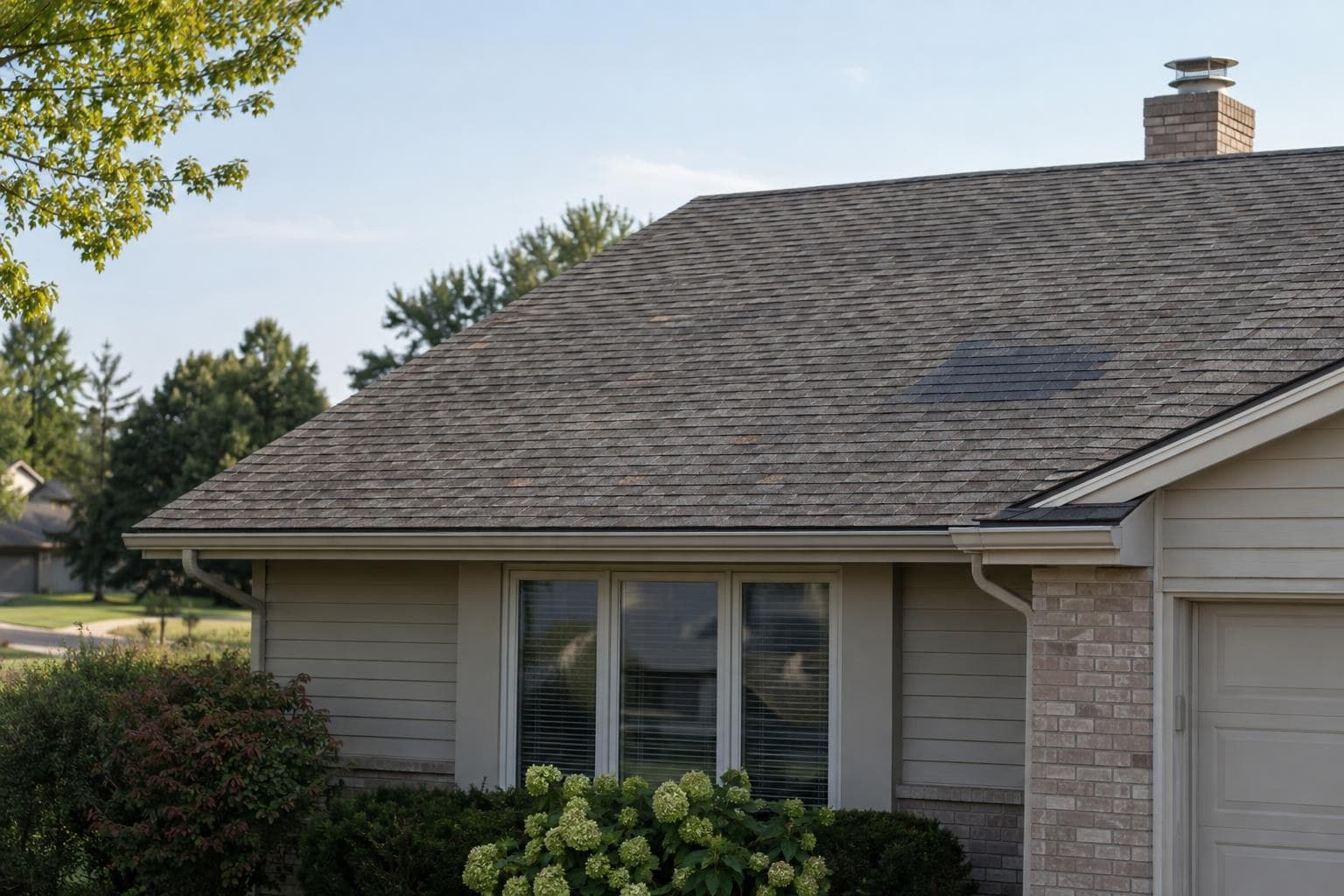
Nebraska roofs take repeated exposure from hail, strong wind, heavy rain, snow, ice, and sharp temperature changes. That mix can shorten shingle life, loosen flashing, damage gutters, and turn small storm hits into leaks if repairs wait too long. After a storm, your best move is to document what you see, stop further damage with temporary protection if needed, and have your roofer inspect the full roofing system, not just the obvious trouble spots.
Omaha
Omaha sits in the Great Plains severe storm corridor with significant hail and tornado risk. Spring/summer storms bring damaging hail, wind, and tornadoes.
Omaha roofingLincoln
Lincoln shares the Great Plains severe storm profile, frequent hail, tornado risk, and harsh winters.
Lincoln roofingGrand Island
Grand Island sits in the Great Plains severe storm corridor, a 1980 tornado outbreak was historic. Significant hail and tornado risk plus harsh winters.
Grand Island roofingWhat roofing costs in Nebraska
Roof replacement cost in Nebraska depends on roof size, pitch, material, decking, ventilation, code requirements, and storm upgrades. The state cost guide gives you the broad range; your city page adds the local weather and market context.
Start with the right number.
Use the roof replacement cost guide for statewide pricing, then compare repair pricing when the roof may not need a full tear-off.
Materials that make sense in Nebraska
Nebraska homeowners should at least ask about impact resistant shingles when replacing a storm-damaged roof. The Nebraska Department of Insurance says that when rebuilding, you should consider using materials that will resist damage such as impact resistant shingles or siding, and that insurance companies may offer discounts on insurance for these resistant materials. If you are considering a Class 4 roof, ask your carrier what discount, if any, applies to your specific policy, because carriers set their own discounts.
- Class 4 impact-resistant shingles (highly recommended)
- Standing-seam metal for hail and storm performance
- Ice and water shield at eaves
- Reinforced starter strips for high wind
Storm claims, deductibles, and insurance rules
Storm claims are shaped by state law, policy language, and the way contractors are allowed to work with insurance proceeds. These are the rules worth knowing before a claim turns into a signed roofing contract.
Report damage quickly and keep a paper trail
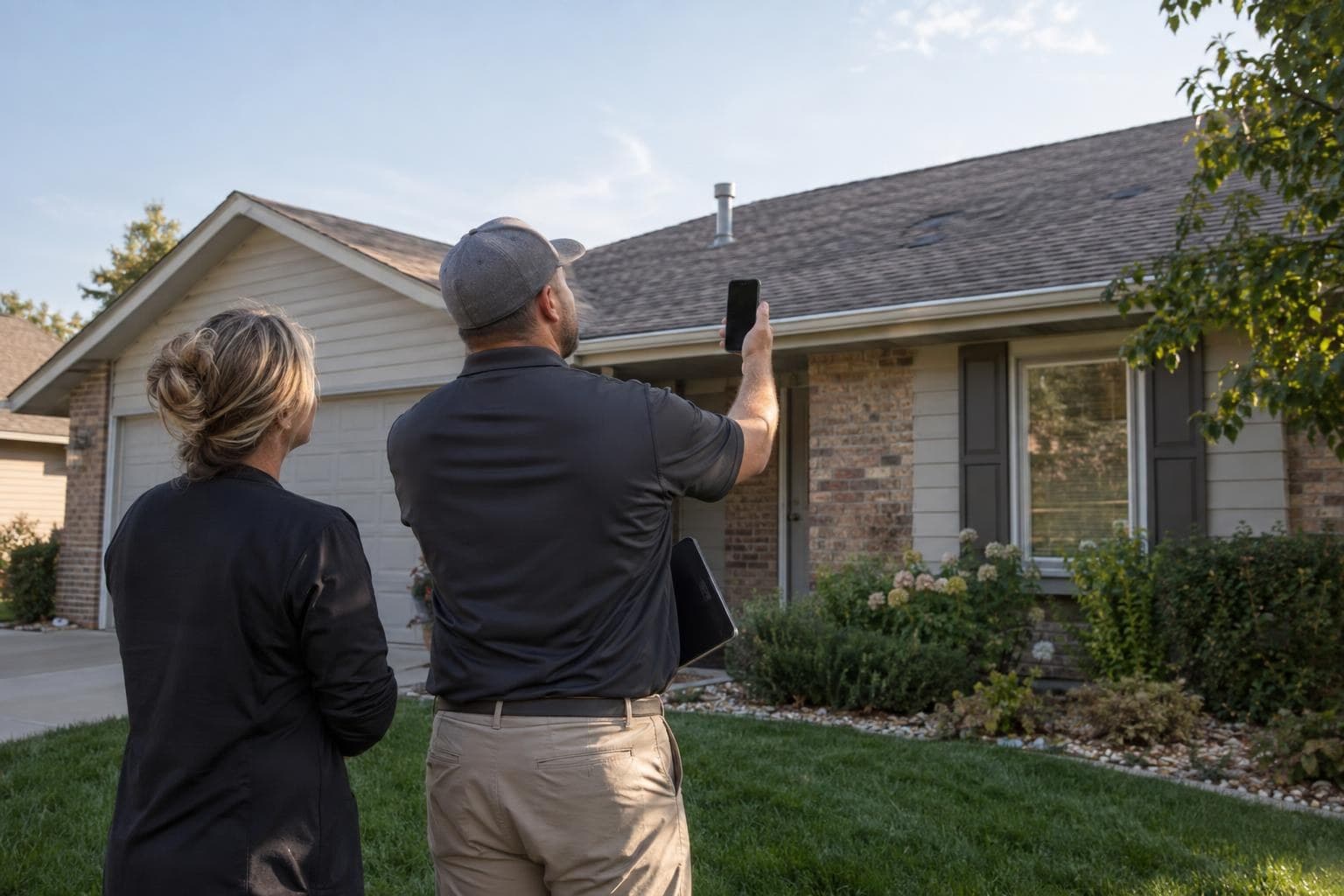
The Nebraska Department of Insurance says to report damages as soon as possible and keep a log of all communications, including names, dates, and topics discussed. It also says to take photos and videos and make a detailed list of damaged or destroyed items.
Use temporary protection, not permanent repairs before the adjuster sees it
The Nebraska Department of Insurance says you should make only temporary repairs to prevent additional losses, save receipts for reimbursement, and not make any permanent repairs until an adjuster inspects the damage.
Be careful with contractors and do not sign before talking with your insurer
The Nebraska Department of Insurance says to be present during inspections, use trusted contractors, avoid paying in full upfront, and, in its words, "DO NOT SIGN ANYTHING UNTIL YOU TALK WITH YOUR INSURANCE COMPANY."
Claim payments may come in stages
The Nebraska Department of Insurance says claims may be paid in parts, including an initial emergency advance followed by payments for property and repairs. It also says structure-related payments may include your mortgage company and be released in stages.
Roofers, roofing contractors, and roofing companies in Nebraska
In Nebraska, contractor registration matters, but it is not a quality guarantee. The Nebraska Department of Labor says all contractors doing business in Nebraska must register with the Nebraska Department of Labor, and it also says registration does not ensure quality of work or protect against fraud. For you, that means you should confirm your roofer is registered, then still ask clear questions about scope, materials, cleanup, who will be on site, and how change orders will be handled. You should also follow the Nebraska Department of Insurance guidance to use trusted contractors, be present during inspections, avoid paying in full upfront, and avoid signing anything before you talk with your insurance company.