Updated July 27, 2026

3D Roofs Editorial Team
Editorial Standards
If your roof damage is isolated and the rest of the system is still in solid shape, repair usually makes sense. If damage is widespread, the roof is older, or the repair bill starts getting too close to replacement cost, replacement is often the better long-term move. In Nebraska, that decision matters more because roofs here take repeated exposure from hail, strong wind, heavy rain, snow, ice, and sharp temperature changes. That mix can shorten shingle life, loosen flashing, damage gutters, and turn small storm hits into leaks if repairs wait too long.
Should you repair or replace your roof in Nebraska?
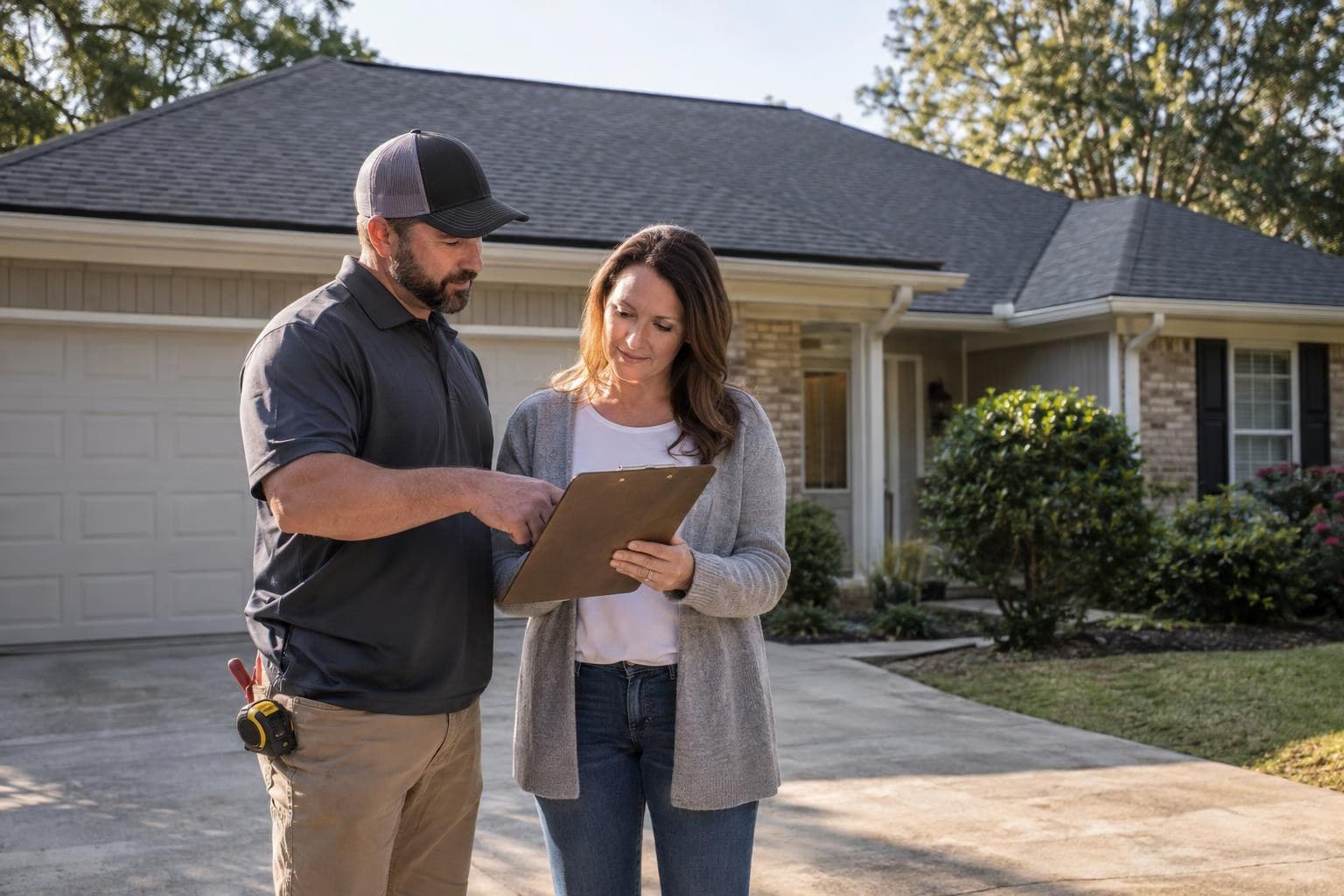
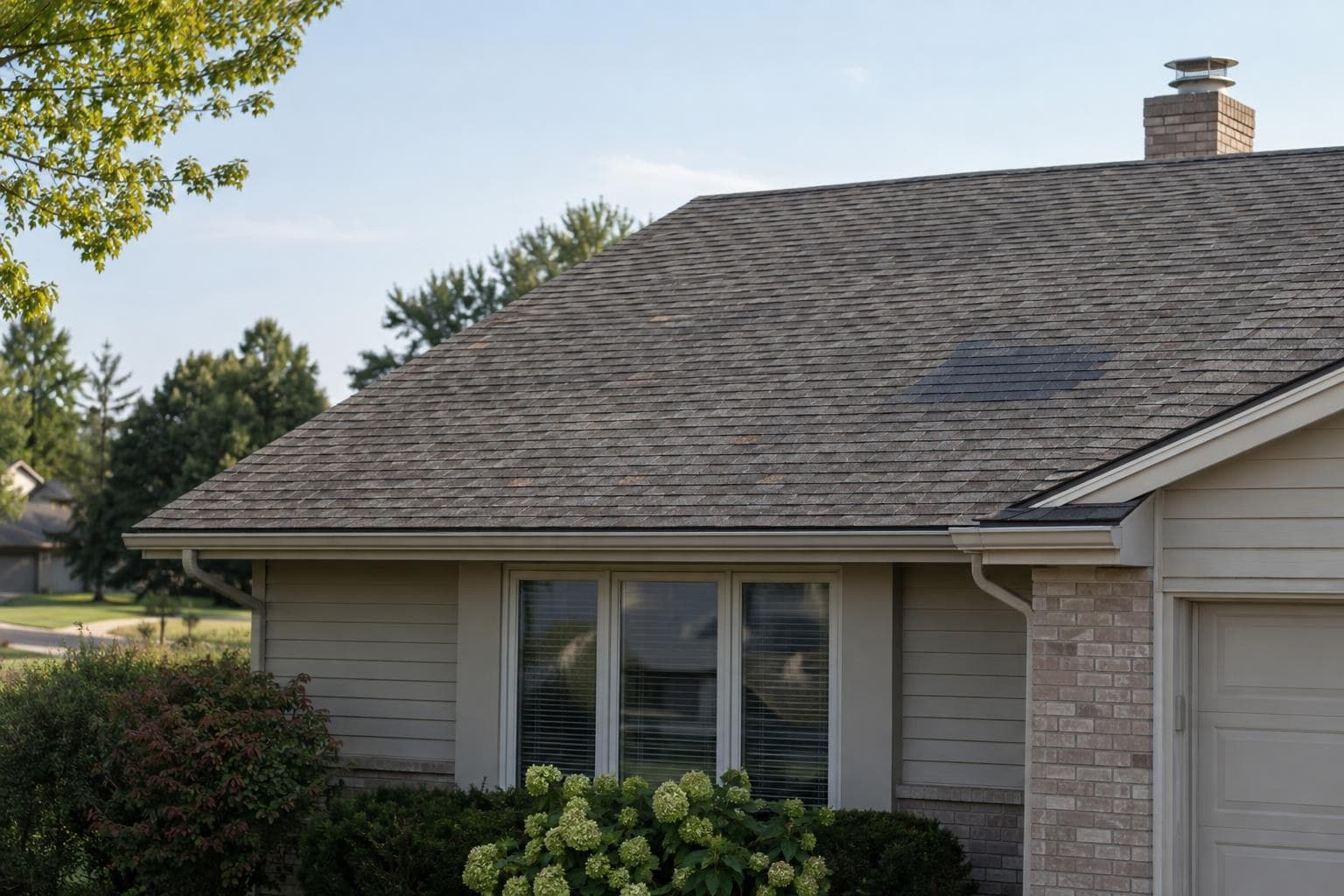
Start with the simplest answer: repair isolated damage, replace widespread damage. A few missing shingles, limited flashing damage, or a small leak tied to one area can often be fixed without replacing the whole roof. For a repair-versus-replacement decision in Nebraska, compare a diagnosed repair scope with a measured replacement proposal; both should identify affected slopes, flashing, deck conditions, and exclusions. But if you have storm hits across multiple slopes, repeated leaks, widespread granule loss, soft decking, or visible damage to shingles, flashing, vents, and gutters in several areas, replacement is usually the cleaner fix. Before approving a repair-versus-replacement decision in Nebraska, have the bidder connect timing to roof complexity, crew access, material handling, weather, inspections, and concealed conditions.
How much damage is too much to repair?
For roof repair vs replacement in Nebraska, do not use a fixed damage percentage as the decision rule; compare the repairable area, roof condition, material availability, code requirements, and written scopes. Base the repair decision in Nebraska on mapped damage, remaining roof condition, material compatibility, water-control details, and repair history rather than a percentage shortcut. In Nebraska, storms do not always damage just one slope. Hail and wind can hit ridges, valleys, exposed faces, flashing, and gutters at the same time. When that happens, a repair can leave you paying to fix the obvious problems now while hidden weak spots show up later.
- Repair makes more sense when damage is limited to one area
- Replacement makes more sense when multiple slopes or components are damaged
- If a repair would leave old, brittle shingles tied into new materials, ask whether that patch is likely to hold up
- If leaks have shown up more than once after storms, replacement is often the safer investment
Does the age of your roof change the answer?
Yes, age changes the answer because older roofing materials are harder to match, more brittle to work with, and closer to the end of their useful life. Even when the visible damage looks isolated, an older roof may not handle another Nebraska storm cycle well. If your roofer has to disturb surrounding shingles to make a repair, older materials can crack during the process. In that case, a repair may solve one problem while creating another weak point nearby. If your roof is already showing broad wear across the field, not just at one trouble spot, replacement is usually the better use of your money.
Talk to a roofer today
Planning ranges, scope details, and a direct path to request a roofing quote.
How does Nebraska weather affect the repair vs replacement decision?
Nebraska weather pushes many roofs from repair into replacement faster than homeowners expect. Repeated hail, strong wind, heavy rain, snow, ice, and sharp temperature changes can stack damage over time. A roof that looks only mildly storm-damaged from the ground may have loosened flashing, bruised shingles, lifted tabs, or water entry points that are not obvious until a full inspection. That is why, after a storm, your best move is to document what you see, stop further damage with temporary protection if needed, and have your roofer inspect the full roofing system, not just the obvious trouble spots.
When is replacement the better value?
Replacement is the better value when a repair is just buying short time on a roof that is already worn, widely damaged, or likely to need more work after the next storm. Check current Nebraska cost data for a repair-versus-replacement decision in Nebraska, then replace the range with an assembly-specific proposal based on measured conditions. If your repair is substantial and the rest of the roof is not far behind, putting that money toward full replacement often gives you a more durable result and a cleaner insurance and maintenance path.
Those tools can help you frame the replacement side of the decision before you commit to another repair.
Should you choose Class 3, Class 4, or metal if you replace?
For many Nebraska homeowners, Class 4 is worth asking about after storm damage. The Nebraska Department of Insurance says that when rebuilding, you should consider using materials that will resist damage such as impact resistant shingles or siding, and that insurance companies may offer discounts on insurance for these resistant materials. A Class 4 rating does not establish a policy credit in Nebraska; the carrier and policy determine eligibility, documentation, and savings. If you are considering a Class 4 roof, ask your carrier what discount, if any, applies to your specific policy, because carriers set their own discounts. Class 3 can be the lower upfront price option, while standing seam can make sense if you want a different material profile and are budgeting for it.
What should you do right after storm damage in Nebraska?
Report the damage quickly, protect the home temporarily if needed, and keep a clear paper trail. The Nebraska Department of Insurance says to report damages as soon as possible and keep a log of all communications, including names, dates, and topics discussed. It also says to take photos and videos and make a detailed list of damaged or destroyed items. The same guidance says you should make only temporary repairs to prevent additional losses, save receipts for reimbursement, and not make any permanent repairs until an adjuster inspects the damage.
- Take clear photos and videos from the ground if it is safe
- Write down the date of the storm and the damage you noticed
- Use temporary protection only if needed to stop further damage
- Save receipts for any temporary materials or emergency help
- Be present during inspections and keep notes on who said what
- Do not sign anything before talking with your insurance company
How do you choose the right roofer for a repair or replacement?
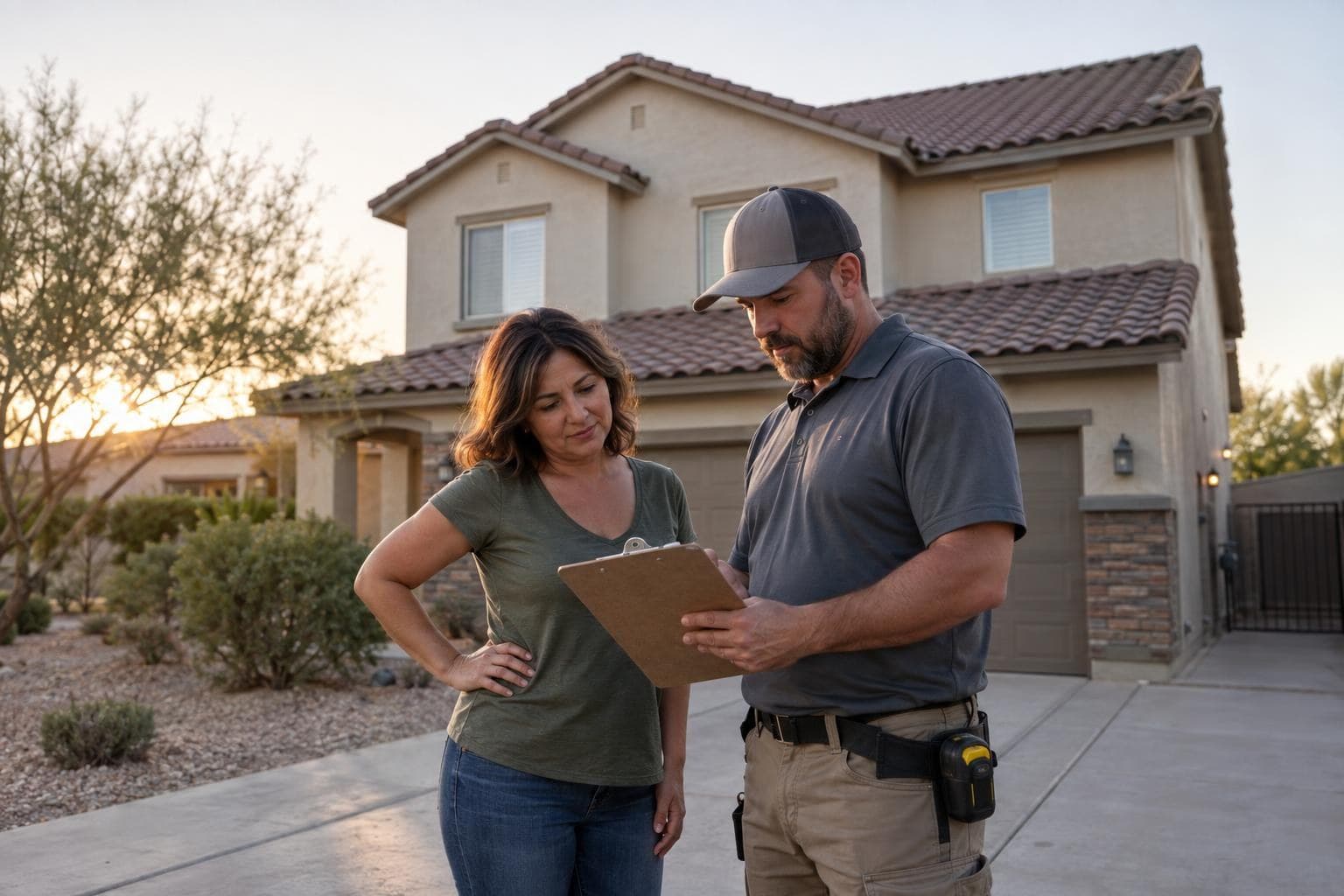
Choose a roofer whose credentials and written scope you checked, confirm contractor registration, and ask direct questions about the work. In Nebraska, contractor registration matters, but it is not a quality guarantee. The Nebraska Department of Labor says all contractors doing business in Nebraska must register with the Nebraska Department of Labor, and it also says registration does not ensure quality of work or protect against fraud. For you, that means you should confirm your roofer is registered, then still ask clear questions about scope, materials, cleanup, who will be on site, and how change orders will be handled. You should also follow Nebraska Department of Insurance guidance to use trusted contractors, be present during inspections, avoid paying in full upfront, and avoid signing anything before you talk with your insurance company.
What is the simplest way to make the call?
If damage is limited, the roof is still in good condition, and the repair solves the problem without patching around broad wear, repair is usually the right move. In Nebraska, weather is the tie-breaker. Because hail, wind, rain, snow, ice, and temperature swings can turn a small weak spot into a bigger leak path, waiting too long often costs more than acting early. Your best next step is a full inspection of the whole roofing system so you can compare a targeted repair against a replacement with real the latest local cost data in hand.
Sources
Reviewed technical references for Nebraska
Related Nebraska roofing guides
Related services
Updated July 27, 2026
3D Roofs Editorial Team
Editorial Standards