

Updated July 10, 2026

3D Roofs Editorial Team
Editorial Standards
Roofing in Montana comes down to storm exposure, big temperature swings, and the need to make careful repair decisions after damage. The state insurance regulator warns that hail can come with little warning and cause significant property damage, and it tells homeowners to document damage, prevent further loss, review their policy, and avoid rushing into repair contracts after a storm. That makes a measured, paper-trail approach especially important when you are choosing your roofer and starting an insurance claim.
7
Cities covered
12
Roofing services
24
MT guides
What homeowners run into on Montana roofs
Across the Montana markets we serve, roofers repeatedly see the same inspection patterns. If one of these shows up after a storm or a leak, start with documentation and an inspection before approving a full replacement quote.
- Hail damage from spring storms
- Chinook wind damage (60-100 mph gusts)
- Snow load and ice damming
- High-altitude UV degradation
- Freeze-thaw aging
- Heavy snow loads and ice damming
- Wildfire ember intrusion in foothill homes
- Wind damage from valley winds
What Montana weather does to roofs
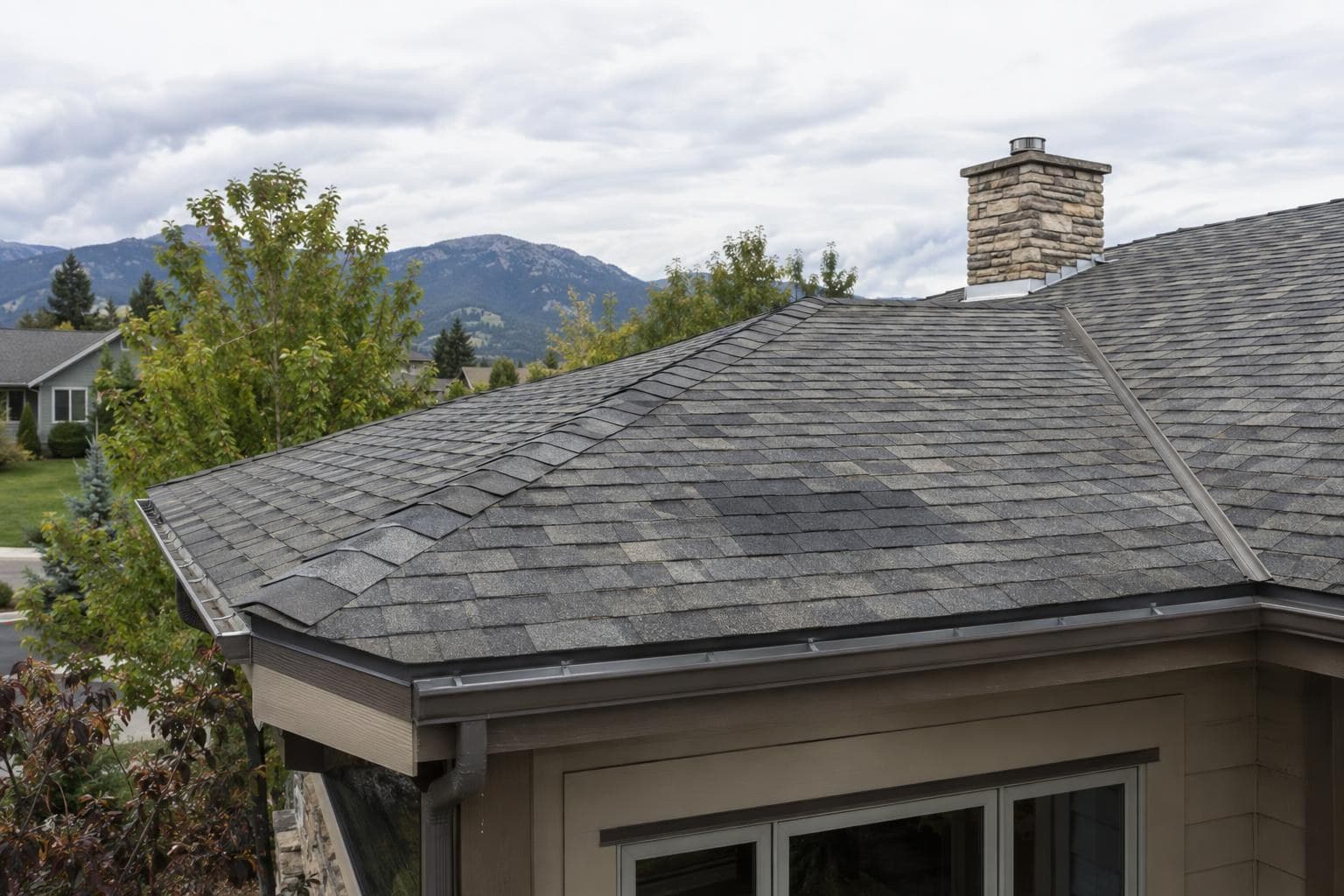
Your roof in Montana can take a beating from hail, wind-driven rain, and fast-moving storms. Hail is a standout risk in the state guidance, and even when damage looks minor from the ground, it can leave bruising, punctures, lifted roofing materials, and openings that let water in later. Weather here also pushes you to act quickly on temporary protection after a storm, such as covering roof openings, while still documenting everything before cleanup so you do not make the claim process harder on yourself.
Billings
Billings sees significant hail risk on the high plains, heavy winter snow, intense UV, and powerful Chinook wind events that can stress roof systems.
Billings roofingMissoula
Missoula sees heavy winter snow in its mountain valley, intense summer UV, and increasing wildfire smoke and ember risk from regional fires.
Missoula roofingBozeman
Bozeman's mountain-valley elevation brings very heavy winter snow loads and intense UV, plus growing wildfire smoke and ember risk.
Bozeman roofingWhat roofing costs in Montana
Roof replacement cost in Montana depends on roof size, pitch, material, decking, ventilation, code requirements, and storm upgrades. The state cost guide gives you the broad range; your city page adds the local weather and market context.
Start with the right number.
Use the roof replacement cost guide for statewide pricing, then compare repair pricing when the roof may not need a full tear-off.
Materials that make sense in Montana
If you are considering Class 4 impact-resistant shingles in Montana, ask the carrier whether the exact product qualifies for a premium credit and what documentation it requires. The cited Montana guidance does not establish a statewide credit or amount, so treat any savings as policy-specific. A roofing contractor can provide product and installation records, but the insurer decides eligibility and any credit.
- Class 4 impact-resistant shingles for hail
- Standing-seam metal for wind and snow performance
- Reinforced starter strips for Chinook wind
- Ice and water shield at eaves
Storm claims, deductibles, and insurance rules
Storm claims are shaped by state law, policy language, and the way contractors are allowed to work with insurance proceeds. These are the rules worth knowing before a claim turns into a signed roofing contract.
Document storm damage before cleanup or repairs
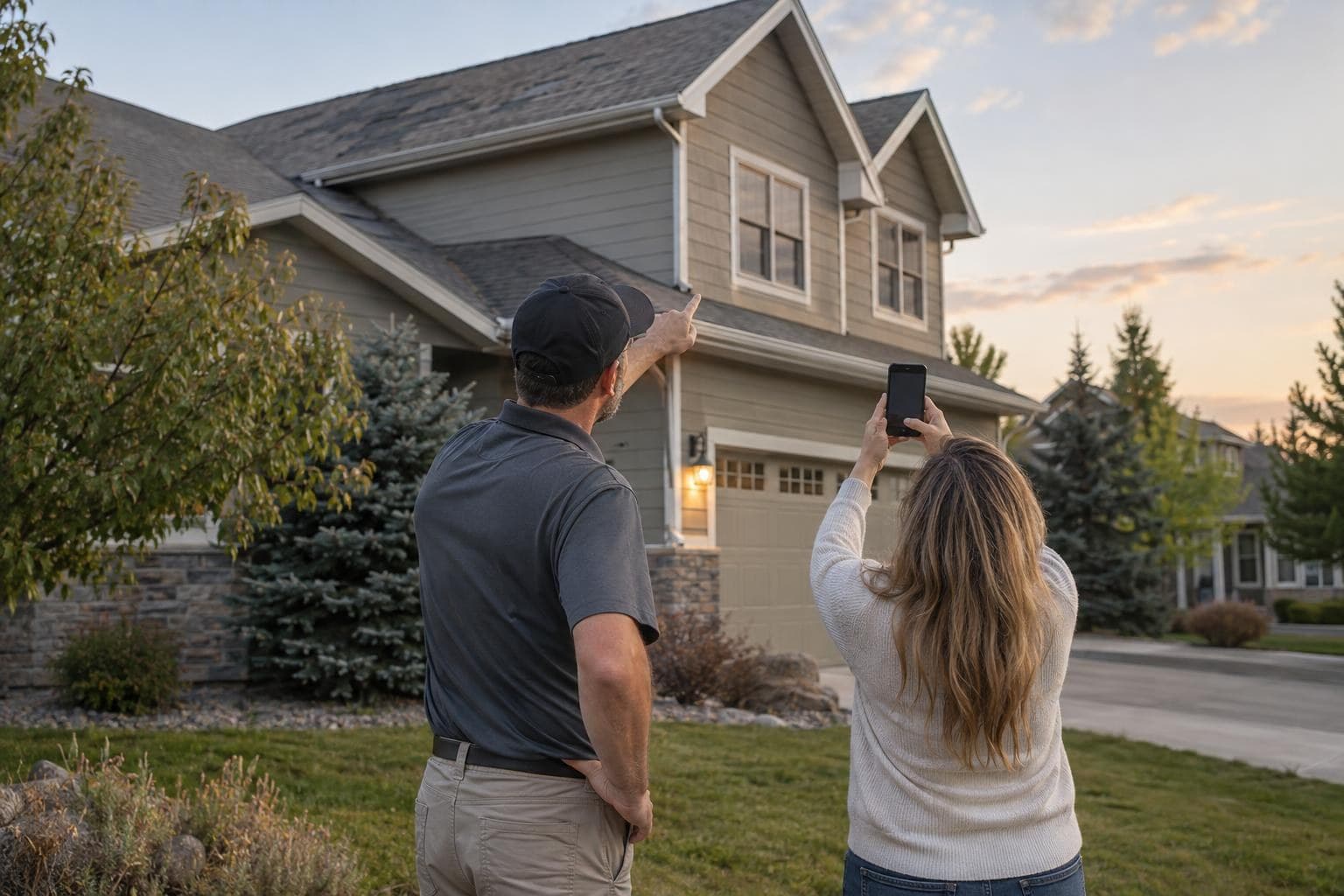
Montana's insurance regulator says you should take photos and document damage before you begin to clean up or repair. It also says you should take steps to prevent further destruction of the property, including covering broken windows and holes in roofs and placing coverings over areas that could get water or wind damage.
Start with your policy and insurer, not a sales pitch
State guidance says you should contact your insurance company and get the claims process started, then review your policy to understand your deductible, what is and is not covered, and your responsibilities. That helps you make repair decisions based on your policy instead of pressure from a contractor.
Montana warns homeowners about high-pressure storm repair tactics
The Montana Commissioner of Securities and Insurance tells homeowners to beware of high-pressure sales tactics, "storm chasers," and unsolicited offers from contractors. The guidance says not to feel rushed to sign a repair contract, to get multiple bids, to check references, and to choose a contractor who will work with you and your insurance adjuster to assess damage and repair costs.
Use written bids and a written contract, and do not pay in full before completion
State guidance says to always get written bids before authorizing work to begin, get a written contract, and never pay in full for work before it is completed. It also says to pay with a check or credit card, never cash, and not to pay for work that has not yet been completed.
Roofers, roofing contractors, and roofing companies in Montana
Montana's contractor registration rules matter, but they do not replace your own homework. The state says all construction contractors with employees must register, and it tells homeowners to ask for proof of a contractor's CR and verify it is in good standing. The same source also says the CR certificate is not a license and does not ensure quality of work. The construction contractor program is also changing: beginning January 1, 2026, Montana Contractor's registration program will transition to a license administered by the Montana Department of Labor and Industry. For you, the practical move is simple: ask your roofer for proof of current Montana standing, verify it through the state, get references, and insist on a written contract that spells out scope, materials, timing, payment tied to completed work, and responsibility if the job is not finished. After a storm, the insurance regulator also says to get multiple bids, check references, and avoid feeling rushed into signing.