

Updated July 10, 2026

3D Roofs Editorial Team
Editorial Standards
Nevada roofing is shaped by heat, strong sun, wind, and fast-moving storm damage decisions. For you as a homeowner, that means roof material choice matters, but the claim process and contractor choice matter just as much. State consumer guidance puts a lot of weight on acting quickly after damage, documenting everything, preventing further damage, and checking a contractor’s licensing and references before you hire.
6
Cities covered
12
Roofing services
22
NV guides
What homeowners run into on Nevada roofs
Across the Nevada markets we serve, roofers repeatedly see the same inspection patterns. If one of these shows up after a storm or a leak, start with documentation and an inspection before approving a full replacement quote.
- Extreme heat aging on dark materials
- Monsoon microburst wind damage
- UV degradation accelerated by sustained sun
- Hail damage during monsoons
- Foam or built-up roof maintenance failures
- Snow load and ice damming in winter
- UV degradation on heat-exposed slopes
- Wildfire ember intrusion in foothill homes
What Nevada weather does to roofs
Nevada roofs take a steady beating from intense sun, dry heat, and wind. Over time, UV exposure can age shingles, dry out roofing components, and wear down sealants. Wind can lift edges, move tiles, and turn small roof weaknesses into leaks. When storms hit, the main homeowner issue is often not just the visible damage, but the need to document it fast, protect the home from further damage, and avoid rushed repair decisions while your claim is being reviewed.
Las Vegas
Las Vegas' primary roofing stress is sustained extreme heat plus monsoon-season severe weather (July-September) with microbursts and occasional hail.
Las Vegas roofingReno
Reno sees hot summer UV, winter snow loads, and wildfire smoke from regional fires. Less monsoon than southern Nevada.
Reno roofingHenderson
Henderson, in the Las Vegas metro, faces extreme heat and intense UV that age roofs fast, plus occasional monsoon-season flash storms. Tile and flat roofs common.
Henderson roofingWhat roofing costs in Nevada
Roof replacement cost in Nevada depends on roof size, pitch, material, decking, ventilation, code requirements, and storm upgrades. The state cost guide gives you the broad range; your city page adds the local weather and market context.
Start with the right number.
Use the roof replacement cost guide for statewide pricing, then compare repair pricing when the roof may not need a full tear-off.
Materials that make sense in Nevada
If you are considering Class 4 impact-resistant shingles in Nevada, ask the carrier whether the exact product qualifies for a premium credit and what documentation it requires. The cited Nevada guidance does not establish a statewide credit or amount, so treat any savings as policy-specific. A roofing contractor can provide product and installation records, but the insurer decides eligibility and any credit.
- Tile for sustained heat performance
- Cool-roof rated reflective materials
- Standing-seam metal for heat reflection
- Foam or single-ply membranes for flat sections
Storm claims, deductibles, and insurance rules
Storm claims are shaped by state law, policy language, and the way contractors are allowed to work with insurance proceeds. These are the rules worth knowing before a claim turns into a signed roofing contract.
Review your policy and report damage right away
Nevada consumer guidance says hazards that are generally covered by a home or renter’s insurance policy include theft, fire, wind, smoke or a loss of use. If you believe you have a claim, you should review your policy and immediately contact your agent to file and discuss the details of your claim. After damage, you should immediately report your claim to your insurance company or your local agent.
You must help prevent further damage and keep records
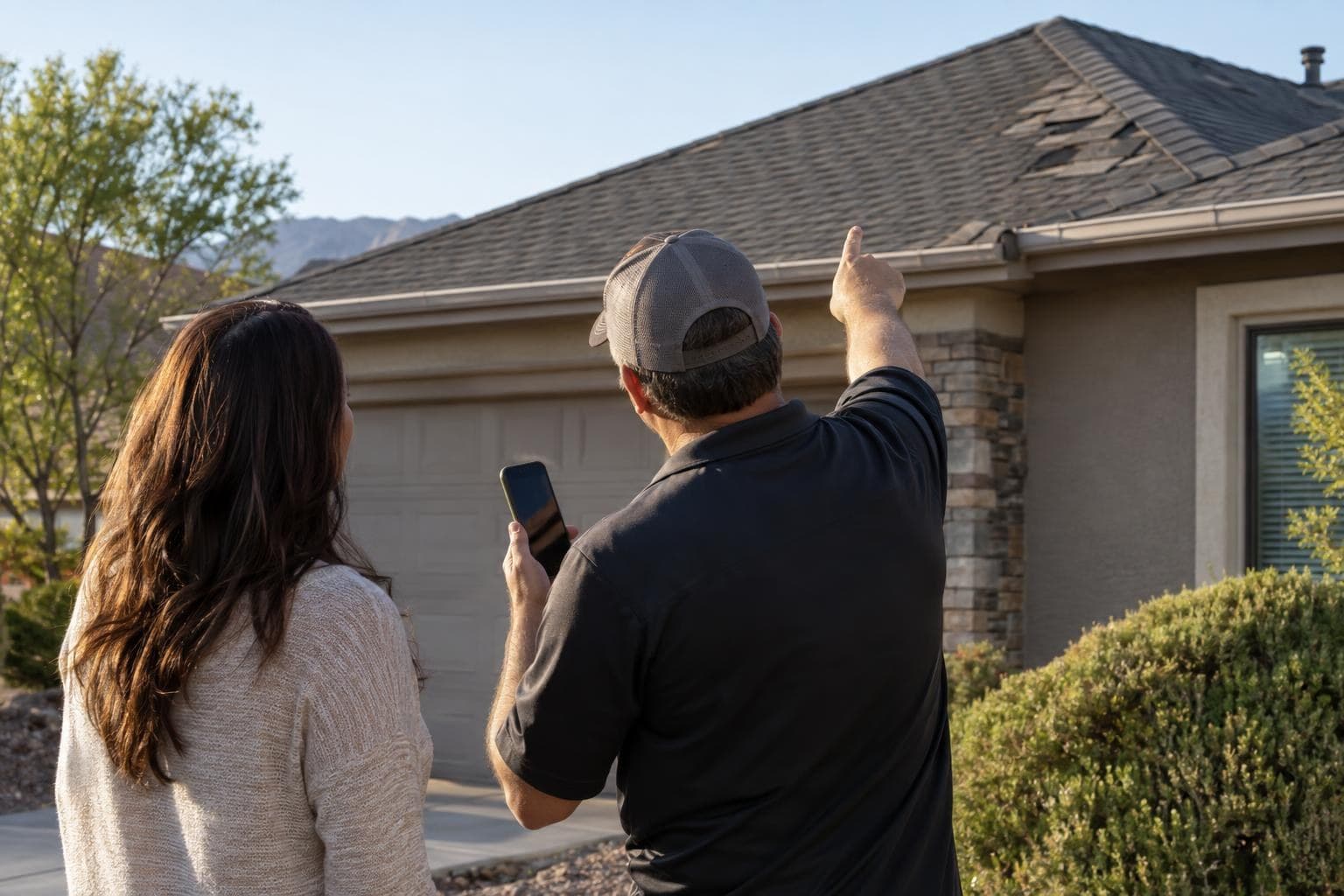
Nevada says a policy provision requires that you prevent further damage or theft. You should make temporary repairs or arrange for a licensed professional to do so, save all receipts for your repairs, take photos of the damage, and keep records of expenses and receipts if you need other lodging. The state also says not to dispose of property until an insurance adjuster has reviewed it for your claim.
The insurance company sends an adjuster at no cost to you, and you do not have to rush a settlement
Nevada says your insurance company will send an insurance adjuster to survey the damage at no cost to you. The state also says you should not feel rushed or pushed to agree on a settlement. If there are disagreements, try to resolve them with your insurer, and if you cannot reach an agreement or have questions about the settlement being offered, contact the Division for assistance.
Do not sign repair contracts before the adjuster examines the damage, and do not sign over your settlement
Nevada consumer guidance says to always insist on a written estimate before repairs begin and do not sign any contracts before the adjuster has examined the damage. It also says not to pay a contractor the full amount up front or sign over your insurance settlement payment. If hidden damage is found after the original assessment, contact your insurance company to resolve the difference.
Roofers, roofing contractors, and roofing companies in Nevada
In Nevada, contractor licensing is a real consumer-protection issue. The state says all businesses or individuals who construct or alter any building or other structure in Nevada must be licensed by the Nevada State Contractors Board, and contractors, including subcontractors and specialty contractors, must be licensed before submitting bids. The state also says roofing and siding fall under Classification C-15. For you, that means you should check your roofer’s license status, confirm the work matches the license classification, and review disciplinary history using the state’s license and disciplinary search tools. Nevada also warns that contracting without a license is a crime in Nevada. On the insurance side, the state tells you to check licensing and references before hiring, insist on a written estimate before repairs begin, do not sign contracts before the adjuster examines the damage, and do not pay the full amount up front or sign over your insurance settlement payment.