Updated July 27, 2026

3D Roofs Editorial Team
Editorial Standards
Yes, homeowners insurance may cover a roof replacement in Nevada when the damage comes from a covered event such as wind, rather than normal aging or long-term wear. That distinction matters in Nevada because roofs here face intense sun, dry heat, and wind year after year. UV exposure can age shingles, dry out roofing components, and wear down sealants. Wind can lift edges, move tiles, and turn small weaknesses into leaks. If a storm caused functional damage that affects how your roof sheds water, you may have a claim. If the roof is simply worn out from age and exposure, insurance usually is not there to pay for a full replacement.
When does homeowners insurance cover a roof replacement in Nevada?
Insurance may cover replacement when a covered event caused real, functional damage to the roof, not when the roof has simply reached the end of its life. In practical terms, that often means storm-related damage that changes how the roof performs, such as wind lifting materials, breaking seals, or causing leaks. For does insurance cover roof replacement in Nevada, coverage depends on the policy language, cause of loss, exclusions, and the insurer's decision; verify those terms in your own documents. If you believe you have a claim, you should review your policy and immediately contact your agent to file and discuss the details of your claim. After damage, you should immediately report your claim to your insurance company or your local agent.
What roof damage is usually wear and tear, not an insurance claim?
Most wear-related roof problems are not treated the same as sudden storm damage. In Nevada, the climate works against roofing materials every day. Intense sun and dry heat can age shingles, dry out components, and wear down sealants over time. That kind of gradual deterioration is different from a single event that damages the roof. If your roof has brittle shingles, surface cracking, faded materials, or old sealant failures from long exposure, your claim may be weaker than if wind recently lifted edges or a storm created a new leak. The key question is simple: did a covered event cause the damage, or is the roof failing from age and exposure?
Should you file a roof claim right away after storm damage?
Yes, you should review your policy and report damage right away. Nevada guidance is clear on that point. Fast reporting helps create a cleaner timeline, and that matters when your insurer is sorting out storm damage from older roof issues. It also gives you a better chance to document conditions before temporary repairs, debris cleanup, or more weather changes the evidence. If you are unsure whether the damage is enough for a full replacement, you can still start by documenting what happened and having your roof inspected so you understand whether you are looking at a repair or a larger insurance claim.
Talk to a roofer today
Planning ranges, scope details, and a direct path to request a roofing quote.
What should you do before the adjuster comes out?
You should protect the home from further damage, document everything, and avoid making permanent decisions too early. Nevada says a policy provision requires that you prevent further damage or theft. You should make temporary repairs or arrange for a licensed professional to do so, save all receipts for your repairs, take photos of the damage, and keep records of expenses and receipts if you need other lodging. State guidance also says not to dispose of property until an insurance adjuster has reviewed it for your claim.
- Take clear photos of roof damage, interior leaks, and anything the storm affected
- Use temporary measures to prevent more water intrusion if needed
- Save receipts for emergency materials or temporary repair work
- Keep a simple timeline of the storm, the damage you saw, and when you reported it
- Leave damaged materials in place when possible until the adjuster has reviewed them
How does the roof insurance claim process usually work?
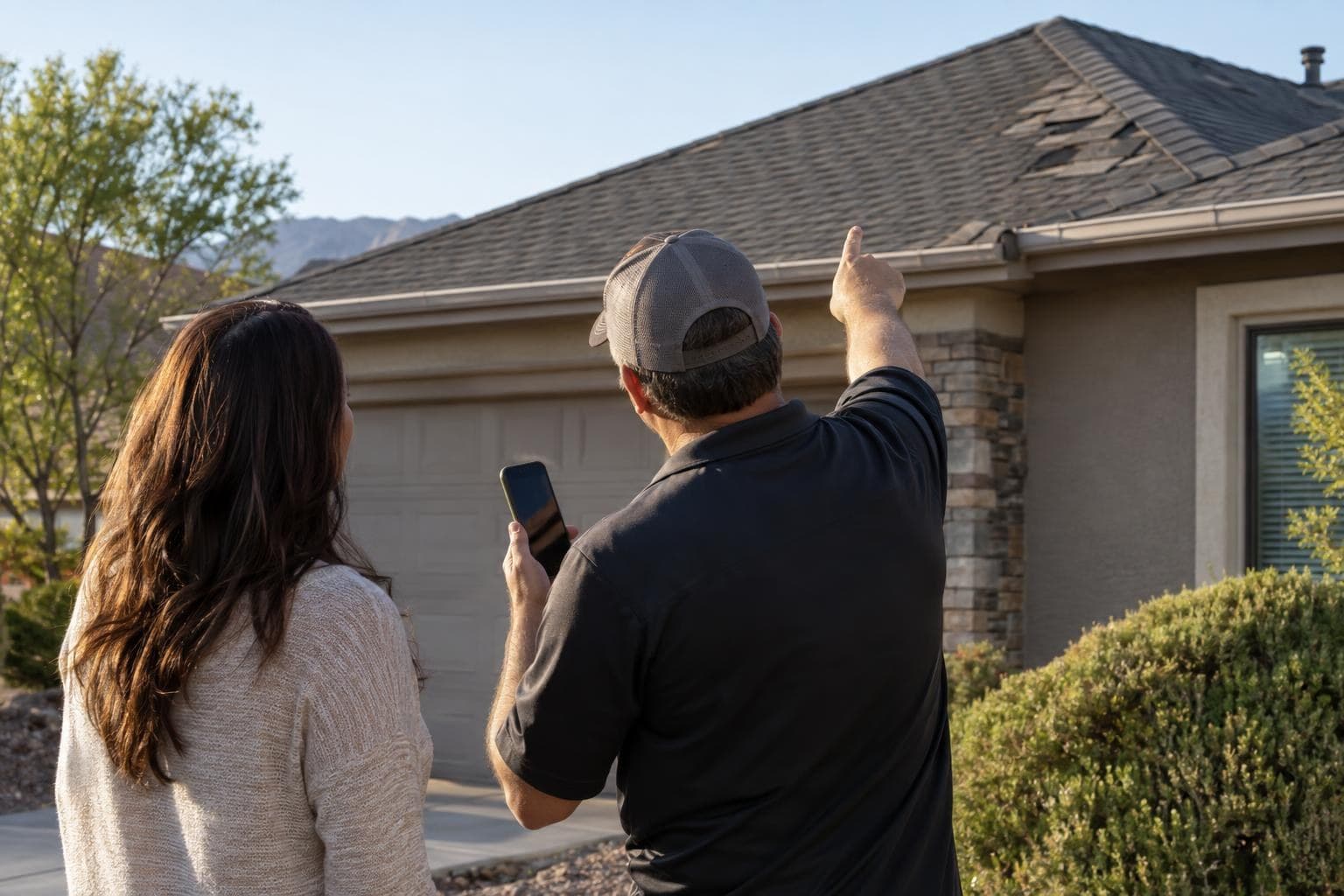
The usual flow is straightforward: report the damage, document it, protect the home, meet the adjuster, review the scope, and then decide on repairs or replacement. Nevada says your insurance company will send an insurance adjuster to survey the damage at no cost to you. State guidance also says you should not feel rushed or pushed to agree on a settlement. If there are disagreements, try to resolve them with your insurer, and if you cannot reach an agreement or have questions about the settlement being offered, contact the Division for assistance. During this stage, it helps to compare the adjuster’s scope with your roofer’s findings, especially if hidden damage shows up once work begins.
Can you sign a roofing contract before the adjuster inspects the roof?
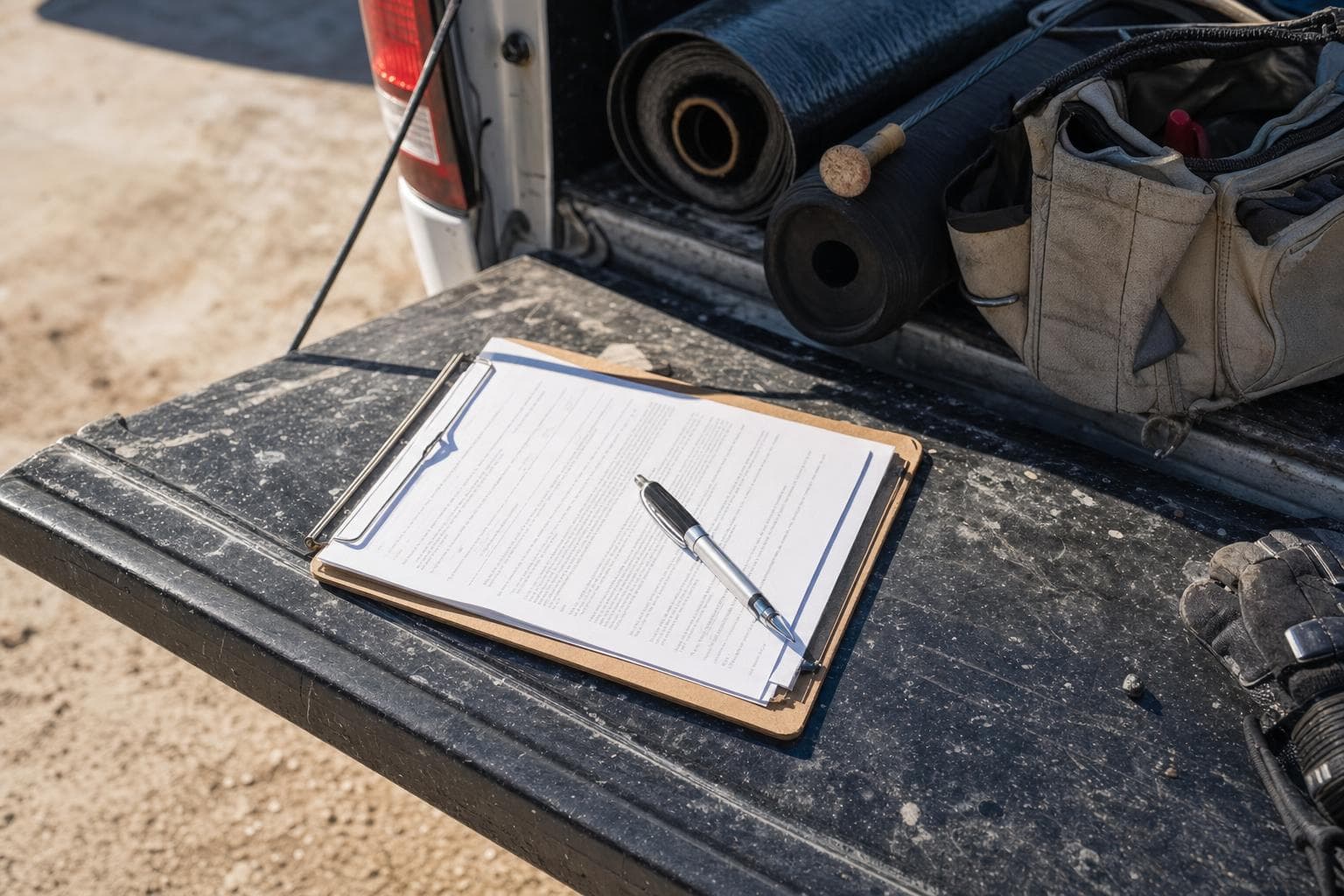
No, you should not sign repair contracts before the adjuster examines the damage. Nevada consumer guidance says to always insist on a written estimate before repairs begin and do not sign any contracts before the adjuster has examined the damage. It also says not to pay a contractor the full amount up front or sign over your insurance settlement payment. If hidden damage is found after the original assessment, contact your insurance company to resolve the difference. For you, that means it is smart to get inspection notes and a written estimate, but wait to lock in the full repair contract until the claim inspection happens.
How do deductibles affect whether a roof claim makes sense?
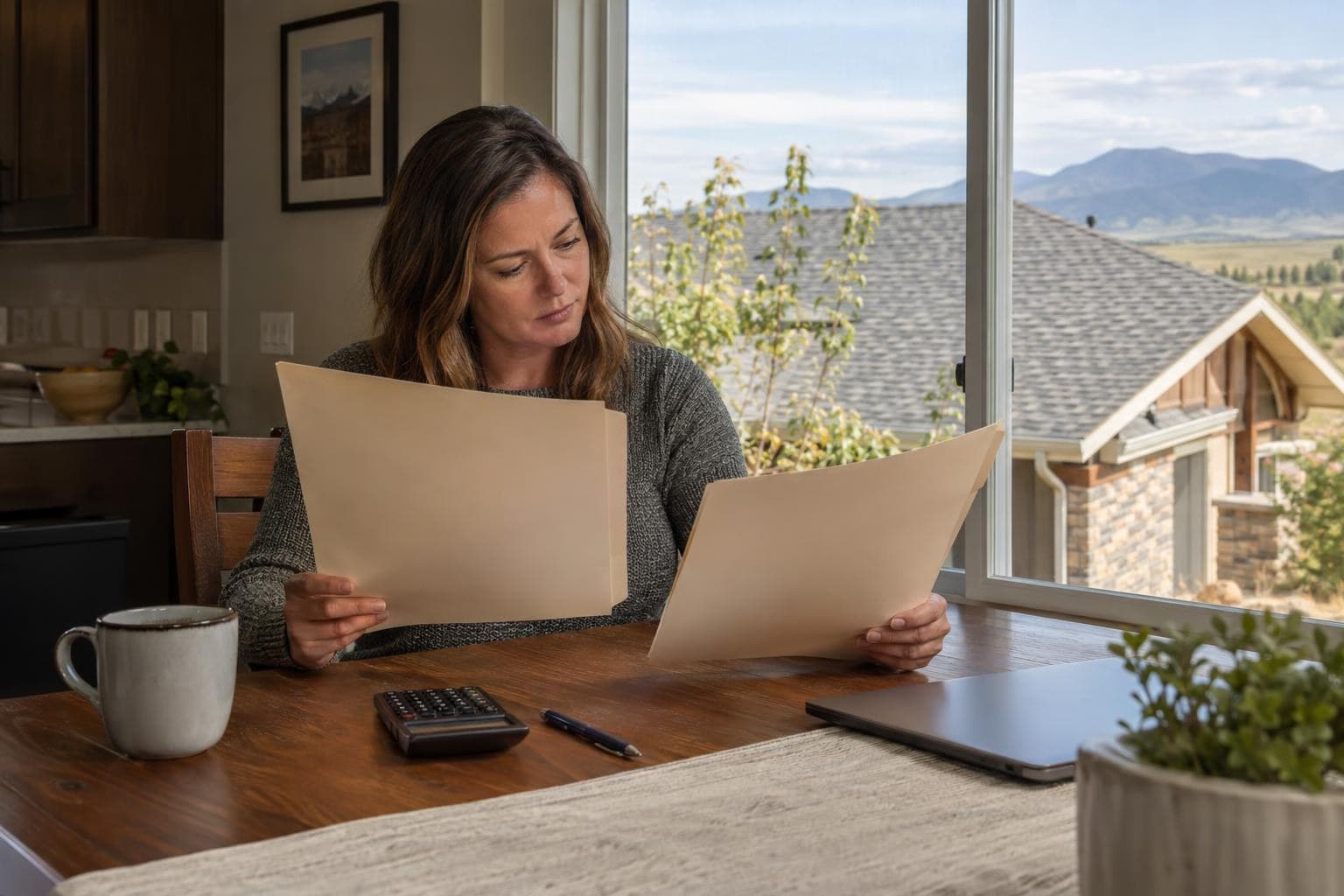
Your deductible is the amount you are responsible for before insurance pays on a covered claim, so it directly affects whether filing makes financial sense. For an insurance-related roof project in Nevada, begin with documented damage, the policy deductible, and a property-specific repair or replacement scope. If your expected repair cost is close to your deductible, a claim may not help much. If storm damage is severe enough to require replacement, the numbers change quickly. For an early budget on an insurance-related roof project in Nevada, compare the Nevada cost page with a proposal that identifies measurements, products, accessories, and exclusions. The schedule for an insurance-related roof project in Nevada should explain access, material staging, weather protection, inspections, and the process for discovered deck work.
How long does roof replacement take after an approved claim?
That does not include the time it takes for claim review, scope approval, or scheduling. The actual install window depends on roof size, material, complexity, and weather. Steeper roofs can also affect labor and cost. If the claim is for a smaller fix, repairs are often much simpler than a full replacement. The main thing is not to let urgency push you into a bad contract while the claim is still being reviewed.
Should you upgrade to a Class 4 roof after a covered loss?
It can be worth asking about, especially if you want a tougher roof and a possible policy-specific premium credit. If you are considering a Class 4 impact-resistant roof, ask your carrier whether it offers a homeowners insurance discount for that upgrade. Discounts are set by each carrier, and the state guidance does not give a Nevada-specific discount amount. A local contractor whose credentials you verified can help you compare roof options, but your insurer decides eligibility and savings. When comparing an insurance-related roof project in Nevada, use a written insurer response rather than a sales estimate for any impact-resistant roof credit. If your claim leads to replacement anyway, this is a good time to compare Class 3, Class 4, and standing seam options against your long-term goals.
How do you choose a roofer during an insurance claim in Nevada?
Choose carefully, get everything in writing, and verify that the roofer is properly set up for the work. In Nevada, contractor licensing is a real consumer-protection issue. State guidance says all businesses or individuals who construct or alter any building or other structure in Nevada must be licensed by the Nevada State Contractors Board, and contractors, including subcontractors and specialty contractors, must be licensed before submitting bids. State guidance also says roofing and siding fall under Classification C-15. For you, that means you should check your roofer’s license status, confirm the work matches the license classification, and review disciplinary history using the state’s license and disciplinary search tools. Nevada also warns that contracting without a license is a crime in Nevada. On the insurance side, the state tells you to check licensing and references before hiring, insist on a written estimate before repairs begin, do not sign contracts before the adjuster examines the damage, and do not pay the full amount up front or sign over your insurance settlement payment.
The bottom line is simple: insurance may cover a Nevada roof replacement when a covered event, often wind, causes functional damage. It usually does not pay to replace a roof that is worn out from sun, heat, and age alone. Report damage right away, protect the home from further damage, document everything, and do not rush into a settlement or contract before the adjuster inspection. If you need help understanding whether your roof looks like a repair issue or a replacement claim, a roofer whose credentials and written scope you checked can inspect the damage and help you compare the next step with current planning prices.
Sources
- National Association of Insurance Commissioners: What You Need to Know When Filing a Homeowners Claim
- National Association of Insurance Commissioners: Actual Cash Value Coverage and Replacement Cost Coverage
- Nevada Division of Insurance, How to File a Claim
- Nevada State Contractors Board, License Classifications
Reviewed technical references for Nevada
Related Nevada roofing guides
Related services
Updated July 27, 2026
3D Roofs Editorial Team
Editorial Standards