

Updated July 10, 2026

3D Roofs Editorial Team
Editorial Standards
Roofing in Delaware is shaped by coastal storms, wind-driven rain, and humid conditions that can wear a roof from more than one angle. You need a roof that can shed water fast, hold up in strong weather, and stay maintained before storm season. Delaware also has a contractor registration system for construction work, so when you hire for roof repair or replacement, you should confirm the business is properly registered for construction services and holds a Delaware business license.
7
Cities covered
12
Roofing services
24
DE guides
What homeowners run into on Delaware roofs
Across the Delaware markets we serve, roofers repeatedly see the same inspection patterns. If one of these shows up after a storm or a leak, start with documentation and an inspection before approving a full replacement quote.
- Snow load and ice damming
- Nor'easter and hurricane wind damage
- Freeze-thaw aging
- Hail damage from spring storms
- Older home decking concerns
- Heat-aged shingles
- Wind-lifted shingles and ridge caps from nor'easters sweeping across open canal-side terrain
- Heavy rain and wind-driven water from tropical-storm remnants finding worn flashing
What Delaware weather does to roofs
Delaware roofs take a mix of weather stress. Hurricanes, coastal storms, heavy rain, and strong wind can lift shingles, drive water under roof coverings, and turn small flashing problems into leaks. Humidity can keep roof surfaces damp longer, which can shorten the life of aging materials and encourage staining or deterioration around vulnerable areas. Storm prep matters here, especially securing loose shingles, keeping temporary protection materials on hand, and dealing with damage quickly so water does not spread deeper into the home.
Wilmington
Wilmington sees nor'easters, winter snow and ice, hurricane remnants from Atlantic storms, and severe summer storms.
Wilmington roofingDover
Dover sees nor'easters, hurricane remnants, winter snow and ice, and severe summer storms. Coastal-plain location adds some wind exposure.
Dover roofingNewark
Newark Delaware, home to the University of Delaware, sees nor'easters, winter snow and ice, hurricane remnants, and severe summer storms.
Newark roofingWhat roofing costs in Delaware
Roof replacement cost in Delaware depends on roof size, pitch, material, decking, ventilation, code requirements, and storm upgrades. The state cost guide gives you the broad range; your city page adds the local weather and market context.
Start with the right number.
Use the roof replacement cost guide for statewide pricing, then compare repair pricing when the roof may not need a full tear-off.
Materials that make sense in Delaware
If you are considering an impact-resistant roof, ask your carrier whether they offer a discount for Class 4 rated shingles. Discounts are set by each insurance company, and the available savings, if any, can vary by policy and home. The practical move is to confirm the product rating, keep the product paperwork, and ask your carrier what documentation they want before you replace the roof.
- Class 4 impact-resistant shingles
- Standing-seam metal for performance
- Ice and water shield at eaves
- High wind-rated systems
Storm claims, deductibles, and insurance rules
Storm claims are shaped by state law, policy language, and the way contractors are allowed to work with insurance proceeds. These are the rules worth knowing before a claim turns into a signed roofing contract.
Your policy may require you to prevent further damage
Delaware's storm preparedness guidance says, "The policy requires the policyholder to protect the property from further damage." After a storm, that means you may need to arrange temporary steps like covering roof openings and keeping records of what you spent.
Do temporary repairs first, but do not rush into full repair contracts
State guidance says you may need to make immediate temporary repairs after a storm, keep all bills and receipts, and "Do not contract for repairs, other than temporary repairs, prior to agreement with the claim adjuster or agent." It also says, "Do not be rushed into signing repair contracts." That is an important protection if someone pressures you to sign before your claim is reviewed.
Good claim documentation can help your roof claim move faster
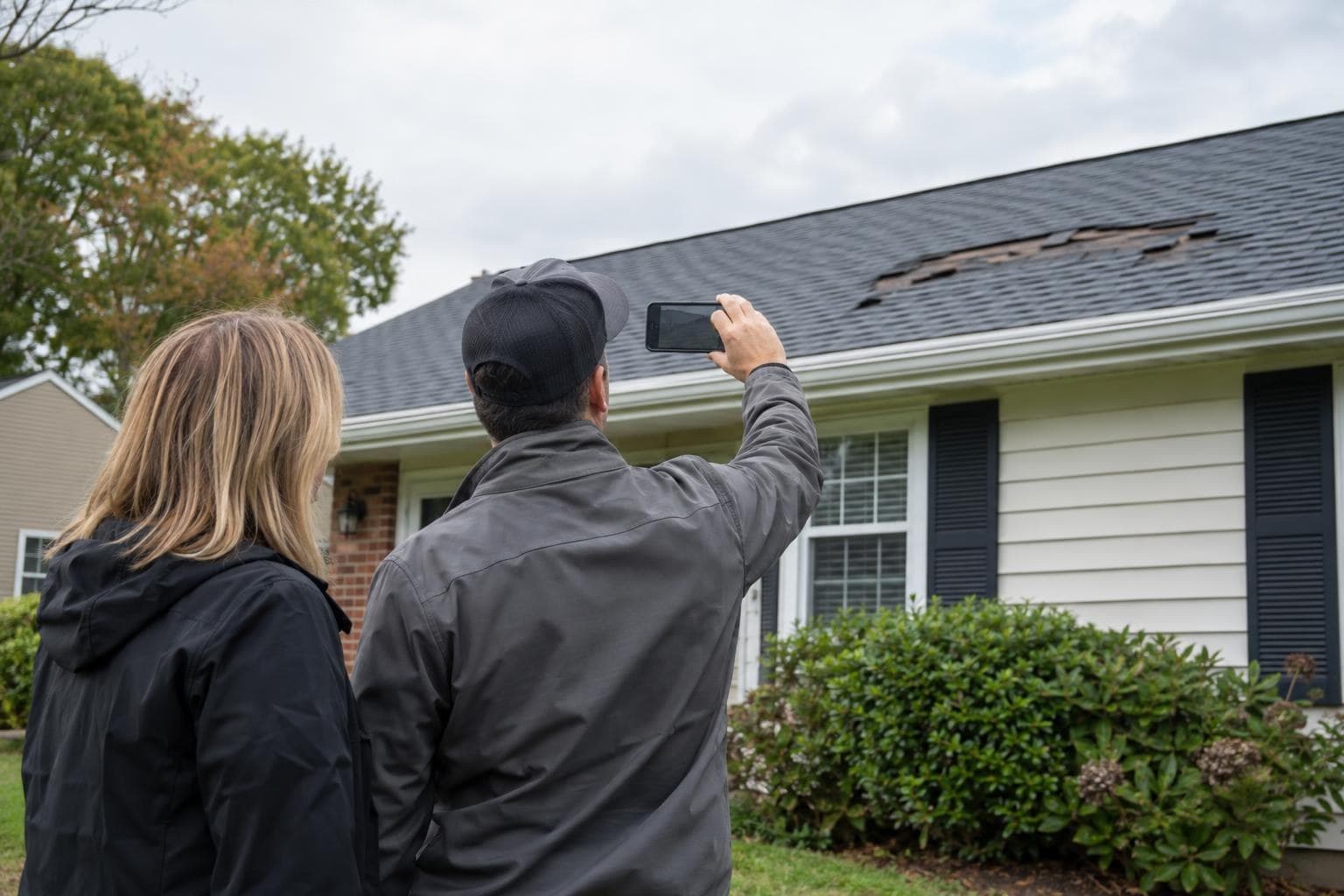
Delaware tells homeowners to photograph damage, keep receipts and old records, and make a list of damaged items and structural issues, including missing roof tiles and other visible building damage. The same guidance says the more information you have, the faster your claim generally can be settled.
Priority may go first to homes with severe structural damage
Delaware's storm guidance says people whose homes are not livable or have severe structural damage will be given first priority in having claims handled, with less severe and minor damage following after that. If your roof damage has made the home unsafe or unlivable, tell your carrier clearly when you report the loss.
Roofers, roofing contractors, and roofing companies in Delaware
In Delaware, roofing falls under construction services, and the state says businesses that perform construction services must be registered with the Delaware Department of Labor's Office of Contractor Registration before work begins in the state. The state also says contractors conducting business activity in Delaware are required to register with and obtain a business license from the Delaware Division of Revenue. For you, that means a simple screening step: ask your roofer for the exact business name they use for registration, confirm they appear in the state's contractor registry, and confirm they hold a Delaware business license. You should also review the written scope, materials, cleanup terms, and payment terms before signing. After storm damage, Delaware's insurance guidance also says it is best to deal with local, reputable contractors and not to be rushed into signing repair contracts.