Updated July 27, 2026

3D Roofs Editorial Team
Editorial Standards
If the damage is isolated, repair is usually the better buy. If the damage is widespread, the roof is older, or trouble keeps coming back, replacement usually makes more sense. In Delaware, that decision matters because roofs here take a mix of weather stress. Hurricanes, coastal storms, heavy rain, and strong wind can lift shingles, drive water under roof coverings, and turn small flashing problems into leaks. Humidity can also keep roof surfaces damp longer, which can shorten the life of aging materials and encourage staining or deterioration around vulnerable areas.
Should you repair or replace your roof in Delaware?
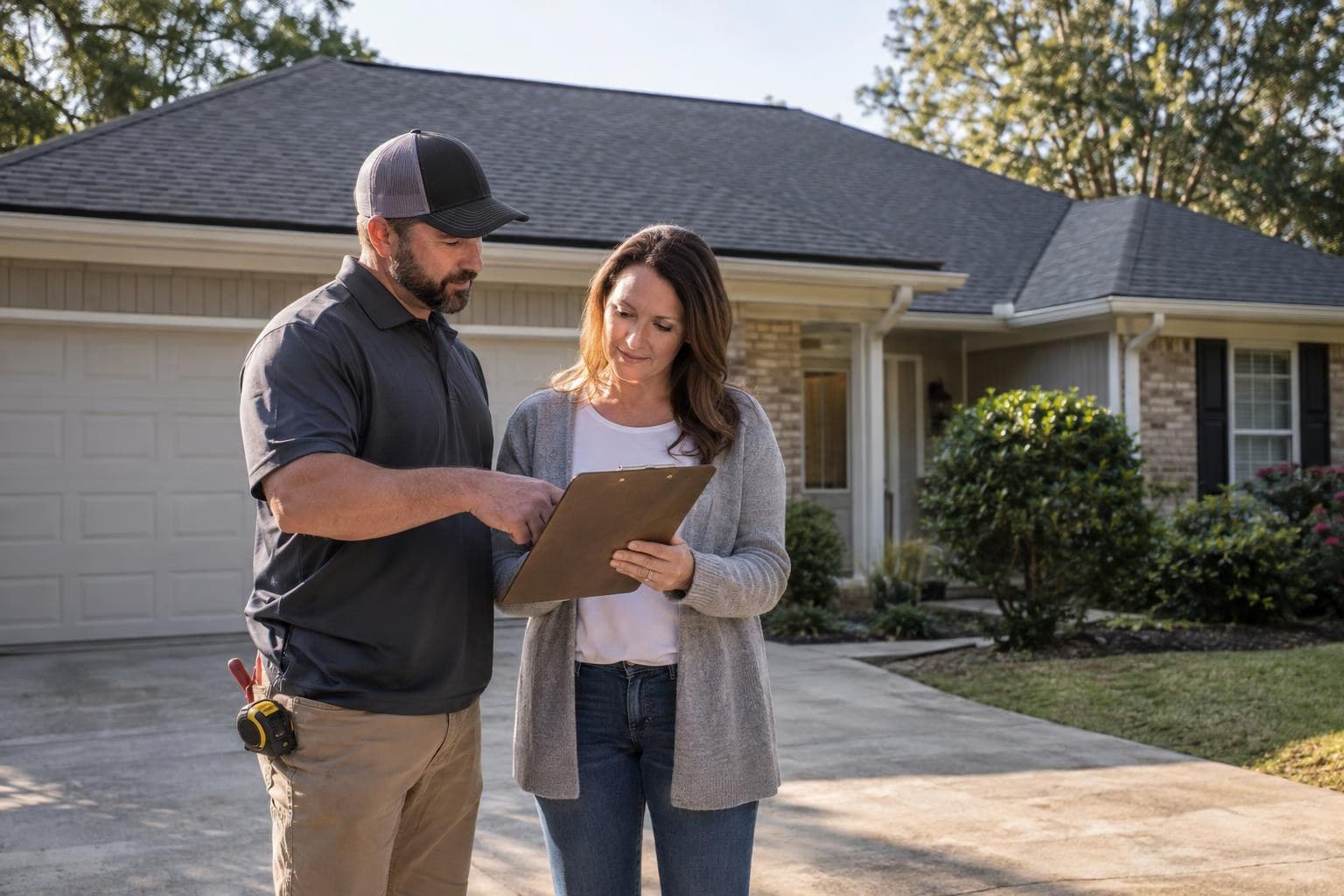
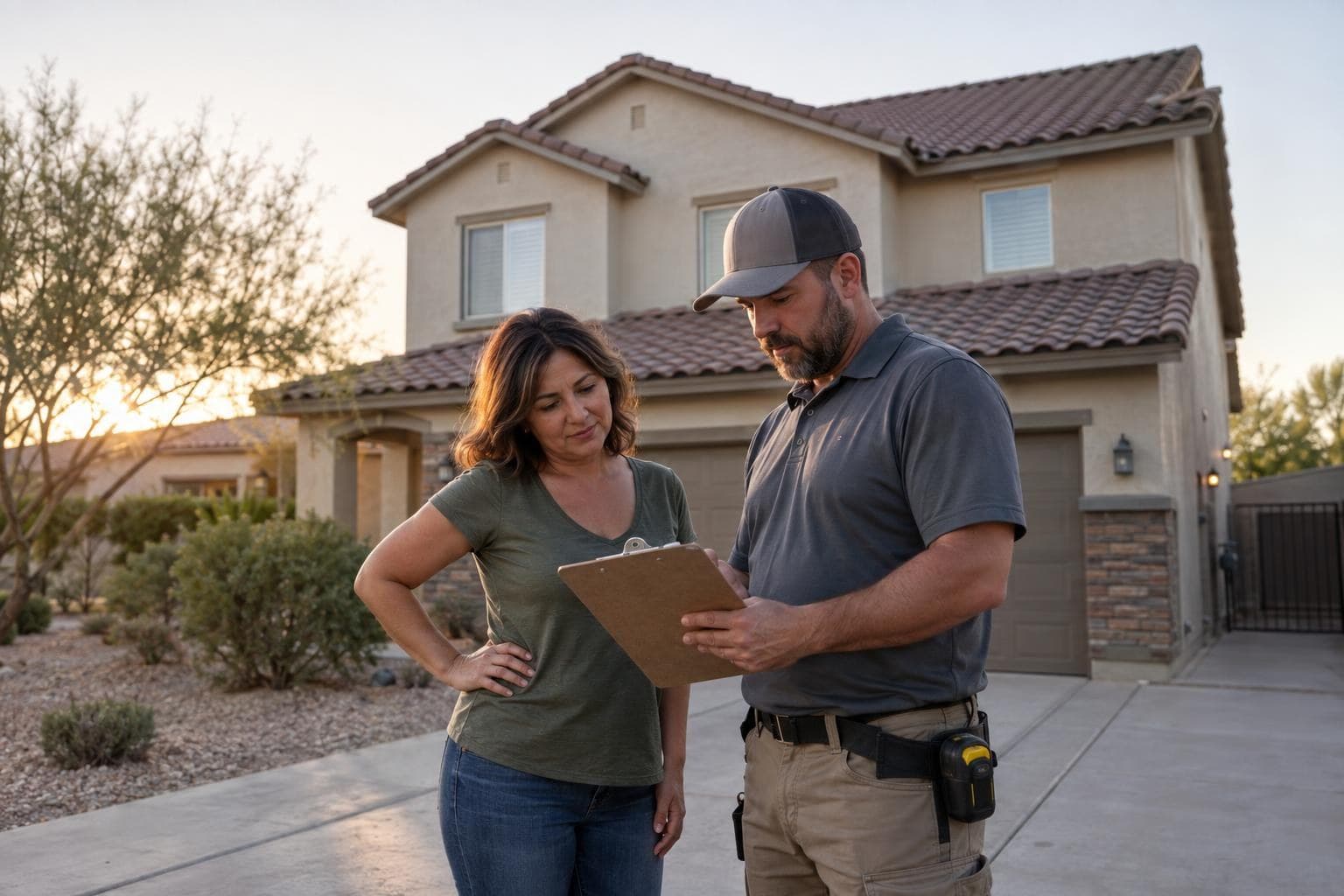
Start with the scope of the damage. A repair is usually the right call when the problem is limited to one area, like a few missing shingles, localized flashing failure, or a small leak that has not spread. A replacement is usually the better call when multiple slopes are affected, leaks show up in more than one area, or the roof has broad signs of wear that make one fix feel temporary. For a repair-versus-replacement decision in Delaware, compare a diagnosed repair scope with a measured replacement proposal; both should identify affected slopes, flashing, deck conditions, and exclusions. For Delaware homeowners, the question is not just what failed today, but whether the next coastal storm or wind event is likely to expose more weak spots next month.
What counts as isolated damage, and when is repair enough?
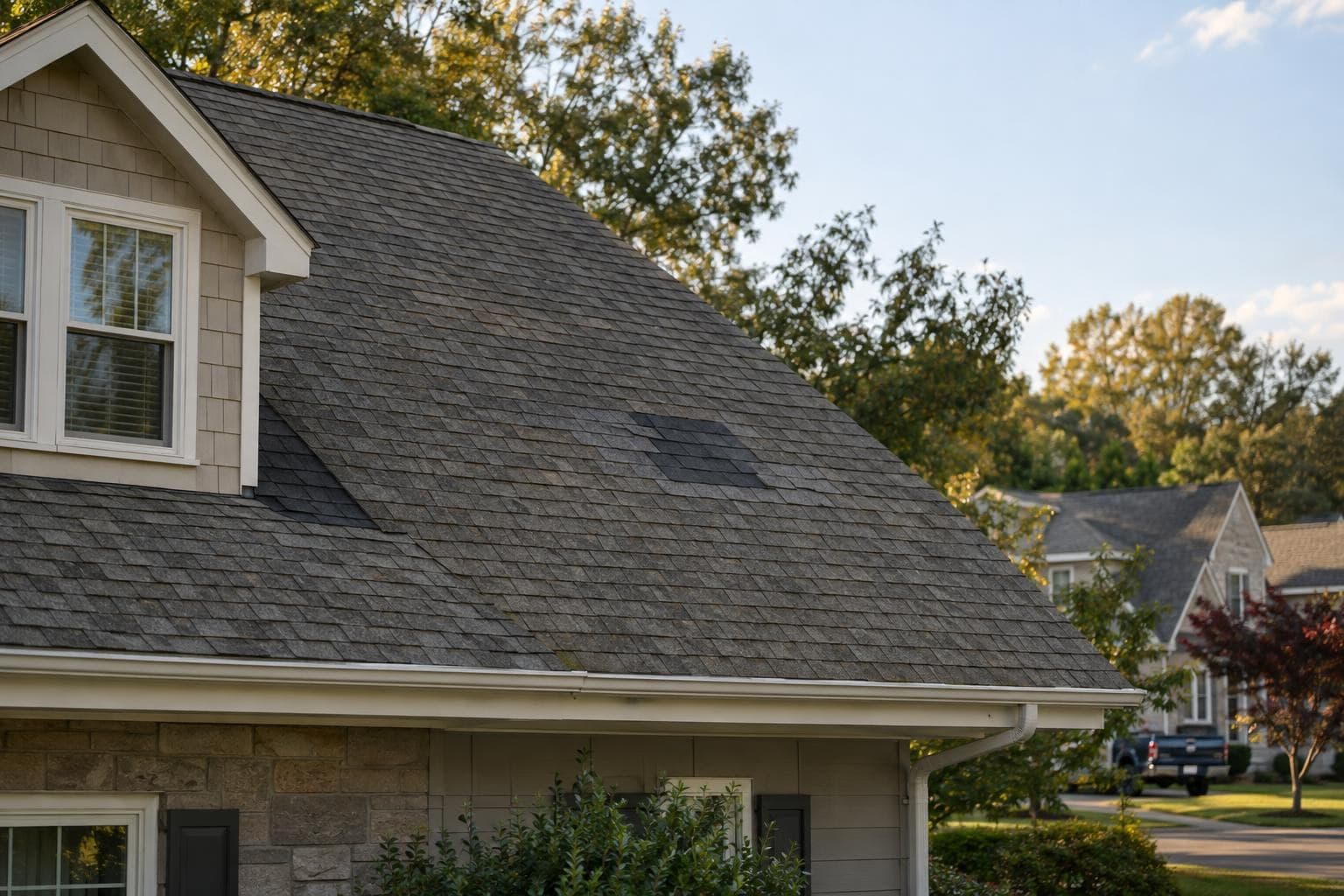
Isolated damage means the roof system is mostly intact, and one problem area caused the issue. That could be a few shingles blown off by wind, a pipe boot failure, flashing that pulled loose, or a small branch strike in one section. If the surrounding shingles still have useful life, the roof deck is sound, and moisture has not spread far, a targeted repair can buy you time and protect the home without paying for a full tear-off.
- A small number of missing or damaged shingles in one section
- One leak source that can be traced to flashing, a vent, or a pipe penetration
- No broad sagging, soft decking, or repeated leak history
- The rest of the roof is aging evenly and still performing well
- The repair will not leave several other weak areas waiting to fail
When is roof replacement the smarter choice?
Replacement is the smarter choice when the roof is failing as a system, not just at one point. If shingles are lifting in several areas, granule loss is widespread, leaks keep returning, or there is evidence that water has moved beyond one entry point, a repair can turn into repeated spending. Delaware weather raises that risk because heavy rain and strong wind can push water into small openings, and humidity can keep vulnerable areas damp longer. On an older roof, those conditions often expose the next weak spot soon after the first repair is done.
- Damage shows up across multiple roof sections or slopes
- You have more than one active leak or a history of recurring leaks
- Shingles are brittle, curling, loose, or wearing out across the roof
- Storm damage opened several areas at once
- You want a longer-term fix before the next storm season
Talk to a roofer today
Planning ranges, scope details, and a direct path to request a roofing quote.
When is roof damage too widespread for a repair?
Base the repair decision in Delaware on mapped damage, remaining roof condition, material compatibility, water-control details, and repair history rather than a percentage shortcut. For roof repair vs replacement in Delaware, do not use a fixed damage percentage as the decision rule; compare the repairable area, roof condition, material availability, code requirements, and written scopes. The point is not to measure every shingle. The point is to avoid paying for a large repair on a roof that still has major weak areas left behind. If a roofer whose credentials and written scope you checked finds that damage or deterioration reaches across a large share of the roof, replacing the whole system is often the cleaner and more cost-effective move.
How much does roof repair vs. replacement cost in Delaware?
Check current Delaware cost data for a repair-versus-replacement decision in Delaware, then replace the range with an assembly-specific proposal based on measured conditions. Before approving a repair-versus-replacement decision in Delaware, have the bidder connect timing to roof complexity, crew access, material handling, weather, inspections, and concealed conditions. If you are comparing options, use the repair price as a short-term cost and the replacement price as a system reset. For many homeowners, the better value depends on whether the repair actually solves the problem, or just delays a full replacement.
Those tools help you compare what a repair buys you today against what a replacement may save you in repeat leak risk and future patchwork.
How does Delaware weather change the repair-or-replace decision?
It pushes borderline roofs closer to replacement. Delaware roofs take a mix of weather stress. Humidity can keep roof surfaces damp longer, which can shorten the life of aging materials and encourage staining or deterioration around vulnerable areas. That means a roof that might be repairable in a milder climate can be a poor candidate for patching here if the surrounding materials are already tired. Storm prep matters here, especially securing loose shingles, keeping temporary protection materials on hand, and dealing with damage quickly so water does not spread deeper into the home.
What should you do after storm damage before deciding?
Protect the home first, document everything second, and do not rush into a full repair contract before your claim is reviewed. Delaware's storm preparedness guidance says, "The policy requires the policyholder to protect the property from further damage." State guidance also says you may need to make immediate temporary repairs after a storm, keep all bills and receipts, and "Do not contract for repairs, other than temporary repairs, prior to agreement with the claim adjuster or agent." It also says, "Do not be rushed into signing repair contracts."
- Photograph roof damage and any interior water intrusion
- Keep receipts for temporary protection and emergency materials
- Make a list of damaged areas, including missing roof tiles and other visible building damage
- Tell your carrier if the home is unsafe or unlivable, because Delaware's storm guidance says homes with severe structural damage may get first priority
- Have your roofer focus first on temporary protection if the roof is open to weather
Good records can help the claim move faster. Delaware tells homeowners to photograph damage, keep receipts and old records, and make a list of damaged items and structural issues. The same guidance says the more information you have, the faster your claim generally can be settled.
Does it make sense to upgrade if you are replacing the roof?
Yes, if you plan to stay in the home and you want more storm resilience. If you are replacing anyway, compare standard architectural options with impact-resistant shingles and metal. A Class 4 rating does not establish a policy credit in Delaware; the carrier and policy determine eligibility, documentation, and savings. If you are considering an impact-resistant roof, ask your carrier whether they offer a discount for Class 4 rated shingles, confirm the product rating, keep the product paperwork, and ask what documentation they want before you replace the roof.
How do you choose the right roofer in Delaware?
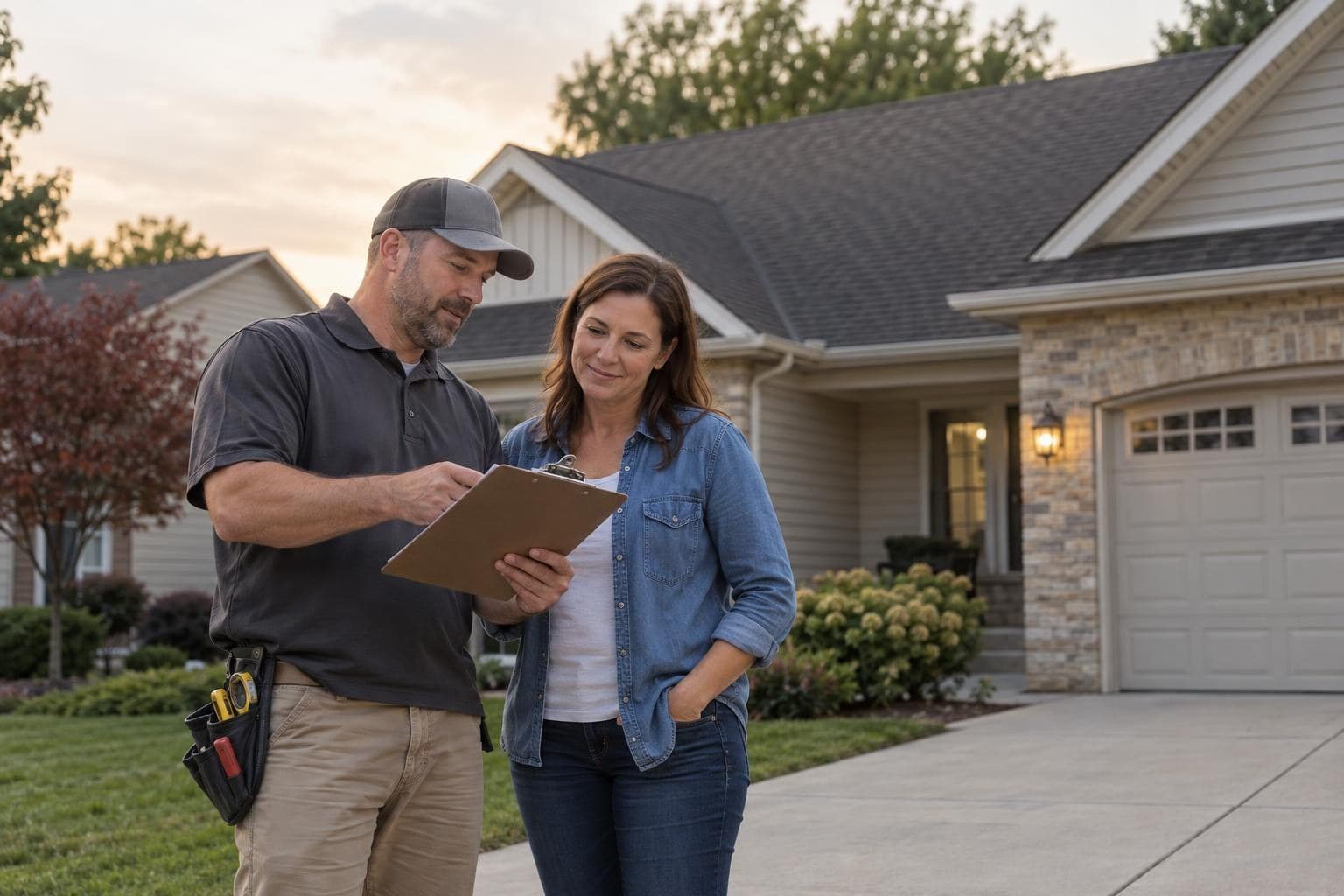
Ask for the exact business name the roofer uses for registration, confirm they appear in the state's contractor registry, and confirm they hold a Delaware business license. You should also review the written scope, materials, cleanup terms, and payment terms before signing. After storm damage, Delaware's insurance guidance also says it is best to deal with local, reputable contractors and not to be rushed into signing repair contracts. If you are still deciding between a repair and a full replacement, a local roofer you have vetted can show you whether the damage is isolated or system-wide, and help you compare the short-term patch against the long-term fix.
Sources
Reviewed technical references for Delaware
Related Delaware roofing guides
Related services
Updated July 27, 2026
3D Roofs Editorial Team
Editorial Standards