

Updated July 10, 2026

3D Roofs Editorial Team
Editorial Standards
Indiana roofing is shaped by a mix of storm exposure, seasonal temperature swings, and a consumer landscape where you need to pay close attention to contracts and claims. For you as a homeowner, that means two things matter at the same time: choosing the right roof system for weather stress, and handling insurance and contractor paperwork carefully. State consumer agencies focus heavily on helping you understand your policy, document your claim, and avoid deceptive home improvement practices.
21
Cities covered
12
Roofing services
22
IN guides
What homeowners run into on Indiana roofs
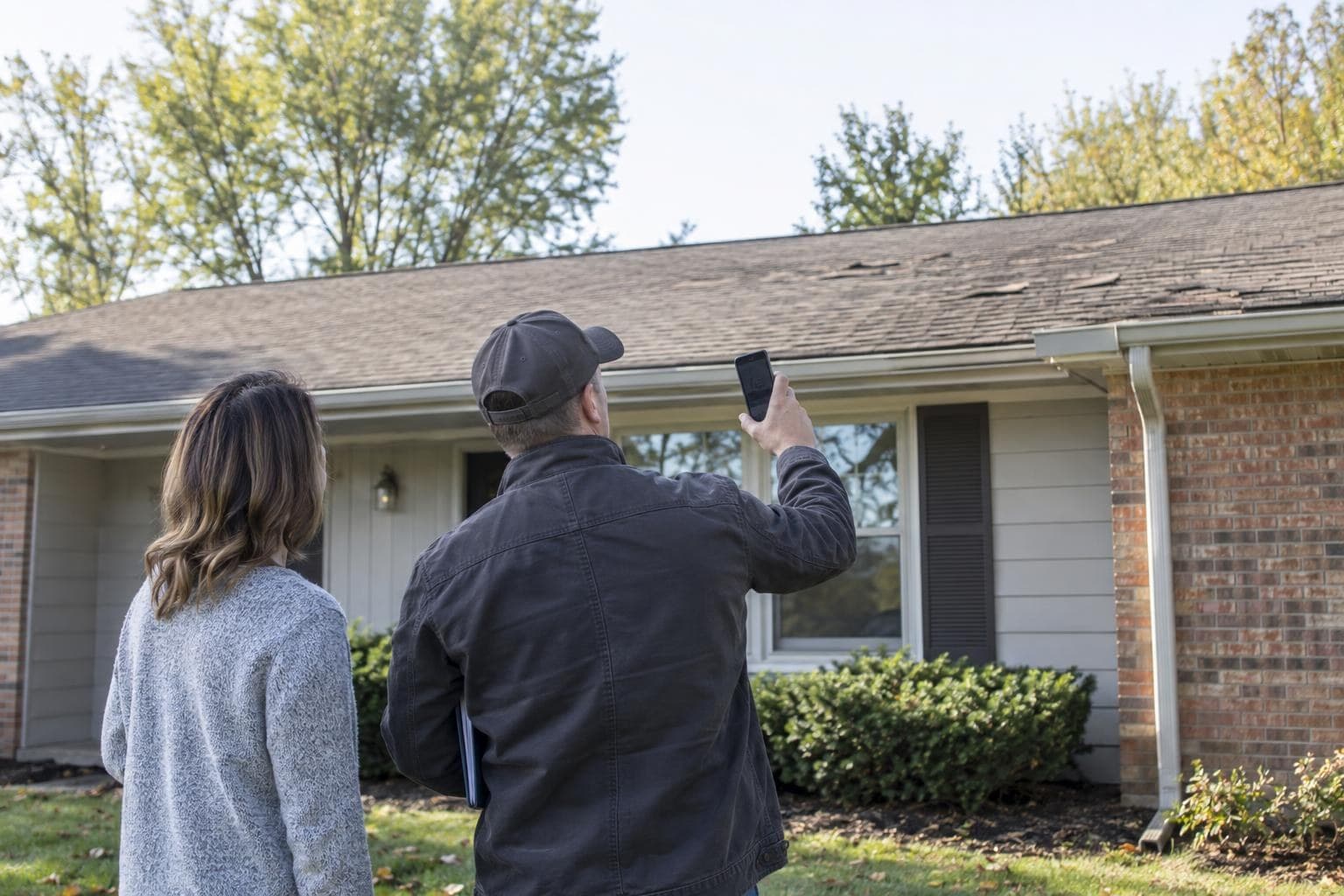
Across the Indiana markets we serve, roofers repeatedly see the same inspection patterns. If one of these shows up after a storm or a leak, start with documentation and an inspection before approving a full replacement quote.
- Snow load and ice damming
- Hail damage from spring storms
- Wind damage from severe storms and tornadoes
- Freeze-thaw shingle aging
- Heat-aged shingles in summer
- Wind damage from severe storms
- Tree debris from canopy
- Tornado wind damage (high risk)
What Indiana weather does to roofs
Indiana roofs deal with year-round weather stress. Wind, hail, heavy rain, snow, ice, and freeze-thaw cycles can all shorten roof life or turn a small weak spot into a leak. Seasonal swings can also wear out shingles, flashing, sealants, and roof penetrations over time. If your roof takes storm damage, quick temporary protection and good documentation matter, but you should hold off on permanent repairs until the insurance company has inspected the damage.
Indianapolis
Indianapolis sits in the central Midwest severe storm corridor. Spring/summer hail and tornado risk, winter snow and ice damming.
Indianapolis roofingFort Wayne
Fort Wayne shares the Indiana severe storm profile with spring/summer hail and winter snow.
Fort Wayne roofingEvansville
Evansville sits in a tornado and hail corridor, the 2005 tornado was among the deadliest in Indiana history. Severe spring/summer storms are routine.
Evansville roofingWhat roofing costs in Indiana
Roof replacement cost in Indiana depends on roof size, pitch, material, decking, ventilation, code requirements, and storm upgrades. The state cost guide gives you the broad range; your city page adds the local weather and market context.
Start with the right number.
Use the roof replacement cost guide for statewide pricing, then compare repair pricing when the roof may not need a full tear-off.
Materials that make sense in Indiana
If you are considering a Class 4 impact-resistant shingle, it is reasonable to ask your carrier whether it offers a homeowners premium discount for that upgrade. Discounts and underwriting decisions are carrier-specific, so you should confirm the details with your insurer before you buy. A roofing contractor can also help you compare product options that fit your home and storm exposure.
- Class 4 impact-resistant shingles for hail
- Standing-seam metal for snow and longevity
- Ice and water shield at eaves
- High wind-rated systems
Storm claims, deductibles, and insurance rules
Storm claims are shaped by state law, policy language, and the way contractors are allowed to work with insurance proceeds. These are the rules worth knowing before a claim turns into a signed roofing contract.
Your policy controls what is covered, excluded, and owed under the deductible
The Indiana Department of Insurance says your policy is a contract between you and your insurance company, and you should understand what is covered, what is excluded, and what the deductibles are before and during a claim.
File your claim quickly, keep records, and give complete information
The Indiana Department of Insurance tells homeowners to file claims as soon as possible, provide complete and correct information, and keep copies of all correspondence. It also says you should write down details from phone and in-person conversations, including the date, name, title, and what was said.
Do temporary repairs to prevent more damage, but do not make permanent repairs before inspection
For homeowners claims, the Indiana Department of Insurance says your policy might require temporary repairs to protect your property from further damage, and your policy should cover the cost of these temporary repairs if you keep receipts. It also says not to make permanent repairs before the insurance company's inspection, because an insurance company may deny a claim if permanent repairs are made before the damage is inspected.
Claims history can affect whether your homeowners policy is renewed
The Indiana Department of Insurance warns that while Indiana law outlines specific allowable reasons for cancellation of homeowners policies, there are no such protections in place that require insurance companies to offer renewal of the homeowners policy once the contract is over. It also says insurance companies are allowed to consider claims activity when deciding whether to renew your policy.
Roofers, roofing contractors, and roofing companies in Indiana
Indiana's cited consumer guidance focuses on buying practices and complaint options rather than establishing a statewide roofing-license standard. So when you compare roofers, keep it practical: get a clear written scope, read the contract closely, ask how your roofer will document storm damage, and keep copies of every estimate, invoice, text, and email. If a sales pitch feels rushed or misleading, slow the deal down. The Attorney General's Consumer Protection Division says it educates consumers about deceptive and predatory business practices, mediates and investigates consumer complaints against businesses and other organizations, and takes legal action on behalf of the state against parties that violate Indiana's Deceptive Consumer Sales Act. That gives you a place to turn if a roofing transaction goes sideways.