
Updated July 10, 2026

3D Roofs Editorial Team
Editorial Standards
How to document storm damage on an Indiana roof
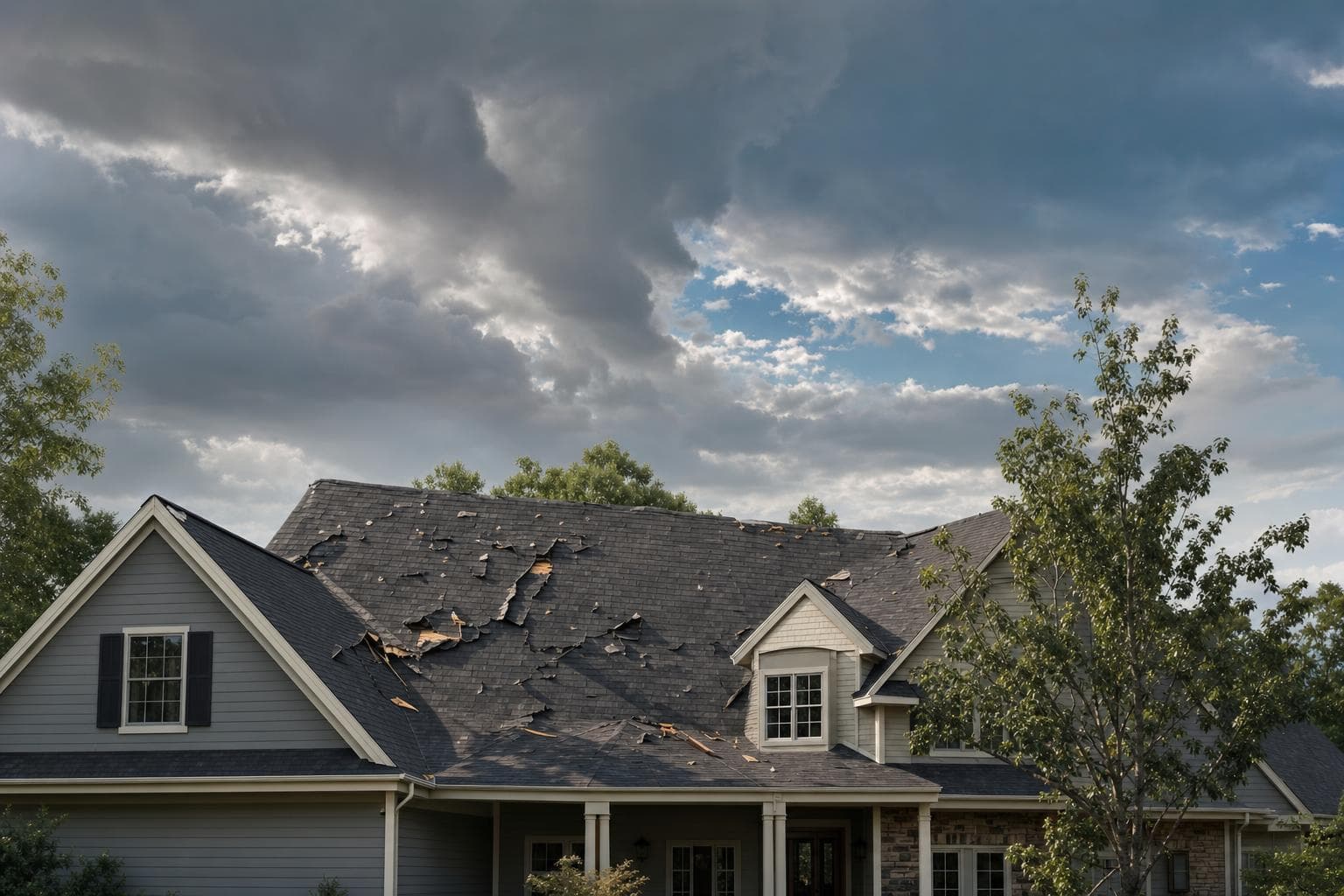
Wind, hail, debris, falling limbs, and wind-driven rain leave different patterns on shingles, metal, flashing, ridges, edges, gutters, and penetrations. A useful inspection records the pattern and function of the observed damage, identifies urgent water-control needs, and explains whether the roof can be repaired or why a broader scope is necessary.
Write down the event date and when damage was discovered. Keep exterior and interior photographs, temporary-work receipts, contractor estimates, and carrier correspondence together. Compare the physical roof scope independently from the insurance coverage decision.
How Indiana storm exposure changes the inspection
Indiana roofs deal with year-round weather stress. Wind, hail, heavy rain, snow, ice, and freeze-thaw cycles can all shorten roof life or turn a small weak spot into a leak. Seasonal swings can also wear out shingles, flashing, sealants, and roof penetrations over time. If your roof takes storm damage, quick temporary protection and good documentation matter, but you should hold off on permanent repairs until the insurance company has inspected the damage.
Storm exposure varies widely within Indiana, so the event at the address matters more than a statewide label. Wind direction, hail size and density, debris, rain duration, snow or ice, and the roof's pre-storm condition all affect what an inspection should find and how the repair should be detailed.
What a storm-damage assessment should document
Storm work should separate immediate protection, observed storm damage, prior wear, and the permanent construction scope. Those are different findings, and combining them into one broad claim can make the roofing decision harder to understand. Compare documentation by roof area, temporary protection, damage classification, repairability, matching material, accessories, code items, and the permanent scope. A contractor should be able to show why each line item follows from an observed condition.
Work the storm scope should include
- Safety and active-opening review before exterior work
- Overview and close-up photographs identified by roof area
- Wind, impact, debris, flashing, edge, accessory, and water-path inspection
- Attic or interior moisture review when accessible and relevant
- Temporary protection documented separately when it is needed
- A permanent scope tied to observed conditions and repairability
Conditions that change repairability and cost
- Emergency response and temporary protection before diagnosis
- Number, location, and type of affected roof areas
- Roofing material, matching availability, and tie-in condition
- Ridge, edge, flashing, vent, gutter, or accessory work
- Roof height, pitch, debris, access, and weather limits
- Decking, structural, or interior moisture work outside the roof covering
Questions to resolve before permanent storm work
Compare storm proposals by the roof areas inspected, photographs provided, damage patterns identified, temporary work completed, and repair logic. A contractor can explain construction; the carrier decides whether the documented condition is covered.
- The roof-wide conclusion is made from the ground or from anonymous close-ups
- Temporary mitigation and permanent work are combined into one vague charge
- The contractor promises coverage or offers to conceal the deductible
- New storm effects are not separated from age, wear, installation, and prior repairs
- What changed on each roof area, and what evidence supports that conclusion?
- Which findings are consistent with wind, impact, debris, or water entry?
- What temporary work is separate from the permanent construction scope?
- Can a focused repair restore the affected areas, and where is the sound boundary?
What storm-damage roof work costs in Indiana
Storm cost follows severity. A limited repair may stay between $350-$1,600, while damage that opens a larger section or reaches decking can move from $1,200-$6,600 into $2,900-$15,200 before a full replacement is considered.
- Minor displaced roofing or one leak
- A contained repair with serviceable material around it
- $350-$1,600
- Roof section plus flashing
- A wider repair that opens and restores one affected area
- $1,200-$6,600
- Decking or carpentry involved
- Roofing plus damaged wood or structure beneath it
- $2,900-$15,200
- Class 3 replacement reference
- A 2,000 sq ft reference roof, used only when repair cannot restore the system
- $13,370
Cost ranges are estimates developed from standardized project scopes and reviewed pricing inputs. Government labor and regional cost data are used where applicable. See our Pricing Methodology for the exact sources, calculations, and review date. Actual prices vary by property, scope, materials or equipment, location, and provider.
Rules, claims, and contractor checks
State rules may govern storm contracts, cancellation, deductibles, licensing, public adjusting, and claim representation. Keep the roofer's role focused on inspection and construction unless the person holds any separate license required for insurance representation.
Your policy controls what is covered, excluded, and owed under the deductible
The Indiana Department of Insurance says your policy is a contract between you and your insurance company, and you should understand what is covered, what is excluded, and what the deductibles are before and during a claim.
File your claim quickly, keep records, and give complete information
The Indiana Department of Insurance tells homeowners to file claims as soon as possible, provide complete and correct information, and keep copies of all correspondence. It also says you should write down details from phone and in-person conversations, including the date, name, title, and what was said.
Do temporary repairs to prevent more damage, but do not make permanent repairs before inspection
For homeowners claims, the Indiana Department of Insurance says your policy might require temporary repairs to protect your property from further damage, and your policy should cover the cost of these temporary repairs if you keep receipts. It also says not to make permanent repairs before the insurance company's inspection, because an insurance company may deny a claim if permanent repairs are made before the damage is inspected.
Indiana's cited consumer guidance focuses on buying practices and complaint options rather than establishing a statewide roofing-license standard. So when you compare roofers, keep it practical: get a clear written scope, read the contract closely, ask how your roofer will document storm damage, and keep copies of every estimate, invoice, text, and email. If a sales pitch feels rushed or misleading, slow the deal down. The Attorney General's Consumer Protection Division says it educates consumers about deceptive and predatory business practices, mediates and investigates consumer complaints against businesses and other organizations, and takes legal action on behalf of the state against parties that violate Indiana's Deceptive Consumer Sales Act. That gives you a place to turn if a roofing transaction goes sideways.
Sources: Indiana Department of Insurance, Insurance Claim Tips · Indiana Attorney General, Consumer Protection Division
Common questions about storm damage roofing in Indiana
How soon should I inspect a roof after a Indiana storm?+
Inspect from the ground and interior as soon as it is safe, and arrange professional roof access when conditions allow. Prompt photographs help preserve evidence, but safety comes first. Protect active openings and do not climb onto a wet, icy, or unstable roof.
Does storm damage always require a full roof replacement?+
No. The answer depends on damage pattern, material condition, affected roof areas, repairability, matching material, decking, and code. A focused repair may be appropriate when damage is contained and the surrounding roof can accept a durable tie-in.
What should storm-damage photographs show?+
Photographs should identify the roof area and show context as well as close detail: slopes, ridges, edges, flashing, vents, gutters, penetrations, debris impacts, missing or displaced material, and interior water evidence. Dated notes should separate new observations from older conditions.
Who decides whether storm damage is covered in Indiana?+
The insurer decides coverage under the policy. A roofer can inspect, photograph visible conditions, explain construction methods, and write an estimate. Policy interpretation or representing a homeowner in a claim may require a separate license under Indiana law.
Which Indiana rules should I check before signing a storm damage contract?+
Start with the verified state guidance on this page, including Your policy controls what is covered, excluded, and owed under the deductible; File your claim quickly, keep records, and give complete information; Do temporary repairs to prevent more damage, but do not make permanent repairs before inspection. Then confirm the permit authority and any local contractor requirement for the property address. Insurance coverage and policy interpretation remain separate from the roofing contract.
What should Indiana homeowners know about impact-resistant roofing?+
If you are considering a Class 4 impact-resistant shingle, it is reasonable to ask your carrier whether it offers a homeowners premium discount for that upgrade. Discounts and underwriting decisions are carrier-specific, so you should confirm the details with your insurer before you buy. A roofing contractor can also help you compare product options that fit your home and storm exposure.
Storm Damage across 21 Indiana cities
Open the nearest Indiana city page for local storm patterns and roofing context. Regional storm activity can guide the inspection, but the documented condition at your property should decide the scope.
