

Updated July 10, 2026

3D Roofs Editorial Team
Editorial Standards
Connecticut roofing is shaped by a mix of winter weather, coastal storm risk, heavy rain, and seasonal wind. For you as a homeowner, that means roof decisions often come down to water control, shingle hold, flashing quality, attic ventilation, and how your insurance deductible works before a storm claim ever happens. It also matters that home improvement contractors in Connecticut must be registered with the state, so checking that status is a basic first step before you hire your roofer.
18
Cities covered
12
Roofing services
24
CT guides
What homeowners run into on Connecticut roofs
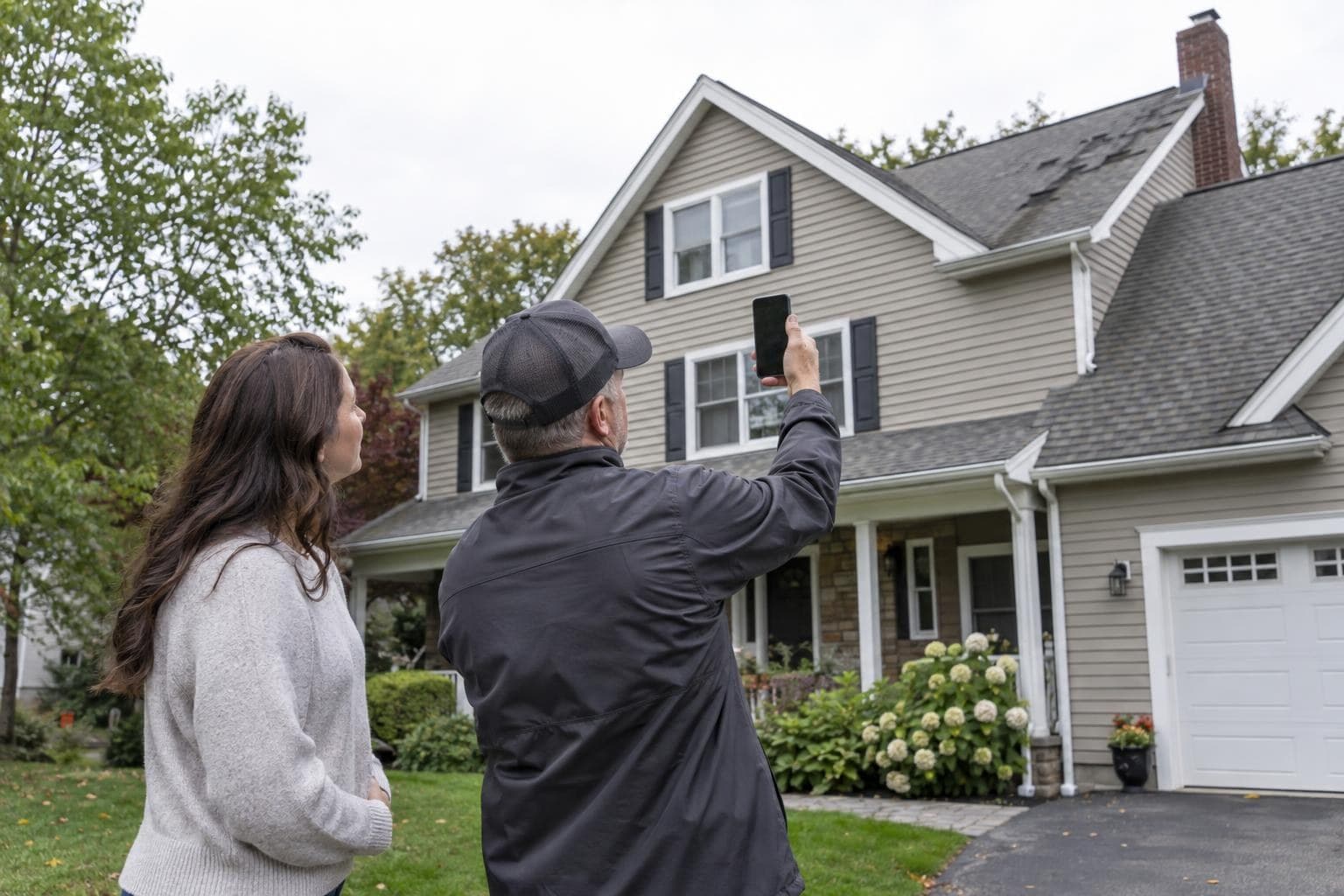
Across the Connecticut markets we serve, roofers repeatedly see the same inspection patterns. If one of these shows up after a storm or a leak, start with documentation and an inspection before approving a full replacement quote.
- Snow load and ice damming
- Freeze-thaw shingle aging
- Nor'easter wind damage
- Hail damage from spring storms
- Older home decking concerns
- Salt-air corrosion near the Sound
- Nor'easter and hurricane wind damage
- Freeze-thaw aging
What Connecticut weather does to roofs
Your roof in Connecticut has to handle snow, ice, wind, rain, and coastal storm conditions. Winter weather can push water back under shingles when ice builds up along eaves. Wind-driven rain can test flashing, ridge details, and older seal strips. In warmer months, storm seasons and humid weather can expose weak spots around penetrations, valleys, and roof-to-wall transitions. Near the shoreline, hurricane-related deductibles and coastal exposure can matter more, so material choice and installation details become even more important.
Hartford
Hartford sees winter snow and ice damage, nor'easters, spring/summer severe storms, and occasional hurricane remnant impacts.
Hartford roofingNew Haven
New Haven sees nor'easters, winter snow and ice, hurricane remnants from Atlantic storms, and Long Island Sound coastal wind exposure.
New Haven roofingStamford
Stamford, on the Long Island Sound in the NYC metro, sees nor'easters, winter snow and ice, hurricane remnants, and coastal salt exposure.
Stamford roofingWhat roofing costs in Connecticut
Roof replacement cost in Connecticut depends on roof size, pitch, material, decking, ventilation, code requirements, and storm upgrades. The state cost guide gives you the broad range; your city page adds the local weather and market context.
Start with the right number.
Use the roof replacement cost guide for statewide pricing, then compare repair pricing when the roof may not need a full tear-off.
Materials that make sense in Connecticut
If you are considering a Class 4 impact-resistant shingle, ask your insurer whether it offers a premium discount and what documentation it requires. Discounts are set by individual carriers, not by a single statewide rule, so the savings and eligibility can vary by policy.
- Class 4 impact-resistant shingles
- Standing-seam metal for snow shedding
- Ice and water shield at eaves
- Premium synthetic underlayment
Storm claims, deductibles, and insurance rules
Storm claims are shaped by state law, policy language, and the way contractors are allowed to work with insurance proceeds. These are the rules worth knowing before a claim turns into a signed roofing contract.
Wind damage is generally covered, even when the storm is called an Act of God
The Connecticut Insurance Department says homeowners policies cover damage caused by windstorm even when the cause is described as an "Act of God." It also says homeowners coverage applies regardless of how the windstorm is classified, including hurricane or tornado. For you, that means the label used for the storm does not by itself take wind coverage away.
Windstorm or hail deductibles cannot be mandated by insurers in Connecticut
The Connecticut Insurance Department says insurance companies may offer a windstorm or hail deductible, and consumers may choose it in place of an overall policy deductible. It also says windstorm or hail deductibles may not be mandated by insurers in Connecticut. If your policy uses one, check the declarations page so you know whether it is a flat dollar amount or a percentage deductible.
Hurricane deductibles can only apply under specific storm conditions
The Connecticut Insurance Department says a hurricane deductible may be imposed only under specific circumstances related to the storm, and that if your policy contains one, its application must comply with Connecticut law. The Department also says the percentage and dollar amount of the hurricane deductible will be listed on the declarations page if it applies to the policy. For you, the practical step is simple: review that page before storm season so you know what deductible would apply.
Flood damage is excluded from homeowners coverage unless you carry separate flood insurance
The Connecticut Insurance Department says damage from flooding is excluded from homeowners insurance, and separate flood policies can be purchased. It also says there is a 30-day waiting period before a flood insurance policy take effect. If roof leaks are tied to wind damage, that is one issue. If water enters because of flooding or overflow, that is treated differently under insurance.
Coastal and windstorm note
Connecticut does not have a separate state wind pool described here, but the Connecticut FAIR Plan does address coastal exposure. The FAIR Plan says dwellings located within 2600' of the Connecticut shorelines will have two deductibles: one deductible for named perils and a separate hurricane deductible of 5% of Coverage A, building. If you own near the shore and are reviewing backup coverage options, deductible structure matters as much as premium.
Roofers, roofing contractors, and roofing companies in Connecticut
In Connecticut, your first screening step is registration. The Department of Consumer Protection says all Home Improvement Contractors, New Home Construction Contractors, and Home Improvement Salespeople must be registered with the Department of Consumer Protection, and it tells consumers to verify licenses and registrations before hiring. The same source also says contractors are required to be registered before advertising or beginning home improvement work. For you, that means you should check state registration, ask for references, ask about experience with the kind of roofing work you need, and keep copies of contracts, receipts, permits, and written communication. If a dispute happens, the Department says it enforces the Home Improvement Act, administers the Home Improvement Guaranty Fund, and accepts consumer complaints with supporting documents.