

Updated July 10, 2026

3D Roofs Editorial Team
Editorial Standards
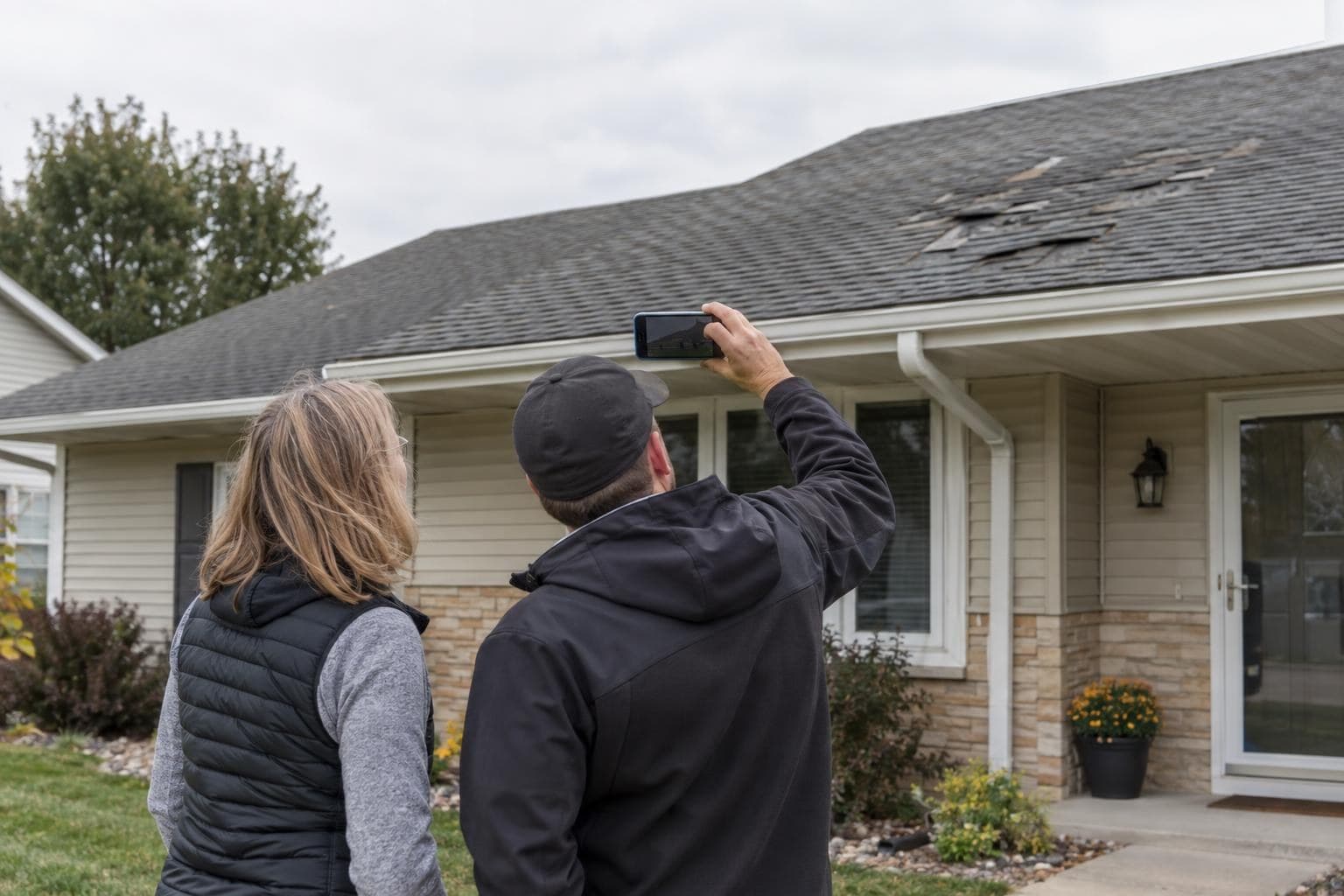
Roofing in Wisconsin is shaped by long winters, snow load, ice dams, wind-driven rain, and storm damage. For you, that means roof problems often show up as missing shingles, leaks, water intrusion, and hidden damage that needs to be documented carefully for an insurance claim. After a storm, you should notify your insurance agent or insurance company right away, take photos, keep damaged material samples when you can, and save receipts tied to repairs or replacement.
12
Cities covered
12
Roofing services
24
WI guides
What homeowners run into on Wisconsin roofs
Across the Wisconsin markets we serve, roofers repeatedly see the same inspection patterns. If one of these shows up after a storm or a leak, start with documentation and an inspection before approving a full replacement quote.
- Lake-effect snow loads and ice damming
- Hail damage from severe spring storms
- Freeze-thaw aging
- Wind damage from severe storms
- Older urban housing decking concerns
- Snow loads and ice damming
- Hail damage from spring storms
- Freeze-thaw shingle aging
What Wisconsin weather does to roofs
Wisconsin roofs take a beating from freeze-thaw cycles, heavy winter weather, summer storms, and wind. Snow and ice can stress shingles, flashing, and roof edges. Wind and hail can loosen or remove roofing materials. Rain can then work into those weak spots and turn a small issue into interior damage. In older homes, roof work can also overlap with lead-safe renovation concerns when paint-disturbing work affects pre-1978 housing.
Milwaukee
Milwaukee sees heavy lake-effect snow events, severe spring/summer storms with hail, and freeze-thaw cycles that age roof systems aggressively.
Milwaukee roofingMadison
Madison shares the Wisconsin severe winter and spring storm profile, heavy snow, ice damming, hail, and freeze-thaw stress.
Madison roofingGreen Bay
Green Bay sees brutal winters with heavy snow and ice damming off Lake Michigan's bay, plus severe spring/summer storms with hail.
Green Bay roofingWhat roofing costs in Wisconsin
Roof replacement cost in Wisconsin depends on roof size, pitch, material, decking, ventilation, code requirements, and storm upgrades. The state cost guide gives you the broad range; your city page adds the local weather and market context.
Start with the right number.
Use the roof replacement cost guide for statewide pricing, then compare repair pricing when the roof may not need a full tear-off.
Materials that make sense in Wisconsin
If you are considering impact-resistant shingles, ask your carrier whether it offers a discount for a Class 4 roof. Discounts are set by the insurance carrier, so you should confirm eligibility, documentation requirements, and how the roof product must be identified on your policy.
- Class 4 impact-resistant shingles for hail
- Standing-seam metal for snow shedding (recommended)
- Ice-and-water membrane at eaves and valleys as required by local code and the roofing manufacturer
- Premium synthetic underlayment
Storm claims, deductibles, and insurance rules
Storm claims are shaped by state law, policy language, and the way contractors are allowed to work with insurance proceeds. These are the rules worth knowing before a claim turns into a signed roofing contract.
Start your claim right away and document the damage
After a storm, notify your insurance agent or insurance company right away to begin the claim process. Make a list of damaged items for your adjuster, take photographs of the damage, keep swatches of damaged material when possible, and keep all receipts that document repair or replacement costs.
Do not throw out damaged property before the adjuster agrees
You should not throw out damaged property without the claim adjuster’s agreement. If local officials require disposal for safety reasons, photos and swatches can help support your claim.
Some water losses are not covered by a standard homeowners policy
Most homeowners policies do not cover flooding or seepage through the foundation. A separate flood insurance policy is necessary for that coverage. Damage from sewer backup or sump pump overflow is not covered by standard homeowners insurance or flood insurance, and requires a special endorsement on your homeowners policy.
You can escalate insurance complaints to the state
If you have a specific complaint about your insurance, the state says to refer it first to the insurance company or agent involved. If you do not receive satisfactory answers, you can contact OCI.
Roofers, roofing contractors, and roofing companies in Wisconsin
In Wisconsin, roofing and other residential exterior work often ties into dwelling contractor credential rules. The state says no person may obtain a building permit for a one- and two-family dwelling unless that person holds a Dwelling Contractor certification or Dwelling Contractor Restricted certification, and holds or engages a person who holds a Dwelling Contractor Qualifier certification. After a storm, the state also tells you to take your time, step back if you feel pressured to sign quickly, and check for complaints before you hire. When you talk with a local roofing contractor you have vetted, ask who will pull the permit if one is needed, ask for the business name you should look up with the state, and ask how they handle documentation for your adjuster.