Updated July 27, 2026

3D Roofs Editorial Team
Editorial Standards
Yes, homeowners insurance may cover roof replacement in Wisconsin when a storm causes functional damage. For does insurance cover roof replacement in Wisconsin, coverage depends on the policy language, cause of loss, exclusions, and the insurer's decision; verify those terms in your own documents. That difference matters. If wind, hail, or another sudden event damaged shingles, flashing, or roof edges badly enough that the roof can no longer do its job, you may have a covered claim. If the roof is just aging, losing granules over time, or reaching the end of its service life, that is usually treated as maintenance, not an insurance loss.
When does insurance cover a roof replacement in Wisconsin?
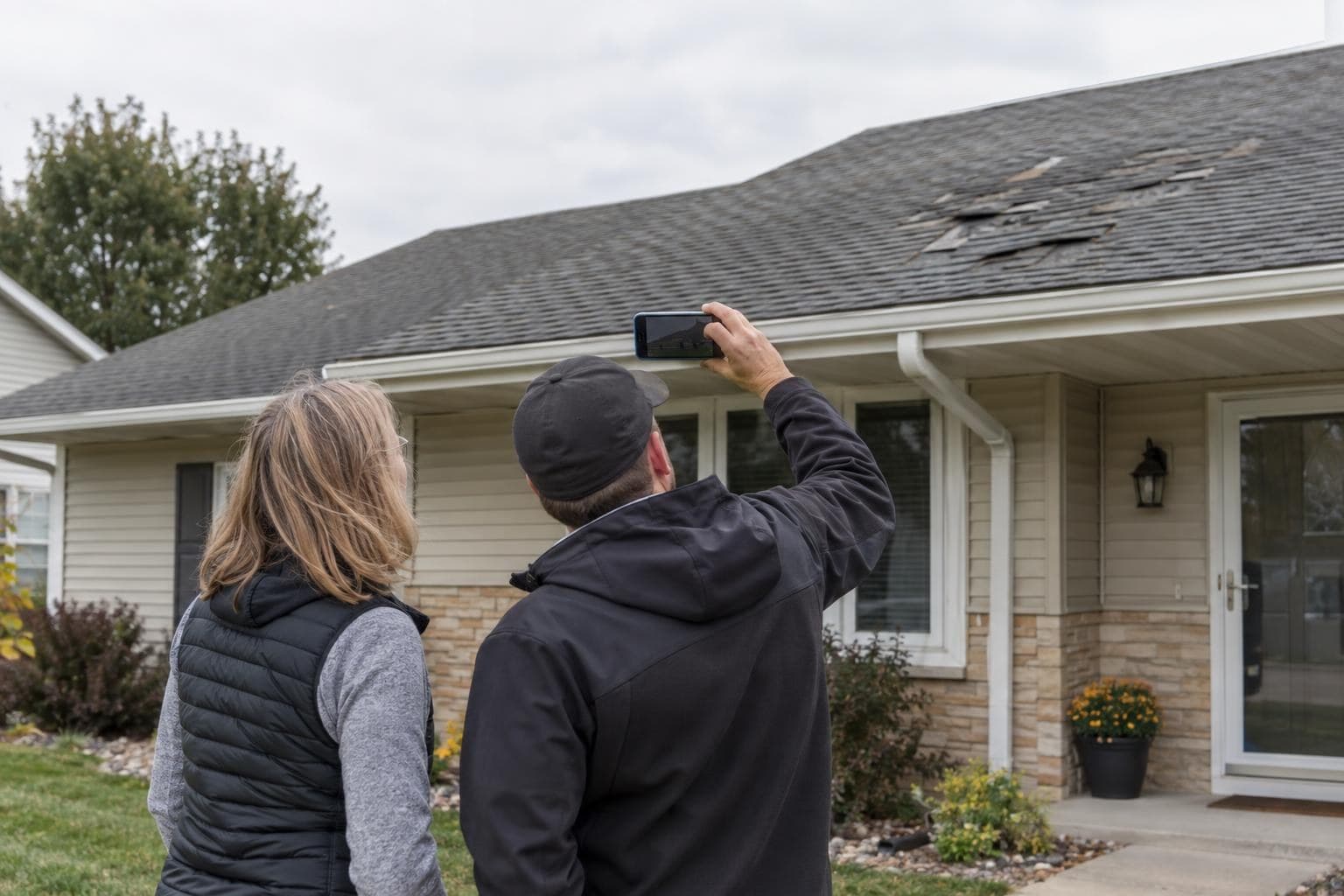
Insurance may cover replacement when the roof has functional storm damage, meaning the damage affects how the roof sheds water and protects your home. Wisconsin roofs are exposed to freeze-thaw cycles, heavy winter weather, summer storms, and wind. Snow and ice can stress shingles, flashing, and roof edges. Wind and hail can loosen or remove roofing materials. Rain can then work into those weak spots and turn a small issue into interior damage. In practical terms, coverage is more likely when a storm leaves missing shingles, torn tabs, punctures, lifted flashing, exposed underlayment, or other damage that creates a real path for water.
What roof damage is usually not covered by homeowners insurance?
Normal wear, deferred maintenance, and long-term deterioration are usually not covered. If shingles are brittle from age, the roof has slowly declined over time, or a leak came from an old problem that was never repaired, your carrier may deny the claim. The same goes for issues that look cosmetic but do not change the roof’s function. Another point that matters in Wisconsin is water source. Most homeowners policies do not cover flooding or seepage through the foundation. A separate flood insurance policy is necessary for that coverage. Damage from sewer backup or sump pump overflow is not covered by standard homeowners insurance or flood insurance, and requires a special endorsement on your homeowners policy.
How can you tell the difference between storm damage and wear?
Storm damage is tied to a specific event, wear happens slowly. A storm claim often comes with a date, visible impacts, and clear changes after wind or hail. Wear usually shows up as broad aging across the roof, with no single event to point to. If your home was fine before a storm and then you noticed missing shingles, new leaks, bent flashing, or debris impact marks right after, that supports a storm-damage claim. If the roof has looked tired for years and now leaks during ordinary weather, that is more likely to be seen as wear. A local roofer you have vetted can document what is present on the roof, and your adjuster decides what the policy covers.
Talk to a roofer today
Planning ranges, scope details, and a direct path to request a roofing quote.
What should you do right after a storm if you plan to file a claim?
Start your claim right away and document everything. The state guidance is clear: after a storm, notify your insurance agent or insurance company right away to begin the claim process. Make a list of damaged items for your adjuster, take photographs of the damage, keep swatches of damaged material when possible, and keep all receipts that document repair or replacement costs. Just as important, you should not throw out damaged property without the claim adjuster’s agreement. If local officials require disposal for safety reasons, photos and swatches can help support your claim.
- Take photos of the roof, gutters, downspouts, siding, and any interior staining
- Write down the storm date and what you noticed afterward
- Save loose shingles or other damaged material if you can do it safely
- Keep receipts for tarping or emergency protection work
- Ask your roofer for photo documentation you can share with the adjuster
How does the roof insurance claim process usually work?
In most cases, the flow is straightforward: you report the loss, the carrier opens a claim, an adjuster reviews the damage, and then the carrier decides what is covered under your policy. Your roofer may provide photos, measurements, and notes about the damaged areas. If the carrier agrees the damage is covered, it may pay for repair or replacement based on the policy terms. If the damage is minor, repairs are often enough. For an insurance-related roof project in Wisconsin, begin with documented damage, the policy deductible, and a property-specific repair or replacement scope. For an insurance-related roof project in Wisconsin, require the written schedule to account for roof geometry, access, weather protection, material handling, inspections, and possible deck work.
What does your deductible mean for a roof claim?
Your deductible is the amount you pay before insurance pays the covered portion. That means even if your claim is approved, the carrier does not pay every dollar. If the damage is limited and the repair cost is close to your deductible, filing may not help much. If the storm damage is widespread and replacement is needed, the deductible matters less to the overall value of the claim, but it still affects your out-of-pocket cost. The practical move is to compare the likely repair or replacement scope to your deductible and policy terms before you decide how to proceed.
What does a roof replacement cost if insurance does not cover it?
If your claim is denied because the roof has aged out or the damage is not covered, cost becomes the next question. For an insurance-related roof project in Wisconsin, start with current Wisconsin cost data, then test the planning range against a measured proposal that names the complete roof assembly.
Should you upgrade to a Class 4 roof after a storm claim?
It can make sense if you want better hail resistance and you plan to stay in the home. For an insurance-related roof project in Wisconsin, treat any impact-resistant roof credit as unconfirmed until the insurer identifies the eligible product, required documentation, premium portion, and amount in writing. That said, discounts are carrier-specific. If you are considering impact-resistant shingles, ask your carrier whether it offers a discount for a Class 4 roof. Discounts are set by the insurance carrier, so you should confirm eligibility, documentation requirements, and how the roof product must be identified on your policy. On the installation side, if permit questions come up, ask your local roofing contractor you have vetted who will pull the permit if one is needed, ask for the business name you should look up with the state, and ask how they handle documentation for your adjuster.
What if your roof claim is denied or underpaid?
You can ask questions, request a clearer explanation, and escalate if needed. Start by asking the carrier to show exactly why the claim was denied or why part of the roof was excluded. If you have better photos, new interior evidence, or contractor documentation that points to functional storm damage, provide it. If you have a specific complaint about your insurance, state guidance says to refer it first to the insurance company or agent involved. If you do not receive satisfactory answers, you can contact OCI.
The bottom line is simple: insurance may cover a Wisconsin roof replacement when a storm caused real functional damage, but it usually will not pay for age and wear. If you act quickly, document the damage well, and understand how your deductible affects the numbers, you can make a clearer decision about filing a claim or paying for the work yourself. If replacement is the better path, use current local pricing as your baseline and compare Class 3, Class 4, and metal options on the Wisconsin cost page and the calculator.
Sources
- National Association of Insurance Commissioners: What You Need to Know When Filing a Homeowners Claim
- National Association of Insurance Commissioners: Actual Cash Value Coverage and Replacement Cost Coverage
- Wisconsin Office of the Commissioner of Insurance, After a Storm Hits
- Wisconsin Department of Safety and Professional Services, Dwelling Contractor
Reviewed technical references for Wisconsin
Related Wisconsin roofing guides
Related services
Updated July 27, 2026
3D Roofs Editorial Team
Editorial Standards