Updated July 10, 2026

3D Roofs Editorial Team
Editorial Standards
When you need roof insurance claim help
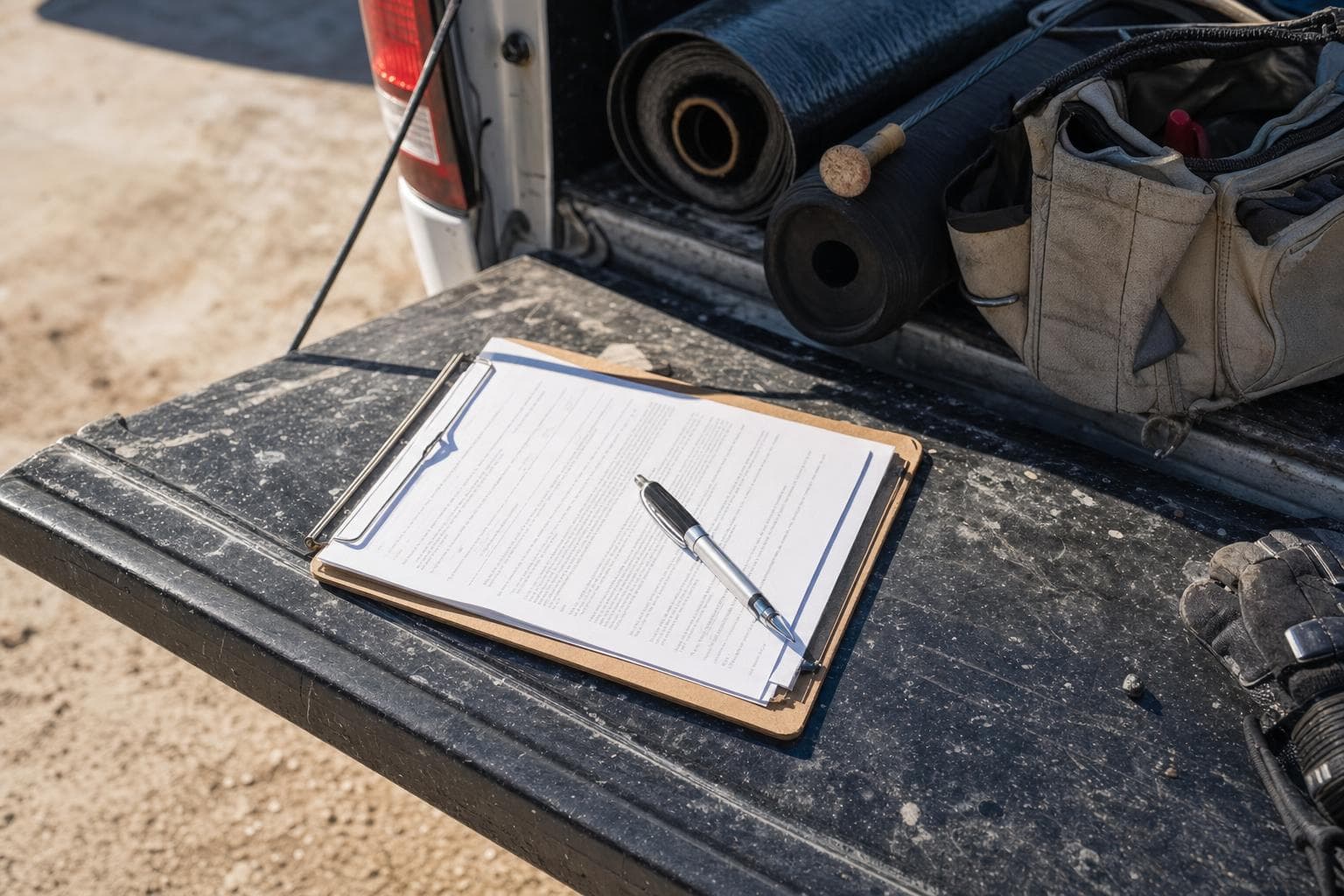
A roof insurance claim involves two separate questions: what happened to the roof and what the policy covers. A contractor can document visible conditions, write a construction scope, and explain repair methods. The insurer interprets the policy and decides coverage. Preserve dated photos, temporary-work receipts, estimates, carrier correspondence, and revised scopes, and keep policy advice or claim representation with the carrier, homeowner, or a properly licensed professional. Clear roles reduce confusion when the roofing estimate and insurance estimate differ.
Protect active openings, preserve dated evidence, and keep the contractor estimate, carrier estimate, policy correspondence, temporary-work receipts, and scope revisions together. A roofer can explain observed conditions and construction methods without deciding what the policy covers.
What useful roof-claim documentation should include
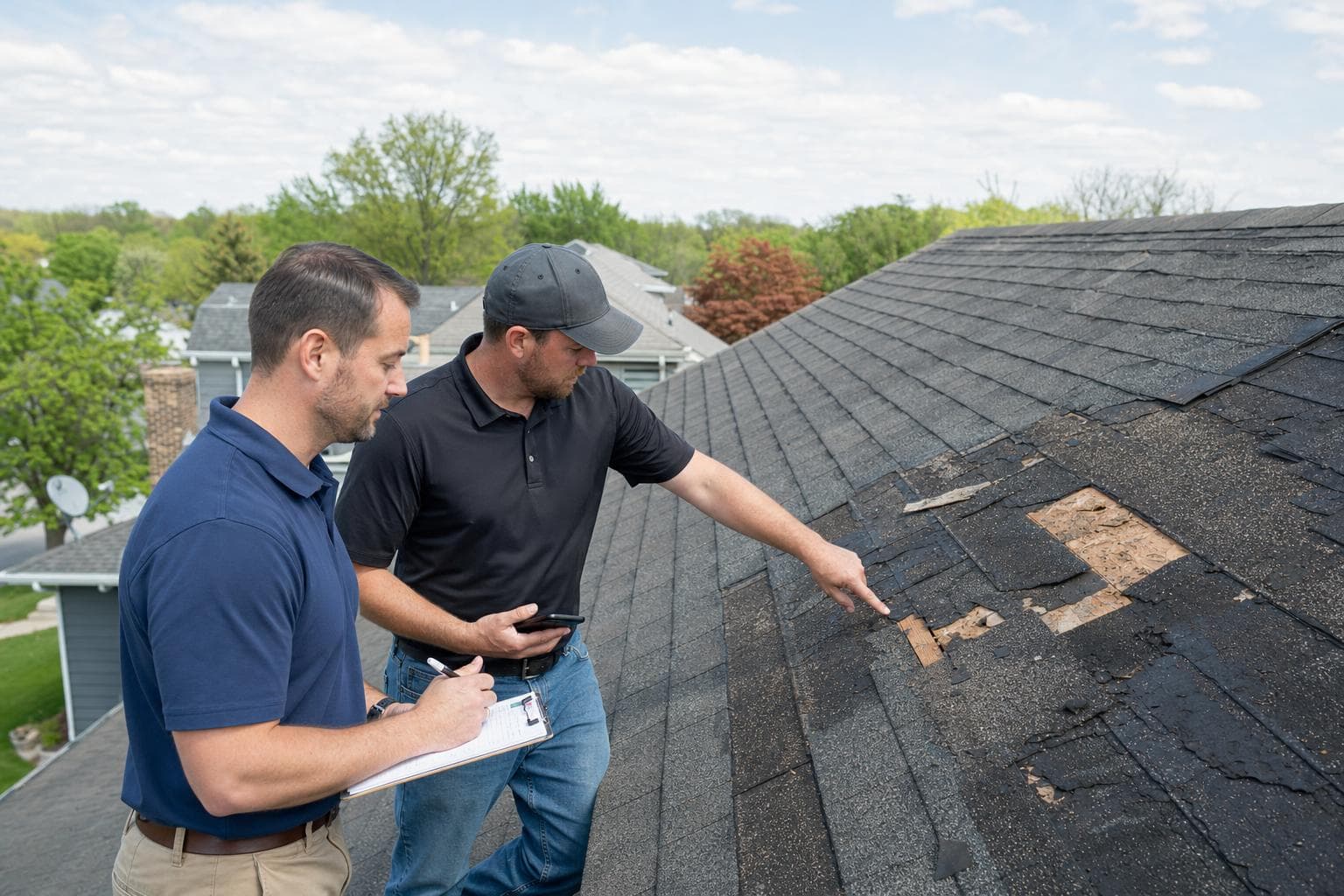
A roof claim has a construction track and a coverage track. The contractor documents conditions and writes the repair or replacement scope; the insurer interprets the policy and decides what is covered. Keeping those roles clear protects the homeowner from promises neither side can support.
Evidence and construction records to define
- Dated photographs and locations for roof areas, accessories, exterior conditions, and interior water
- Temporary-protection scope, photographs, invoices, and a record of what was covered
- Measurements, product identification, observed conditions, repairability findings, and access limits
- A construction estimate with labor operations, materials, quantities, assumptions, and exclusions
- Written rules for concealed work, scope revisions, change orders, completion records, and warranties
- Clear separation between contractor construction work and insurer or licensed-professional policy decisions
What changes construction cost and out-of-pocket exposure
- Measured repair or replacement scope and the exact installed roof system
- Temporary protection, access, height, slope, staging, and property protection
- Tear-off, disposal, flashing, ventilation, permits, inspections, and code-required construction
- Concealed deck or structural work found after removal and the contract's unit-price rules
- Deductible, valuation, limits, exclusions, and carrier decisions that affect out-of-pocket cost rather than construction price
- Elective upgrades or work outside any carrier scope
Roof claim cost context
The roof scope and the homeowner's out-of-pocket amount are not the same number. Use the repair and replacement references below to understand construction cost, then read the policy deductible, valuation, limits, exclusions, and carrier scope to understand the claim.
- Documented inspection
- Confirm the deliverable and whether any fee is credited toward later work
- $100-$1,475
- Temporary roof protection
- Keep photographs and the invoice when an insurance claim may follow
- $500-$2,150
- Typical targeted repair
- Review the construction estimate alongside the deductible and policy terms
- $450-$2,700
- Class 3 replacement reference
- 2,000 sq ft reference roof, before policy and property-specific adjustments
- $13,500
Cost ranges are estimates developed from standardized project scopes and reviewed pricing inputs. Government labor and regional cost data are used where applicable. See our Pricing Methodology for the exact sources, calculations, and review date. Actual prices vary by property, scope, materials or equipment, location, and provider.
For size tables, worked examples, and the assumptions behind this range, open the roof replacement cost guide.
How to keep a roof claim organized
Good claim handling is mostly evidence and records. Preserve the condition, understand the policy documents, reconcile construction scopes, and approve work only after the homeowner's responsibilities are clear.
- 1
Protect and preserve evidence
Address urgent water entry, photograph the roof and interior before permanent work, and keep receipts for reasonable temporary protection. Do not delay emergency measures simply to preserve an uncovered condition.
- 2
Review the policy and deductible
Read the declarations, deductible, valuation terms, endorsements, limits, and relevant notices. Direct coverage questions to the carrier or a properly licensed insurance professional.
- 3
Compare construction scopes
Line up roof measurements, damaged areas, materials, code items, flashing, ventilation, deck allowances, taxes, and overhead where applicable. Differences should be supported with measurements, photographs, or written requirements.
- 4
Close the project and records
Approve the final roofing scope, track changes, retain invoices and completion photographs, and submit documents the carrier requests. Keep warranty records and any recoverable-depreciation paperwork after the roof is complete.
Build the claim file before repairs cover the evidence
When it is safe, photograph exterior and interior conditions, note when the damage was discovered, protect the home from additional water entry, and save receipts for temporary work. Keep the inspection, contractor estimate, carrier correspondence, adjuster estimate, and any revised scope in one place. The file should make it possible to see what changed, what was done to protect the property, and how the proposed roofing work connects to the documented condition.
Read the policy and estimate before assuming the payout
Your deductible, coverage limits, exclusions, roof-surface provisions, and valuation method can all affect the amount and timing of payment. Compare the carrier estimate with the contractor's scope line by line, including tear-off, decking assumptions, flashing, ventilation, accessories, permits, and disposal. Ask the insurer to explain coverage questions in writing. A contractor can explain construction scope, but the carrier decides what the policy covers.
Know where the contractor's role ends
A roofer can inspect the roof, provide photographs, write an estimate, explain construction methods, and complete contracted roofing work. Policy interpretation, coverage advice, and representing you in a claim may require a different license depending on the state. Do not sign away control of the claim, and do not accept deductible promises or unexplained price changes. Keep the contract price, insurance estimate, supplements, upgrades, and your out-of-pocket responsibility clear in writing.
Common questions about roof insurance claim help
What should I document after roof damage?+
Address safety and reasonable temporary protection first. When safe, photograph each roof area, accessories, exterior conditions, attic or interior water, and temporary work; record when the event and damage were discovered; and keep receipts, estimates, and carrier messages together. If you report a claim, ask the insurer or agent for its required steps and deadlines. Do not delay necessary protection merely to preserve photographs.
What can a roofer do during an insurance claim?+
A roofer can inspect accessible areas, photograph and locate observed conditions, measure the roof, explain repairability and construction methods, write an estimate, perform temporary protection, and complete contracted work. The insurer interprets the policy and decides coverage. Policy advice, settlement negotiation, or representing the homeowner may require a separate license depending on the state.
Why can a contractor estimate and carrier estimate differ?+
The documents may use different measurements, affected areas, repair methods, product assumptions, labor operations, flashing details, ventilation, code items, deck allowances, waste, taxes, or valuation. Compare them line by line and ask each party to explain its own assumptions. A higher or lower total does not reveal which construction scope is complete.
Should I report a roof claim or pay for the repair myself?+
Start with safety, a construction estimate when practical, the deductible, and the policy's reporting requirements and deadlines. The decision also depends on cause, exclusions, valuation, limits, and prior claim history that a roofer cannot interpret for you. Direct coverage and premium questions to the insurer, agent, state regulator, or a properly licensed insurance professional.
What should I do if the carrier denies or limits the roof scope?+
Ask for the decision and reasons in writing, then compare them with the photographs, measurements, contractor estimate, policy documents, and the carrier's review or complaint procedures. A roofer can clarify construction quantities and methods. Coverage disputes, policy interpretation, negotiation, or representation should stay with the homeowner and appropriately licensed insurance professionals.
Can a contractor waive or cover my deductible?+
Deductible rules vary by state and policy, but an offer to hide, absorb, or misrepresent the deductible is a serious warning. Require the contract and invoice to reflect the real scope and price, keep control of the claim, and verify your responsibility with the carrier or state insurance regulator before signing.
What are depreciation and a roof-claim supplement?+
Depreciation is an insurer's valuation adjustment; whether any amount is recoverable depends on the policy and claim. A supplement is a request to review documented scope or price information that was not included in an earlier estimate. Neither term guarantees payment. Ask the carrier to explain its process and let the contractor support construction differences with measurements, photographs, invoices, or written requirements.
Ask About Roof Damage Documentation
Call to ask about documenting roof damage and getting a repair quote, or start by sharing your project details.