

Updated July 10, 2026

3D Roofs Editorial Team
Editorial Standards
Florida is one of the most demanding roofing markets in the country, and almost every rule that shapes it traces back to one peril: hurricanes. The state writes the toughest wind-resistance building code in the nation, requires insurers to discount roofs that can prove they are built to take a storm, and licenses roofers at the state level. Here is what actually matters for a Florida roof, from the code your installer has to meet to the inspection that can cut your premium.
62
Cities covered
12
Roofing services
26
FL guides
What homeowners run into on Florida roofs
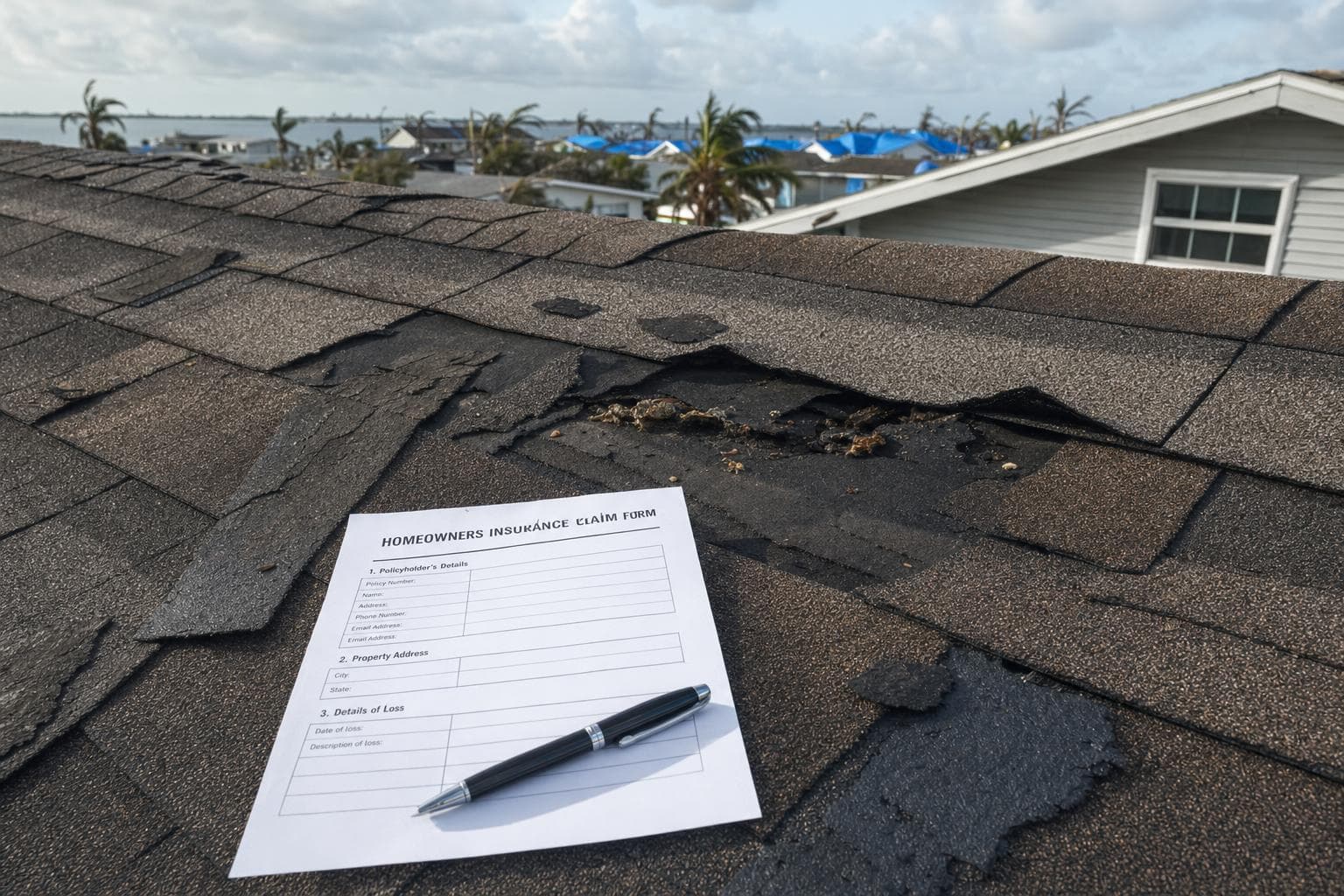
Across the Florida markets we serve, roofers repeatedly see the same inspection patterns. If one of these shows up after a storm or a leak, start with documentation and an inspection before approving a full replacement quote.
- Hurricane wind damage on insufficiently strapped roof systems
- Salt-air corrosion on metal flashings and fasteners
- UV-accelerated granule loss on asphalt shingles
- Wind-driven rain leaks at roof penetrations and tile lifts
- Concrete tile roof underlayment failure on older homes
- Hurricane wind damage on aging shingle systems
- Salt-air corrosion on metal accessories near the bay
- UV granule loss on south- and west-facing slopes
What Florida weather does to roofs
Florida roofs live and die by wind and water. Hurricanes and tropical systems drive wind uplift and wind-driven rain that find any weak fastener, seam, or edge, and that risk runs highest near the coast. On top of that, near-constant sun, heat, humidity, and heavy summer rain age shingles and grow algae faster than in most of the country, and salt air along the shore is hard on metal and flashing. The right roof for your home depends on how exposed you are to all of it.
Miami
Miami-Dade sits in Florida's High-Velocity Hurricane Zone (HVHZ), where hurricanes and named storms create recurring wind, wind-driven rain, and water-entry risk.
Miami roofingTampa
Tampa Bay has historically been one of the most vulnerable major US cities to a direct hurricane strike. Code-plus construction is standard, and 2024's Helene/Milton brought heavy roof damage to the metro.
Tampa roofingOrlando
Central Florida sees fewer direct hurricane hits than the coasts but still gets damaging wind and water from passing storms, Charley (2004), Irma (2017), Ian (2022) all caused major Orlando-area damage.
Orlando roofingWhat roofing costs in Florida
Roof replacement cost in Florida depends on roof size, pitch, material, decking, ventilation, code requirements, and storm upgrades. The state cost guide gives you the broad range; your city page adds the local weather and market context.
Start with the right number.
Use the roof replacement cost guide for statewide pricing, then compare repair pricing when the roof may not need a full tear-off.
Materials that make sense in Florida
Wind-rated and impact-resistant materials matter more in Florida than almost anywhere: products approved for the High-Velocity Hurricane Zone are engineered to survive extreme wind, and stronger roof attachment and sealing are exactly the features the state's wind-mitigation discount rewards. Ask which roofing systems carry the right Florida Product Approval or Miami-Dade Notice of Acceptance for your county, and ask how the install will score on the wind-mitigation form before you sign.
- HVHZ-approved tile or shingle systems with 170+ mph wind rating
- Stainless steel fasteners and aluminum flashings for salt-air durability
- Standing-seam metal with concealed clips and high wind rating
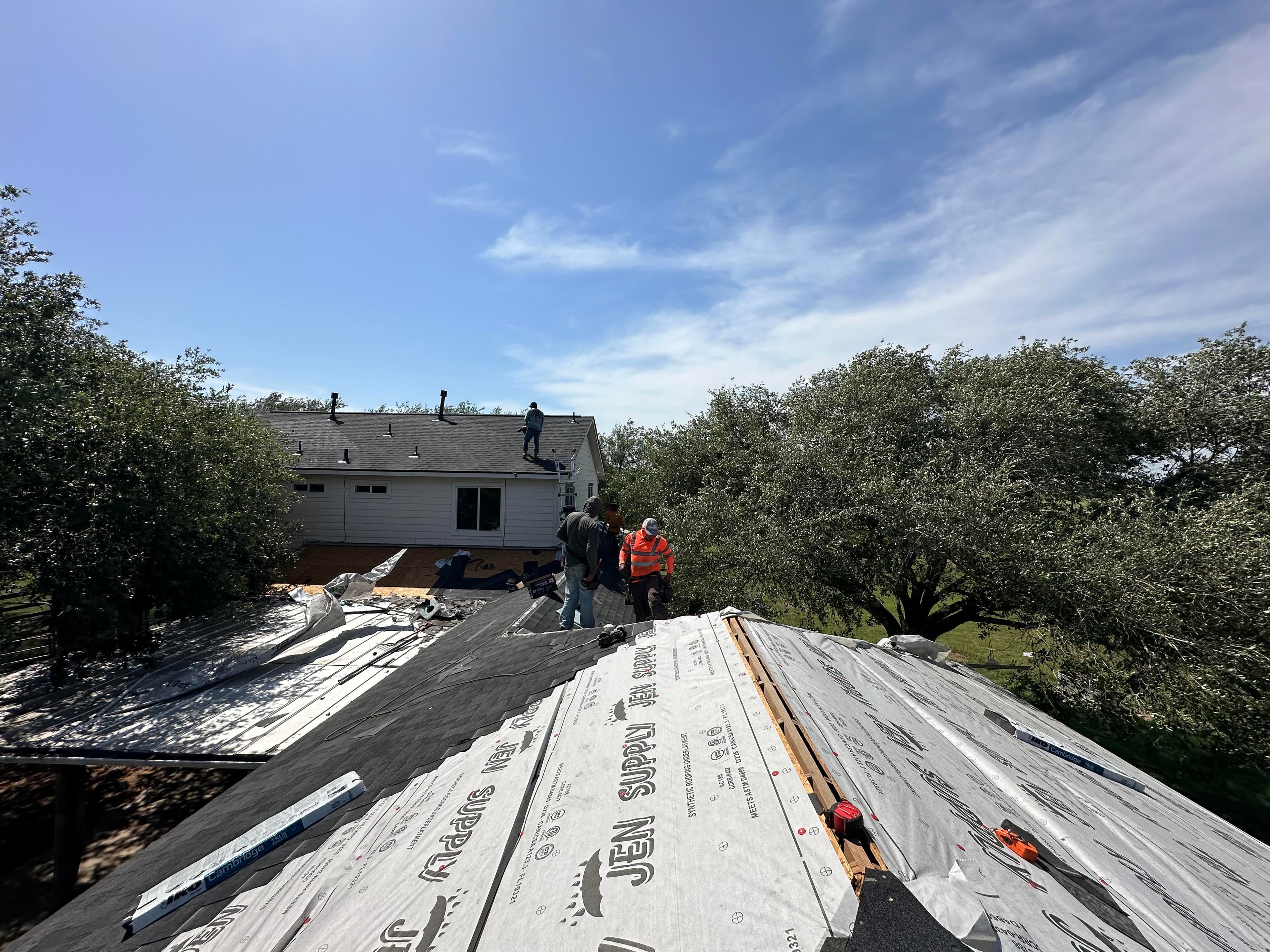
- Hurricane-grade synthetic underlayment + secondary water barrier
Storm claims, deductibles, and insurance rules
Storm claims are shaped by state law, policy language, and the way contractors are allowed to work with insurance proceeds. These are the rules worth knowing before a claim turns into a signed roofing contract.
The strictest roofing code in the country, and it is strictest in South Florida
Florida builds to the Florida Building Code, and Miami-Dade and Broward counties sit in the High-Velocity Hurricane Zone (HVHZ), which carries the toughest wind-resistance roofing rules in the United States. In the HVHZ, every shingle, tile, underlayment, and fastener has to carry a Miami-Dade Notice of Acceptance or Florida Product Approval rated for that zone, and installs follow stricter fastening and underlayment standards. Whoever roofs your home has to pull a permit and meet the code for your area, so confirm they do.
You no longer always have to replace the whole roof to fix part of it
Until 2022, Florida's "25% rule" generally forced a full roof replacement if more than 25% of the roof was repaired or replaced in a year. SB 4-D changed that: if your roof was built to the 2007 Florida Building Code or later (roughly, permitted on or after March 1, 2009), now only the repaired section has to be brought up to current code, not the entire roof. That can be the difference between a repair and a tear-off, so it is worth knowing where your roof stands.
A wind-mitigation inspection can cut your premium, and the discount is required by law
Florida law (Statute 627.0629) requires home insurers to give premium credits for verified wind-resistant features, things like a hip roof shape, a sealed roof deck, and code-rated shingle attachment. A licensed inspector documents them on the state's Uniform Mitigation Verification form (OIR-B1-1802), and the windstorm savings can be substantial. If you are replacing or upgrading a roof, get the wind-mitigation inspection afterward so you actually capture the credit you are owed.
Coastal and windstorm note
Along the Florida coast, windstorm risk drives everything. Homeowners who cannot get wind coverage on the private market often turn to Citizens Property Insurance Corporation, the state-backed insurer of last resort, which can write wind-only or multi-peril policies but does not cover flood, so you still need separate flood insurance. A code-compliant roof and a clean wind-mitigation inspection are your best levers on both eligibility and price here, and in Miami-Dade and Broward your roof must meet the HVHZ rules. Make sure a coastal roofer builds to your county's wind code and sets you up to claim the wind-mitigation credit.
Roofers, roofing contractors, and roofing companies in Florida
Florida does license roofers at the state level, so here "licensed" means something you can check. Verify it: state-certified roofing contractors carry a license starting with "CCC," and registered (local) ones start with "RC," and you can confirm status and any complaints free at the Department of Business and Professional Regulation (myfloridalicense.com). Then confirm current general-liability and workers'-compensation insurance, real local references, and hands-on experience with your area's code and wind-mitigation requirements. A roofer who knows the HVHZ rules and how to set you up for the wind-mitigation discount is worth far more than one who does not.