

Updated July 10, 2026

3D Roofs Editorial Team
Editorial Standards
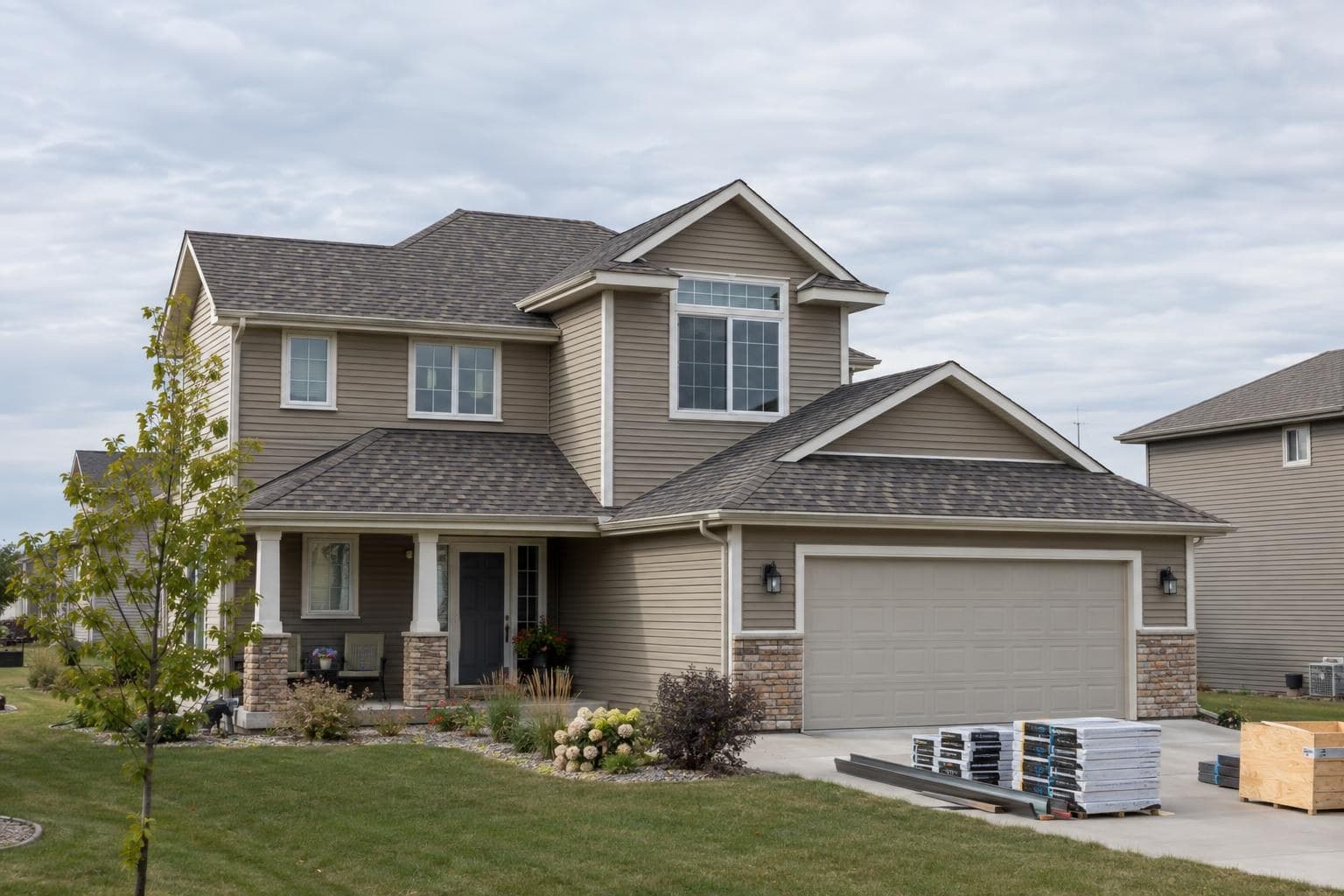
Roofing in North Dakota is shaped by weather first. State consumer guidance points to storms, hail, and flooding as major risks to homes and belongings, and standard homeowners coverage typically protects the dwelling, including the roof, from covered perils like fire, wind, and hail. For you as a homeowner, that means roof decisions often come down to storm durability, clear documentation after a loss, and making sure your contractor is properly registered when the job crosses the state threshold.
7
Cities covered
12
Roofing services
22
ND guides
What homeowners run into on North Dakota roofs
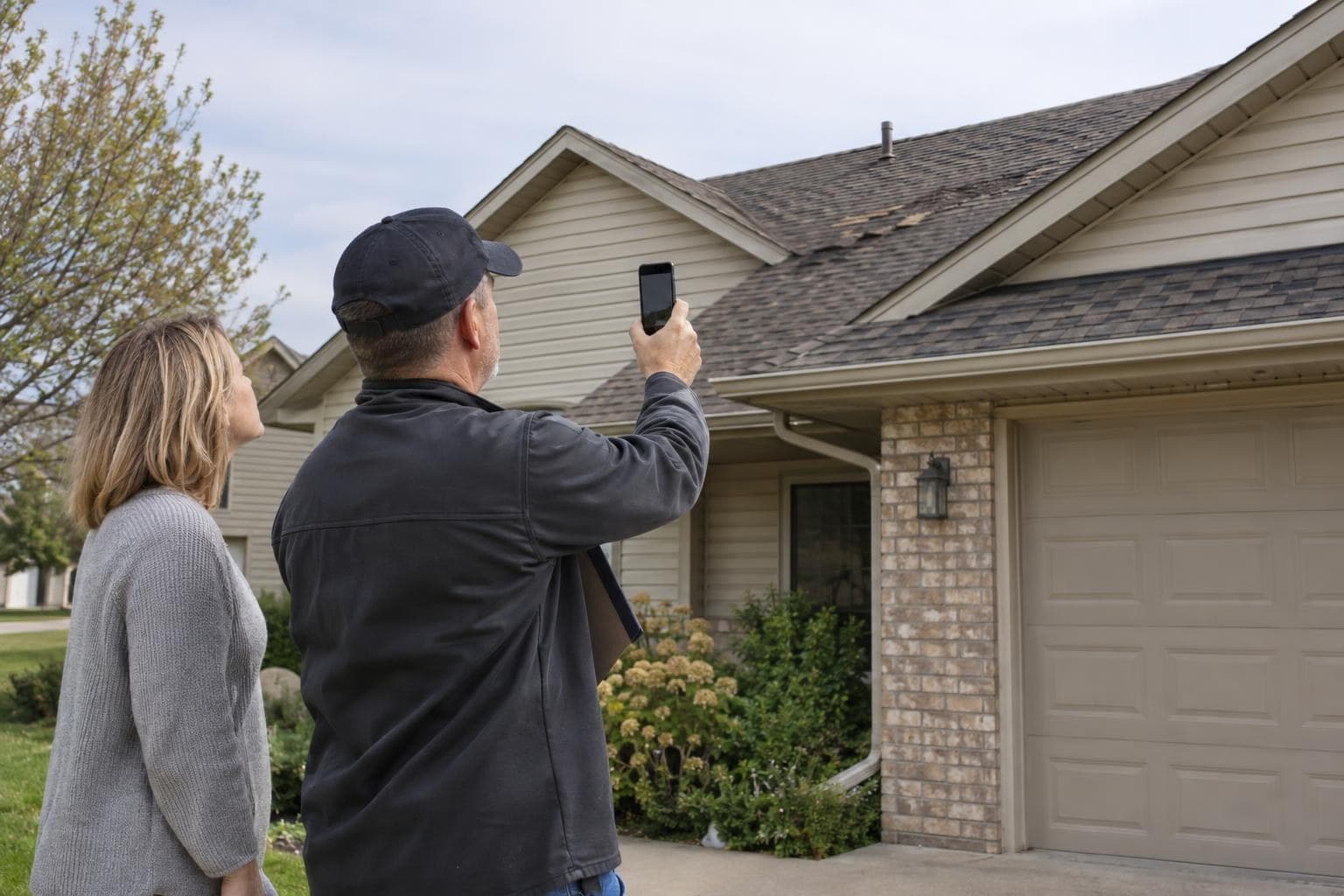
Across the North Dakota markets we serve, roofers repeatedly see the same inspection patterns. If one of these shows up after a storm or a leak, start with documentation and an inspection before approving a full replacement quote.
- Extreme snow loads and ice damming
- Hail damage from summer storms
- Extreme freeze-thaw aging (sub-zero cold)
- Wind damage from severe storms
- Ice dam water intrusion
- Extreme freeze-thaw aging
- Wind-lifted shingles and torn ridge caps from steady prairie gusts
- Heavy snow load pressing on garages, porches, and low-slope roof sections
What North Dakota weather does to roofs
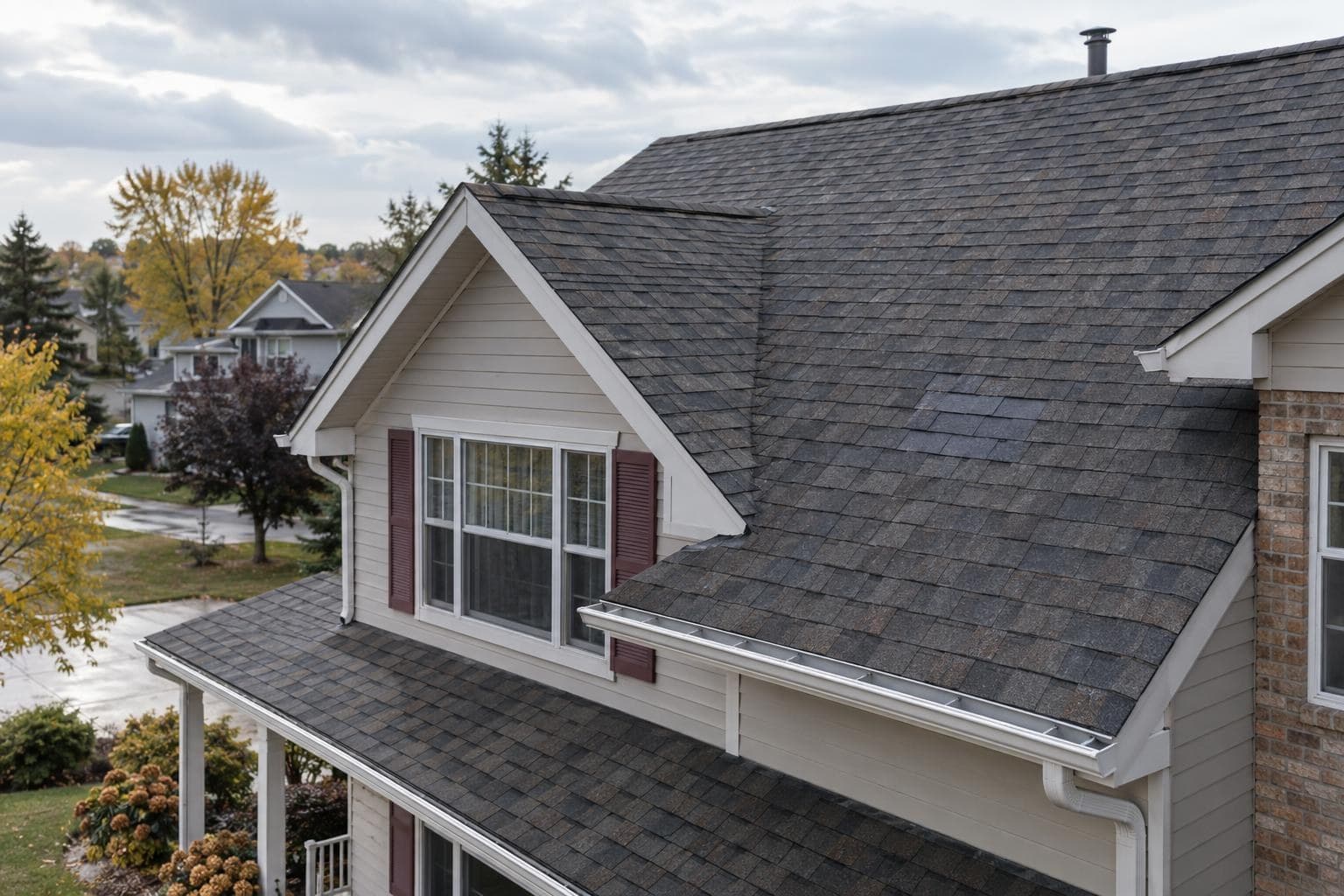
North Dakota roofs take a beating from hail, strong wind, heavy storms, and long winter weather. Those conditions can damage shingles, flashing, and exposed roof components, and they can turn a small leak or impact point into a bigger problem if repairs wait. Flooding is also a separate risk in the state, and standard homeowners policies do not cover flood damage, so roof leaks and flood losses can end up being handled very differently by your policy.
Fargo
Fargo sees brutal winters with extreme cold and heavy snow, plus severe summer storms with hail and tornado risk. Snow loads and extreme freeze-thaw dominate.
Fargo roofingBismarck
Bismarck shares the extreme North Dakota winter profile plus summer hail and severe storms.
Bismarck roofingGrand Forks
Grand Forks sees brutal winters with extreme cold and heavy snow, plus severe summer storms with hail and tornado risk. Snow loads and extreme freeze-thaw dominate.
Grand Forks roofingWhat roofing costs in North Dakota
Roof replacement cost in North Dakota depends on roof size, pitch, material, decking, ventilation, code requirements, and storm upgrades. The state cost guide gives you the broad range; your city page adds the local weather and market context.
Start with the right number.
Use the roof replacement cost guide for statewide pricing, then compare repair pricing when the roof may not need a full tear-off.
Materials that make sense in North Dakota
If you are considering a Class 4 impact-resistant shingle, ask your carrier whether it offers a homeowners discount for that upgrade. North Dakota's consumer guidance says premiums vary by company and that you should shop around for coverage, so any Class 4 savings will depend on your insurer and policy. It is smart to confirm what proof your carrier wants before installation, such as the product identification and final invoice from your roofer.
- Standing-seam metal for snow shedding
- Class 4 impact-resistant shingles
- Ice-and-water membrane at eaves and valleys as required by local code and the roofing manufacturer
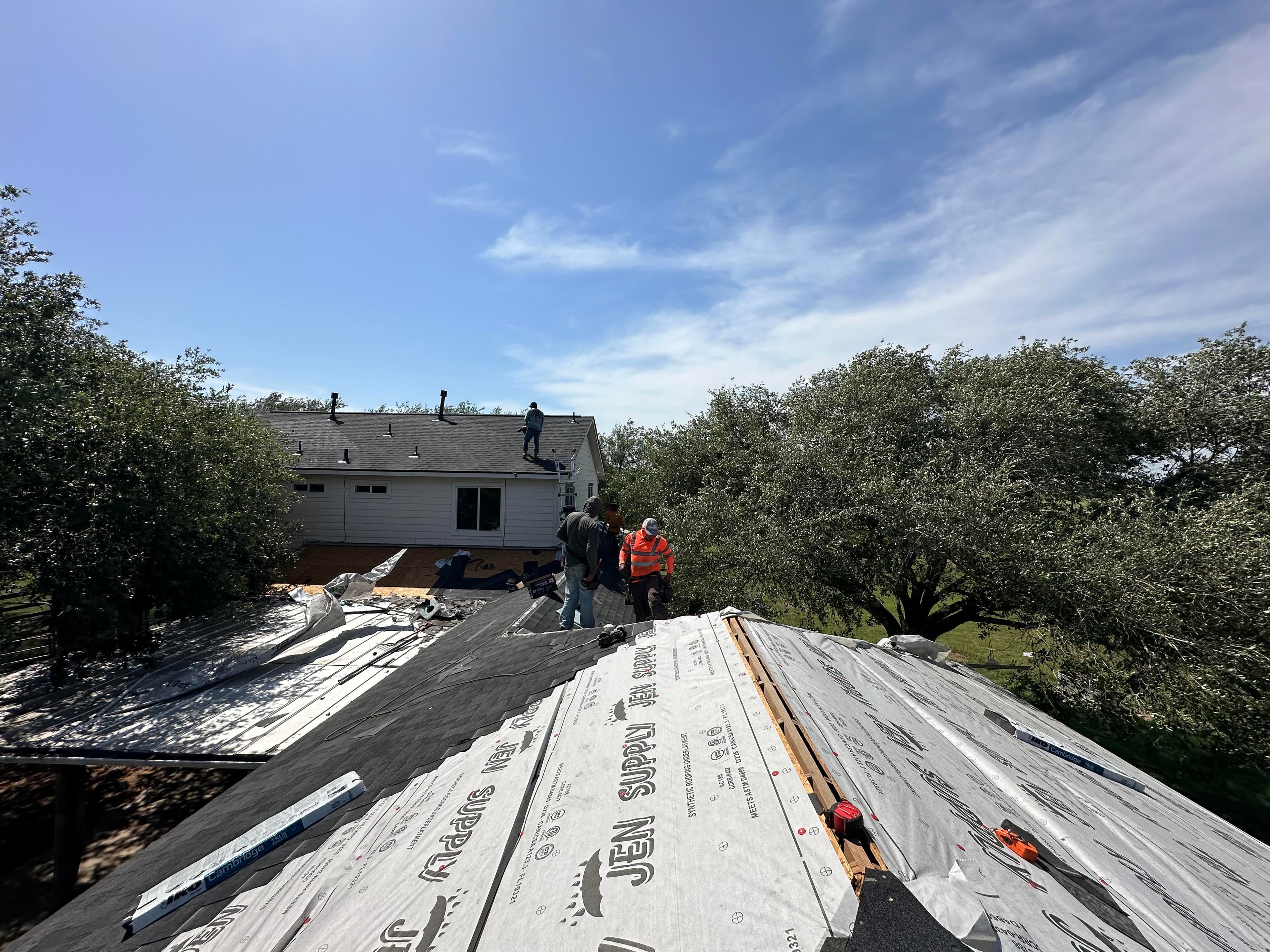
- Premium synthetic underlayment
Storm claims, deductibles, and insurance rules
Storm claims are shaped by state law, policy language, and the way contractors are allowed to work with insurance proceeds. These are the rules worth knowing before a claim turns into a signed roofing contract.
Standard homeowners coverage usually includes the roof for covered wind and hail losses
The North Dakota Insurance Department says standard homeowners insurance typically includes dwelling coverage that protects the physical structure of your home, including walls, roof, and attached structures, from covered perils like fire, wind, and hail. Policies may have limits and exclusions, so you should review the coverage details carefully before a loss happens.
Flood damage is generally not covered by a standard homeowners policy
State consumer guidance says standard homeowners and renters policies do not cover every type of damage, and flood damage is a common exclusion. Homeowners can purchase separate flood insurance through the National Flood Insurance Program. If your roof damage happens during a broader flood event, do not assume your standard policy handles the whole loss.
You should document damage, protect the property, and submit proof of loss when requested
The state says after a loss you should notify your insurance agent or company as soon as possible, take necessary steps to protect the property from further loss, keep accurate records of repair expenses, and document the damage. It also says you should submit a statement of loss, proof of loss, within 60 days from the company's request, or in the case of a National Flood Insurance Program policy, within 60 days from the date of loss.
If you dispute claim value or handling, you can escalate and file a complaint
North Dakota says insurers must respond promptly to notice of loss, work with the consumer in the investigation of the claim, and make a good faith effort to promptly, fairly and equitably settle the claim. If you disagree about coverage or the amount of damage, the state recommends working with the company, which may require contacting the supervising claims manager. If that does not resolve the matter, you may file a complaint with the North Dakota Insurance Department.
Roofers, roofing contractors, and roofing companies in North Dakota
North Dakota gives you a clear starting point for contractor checks. The Secretary of State says when the cost, value, or price of a job exceeds {{PRICE_UNAVAILABLE}}, the person doing the work must be licensed as a contractor in North Dakota, and you can search registered contractors to see if the license is in good standing. The same source says the Office of the Secretary of State accepts certain complaints against contractors. For a roof replacement or major repair, ask your roofer for the exact business name they use for registration, confirm their North Dakota contractor status, and make sure your contract matches that business name. Also remember the Insurance Department says workmanship is generally between you and the contractor after claim settlement, so do not treat insurance approval as a quality guarantee for the repair itself.