Updated July 27, 2026

3D Roofs Editorial Team
Editorial Standards
Yes, homeowners insurance in North Dakota usually covers roof repair or replacement when the damage comes from a covered storm event such as wind or hail. For does insurance cover roof replacement in North Dakota, coverage depends on the policy language, cause of loss, exclusions, and the insurer's decision; verify those terms in your own documents. If your shingles were creased, torn, lifted, or punctured by a storm, you may have a claim. If the roof is simply aging, losing granules over time, or failing from long-term neglect, that is usually a maintenance issue, not an insurance loss. North Dakota roofs are exposed to hail, strong wind, heavy storms, and long winter weather, so the difference between sudden functional damage and normal wear matters a lot when you decide whether to file.
Does homeowners insurance usually cover a roof in North Dakota?
Yes. The North Dakota Insurance Department says standard homeowners insurance typically includes dwelling coverage that protects the physical structure of your home, including walls, roof, and attached structures, from covered perils like fire, wind, and hail. Policies may have limits and exclusions, so you should review the coverage details carefully before a loss happens. In plain terms, that means your roof is commonly covered when a storm causes direct damage. The claim still depends on what happened, what your policy says, and how the damage is documented.
How does the policy distinguish event damage from wear?
Covered damage is usually sudden, storm-related, and functional. Think hail strikes that bruise or crack shingles, wind that lifts or removes shingles, or storm damage to flashing and exposed roof components that lets water in. Not covered, in most cases, is gradual wear: old shingles getting brittle, normal granule loss from age, slow deterioration, or leaks that got worse because repairs waited too long. In North Dakota, harsh weather can turn a small impact point into a bigger problem if repairs wait, so it is smart to document issues early and act quickly after a storm.
- Usually not covered: age-related wear, deferred maintenance, and gradual deterioration
- Separate issue: flooding is generally not covered by a standard homeowners policy, even if the event involves roof leaks and water damage happening at the same time
Will insurance pay for a full roof replacement or just a repair?
It can be either. If the storm damage is limited and repairable, the carrier may pay for a repair. If the covered damage is widespread enough that repair is not practical, a full replacement may be the path. For current North Dakota planning prices related to does insurance cover roof replacement, use the cost guide and calculator, then compare the contractor's property-specific written scope.
Talk to a roofer today
Planning ranges, scope details, and a direct path to request a roofing quote.
How do deductibles affect whether a roof claim makes sense?
Your deductible comes out of your pocket first, so it directly affects whether filing is worth it. If damage is minor and the repair cost is close to your deductible, the claim may not help much. If damage is severe and pushes the loss toward replacement, the deductible matters less in the bigger picture, but it still reduces what the carrier pays. The practical move is to compare the likely repair or replacement cost with your deductible before you assume insurance will handle most of the bill.
What should you do right after storm damage to your roof?
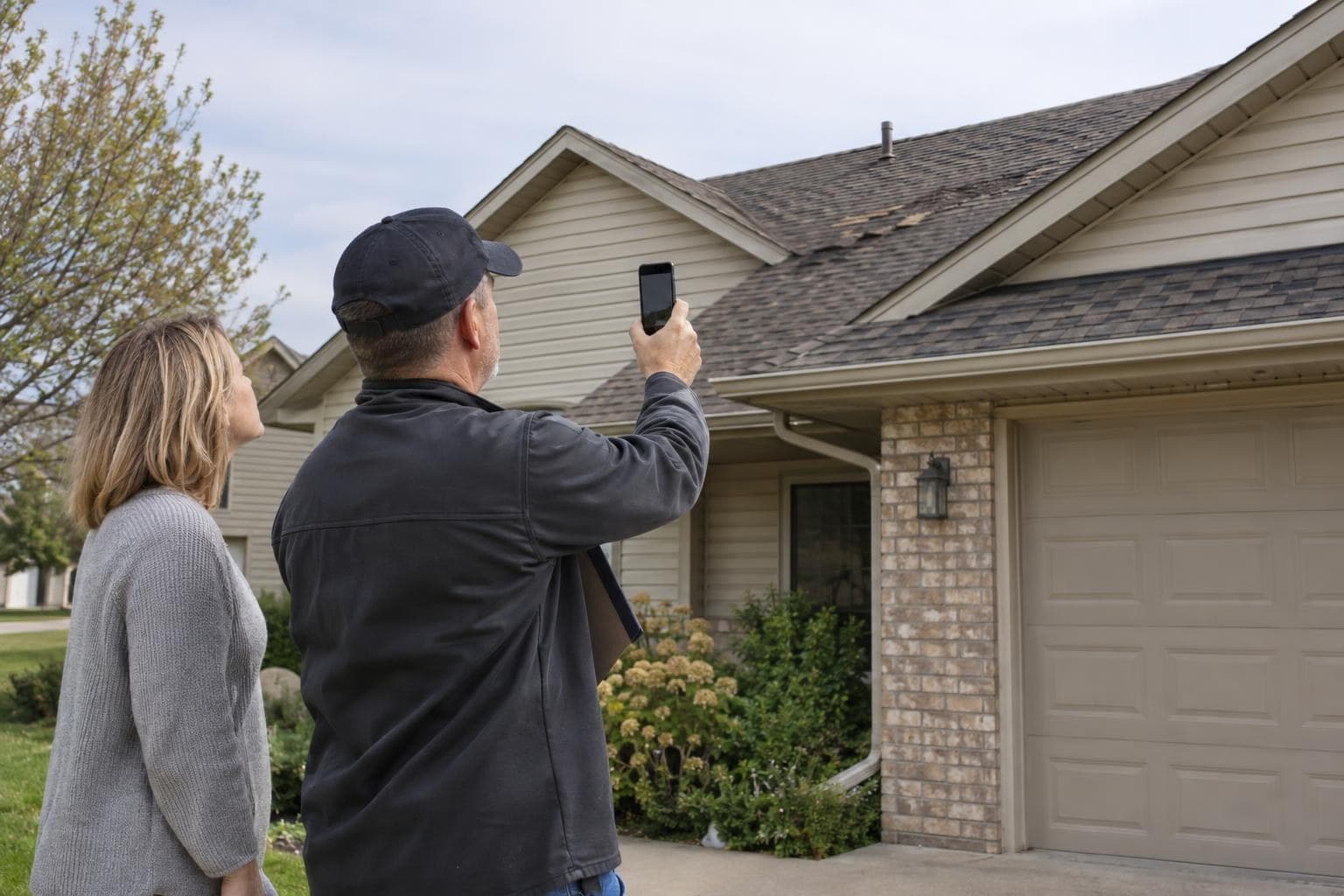
Document the damage, protect the property, and notify your insurance company as soon as possible. The North Dakota Insurance Department says after a loss you should notify your insurance agent or company as soon as possible, take necessary steps to protect the property from further loss, keep accurate records of repair expenses, and document the damage. That means photos, notes about when the storm happened, and records of any temporary steps used to stop more water from getting in. If your company requests a statement of loss, proof of loss, the North Dakota Insurance Department says you should submit it within 60 days from the company's request, or in the case of a National Flood Insurance Program policy, within 60 days from the date of loss.
What does the roof insurance claim process usually look like?
It usually starts with your notice of loss, then inspection, then a decision on coverage and scope. After you report the damage, the carrier investigates the claim and reviews whether the loss is covered. A roofing contractor you are considering can inspect the roof and help you understand what damage appears storm-related versus what looks like wear. If the claim is approved, the next step is agreeing on repair versus replacement and scheduling the work. For does insurance cover roof replacement in North Dakota, ask the contractor to put the expected working days and weather plan in writing; timing depends on roof size, material, access, crew scheduling, and conditions found after tear-off. Good records help at every step because they show the condition of the roof, the cause of damage, and what you did to prevent further loss.
Is flood-related roof damage covered by homeowners insurance?
Usually not under a standard homeowners policy. State consumer guidance says standard homeowners and renters policies do not cover every type of damage, and flood damage is a common exclusion. Homeowners can purchase separate flood insurance through the National Flood Insurance Program. If your roof damage happens during a broader flood event, do not assume your standard policy handles the whole loss. In other words, wind-driven roof damage and flood loss can be handled very differently by your policy, even when they happen during the same storm.
Should you upgrade to a Class 4 shingle after an insurance claim?
It can make sense if you want more impact resistance and your budget supports the upgrade. For does insurance cover roof replacement in North Dakota, any insurance credit depends on the carrier, policy, address, and exact product; get the amount and documentation requirements from the insurer in writing. North Dakota consumer guidance says premiums vary by company and that you should shop around for coverage, so any Class 4 savings will depend on your insurer and policy. Before installation, ask your carrier what proof it wants, such as product identification and the final invoice from your roofer.
What if you disagree with the claim decision or the amount?
Start by pushing for a clear explanation and escalate inside the company if needed. North Dakota says insurers must respond promptly to notice of loss, work with the consumer in the investigation of the claim, and make a good faith effort to promptly, fairly and equitably settle the claim. If you disagree about coverage or the amount of damage, the state recommends working with the company, which may require contacting the supervising claims manager. If that does not resolve the matter, you may file a complaint with the North Dakota Insurance Department.
How do you choose the right roofer for insurance work in North Dakota?
Use the claim to fix covered damage, but still do your own homework on who does the work. North Dakota gives you a clear starting point for contractor checks. The Secretary of State says when the cost, value, or price of a job exceeds an amount that must be confirmed for the written scope, the person doing the work must be licensed as a contractor in North Dakota, and you can search registered contractors to see if the license is in good standing. For a roof replacement or major repair, ask your roofer for the exact business name they use for registration, confirm their North Dakota contractor status, and make sure your contract matches that business name. Also remember the Insurance Department says workmanship is generally between you and the contractor after claim settlement, so insurance approval is not a quality guarantee for the repair itself.
North Dakota roofing costs
Sources reviewed
- North Dakota Insurance Department, Homeowners & Renters
- North Dakota Insurance Department, How to Submit a Claim
- Georgia Attorney General Consumer Protection Division: Beware of Roofers Scamming Storm Victims
- Illinois Department of Financial and Professional Regulation: Find a Licensed Roofer: State Law and Consumer Guidance
- Arizona Department of Insurance and Financial Institutions: Homeowners Insurance
Related services
Updated July 27, 2026
3D Roofs Editorial Team
Editorial Standards