

Updated July 10, 2026

3D Roofs Editorial Team
Editorial Standards
Roofing in Vermont is shaped by long winters, snow load, ice, wind-driven rain, and freeze-thaw swings. For you as a homeowner, that means roof decisions usually come down to weather durability, leak prevention, attic ventilation, and flashing details. Vermont also requires residential contractors to register with the state, so when you hire for a roof repair or replacement, you should confirm your roofer is registered before work begins.
7
Cities covered
12
Roofing services
24
VT guides
What homeowners run into on Vermont roofs
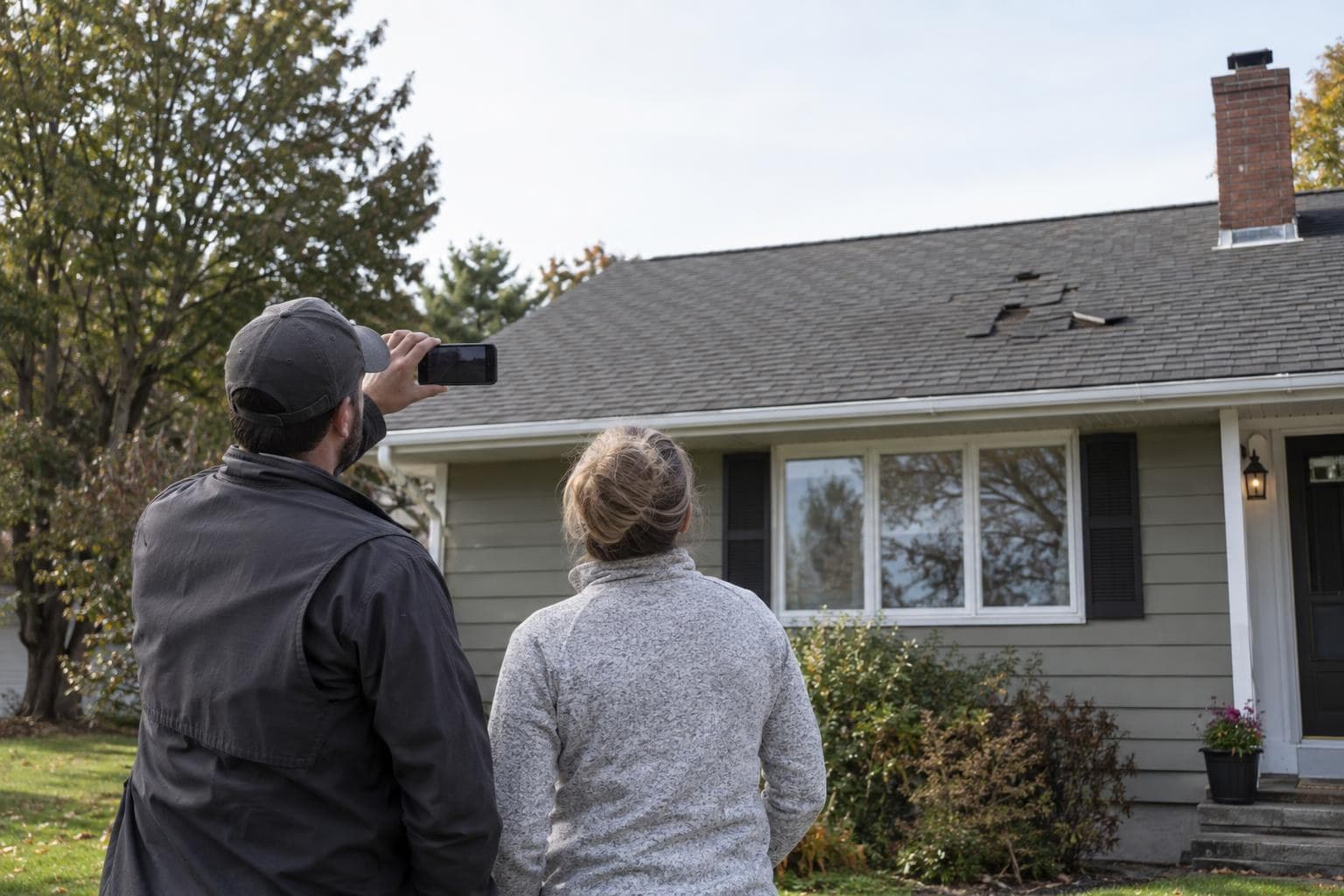
Across the Vermont markets we serve, roofers repeatedly see the same inspection patterns. If one of these shows up after a storm or a leak, start with documentation and an inspection before approving a full replacement quote.
- Very heavy snow loads and ice damming
- Extreme freeze-thaw aging
- Nor'easter wind damage
- Ice dam water intrusion at eaves
- Older home decking concerns
- Extreme snow loads and ice damming
- Ice dam water intrusion
- Older historic home decking concerns
What Vermont weather does to roofs
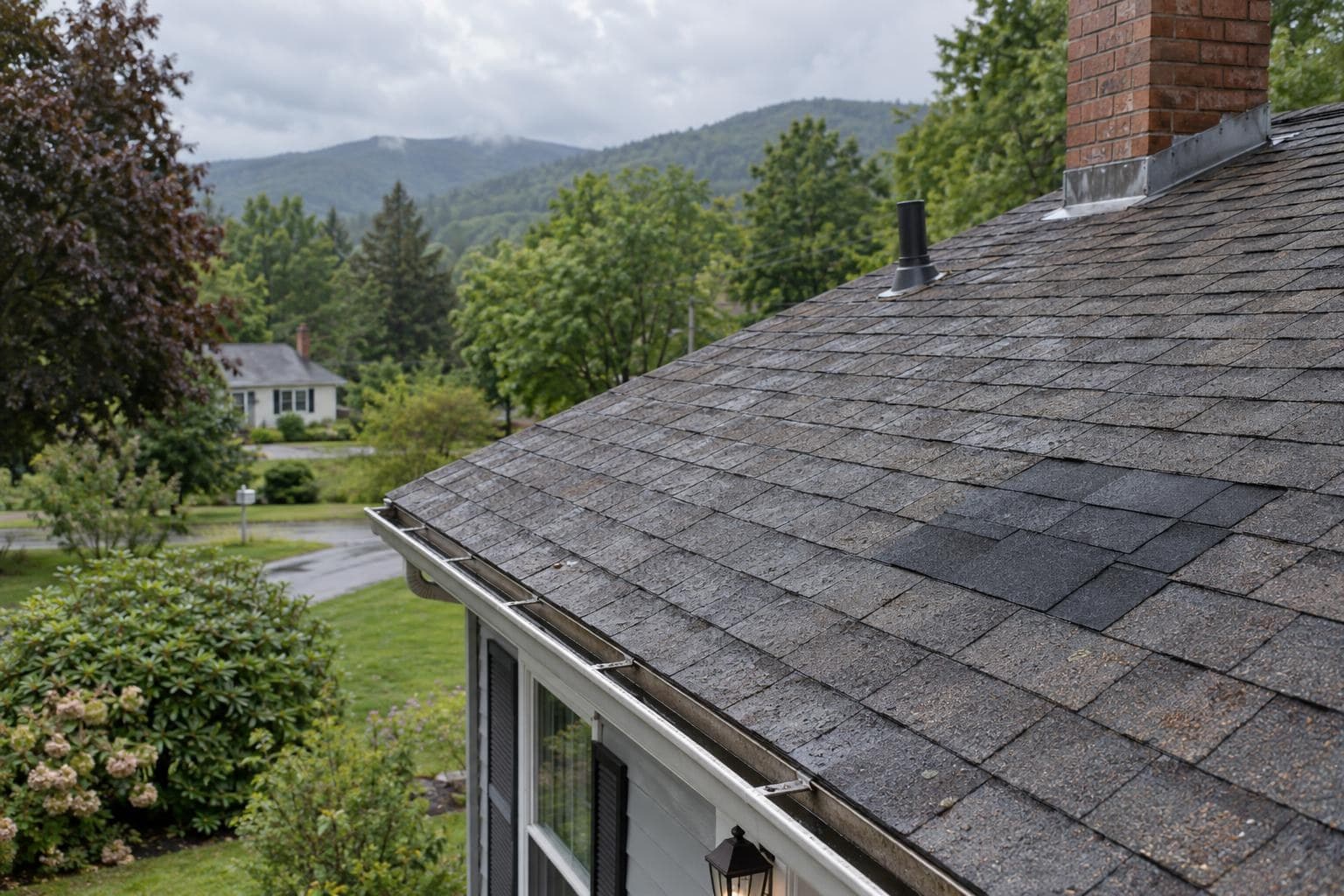
Vermont roofs take repeated winter stress. Snow can sit on a roof for long stretches, and freeze-thaw cycles can work water into weak spots around shingles, flashings, valleys, skylights, chimneys, and penetrations. Ice buildup near eaves can back water up under roofing materials. Wind-driven rain and seasonal temperature swings can also shorten the life of older roofs and expose installation problems faster. When you plan a repair or replacement, it helps to ask your roofer how the system will handle ventilation, drainage, flashing transitions, and winter weather.
Burlington
Burlington sees very heavy winter snow including lake-effect off Lake Champlain, extreme cold, ice damming, and freeze-thaw cycles. Snow and ice dominate.
Burlington roofingMontpelier
Montpelier's interior mountain location brings extreme cold and very heavy snow. Snow loads and ice damming are the dominant roofing stresses.
Montpelier roofingRutland
Rutland's Green Mountain valley setting brings very heavy winter snow and extreme cold. Snow loads and severe ice damming are the dominant roofing stresses.
Rutland roofingWhat roofing costs in Vermont
Roof replacement cost in Vermont depends on roof size, pitch, material, decking, ventilation, code requirements, and storm upgrades. The state cost guide gives you the broad range; your city page adds the local weather and market context.
Start with the right number.
Use the roof replacement cost guide for statewide pricing, then compare repair pricing when the roof may not need a full tear-off.
Materials that make sense in Vermont
If you are considering a Class 4 impact-resistant shingle, ask your insurer whether it offers any premium discount or underwriting preference for that material. Carriers set their own discounts and eligibility rules, so the savings, if any, can vary by policy and property.
- Standing-seam metal for snow shedding
- Class 4 impact-resistant shingles
- Ice-and-water membrane at eaves and valleys as required by local code and the roofing manufacturer
- Premium synthetic underlayment
Storm claims, deductibles, and insurance rules
Storm claims are shaped by state law, policy language, and the way contractors are allowed to work with insurance proceeds. These are the rules worth knowing before a claim turns into a signed roofing contract.
Flood and earthquake damage are generally not covered by a standard policy
Vermont's Department of Financial Regulation says floods and earthquakes are natural disasters that are not generally covered by a renter's or homeowners insurance policy. If you want protection from those risks, you need to talk to your insurance agent about separate coverage available in your area.
A home inventory helps you file a faster, more accurate claim
The state says a home inventory, along with photos and proof of ownership, makes it easier to file an accurate, detailed insurance claim if your home is damaged or destroyed, and it can help determine how much coverage you need. Keeping that record before a storm hits puts you in a stronger position after roof damage.
You can call the state for help understanding your policy
If you are confused about what your homeowners policy covers after roof damage, Vermont's Department of Financial Regulation says you can contact the Vermont Insurance Department directly for help, or file a complaint through the department if you run into a problem with your insurer.
Roofers, roofing contractors, and roofing companies in Vermont
Vermont requires residential contractors to register with the state. Registration for Residential Contractors has been required since April 1, 2023, under Act 182, and the Vermont Office of Professional Regulation (OPR) oversees unlawful and unprofessional conduct by individuals and businesses required to register. The state is also direct about the limits of that oversight: OPR does not have authority to seek money damages or restitution for homeowners, mediate disputes, or inspect construction quality. For you, that means a smart first step is to look up your roofer in the state's Find a Professional tool to confirm they are registered, and to still do your own homework beyond that: get a detailed written contract, the full material list, and a clear cleanup and payment schedule before you sign. If a dispute comes up over money or coverage, Vermont points consumers to the Attorney General's Consumer Assistance Program for help beyond OPR's jurisdiction.