Updated July 27, 2026

3D Roofs Editorial Team
Editorial Standards
Yes, homeowners insurance may cover roof replacement in Vermont when a covered event causes functional damage to your roof. In plain terms, that usually means sudden storm-related damage that affects how the roof sheds water or protects your home. For does insurance cover roof replacement in Vermont, coverage depends on the policy language, cause of loss, exclusions, and the insurer's decision; verify those terms in your own documents. If your roof is leaking because shingles have simply reached the end of their life, that is usually a homeowner cost, not an insurance claim.
Does homeowners insurance cover roof replacement in Vermont?
Yes, it can, but only when the damage comes from a covered cause of loss under your policy. The practical difference is this: insurance is generally there for sudden, accidental damage, not for an old roof that is wearing out. In Vermont, that distinction matters because roofs take repeated winter stress. Snow can sit on a roof for long stretches, and freeze-thaw cycles can work water into weak spots around shingles, flashings, valleys, skylights, chimneys, and penetrations. Ice buildup near eaves can back water up under roofing materials. Wind-driven rain and seasonal temperature swings can also shorten the life of older roofs and expose installation problems faster. That means storm damage and age-related issues can look similar from the ground, so a roof inspection is often the first step.
What roof damage is insurance more likely to cover?
Functional storm damage is the kind of roof damage insurance is more likely to cover. If wind lifts shingles, hail bruises or fractures roofing, flashing is torn loose, or a storm creates an opening that lets water in, that is the kind of loss that may support a claim. The key is function, not just appearance. A mark on a shingle that does not affect performance is not the same as damage that shortens the roof's ability to protect the home. If the roof can no longer do its job after a storm, that is the situation where repair or replacement may be covered.
- Wind damage that creases, lifts, or removes shingles
- Hail damage that creates functional damage to the roofing surface
- Storm-related flashing damage around chimneys, skylights, valleys, or penetrations
- Water intrusion tied to a sudden covered event rather than long-term wear
What roof problems are usually not covered by insurance?
Wear and tear are usually not covered. Neither is neglect, old age, or damage that happened slowly over time. In Vermont, freeze-thaw cycles and long winters can speed up deterioration, but faster aging still is not the same as a covered storm loss. If a roof was already brittle, poorly maintained, or near the end of its service life before a storm, your insurer may say the condition is not covered, or that only part of the damage is related to a covered event. Flood and earthquake damage are generally not covered by a standard policy. If you want protection from those risks, you need to talk to your insurance agent about separate coverage available in your area.
Talk to a roofer today
Planning ranges, scope details, and a direct path to request a roofing quote.
Do deductibles apply to roof replacement claims?
Yes, your deductible applies before insurance pays its share on a covered roof claim. That means even when a carrier accepts the loss, you still pay the deductible amount yourself. Whether it makes sense to file often depends on the size of the damage versus that out-of-pocket amount. For an insurance-related roof project in Vermont, begin with documented damage, the policy deductible, and a property-specific repair or replacement scope. A full replacement is a different decision. For an insurance-related roof project in Vermont, start with current Vermont cost data, then test the planning range against a measured proposal that names the complete roof assembly.
How does a Vermont roof insurance claim usually work?
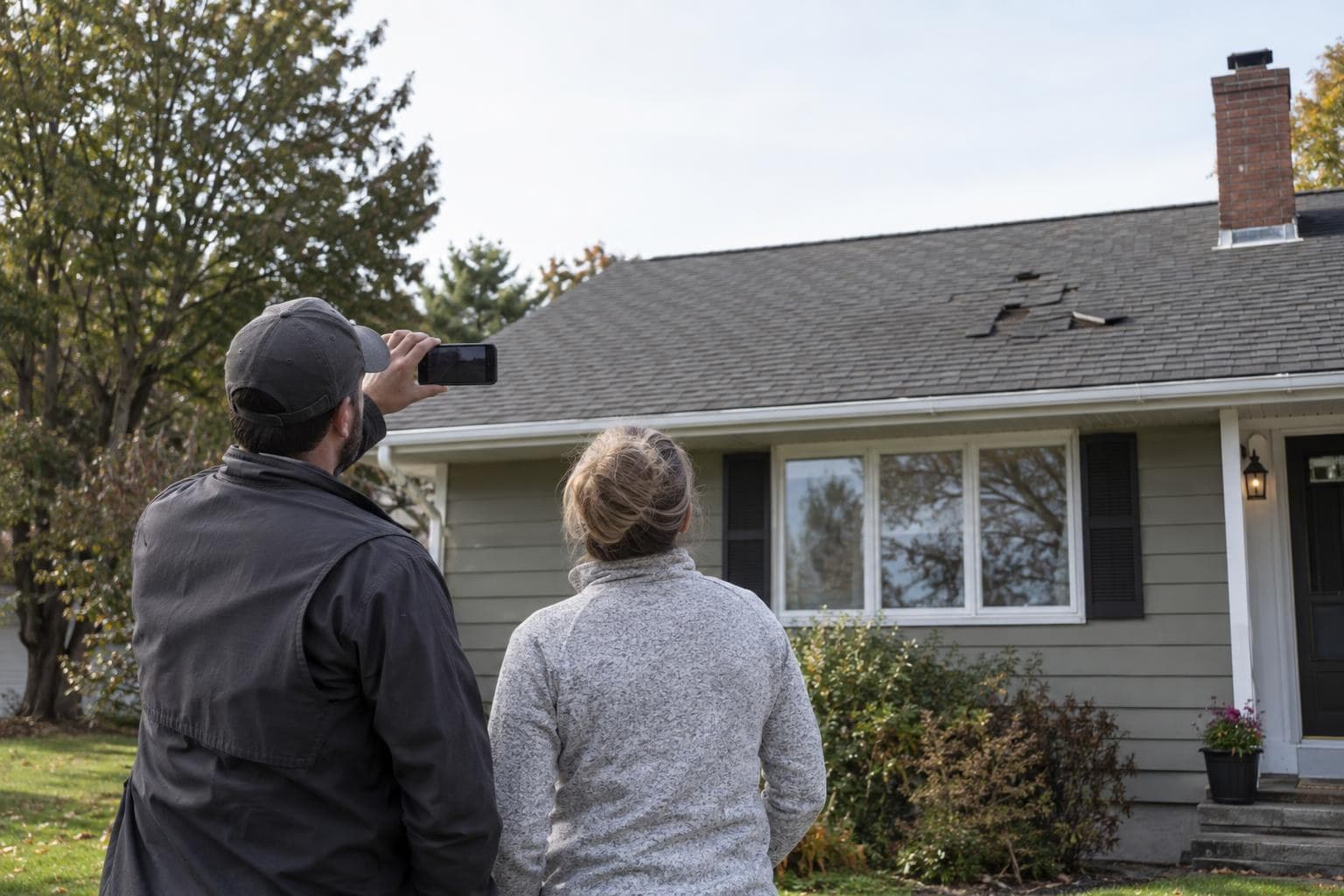
The basic claim flow is straightforward: document the damage, prevent further loss if you safely can, contact your insurer, schedule an inspection, and get a roofing scope. Start with clear photos of the roof, interior leaks, stained ceilings, damaged gutters, and anything else tied to the event. Then have a local roofer you have vetted inspect the roof and explain whether the issue looks like functional storm damage or wear. If the evidence points to a covered event, file the claim with your carrier and be ready for an adjuster inspection. Your roofer can often help you understand the scope of work, but the carrier decides coverage under your policy.
- Take photos as soon as you notice damage
- Use temporary protection if safe to prevent more water intrusion
- Call your insurer and start the claim
- Schedule a roof inspection to identify storm damage versus wear
- Review the adjuster scope and compare it with your roofer's findings
- Move forward with approved repairs or replacement
What should you do before and after the adjuster visit?
Bring documentation. Vermont's Department of Financial Regulation says a home inventory, along with photos and proof of ownership, makes it easier to file an accurate, detailed insurance claim if your home is damaged or destroyed, and it can help determine how much coverage you need. Keeping that record before a storm hits puts you in a stronger position after roof damage. For the roof itself, keep photos from the storm date if you have them, notes about when leaks began, and any repair receipts. After the adjuster visit, compare the carrier's scope with what your roofer found. If key items are missing, ask questions early and in writing.
Should you repair the roof or replace it?
It depends on the extent of the functional damage and the roof's remaining life. If damage is isolated and the rest of the system is still in good shape, a repair may be the smarter move. If storm damage is widespread, matching is poor, or the roof already had limited life left, replacement may make more sense. For an insurance-related roof project in Vermont, require the written schedule to account for roof geometry, access, weather protection, material handling, inspections, and possible deck work. In Vermont, it also helps to ask your roofer how the system will handle ventilation, drainage, flashing transitions, and winter weather so you are not just restoring the roof, you are reducing the odds of future cold-weather trouble.
Can a stronger roof help with insurance costs later?
Sometimes, yes. If you are replacing the roof anyway, ask whether a Class 4 impact-resistant shingle fits your home and budget. For an insurance-related roof project in Vermont, treat any impact-resistant roof credit as unconfirmed until the insurer identifies the eligible product, required documentation, premium portion, and amount in writing. Vermont-specific guidance is also simple: if you are considering a Class 4 impact-resistant shingle, ask your insurer whether it offers any premium discount or underwriting preference for that material. Carriers set their own discounts and eligibility rules, so the savings, if any, can vary by policy and property.
What if you are confused about coverage or worried about your roofer?
Start by reading your policy language and asking your insurer direct questions about the cause of loss, deductible, and payment terms. If you are still confused, Vermont's Department of Financial Regulation says you can contact the Vermont Insurance Department directly for help, or file a complaint through the department if you run into a problem with your insurer. On the contractor side, Vermont requires residential contractors to register with the state. A smart first step is to look up your roofer in the state's Find a Professional tool to confirm they are registered, and to still do your own homework beyond that: get a detailed written contract, the full material list, and a clear cleanup and payment schedule before you sign.
The bottom line is simple: insurance may cover a Vermont roof replacement when a covered storm causes functional damage, but it usually will not pay for old age or wear. Your best move is to document everything, get the roof inspected promptly, and compare the damage to your deductible before you file. If replacement is the right path, you can review full local pricing on the Vermont cost page and use the calculator to plan the next step with clearer numbers.
Sources
- National Association of Insurance Commissioners: What You Need to Know When Filing a Homeowners Claim
- National Association of Insurance Commissioners: Actual Cash Value Coverage and Replacement Cost Coverage
- Vermont Department of Financial Regulation, Home and Renters Insurance
- Vermont Office of Professional Regulation, Residential Contractors
Reviewed technical references for Vermont
Related Vermont roofing guides
Related services
Updated July 27, 2026
3D Roofs Editorial Team
Editorial Standards