Updated July 10, 2026

3D Roofs Editorial Team
Editorial Standards
When you need storm damage roofing
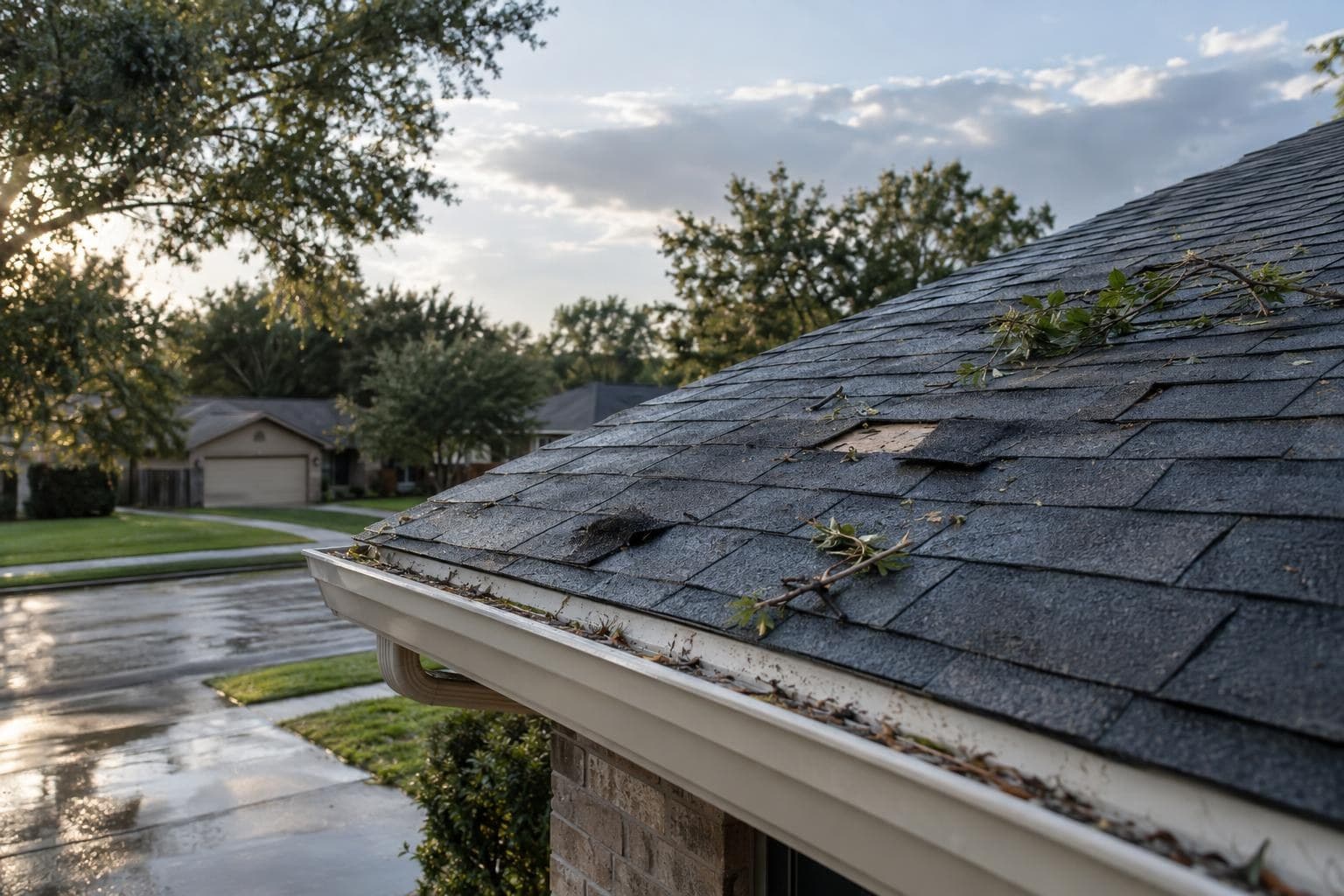
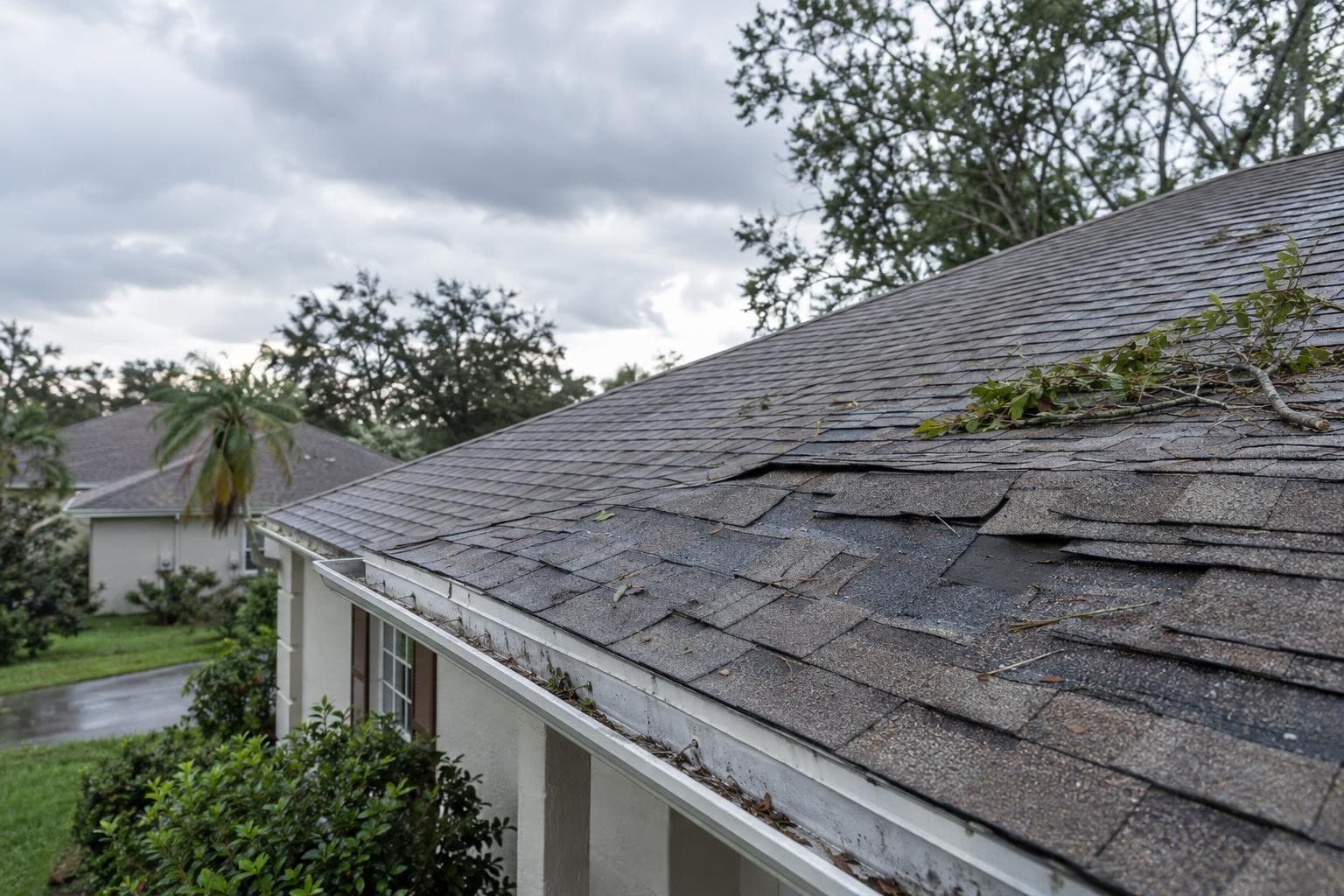
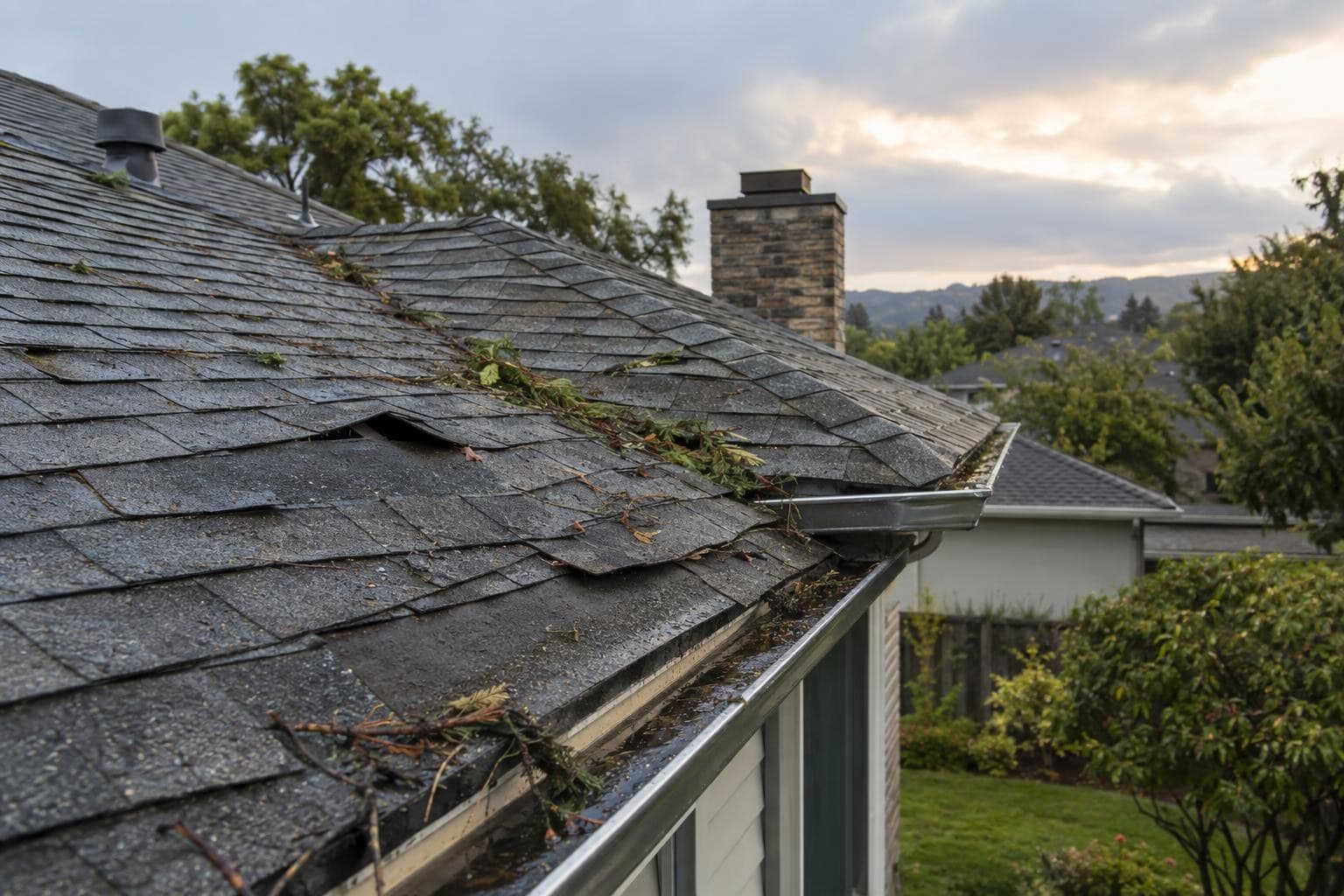
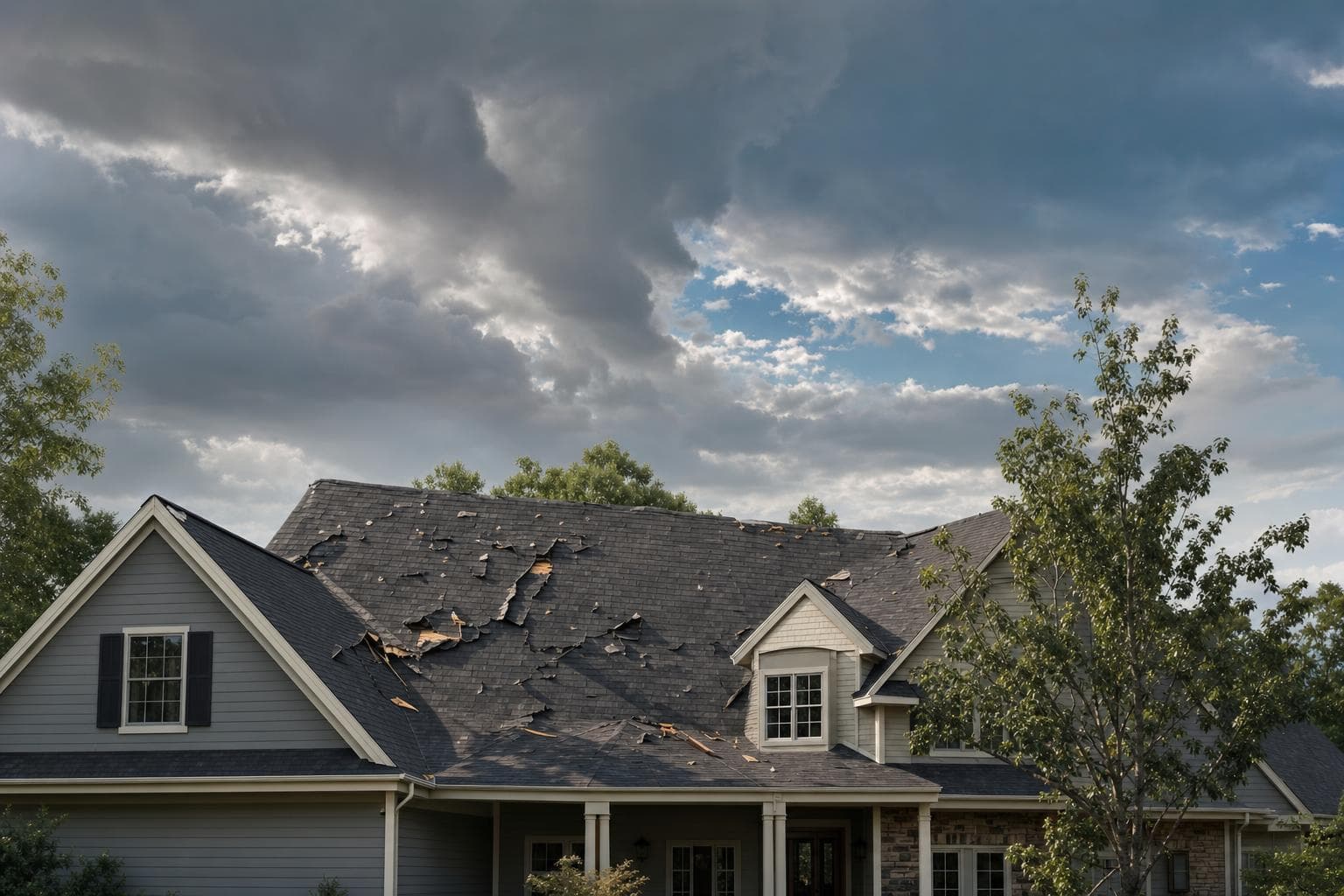
After a storm, first protect people and active openings, then document what changed before permanent work covers the evidence. The inspection should review each roof area and relevant accessories for displaced, creased, fractured, punctured, or water-compromised materials while separating new conditions from age, manufacturing marks, and prior repairs. That record supports the roofing decision whether the answer is temporary protection, a focused repair, broader replacement, monitoring, or an insurance conversation.
Start with safety, active openings, the reported event, interior water, prior repairs, and any temporary work. The inspection should locate each finding by roof area and distinguish event-related conditions from age, wear, installation, manufacturing marks, and earlier damage.
What a storm-damage assessment should document
Storm work should separate immediate protection, observed storm damage, prior wear, and the permanent construction scope. Those are different findings, and combining them into one broad claim can make the roofing decision harder to understand.
Work the storm scope should include
- Safety and active-opening review before exterior work
- Overview and close-up photographs identified by roof area
- Wind, impact, debris, flashing, edge, accessory, and water-path inspection
- Attic or interior moisture review when accessible and relevant
- Temporary protection documented separately when it is needed
- A permanent scope tied to observed conditions and repairability
Conditions that change repairability and cost
- Emergency response and temporary protection before diagnosis
- Number, location, and type of affected roof areas
- Roofing material, matching availability, and tie-in condition
- Ridge, edge, flashing, vent, gutter, or accessory work
- Roof height, pitch, debris, access, and weather limits
- Decking, structural, or interior moisture work outside the roof covering
Questions to resolve before permanent storm work
Compare storm proposals by the roof areas inspected, photographs provided, damage patterns identified, temporary work completed, and repair logic. A contractor can explain construction; the carrier decides whether the documented condition is covered.
Warning signs in a storm proposal
- The roof-wide conclusion is made from the ground or from anonymous close-ups
- Temporary mitigation and permanent work are combined into one vague charge
- The contractor promises coverage or offers to conceal the deductible
- New storm effects are not separated from age, wear, installation, and prior repairs
Questions the storm record should answer
- What changed on each roof area, and what evidence supports that conclusion?
- Which findings are consistent with wind, impact, debris, or water entry?
- What temporary work is separate from the permanent construction scope?
- Can a focused repair restore the affected areas, and where is the sound boundary?
What storm-damage roof work costs
Storm cost follows severity. A limited repair may stay between $350-$1,600, while damage that opens a larger section or reaches decking can move from $1,200-$6,600 into $2,900-$15,200 before a full replacement is considered.
- Minor displaced roofing or one leak
- A contained repair with serviceable material around it
- $350-$1,600
- Roof section plus flashing
- A wider repair that opens and restores one affected area
- $1,200-$6,600
- Decking or carpentry involved
- Roofing plus damaged wood or structure beneath it
- $2,900-$15,200
- Class 3 replacement reference
- A 2,000 sq ft reference roof, used only when repair cannot restore the system
- $13,500
Cost ranges are estimates developed from standardized project scopes and reviewed pricing inputs. Government labor and regional cost data are used where applicable. See our Pricing Methodology for the exact sources, calculations, and review date. Actual prices vary by property, scope, materials or equipment, location, and provider.
For size tables, worked examples, and the assumptions behind this range, open the storm damage roof repair cost guide.
How to move from a storm to a roof scope
The strongest path preserves evidence and avoids premature conclusions. First protect the property, then document what changed, then decide whether the roof needs a focused repair or a broader reset.
- 1
Make the property safe
Stay clear of downed lines, unstable limbs, wet electrical areas, and sagging ceilings. Use temporary protection when an opening is actively admitting water and conditions allow safe installation.
- 2
Document by roof area
Photograph each slope or roof section plus ridge, edges, flashing, vents, gutters, soft metals, and interior water. Patterns matter more than a few close-up marks with no location context.
- 3
Separate causes and scopes
Distinguish displaced, creased, fractured, or punctured material from age, installation conditions, manufacturing marks, algae, and prior repairs. Then define what a repair would restore and what it would leave behind.
- 4
Coordinate the permanent work
Reconcile the roofing proposal with any carrier scope, confirm deductible and upgrade responsibilities, and put material, permits, change orders, payment, and warranties in writing before construction.
Inspect the roof before deciding what the storm requires
Start with safety and active water entry, then document what changed. A useful inspection separates missing or creased shingles, damaged ridge and flashing, punctures, displaced metal, and interior moisture from older wear that was already present. The goal is not to force every storm into a replacement. It is to establish whether the roof can be restored with a focused repair, needs broader work, or simply needs monitoring.
Temporary protection is not the permanent scope
Tarping, temporary sealant, and emergency fastening can reduce additional water entry, but they do not answer what failed or how the roof should be restored. Photograph conditions before temporary work when it is safe, save receipts, and make sure the permanent estimate identifies what temporary materials will be removed. The final repair should address the damaged assembly and surrounding transitions rather than burying emergency work under a new covering.
Keep the roofing and coverage decisions separate
A roofer can inspect the property, document visible conditions, and write a repair or replacement estimate. The insurer interprets the policy and decides coverage. Keep copies of photographs, temporary-work receipts, estimates, claim correspondence, and any revised scopes, and ask questions whenever the contractor's proposed work and the insurer's estimate do not describe the same job. Clear roles make it easier to compare the physical roof scope without confusing it with the coverage decision.
Common questions about storm damage roofing
How do I know if my roof has storm damage?+
From a safe location, look for missing or displaced roofing, debris, damaged ridge or edges, loose flashing, fresh dents on exposed accessories, and new interior water. Those clues justify a closer inspection but do not establish the full roof scope. A useful report maps each finding to a roof area and separates wind, impact, debris, and water effects from older conditions.
Should I file an insurance claim for storm damage?+
Start with documented conditions, the likely cause and date, a repair or replacement scope, and the deductible shown on the policy. Coverage depends on the policy and insurer's investigation. A claim may make sense when sudden damage appears materially greater than the deductible, but the contractor should not promise coverage or make the filing decision for you.
How long do I have to file a storm damage claim?+
Notice and filing requirements vary by policy, state, cause, and loss date. Review the policy and carrier instructions promptly, preserve dated photographs and temporary-work receipts, and ask the carrier to identify any applicable deadline in writing. Do not rely on a contractor to interpret the policy or supply one universal filing window.
What's the difference between wind and hail damage?+
Wind can lift, crease, displace, or loosen roofing, ridge, edges, and flashing; hail can leave distributed impact effects that differ by material. Debris can puncture or abrade, and driven rain can enter through any opening. The inspection should describe the material, location, pattern, and observed effect instead of assigning one cause from appearance alone.
Should I use the contractor who knocked on my door after the storm?+
Do not sign on the spot. Verify the contractor's identity, local history, insurance, required license or registration, references, scope, cancellation terms, and who will perform the work. Treat any promise to absorb, hide, or manipulate a deductible as a serious warning and check the rule with your state insurance regulator.
Get a Storm Damage Repair Quote
Call to discuss your storm-damaged roof, or share what happened to start a repair quote request.