Updated July 10, 2026

3D Roofs Editorial Team
Editorial Standards
When you need shingle roofing
Asphalt shingle proposals should be compared as complete roof systems. The exact shingle line, test classifications, starter, ridge, underlayment, leak barriers, flashing, fasteners, ventilation, deck work, and installation requirements all affect performance and warranty eligibility. Impact classifications can help compare products, but they do not make a roof damage-proof or guarantee an insurance credit. Match the product and details to the home's exposure, roof geometry, budget, maintenance plan, and expected ownership period.
Compare named products and complete assemblies instead of broad architectural, designer, Class 3, or Class 4 labels. The field shingle matters, but the hidden layers, edge details, penetrations, deck, ventilation, installation requirements, and workmanship determine what is actually installed.
What a complete shingle-roofing scope should cover
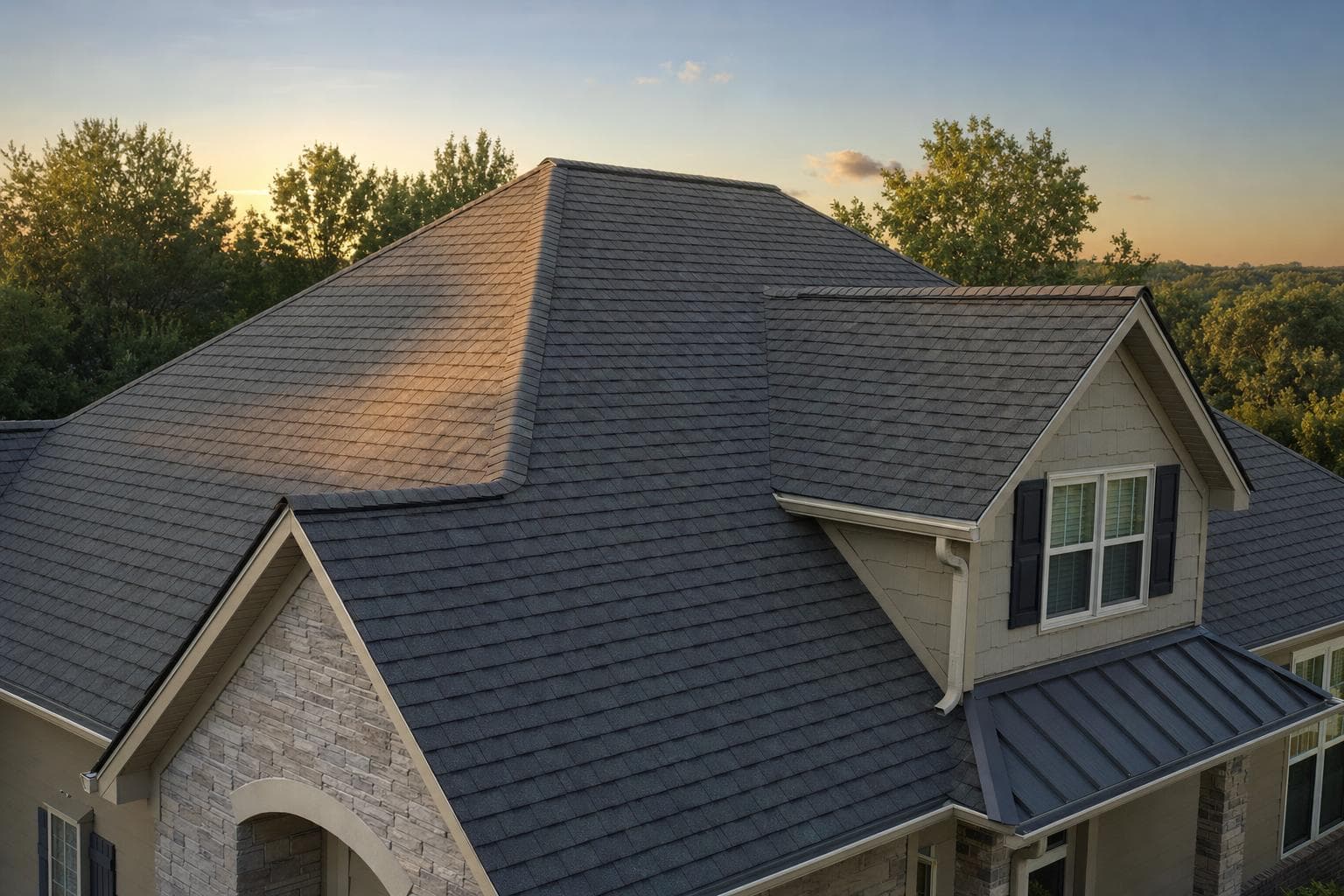
A shingle roof is a layered assembly. The named shingle, starter, ridge, underlayment, leak barriers, flashing, fasteners, ventilation, deck preparation, and installation method work together, so product comparisons make sense only when the supporting scope is the same.
Products and hidden work to define
- Measured roof, removal layers, deck condition, flashing, ventilation, and repairability review
- Named shingle manufacturer, product line, color, impact and wind classifications, and availability
- Underlayment, specified leak barriers, starter, hip and ridge, drip edge, and fasteners
- Valleys, walls, chimneys, skylights, pipe boots, vents, and other penetrations
- Decking and concealed-work prices, photographs, approvals, and open-roof weather protection
- Property protection, cleanup, permits or inspections, and closeout records
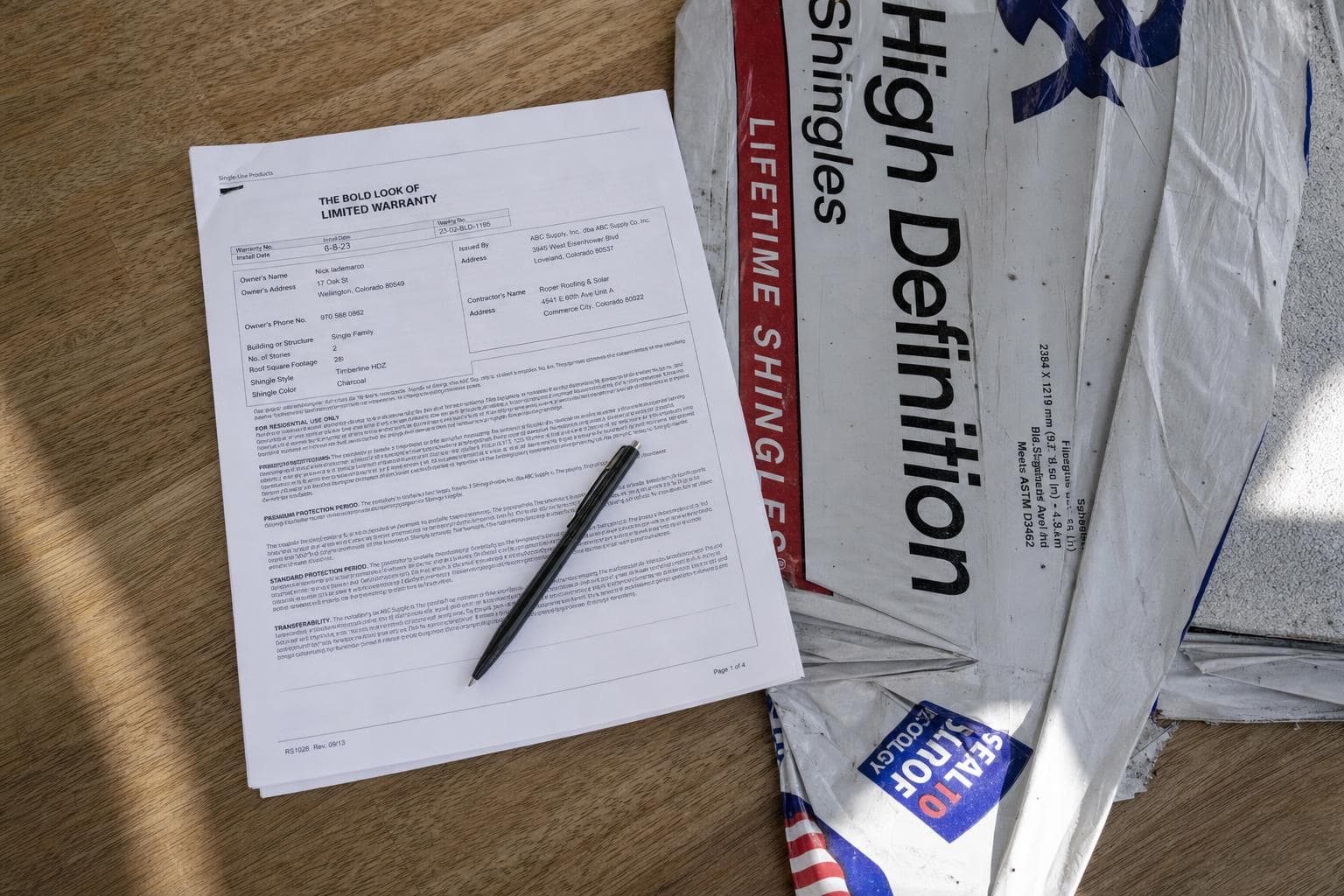
- Separate manufacturer material and contractor workmanship warranty documents
Conditions that change shingle-roof cost
- Measured roof area, waste, pitch, height, access, geometry, and removal layers
- Exact shingle line, classification, color, availability, and accessory system
- Decking, attachment, flashing, valleys, penetrations, and concealed prior work
- Underlayment, leak barriers, edges, starter, ridge, fasteners, and ventilation
- Permit, inspection, product, association, fire, or wind requirements where applicable
- Property protection, weather sequencing, disposal, cleanup, and closeout records
What to resolve before shingles are ordered
Compare the exact product line and tested classifications, not broad labels such as architectural or impact resistant. Then compare the hidden layers, accessory compatibility, warranty requirements, local availability, and price of the complete installed system.
Warning signs in a shingle proposal
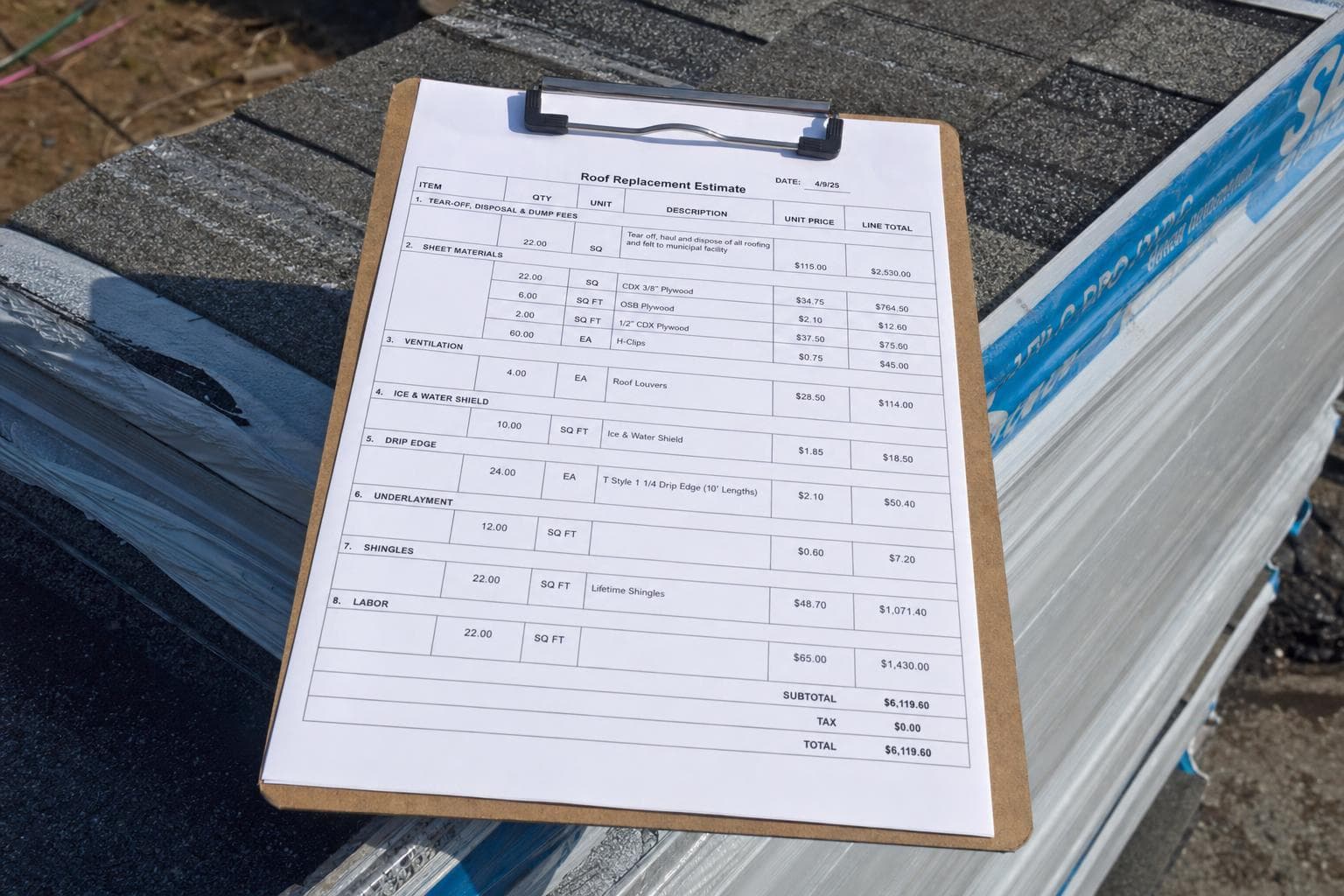
- The quote lists field shingles but not starter, ridge, underlayment, or flashing
- No decking or concealed-work price and approval method exists before tear-off
- The exact shingle line, accessory system, or installation requirements are not named
- A Class 3, Class 4, architectural, or warranty label is treated as the complete specification
- The warranty pitch ignores the difference between material and workmanship responsibility
Questions the system specification should answer
- Which exact shingle line, classification, color, and compatible accessory system are included?
- What deck, underlayment, leak-barrier, edge, starter, ridge, flashing, fastener, and ventilation work is specified?
- How are concealed conditions photographed, priced, authorized, and protected from weather?
- What is the written Class 4 upgrade cost, and does the insurer recognize this exact product?
- Which material and workmanship warranty terms apply, and who handles each obligation?
What shingle roofing costs
On a 2,000 sq ft reference roof nationally, Class 3 architectural shingles are about $13,500 and Class 4 impact-resistant shingles are about $15,733. Compare exact product lines and the complete supporting assembly before treating the difference as an upgrade price.
- Class 3 architectural shingles
- $6.75 per sq ft on a 2,000 sq ft reference roof
- $13,500
- Class 4 impact-resistant shingles
- $7.75 per sq ft on the same reference roof
- $15,733
Cost ranges are estimates developed from standardized project scopes and reviewed pricing inputs. Government labor and regional cost data are used where applicable. See our Pricing Methodology for the exact sources, calculations, and review date. Actual prices vary by property, scope, materials or equipment, location, and provider.
For size tables, worked examples, and the assumptions behind this range, open the shingle roof cost guide.
How a shingle roof should be planned and installed
The process should turn a product choice into a complete water-shedding assembly. Measurements, deck condition, ventilation, flashing, and weather protection matter as much as the bundles delivered to the driveway.
- 1
Inspect and measure the roof
Confirm area, pitch, roof geometry, layers, access, drainage, deck condition, ventilation, flashing, and local exposure. Those conditions determine quantities and whether the existing assembly needs correction.
- 2
Choose the complete product system
Name the shingle line, color, starter, ridge, underlayment, leak barriers, fasteners, and compatible accessories. Verify impact or wind classifications on the exact product rather than the category name.
- 3
Prepare the deck and details
Remove old roofing as scoped, repair approved deck areas, and install water-shedding layers, edge metal, flashing, and ventilation before the field shingles cover the work.
- 4
Install and close out
Follow product-specific layout, fastening, seal, temperature, and slope requirements, then complete ridge and accessories, clean the property, and deliver product registration plus workmanship coverage.
Compare shingles by more than a marketing tier
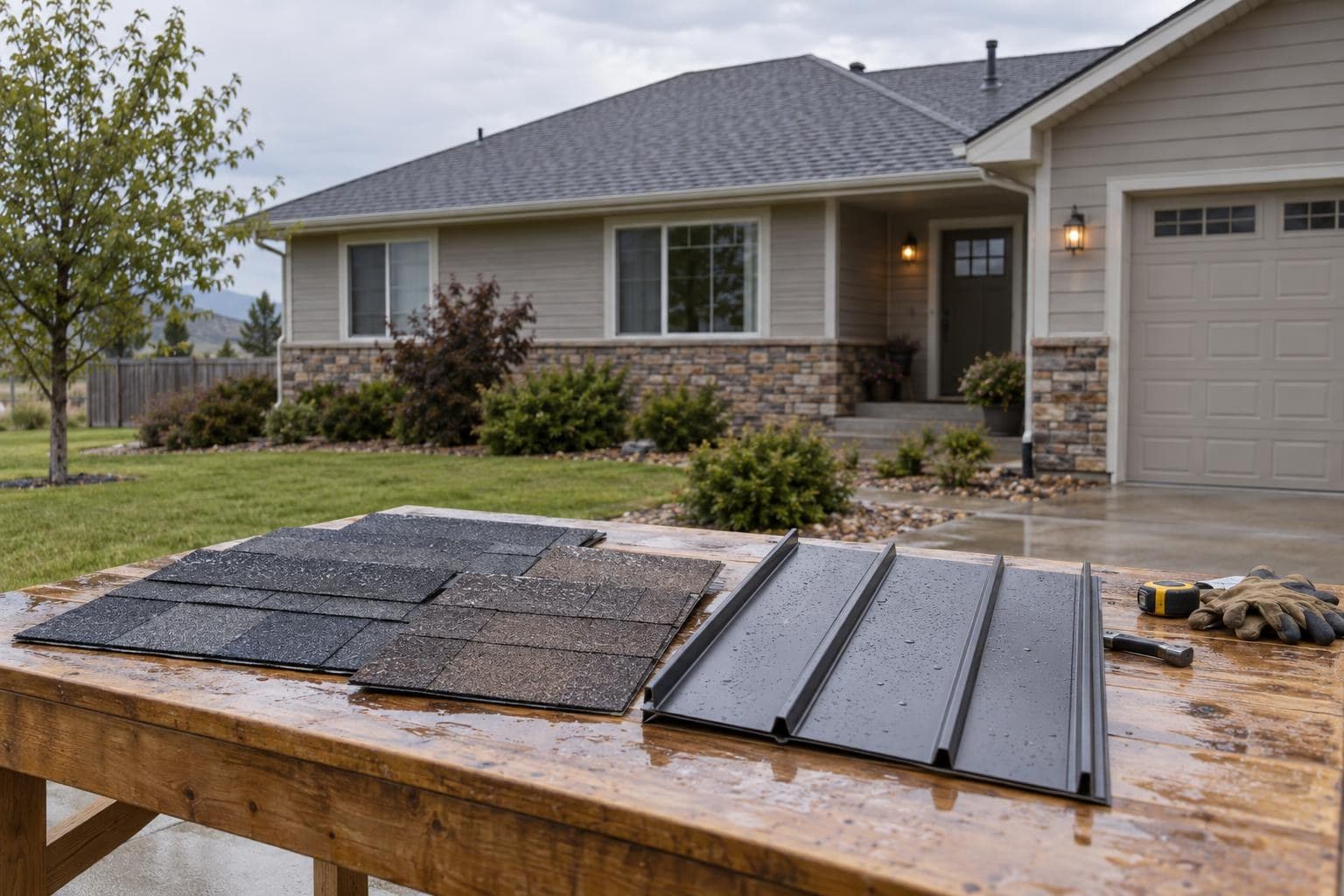
Start with the exact product line, impact and wind test information, warranty terms, color, availability, and whether matching material is likely to remain obtainable for future repairs. A Class 4 label describes performance in a standardized impact test, not a promise that a shingle cannot be damaged. Product selection should follow the roof's exposure, slope, ventilation, ownership horizon, and budget rather than assuming the highest label is automatically best everywhere.
The accessories are part of the shingle roof
Underlayment, leak barriers, starter shingles, hip and ridge products, drip edge, flashing, pipe boots, fasteners, and ventilation are part of the installed system. Ask whether the quote uses compatible components and whether the manufacturer requires specific accessories or ventilation for enhanced coverage. The field shingles may be the most visible line item, but water can enter at an edge, transition, penetration, or installation detail.
Match the roof to the home's real exposure
Hail, wind, heat, freeze-thaw cycles, wildfire exposure, tree cover, salt air, and persistent moisture do not affect every market the same way. Use local conditions to decide which performance features matter, then compare the upgrade cost with your ownership plans and maintenance expectations. Ask your insurer directly about any product-specific credit and documentation requirement instead of assuming an impact rating guarantees a discount.
Common questions about shingle roofing
How much does a shingle roof cost?+
At 2026 market rates, Class 3 architectural shingles run about $5.50 per square foot installed and Class 4 impact-resistant shingles run $6.75, about $11,000 and $13,500 on a typical 2,000 sq ft roof. Pitch, height, access, tear-off, roofline complexity, ventilation, code items, and damaged decking can change the final scope. The shingle roof cost guide has the full breakdown.
What's the difference between Class 3 and Class 4 shingles?+
Class 3 and Class 4 refer to results in a standardized impact-resistance test, with Class 4 the higher classification. The rating does not make a shingle hail-proof or predict every storm outcome. Compare the exact product, installed upgrade cost, warranty, local availability, and your insurer's product-specific requirements before treating a possible premium credit as part of the value.
How long do asphalt shingles last?+
There is no single field lifespan for every asphalt shingle. Product, climate, slope, orientation, ventilation, attic conditions, installation, storm exposure, tree cover, and maintenance all affect service. Class 4 describes tested impact performance, not a guaranteed number of added years. Compare the manufacturer's written warranty and installation requirements, then inspect the roof by condition rather than age alone.
Architectural vs. 3-tab shingles, which should I choose?+
Architectural shingles usually offer more profile and a broader set of product options, while 3-tab shingles can fit a limited budget, outbuilding, or matching need. Wind eligibility and warranty terms depend on the exact product and installation method, including starter, nails, deck, slope, and local code. Compare named products and complete systems instead of applying one rating to each category.
What should a shingle roof quote include?+
Tear-off and disposal, synthetic underlayment, ice-and-water shield where climate or code requires it, new starter and ridge, new or resealed flashing, ventilation, the named shingle line and class, and a per-sheet price for decking replacement found at tear-off. A quote listing only field shingles is hiding where the money, and the leaks, are.
Get a Shingle Roofing Quote
Call to discuss shingle options and pricing, or share your project details to start a quote request.