
Updated July 10, 2026

3D Roofs Editorial Team
Editorial Standards
How to specify a complete shingle roof in Oregon
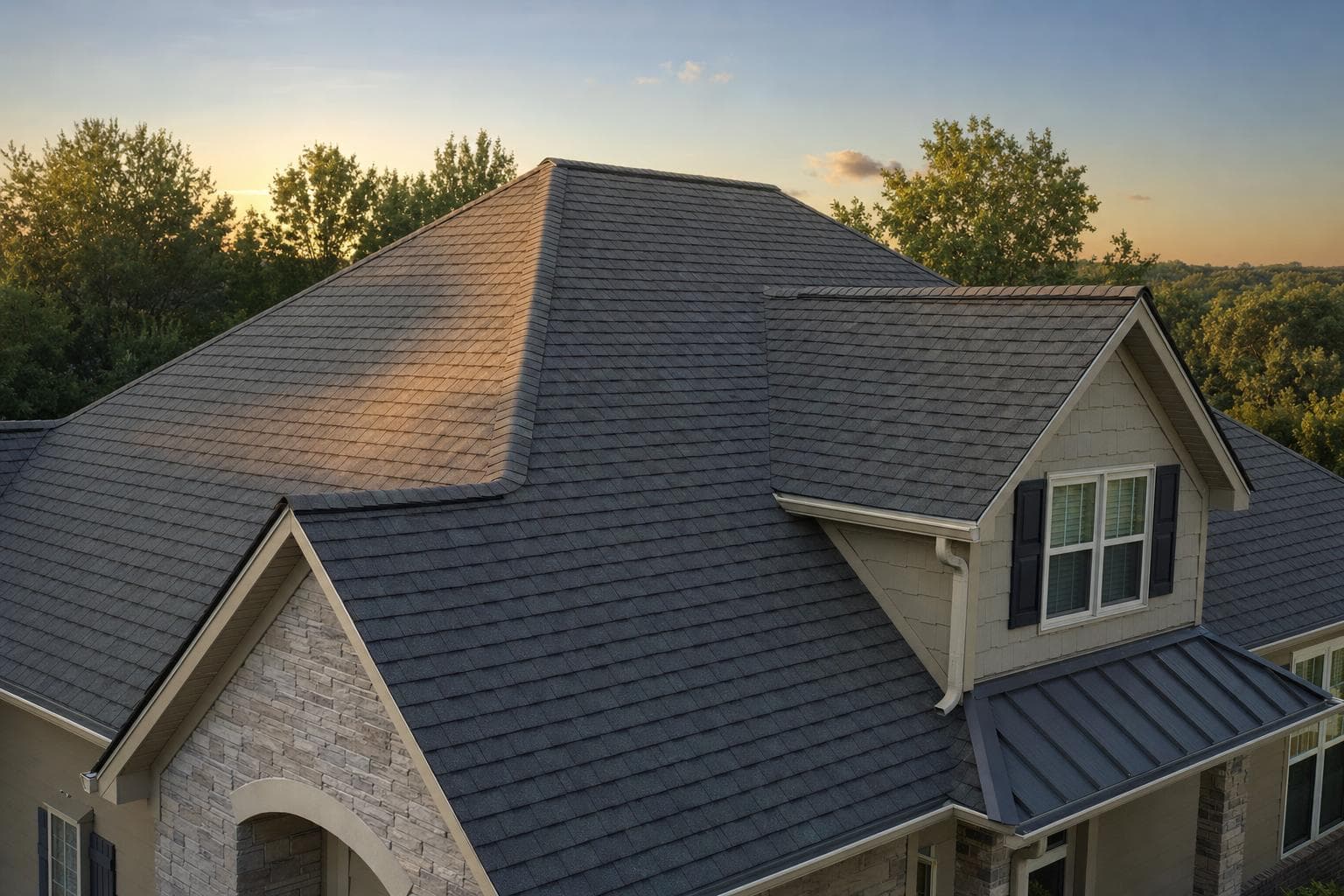
Begin with the exact shingle and its published classifications, warranty, color, and local availability. Then compare the accessories and details required for that product and roof. A quote using a premium shingle can still be incomplete if it reuses failed flashing, ignores intake ventilation, or leaves decking and edge work undefined.
Ask the roofer to identify every system component, fastening method, deck requirement, ventilation calculation, flashing treatment, and warranty registration step. Keep manufacturer coverage separate from the contractor's workmanship obligation and ask who handles each type of problem.
How Oregon exposure changes a shingle system
Rain, wind, tree impact, ice, snow load, and freeze-related water problems all matter in Oregon. Wind can tear off shingles or drop branches and trees onto a roof. Snow and ice can add weight, and sudden cold can contribute to ice dam or burst-pipe damage that affects the roof system and interior. In wildfire-prone areas, ember exposure and debris management also matter. Because Oregon weather can damage only part of a roof, you should expect many claims and repair decisions to focus on the specific damaged area, not automatically a full replacement.
Shingle selection in Oregon should follow actual wind, hail, heat, freeze-thaw, wildfire, algae, tree, and moisture exposure. Impact or wind classifications describe tested performance under specific methods; they do not guarantee that a roof cannot be damaged in the field.
What a complete shingle-roofing scope should cover
A shingle roof is a layered assembly. The named shingle, starter, ridge, underlayment, leak barriers, flashing, fasteners, ventilation, deck preparation, and installation method work together, so product comparisons make sense only when the supporting scope is the same. Compare the exact shingle system, preparation, water-shedding details, ventilation, deck assumptions, and warranty responsibilities. The checklist below helps identify bids that name the visible shingle but omit the parts that make it a roof.
Products and hidden work to define
- Measured roof, removal layers, deck condition, flashing, ventilation, and repairability review
- Named shingle manufacturer, product line, color, impact and wind classifications, and availability
- Underlayment, specified leak barriers, starter, hip and ridge, drip edge, and fasteners
- Valleys, walls, chimneys, skylights, pipe boots, vents, and other penetrations
- Decking and concealed-work prices, photographs, approvals, and open-roof weather protection
- Property protection, cleanup, permits or inspections, and closeout records
- Separate manufacturer material and contractor workmanship warranty documents
Conditions that change shingle-roof cost
- Measured roof area, waste, pitch, height, access, geometry, and removal layers
- Exact shingle line, classification, color, availability, and accessory system
- Decking, attachment, flashing, valleys, penetrations, and concealed prior work
- Underlayment, leak barriers, edges, starter, ridge, fasteners, and ventilation
- Permit, inspection, product, association, fire, or wind requirements where applicable
- Property protection, weather sequencing, disposal, cleanup, and closeout records
What to resolve before shingles are ordered
Compare the exact product line and tested classifications, not broad labels such as architectural or impact resistant. Then compare the hidden layers, accessory compatibility, warranty requirements, local availability, and price of the complete installed system.
- The quote lists field shingles but not starter, ridge, underlayment, or flashing
- No decking or concealed-work price and approval method exists before tear-off
- The exact shingle line, accessory system, or installation requirements are not named
- A Class 3, Class 4, architectural, or warranty label is treated as the complete specification
- The warranty pitch ignores the difference between material and workmanship responsibility
- Which exact shingle line, classification, color, and compatible accessory system are included?
- What deck, underlayment, leak-barrier, edge, starter, ridge, flashing, fastener, and ventilation work is specified?
- How are concealed conditions photographed, priced, authorized, and protected from weather?
- What is the written Class 4 upgrade cost, and does the insurer recognize this exact product?
- Which material and workmanship warranty terms apply, and who handles each obligation?
What shingle roofing costs in Oregon
On a 2,000 sq ft reference roof in Oregon, Class 3 architectural shingles are about $14,277 and Class 4 impact-resistant shingles are about $16,639. Compare exact product lines and the complete supporting assembly before treating the difference as an upgrade price.
- Class 3 architectural shingles
- $7.25 per sq ft on a 2,000 sq ft reference roof
- $14,277
- Class 4 impact-resistant shingles
- $8.25 per sq ft on the same reference roof
- $16,639
Cost ranges are estimates developed from standardized project scopes and reviewed pricing inputs. Government labor and regional cost data are used where applicable. See our Pricing Methodology for the exact sources, calculations, and review date. Actual prices vary by property, scope, materials or equipment, location, and provider.
Rules, claims, and contractor checks
Check local permit and product requirements, homeowner-association restrictions, and any Oregon insurance documentation needed for a product credit. Do not assume a Class 4 label creates an automatic discount; verify the exact shingle with the carrier before ordering.
Filing a claim is a cost-benefit decision
Oregon’s Division of Financial Regulation tells homeowners to weigh the benefits of filing a claim against the costs, including your deductible. The state also warns that a reported claim could affect your future premium or ability to get coverage. If you need help understanding the claims process or your consumer options, the Division of Financial Regulation provides free help, and if phone help does not resolve the issue, a consumer can file a complaint.
Wind damage claims may be limited to the damaged roof area
Oregon’s storm guidance says if wind blows a few shingles off your house, homeowners insurance will likely replace the damaged shingles, but will not provide an entire new roof. It also says insurers pay to repair damage from a covered loss, and if wind damage is only on one side of the roof, the insurer normally will pay only for the one slope of the roof to be replaced.
Some water losses may be covered, others usually are not
Oregon’s storm guidance says sudden and accidental events from an ice dam on the roof or pipes bursting due to freezing may be covered. It also says policies generally will not cover groundwater seepage or water damage from backed-up drains or sewers, though some insurers offer limited coverage or endorsements for water backup.
In Oregon, roofing is work that generally requires a Construction Contractors Board license. The state warns that anyone can pretend to be a contractor and tells consumers to check licenses. For you, that means you should confirm your roofer has an active CCB license before work starts, and make sure the business name on the contract matches the license record. Oregon also requires contractors to carry general liability insurance and surety bonds as part of licensing, but your safest move is still to verify the license status directly and review the contractor details before you sign. If you are comparing bids, ask who will supervise the job and whether the business is set up for residential roofing work under the proper endorsement structure.
Sources: Oregon Division of Financial Regulation, Storm damage guidance · Oregon Construction Contractors Board, CCB License
Common questions about shingle roofing in Oregon
How should I compare shingle products in Oregon?+
Compare the exact line, published impact and wind classifications, installation requirements, warranty terms, color and availability, then compare the complete accessory system. A category such as architectural or Class 4 is not enough to define the product or installed roof.
Are Class 4 shingles worth it in Oregon?+
They are worth comparing where impact exposure is meaningful and the installed premium fits your ownership plan. Class 4 is a test classification, not a hail-proof promise. Verify the exact product, local availability, warranty, and any carrier-specific credit before counting savings.
What should a shingle roof quote include?+
It should cover tear-off, deck inspection and pricing, underlayment, leak barriers, drip edge, starter, field shingles, ridge or hip products, flashing, pipe boots, ventilation, fasteners, disposal, cleanup, permits, and separate material and workmanship warranties.
How long do shingles last in Oregon?+
Service depends on the product, climate, slope, orientation, ventilation, attic conditions, installation, storm exposure, tree cover, and maintenance. Inspect by condition and follow the manufacturer's written requirements instead of treating one national age range as a guarantee.
Which Oregon rules should I check before signing a shingle roofing contract?+
Start with the verified state guidance on this page, including Filing a claim is a cost-benefit decision; Wind damage claims may be limited to the damaged roof area; Some water losses may be covered, others usually are not. Then confirm the permit authority and any local contractor requirement for the property address. Insurance coverage and policy interpretation remain separate from the roofing contract.
What should Oregon homeowners know about impact-resistant roofing?+
The sources provided do not give a state-specific Oregon rule on Class 4 roof discounts. If you are considering an impact-resistant roof, ask your carrier whether it offers a discount for a Class 4 rated product and what documentation it requires. Carriers set their own underwriting rules and discounts.
Shingle Roofing across 12 Oregon cities
Use the nearest Oregon city page for local weather and material context. Final product selection should reflect the home's roof geometry, exposure, appearance requirements, budget, and expected ownership period.
