

Updated July 10, 2026

3D Roofs Editorial Team
Editorial Standards
Roofing in Virginia is shaped by a mix of inland storms, heavy rain, humidity, and coastal wind exposure in some parts of the state. For you as a homeowner, that means roof problems can come from more than one direction: wind-lifted shingles, water intrusion after storms, and wear that builds over time in damp conditions. Insurance details also matter here. The state’s consumer guidance puts a lot of focus on documenting damage, making temporary repairs to prevent further loss, and understanding exactly what your policy does and does not cover.
13
Cities covered
12
Roofing services
34
VA guides
What homeowners run into on Virginia roofs
Across the Virginia markets we serve, roofers repeatedly see the same inspection patterns. If one of these shows up after a storm or a leak, start with documentation and an inspection before approving a full replacement quote.
- Hurricane and nor'easter wind damage
- Salt-air corrosion on metal flashings
- UV granule loss on heat-aged shingles
- Wind-driven rain at roof penetrations
- Storm surge water damage on lower elevations
- Hail damage from spring storms
- Hurricane remnant wind damage
- Ice storm damage in winter
What Virginia weather does to roofs
Virginia roofs deal with changing conditions across the year. Rain, wind, humidity, and storm activity can all shorten the life of roofing materials or turn a small weak spot into a leak. In hurricane-prone or coastal weather patterns, wind can damage shingles and flashing, while heavy rain can push water into vulnerable roof areas. Humid conditions can also make it important to catch roof damage early, before trapped moisture leads to bigger repair needs.
Virginia Beach
Hampton Roads sits in the Atlantic hurricane corridor. Major impacts from Isabel (2003), Irene (2011), Florence (2018). Salt-air and humidity compound storm exposure.
Virginia Beach roofingRichmond
Richmond sees mixed weather, hurricane remnants from Atlantic storms, severe spring/summer storms with hail, occasional ice in winter.
Richmond roofingArlington
Arlington shares the DC metro storm profile, winter snow and ice, spring/summer severe storms with hail and wind, occasional hurricane remnants.
Arlington roofingWhat roofing costs in Virginia
Roof replacement cost in Virginia depends on roof size, pitch, material, decking, ventilation, code requirements, and storm upgrades. The state cost guide gives you the broad range; your city page adds the local weather and market context.
Start with the right number.
Use the roof replacement cost guide for statewide pricing, then compare repair pricing when the roof may not need a full tear-off.
Materials that make sense in Virginia
If you are considering impact-resistant roofing materials, ask your insurer about any available Class 4 discount before you choose the product. Discounts are set by individual carriers and policy terms, so they can vary. The key step for you is to confirm with your carrier what proof they require and whether the specific roof system you are considering qualifies.
- Code-plus architectural shingles with high wind rating
- Stainless or coated fasteners for salt-air
- Standing-seam metal for coastal longevity
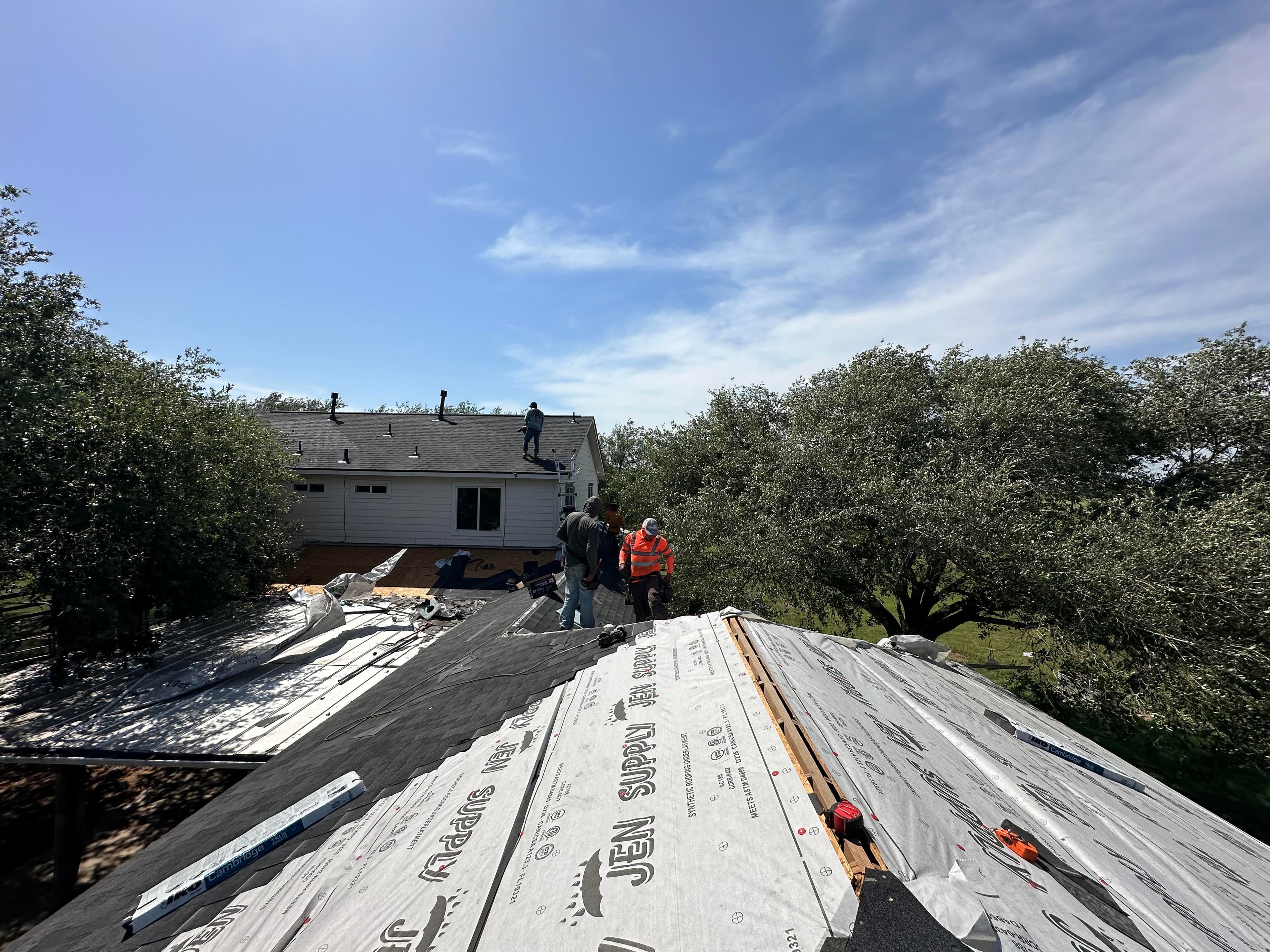
- Hurricane-grade synthetic underlayment
Storm claims, deductibles, and insurance rules
Storm claims are shaped by state law, policy language, and the way contractors are allowed to work with insurance proceeds. These are the rules worth knowing before a claim turns into a signed roofing contract.
Your insurer must acknowledge your claim within 10 working days
Virginia’s consumer guidance says insurance companies are required to acknowledge receipt of your claim within 10 working days. They are also required to provide the appropriate forms to file a claim. If your company has not responded within the required period of time, or you have experienced unreasonable delays, the Bureau of Insurance can provide assistance.
You should make temporary repairs to stop further damage
Virginia’s consumer guidance says you should make necessary temporary repairs as soon as possible to protect your property from further damage, including boarding up openings and patching holes in walls or roofs. It also says most homeowners policies cover the reasonable costs of emergency clean-up and temporary repairs. Take photographs before cleanup and keep receipts for your expenses.
Do not rush into a major repair contract before the claim damage is set
The state’s guidance tells you to obtain written estimates before repairs begin, and not to sign any contracts for major repair until the company representative has determined how much damage there is and how much the company will pay. It also warns against signing your insurance check over to a contractor in advance, and says a contract should specify that payments will be made as the work is completed.
Wind or hurricane deductibles may be separate from your standard deductible
Virginia’s consumer guidance says some homeowners policies contain a special deductible for wind or hurricane losses, separate from other deductibles on the policy. It also explains that wind deductibles and hurricane deductibles are not always the same, and whether they apply depends on how the policy describes them. Review your policy language closely after a storm so you know which deductible may apply to your roof claim.
Roofers, roofing contractors, and roofing companies in Virginia
Virginia licenses contractor businesses through the Board for Contractors, and the Board says contractor licenses include a class of license and a classification or specialty. For you, the practical move is to confirm that your roofer’s business is properly licensed through the state lookup, ask for a signed contract, and get written estimates before work begins. The state’s insurance guidance also says to work with established firms or individuals who can provide references and are willing to give you a signed contract. If the job came from door-to-door solicitation, Virginia also has a Consumer Protections Statement required for residential door-to-door solicitations. If you run into misconduct, the Board for Contractors has a complaint process, and the Contractor Transaction Recovery Act provides relief to eligible consumers who have incurred losses through the improper and dishonest conduct of a licensed contractor. Filing a claim does not guarantee payment.