Updated July 27, 2026

3D Roofs Editorial Team
Editorial Standards
Yes, homeowners insurance may cover a roof replacement in Virginia when the damage is sudden and functional, like storm damage from wind or hail. For does insurance cover roof replacement in Virginia, coverage depends on the policy language, cause of loss, exclusions, and the insurer's decision; verify those terms in your own documents. The key question is not whether your roof looks bad, it is whether a covered event caused real damage that affects how the roof performs.
When does insurance cover a roof replacement in Virginia?
Insurance may cover replacement when a storm causes damage that makes the roof unable to do its job, or when spot repairs are not enough to restore it. In Virginia, roofs deal with changing conditions across the year. Rain, wind, humidity, and storm activity can all shorten the life of roofing materials or turn a small weak spot into a leak. In hurricane-prone or coastal weather patterns, wind can damage shingles and flashing, while heavy rain can push water into vulnerable roof areas. Humid conditions can also make it important to catch roof damage early, before trapped moisture leads to bigger repair needs.
For you as a homeowner, that usually means this: if wind lifted shingles, hail bruised or cracked materials, flashing failed during a storm, or a storm-created opening let water in, you may have a claim. If the roof is simply old, brittle, curling, thinning, or showing long-term wear, insurance usually treats that as a maintenance issue, not a covered loss.
What counts as storm damage instead of normal wear?
Storm damage is usually tied to a specific event and leaves functional damage behind. Wear happens gradually over time. That is the split most homeowners need to understand before filing a claim.
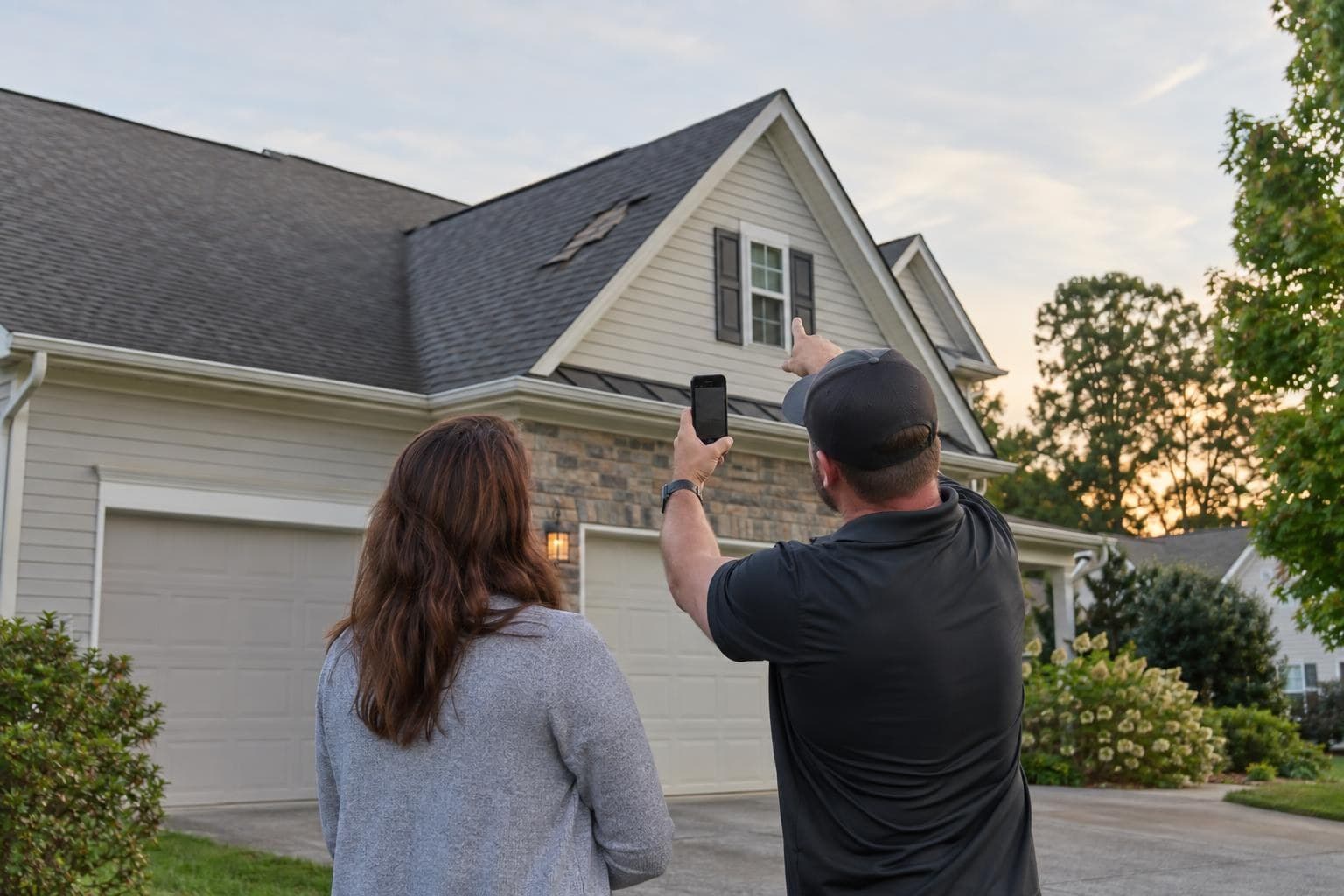
- Storm damage often shows up as missing shingles, torn tabs, lifted shingles, creased shingles, damaged flashing, or impact marks that affect roof performance.
- Interior leaks after a wind or hail event can support a storm-damage claim, especially when the roof had no active leak before the event.
- Normal wear usually looks like aging shingles, granule loss over time, fading, old repairs failing, soft spots from long-term moisture, or issues caused by poor upkeep.
- A roof can have both conditions at once. In that case, the carrier may focus on the portion caused by the covered event and not the part caused by age or maintenance.
Will insurance pay for the whole roof or just a repair?
It depends on the extent of the covered damage. If the damaged area can be repaired and the roof can still function properly, the carrier may pay for repairs. If the storm damage is broad enough that repairs are not practical, or the damaged sections cannot be restored to proper function, replacement may be the outcome.
For an insurance-related roof project in Virginia, begin with documented damage, the policy deductible, and a property-specific repair or replacement scope. Full replacement is a bigger step. For an insurance-related roof project in Virginia, start with current Virginia cost data, then test the planning range against a measured proposal that names the complete roof assembly. For an insurance-related roof project in Virginia, steep or complex areas should be priced from measured geometry, safety setup, staging, labor, and material handling rather than a flat surcharge.
Talk to a roofer today
Planning ranges, scope details, and a direct path to request a roofing quote.
How do deductibles affect a Virginia roof insurance claim?
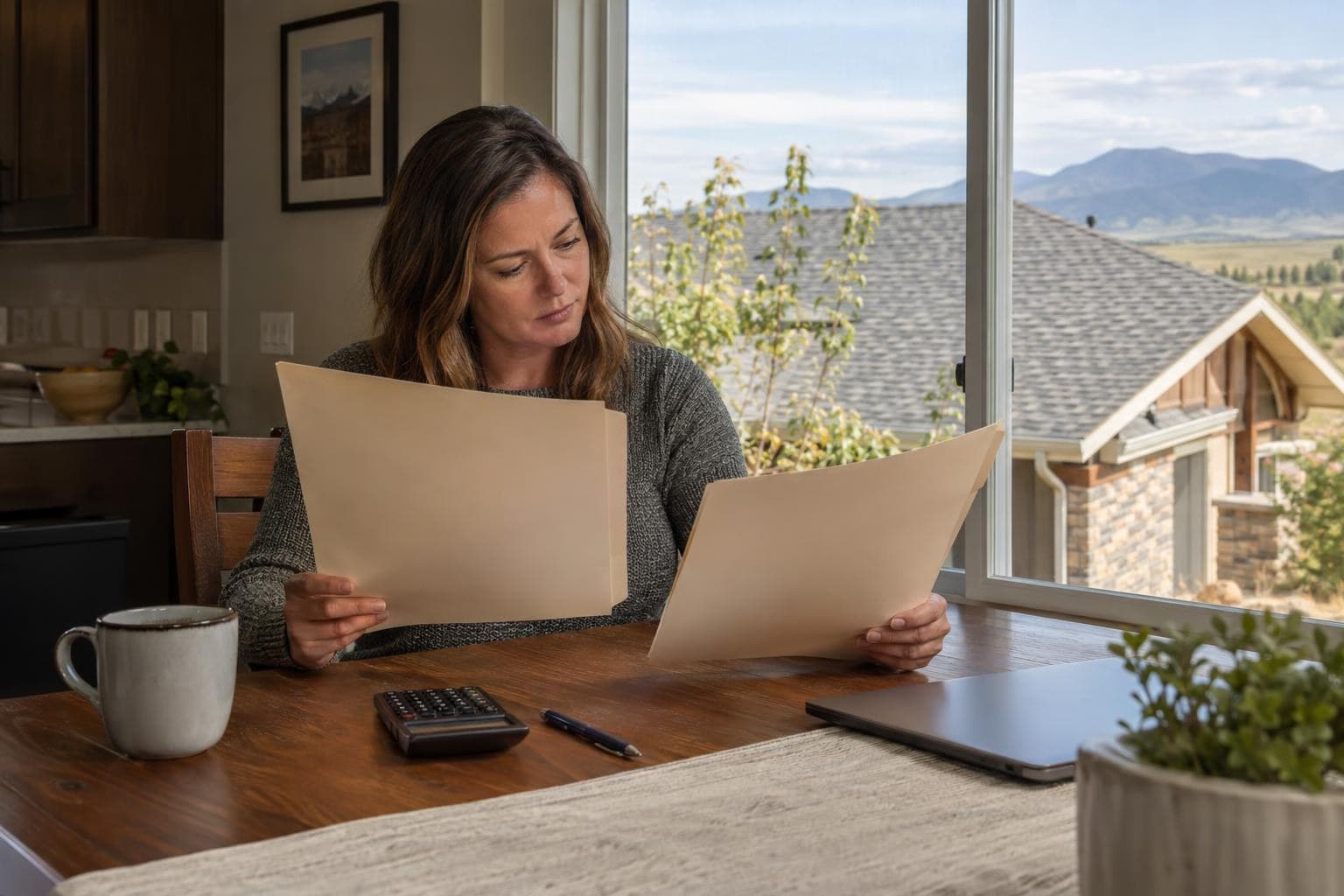
Your deductible comes out of what you recover, and after a storm, the deductible may not be the one you usually think about. Virginia’s consumer guidance says some homeowners policies contain a special deductible for wind or hurricane losses, separate from other deductibles on the policy. It also explains that wind deductibles and hurricane deductibles are not always the same, and whether they apply depends on how the policy describes them. Review your policy language closely after a storm so you know which deductible may apply to your roof claim.
For you, that means a claim that looks worthwhile at first can feel very different once the deductible applies. If the damage is minor and falls near the repair range, your out-of-pocket cost may be close to the repair cost anyway. If the damage is severe and replacement is needed, the claim may still make financial sense, but you should know which deductible applies before you commit to major work.
What should you do right after roof damage in Virginia?
Start by protecting the house, documenting what happened, and notifying the carrier. Virginia’s consumer guidance says you should make necessary temporary repairs as soon as possible to protect your property from further damage, including boarding up openings and patching holes in walls or roofs. It also says most homeowners policies cover the reasonable costs of emergency clean-up and temporary repairs. Take photographs before cleanup and keep receipts for your expenses.
How long does the insurance company have to respond?
For does insurance cover roof replacement in Virginia, ask the insurer and state insurance regulator for the current notice, proof-of-loss, inspection, acknowledgment, and decision deadlines that apply to the claim. They are also required to provide the appropriate forms to file a claim. If your company has not responded within the required period of time, or you have experienced unreasonable delays, the Bureau of Insurance can provide assistance.
It means the insurer must acknowledge the claim and provide the right forms. From there, the process usually moves through inspection, scope review, estimate comparison, and payment or denial. For an insurance-related roof project in Virginia, require the written schedule to account for roof geometry, access, weather protection, material handling, inspections, and possible deck work.
Should you sign a roofing contract before the claim is approved?
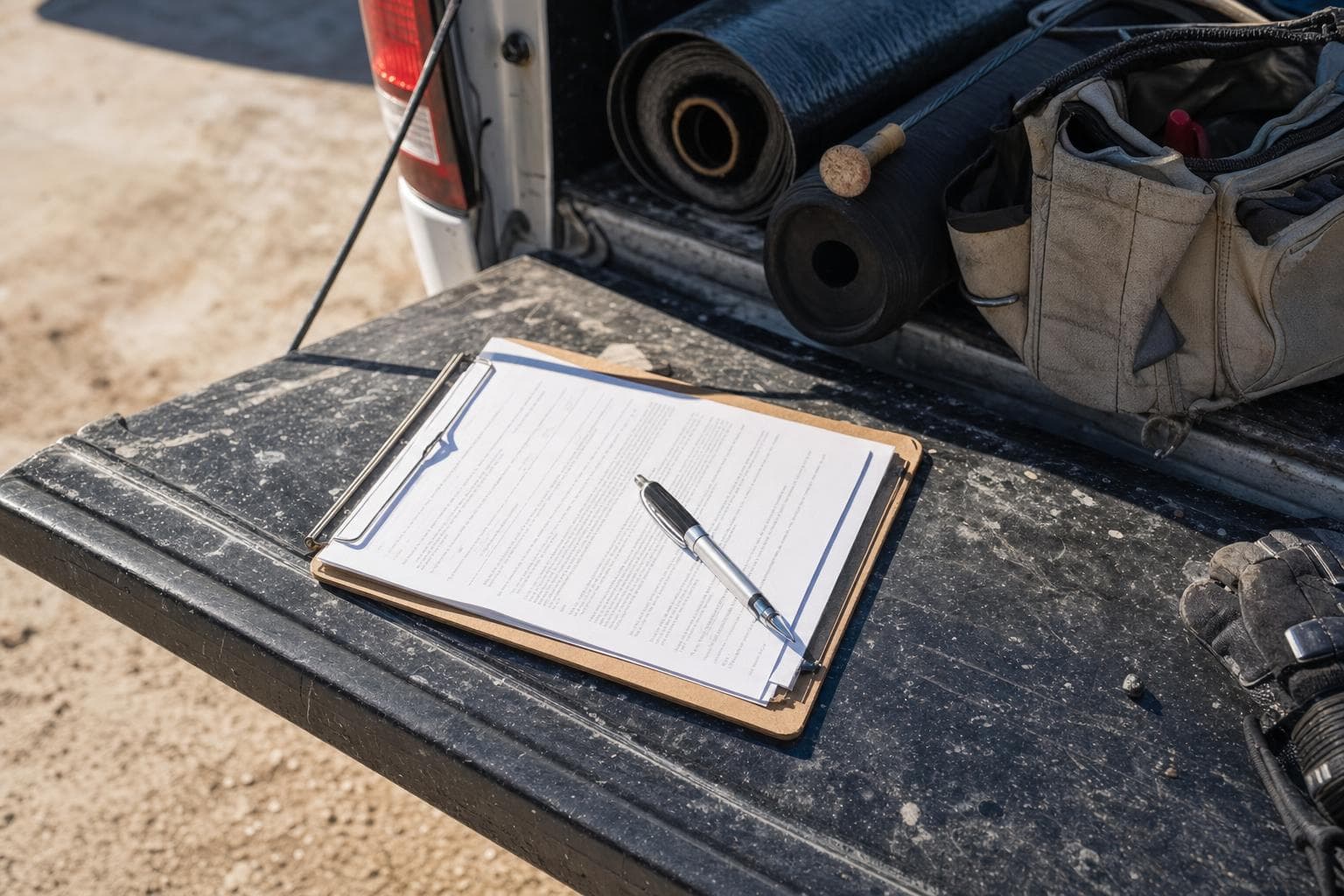
No, not for major repair or replacement work. Virginia’s guidance tells you to obtain written estimates before repairs begin, and not to sign any contracts for major repair until the company representative has determined how much damage there is and how much the company will pay. It also warns against signing your insurance check over to a contractor in advance, and says a contract should specify that payments will be made as the work is completed.
That is one of the easiest ways to avoid a bad situation. You can still have a local roofer you have vetted inspect the roof, document the damage, and give you a written estimate. You just do not want to lock yourself into a major contract before the scope and payment are clear. Filing a claim does not guarantee payment.
Can a stronger roof help with future insurance costs?
Sometimes, yes. If you are replacing the roof anyway, a Class 4 roof may lower part of your premium with some carriers. For an insurance-related roof project in Virginia, treat any impact-resistant roof credit as unconfirmed until the insurer identifies the eligible product, required documentation, premium portion, and amount in writing. Virginia guidance also says that if you are considering impact-resistant roofing materials, ask your insurer about any available Class 4 discount before you choose the product. Discounts are set by individual carriers and policy terms, so they can vary. The key step for you is to confirm with your carrier what proof they require and whether the specific roof system you are considering qualifies.
That upgrade can make sense if you want better impact resistance and your carrier confirms a discount. You can compare those options in more detail on the Virginia cost page and the calculator.
How do you choose a roofer during an insurance claim?
Choose a qualified local roofing contractor who will give you a written estimate, a signed contract, and a clear scope of work. In Virginia, contractor businesses are licensed through the Board for Contractors, and the practical move for you is to confirm that your roofer’s business is properly licensed through the state lookup, ask for a signed contract, and get written estimates before work begins. The state’s insurance guidance also says to work with established firms or individuals who can provide references and are willing to give you a signed contract.
If the job came from door-to-door solicitation, Virginia also has a Consumer Protections Statement required for residential door-to-door solicitations. If you run into misconduct, the Board for Contractors has a complaint process, and the Contractor Transaction Recovery Act provides relief to eligible consumers who have incurred losses through the improper and dishonest conduct of a licensed contractor.
What is the bottom line for Virginia homeowners?
Insurance may cover your Virginia roof when a storm causes functional damage. It usually will not cover wear, age, or maintenance problems. Your next steps are simple: document the damage, make temporary repairs to stop further loss, review your deductible carefully, and get a written estimate from a local contractor whose credentials you verified before signing any major contract. If replacement is needed, compare material options using current local pricing so you can make a smart insurance decision and a smart roofing decision at the same time.
Sources
Reviewed technical references for Virginia
Related Virginia roofing guides
Related services
Updated July 27, 2026
3D Roofs Editorial Team
Editorial Standards