Updated July 27, 2026

3D Roofs Editorial Team
Editorial Standards
There is no single best roof for every Virginia home. For a Virginia property, start with its actual weather exposure and roof geometry, then compare complete assemblies on water control, attachment, ventilation, repairability, local availability, warranty terms, and installed cost. The sections below use Virginia-specific guidance to show which questions matter before choosing a material. For a roof system comparison in Virginia, use the linked Virginia SCC, Disaster Strikes, Insured Homeowners Loss reference as the state-reference checkpoint and test the recommendation against the address's coastal wind where applicable, inland tree exposure, freeze-thaw cycles, drainage, and complex wall details.
What roof type is best for most Virginia homes?
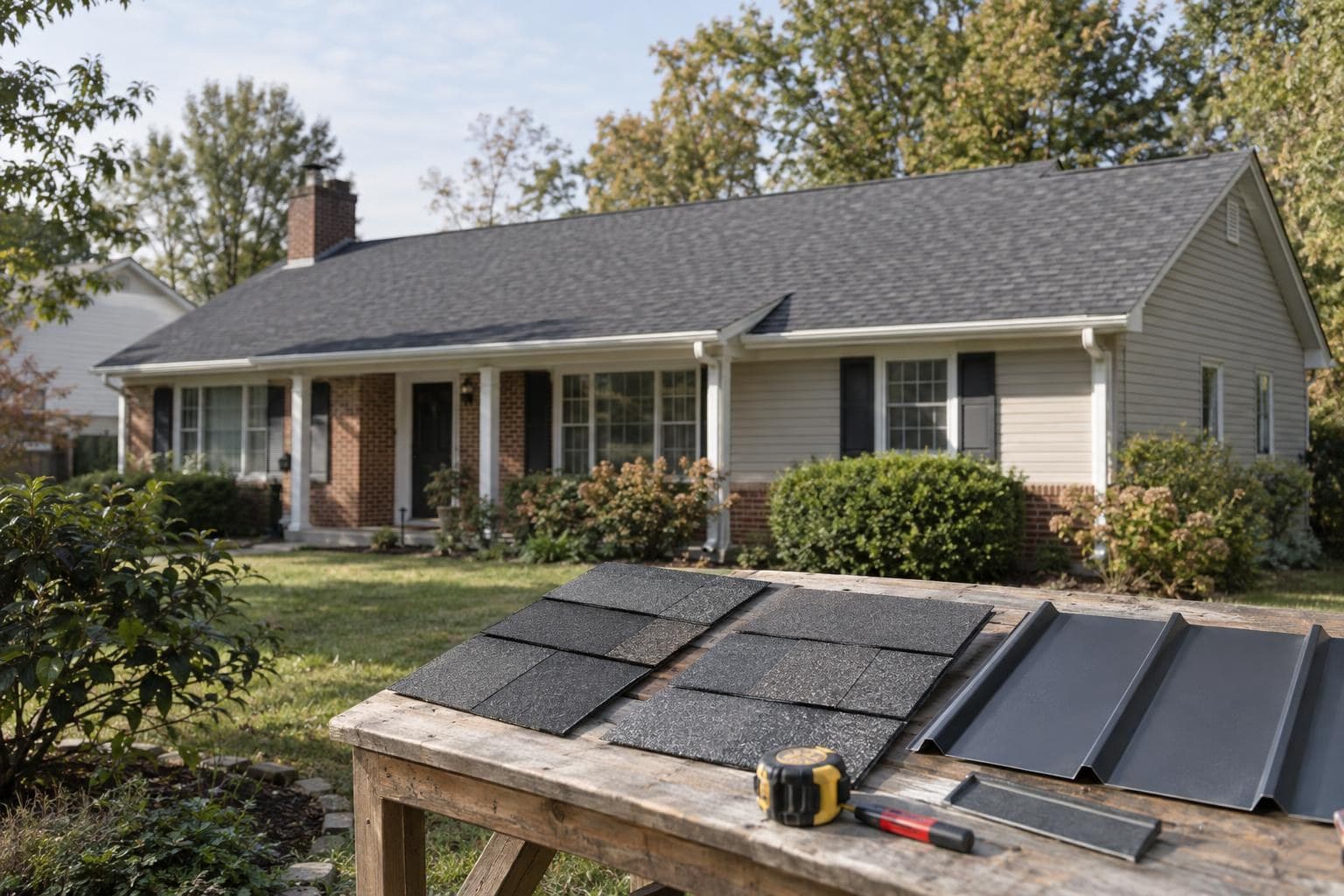
For most Virginia homes, Class 4 asphalt shingles are the best overall fit. Do not assume a statewide Class 4 credit in Virginia; ask the carrier to verify eligibility and paperwork for the exact product and policy. If your home sees repeated storm exposure, that combination can make Class 4 the smartest middle ground. If your main goal is lowering upfront cost, Class 3 is still a practical option. If your main goal is long-term premium performance and you are prepared for the higher spend, standing seam metal is the premium path.
How does Virginia weather change the right roofing choice?
Virginia weather pushes you toward materials that hold up well under wind-driven rain and storm activity. The state context is clear: Virginia roofs deal with changing conditions across the year. Rain, wind, humidity, and storm activity can all shorten the life of roofing materials or turn a small weak spot into a leak. In hurricane-prone or coastal weather patterns, wind can damage shingles and flashing, while heavy rain can push water into vulnerable roof areas. Humid conditions can also make it important to catch roof damage early, before trapped moisture leads to bigger repair needs. In plain terms, that means your best roof is one that helps reduce damage from repeated weather stress, not just one that looks good on install day.
Is Class 3 or Class 4 better for Virginia?
Class 4 is better for Virginia if you want more protection against storm wear and a better shot at a policy-specific premium credit. Class 3 is better if you need to keep the project cost lower. Use the current Virginia cost page and calculator to plan a roof-system comparison in Virginia, then require the measured scope to explain any meaningful difference. That means you are comparing a lower entry price with a more impact-resistant upgrade that may also help on the insurance side. If you are planning to stay in the home and your roof gets hit by regular storms, Class 4 is often the better buy. If you need a solid replacement without stretching the budget as far, Class 3 is the simpler choice.
- Choose Class 3 if your priority is the lowest current local cost ranges among the three options.
- Choose Class 4 if you want stronger impact resistance and want to ask your insurer about any available Class 4 discount before you choose the product.
- Choose standing seam metal if you want a premium material and can accept a much higher upfront cost.
Talk to a roofer today
Planning ranges, scope details, and a direct path to request a roofing quote.
Is metal roofing worth it in Virginia?
Standing seam metal can be worth it in Virginia, but only if you want a premium roof and the budget supports it. That is a major jump from both Class 3 and Class 4. For some homeowners, that premium is worth paying. For many others, Class 4 delivers a better balance of performance and cost. If you are deciding between metal and upgraded shingles, compare the extra upfront spend against how long you expect to stay in the home and how much storm exposure your property gets.
What does a roof replacement or repair usually cost in Virginia?
When planning a roof-system comparison in Virginia, ask how roof shape, staging, weather, inspections, and concealed deck conditions affect both duration and labor.
Can Class 4 lower your homeowners insurance cost in Virginia?
Yes, it can, but you need to confirm the details with your carrier before you buy. The key is that discounts are set by individual carriers and policy terms, so they can vary. If you are considering impact-resistant roofing materials, ask your insurer about any available Class 4 discount before you choose the product. Confirm what proof they require and whether the specific roof system you are considering qualifies. That step matters because not every Class 4 product is handled the same way by every policy.
What should you do after storm damage in Virginia?
Start by protecting the home, documenting the damage, and slowing down before signing for major work. For best roof for in Virginia, ask the insurer and state insurance regulator for the current notice, proof-of-loss, inspection, acknowledgment, and decision deadlines that apply to the claim. The same guidance says you should make necessary temporary repairs as soon as possible to protect your property from further damage, and that most homeowners policies cover the reasonable costs of emergency clean-up and temporary repairs. Take photographs before cleanup and keep receipts for your expenses. The state’s guidance also tells you to obtain written estimates before repairs begin, and not to sign any contracts for major repair until the company representative has determined how much damage there is and how much the company will pay.
- Review your policy after a storm because wind or hurricane deductibles may be separate from your standard deductible.
- Take photos before cleanup and keep receipts for temporary repairs.
- Get written estimates before major work begins.
- Do not sign your insurance check over to a contractor in advance.
- Use a signed contract that says payments will be made as the work is completed.
How do you choose the right roofer in Virginia?
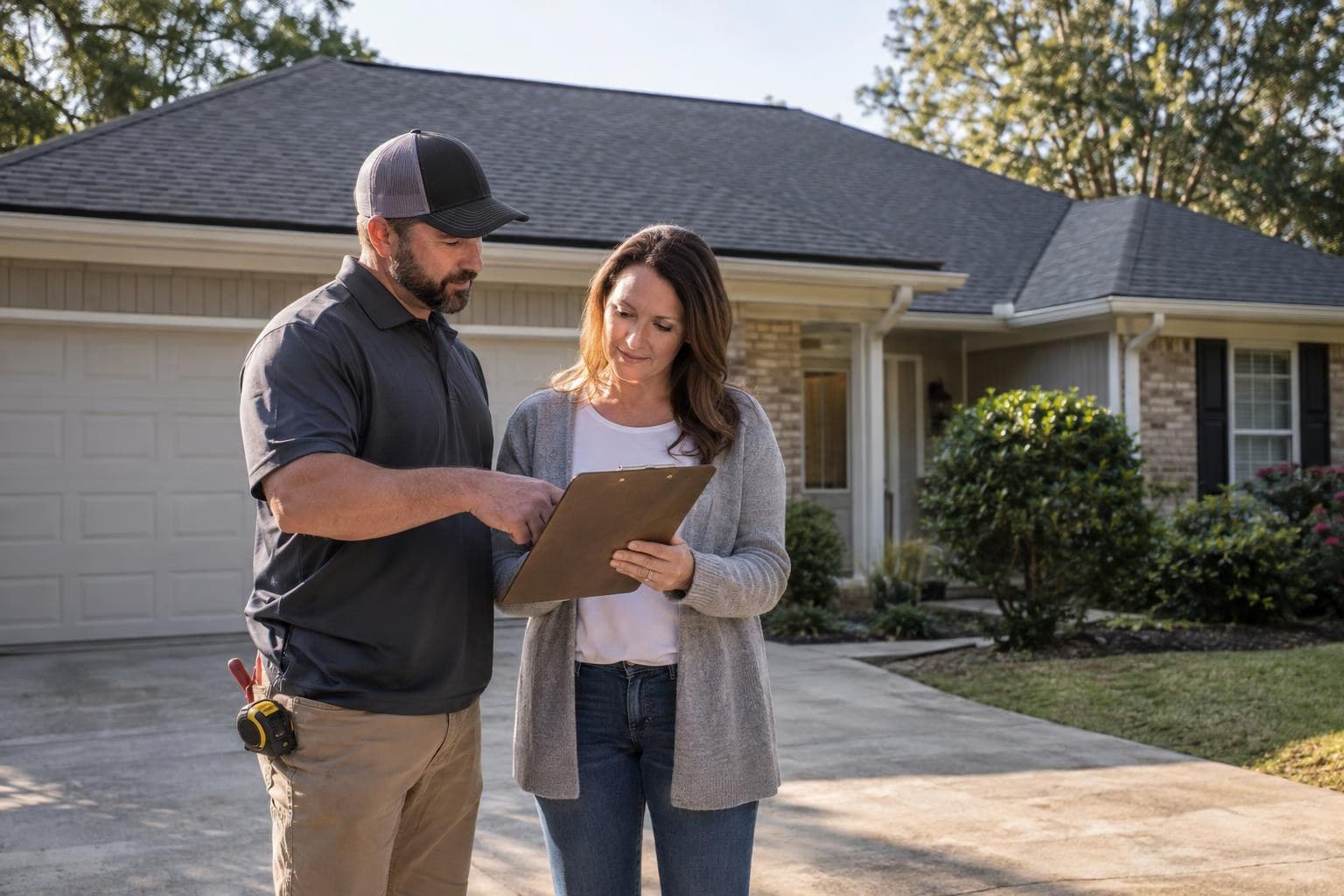
Choose a qualified local roofing contractor and verify the business details yourself before work starts. Virginia licenses contractor businesses through the Board for Contractors, and the practical move is to confirm that your roofer’s business is properly licensed through the state lookup, ask for a signed contract, and get written estimates before work begins. The state’s insurance guidance also says to work with established firms or individuals who can provide references and are willing to give you a signed contract. If the job came from door-to-door solicitation, Virginia also has a Consumer Protections Statement required for residential door-to-door solicitations. If you run into misconduct, the Board for Contractors has a complaint process, and the Contractor Transaction Recovery Act provides relief to eligible consumers who have incurred losses through the improper and dishonest conduct of a licensed contractor. Filing a claim does not guarantee payment.
So, what is the best roof for your Virginia home?
If you want the simplest answer, Class 4 is the best roof for most Virginia homeowners because it matches the state’s mix of rain, wind, humidity, and storm activity without jumping to the much higher price of metal. Class 3 is the best budget-minded choice when you need to control upfront cost. Standing seam metal is the best premium choice if you want that material and the higher current local cost ranges fits your plan. If you are still comparing options, check the Virginia cost page for full local pricing and use the calculator to line up Class 3, Class 4, and metal against your roof size and budget.
Sources
Reviewed technical references for Virginia
Related Virginia roofing guides
Related services
Updated July 27, 2026
3D Roofs Editorial Team
Editorial Standards