Updated July 27, 2026

3D Roofs Editorial Team
Editorial Standards
If a storm just hit your roof, start with safety, stop active water entry, and document everything before cleanup changes the evidence. In California, roof problems after a storm are not always just about the storm itself. Statewide, the heavy UV and heat load ages shingles and dries out asphalt faster than in cooler, cloudier climates. Winter atmospheric-river storms drive heavy rain and wind-driven water that find any weak flashing or worn underlayment, and homes near the coast take salt air that corrodes metal fasteners and components. That means your first job is not guessing. It is protecting the house, taking clear photos, and getting a roofing contractor you are considering to separate fresh storm damage from older wear.
What should you do in the first 48 hours after a roof storm in California?
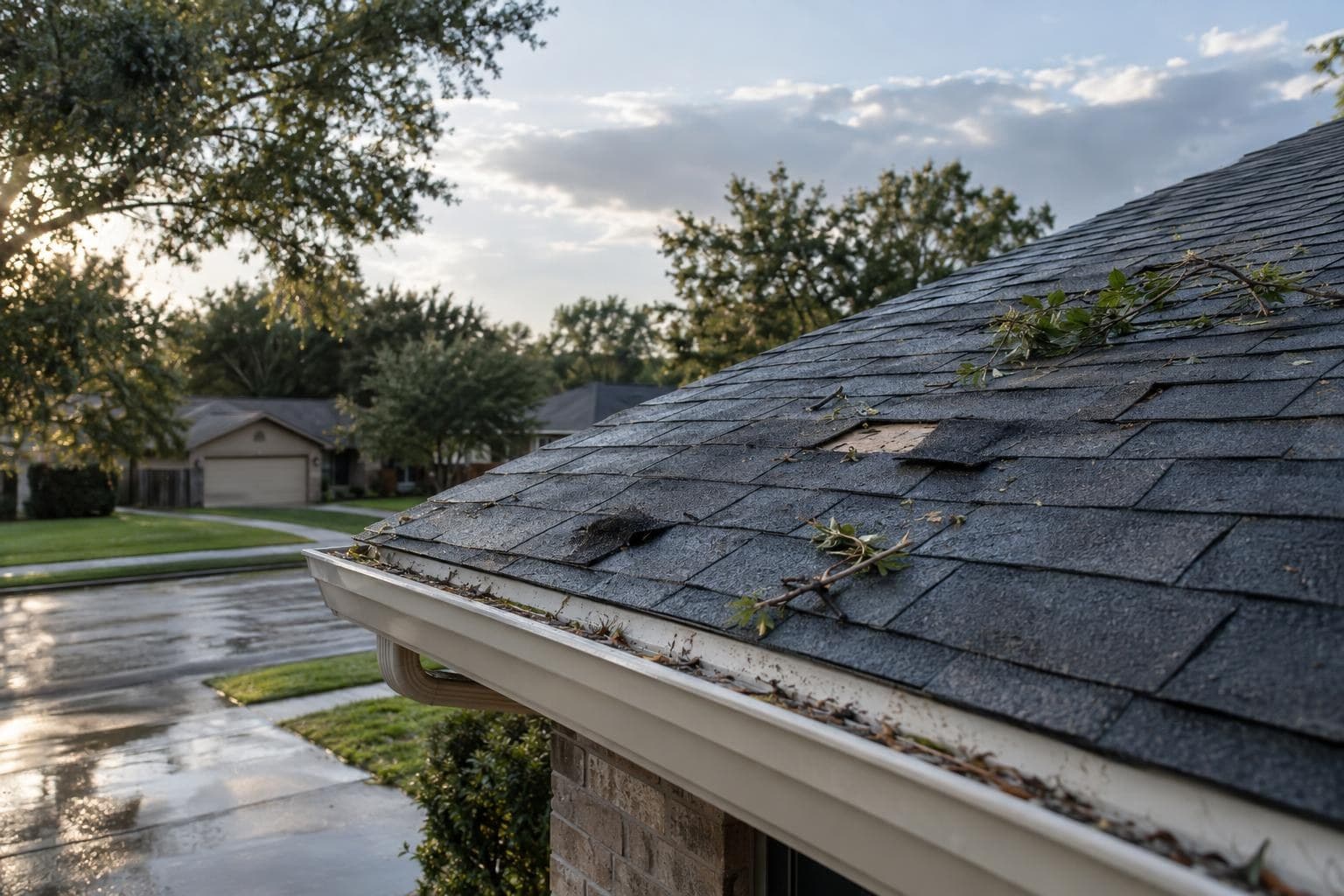
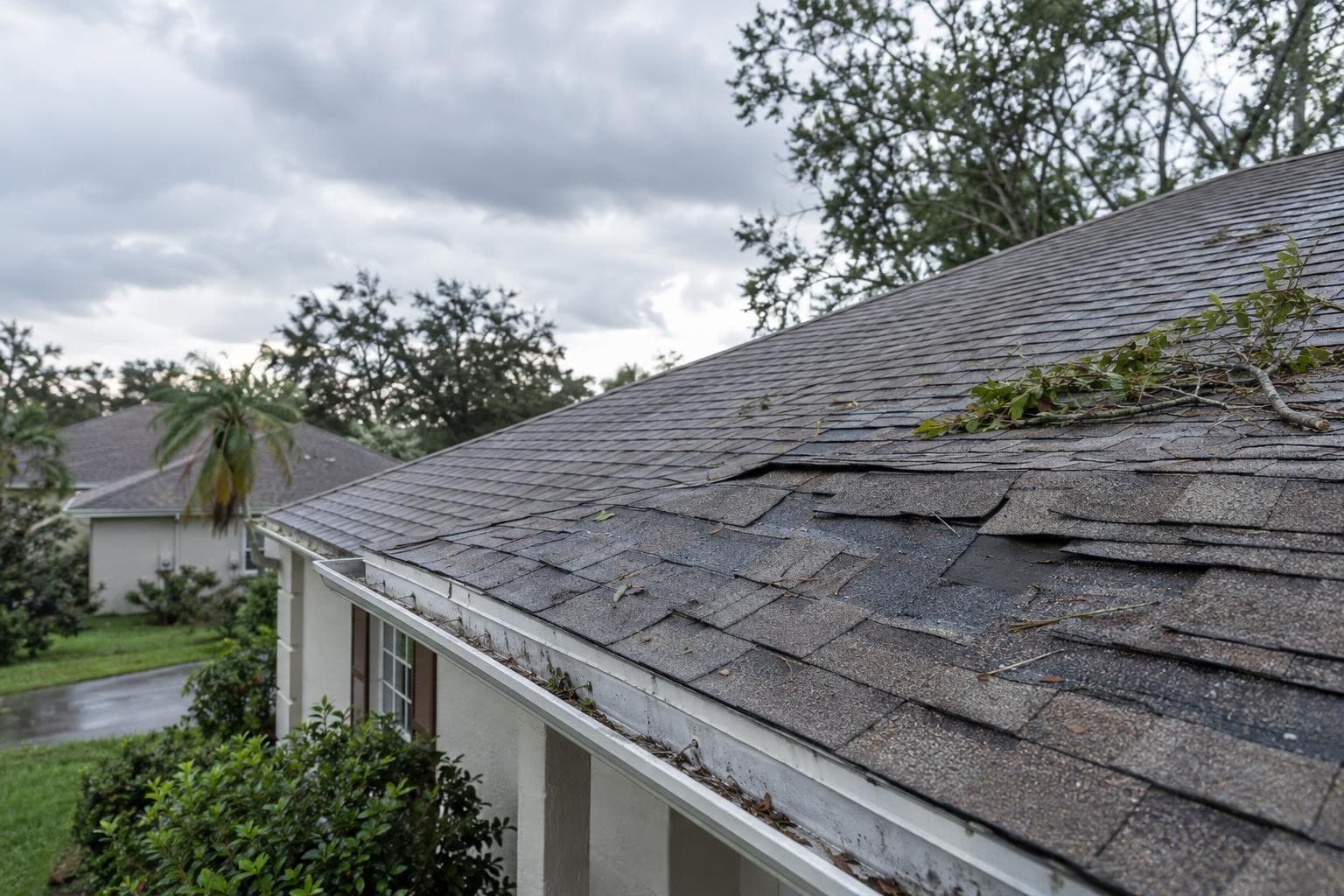
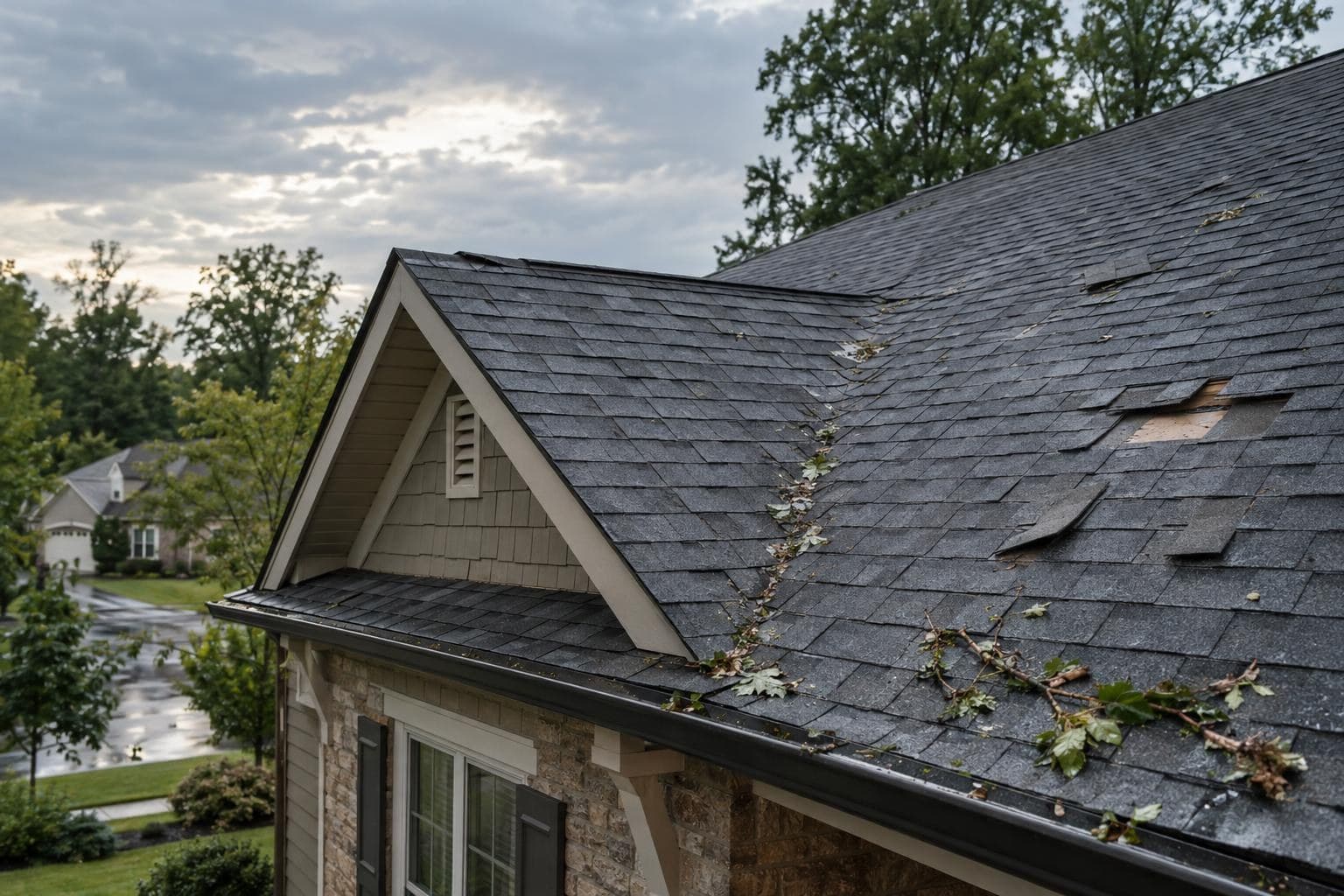
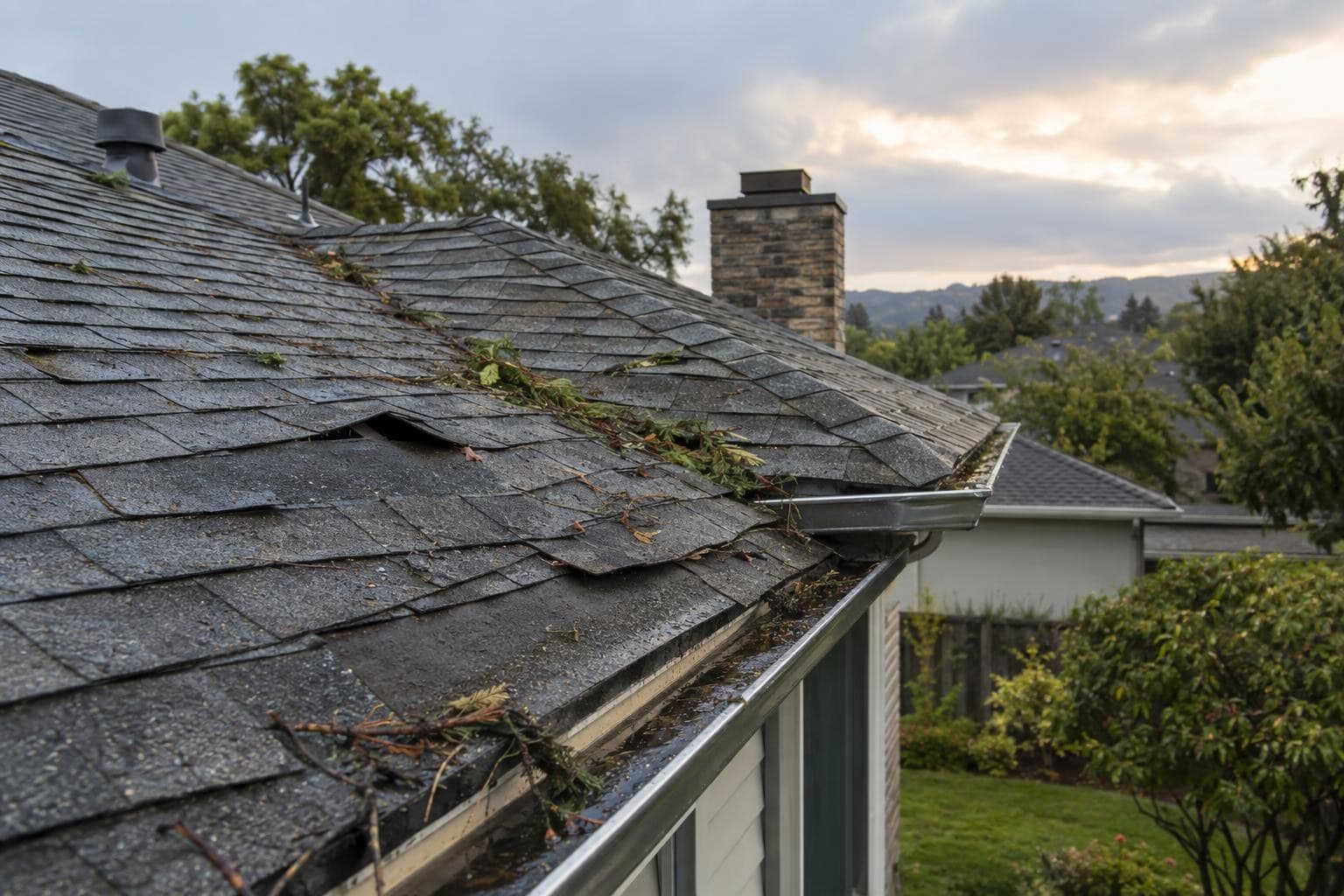
First, keep people safe, limit interior water damage, and create a clean record of what happened. If you see active leaking, put buckets down, move furniture and electronics, and relieve bulging ceiling drywall only if water is heavily pooling and you can do it safely. Do not get on the roof during or right after the storm. Wet surfaces, loose shingles, and hidden soft spots make falls more likely. From the ground, look for missing materials, bent flashing, fallen branches, dents to metal parts, and anything that suggests water can keep getting in. Then call a roofing contractor you are considering for an inspection and emergency protection if needed.
- Take wide photos of every roof slope you can see from the ground
- Photograph interior stains, wet insulation, ceiling bubbles, and any damaged belongings
- Save a note with the date, time, and what the storm did, such as wind, heavy rain, or debris impact
- Do not throw away broken roofing pieces if they fell into the yard, keep them together for photos
- Do not start permanent repairs before the damage is documented
Should you tarp the roof right away?
Yes, if water is entering the home or the roof deck is exposed, temporary tarping is the right move. The goal is to prevent more damage, not hide the original problem. A tarp can buy you time until your roofer can make repairs, but it should be installed safely and in a way that does not create even more damage. If the roof is steep, high, slick, or visibly unstable, stay off it and have your roofer handle the emergency cover. Temporary work should be clearly documented with photos before and after it is installed.
California storms often exploit old weak points more than they create brand-new ones. Heavy rain and wind-driven water can push past worn pipe boots, loose flashing, open valleys, and aged underlayment. On coastal homes, salt air can corrode metal fasteners and components, which can make storm entry worse when the wind picks up. Tarping matters because it stops the second wave of damage, soaked insulation, stained ceilings, mold growth, and damaged framing, while you sort out the cause.
How do you document roof storm damage the right way?
Use clear, simple proof: wide shots, close-ups, interior photos, and a timeline. Start outside from the ground and work inward. Show the full roof area where damage appears, then get closer images of lifted shingles, displaced tiles, punctures, flashing damage, gutter issues, and debris impact. Inside, photograph every stain, drip path, wet attic area, and damaged personal property. If a branch hit the roof, photograph the branch before it is moved if it is safe to do so. The goal is to show both the cause and the result.
- Take photos in daylight if possible, then repeat if damage becomes more visible after drying
- Use the same angles before cleanup, after tarping, and after repairs begin
- Write down when leaks started and which rooms were affected
- Keep receipts for emergency supplies and temporary protection
- Ask your roofer for inspection photos that show what could not be seen from the ground
Talk to a roofer today
Planning ranges, scope details, and a direct path to request a roofing quote.
How can you tell storm damage from an old roof problem?
The short answer is this: storm damage usually looks sudden and localized, while age-related wear looks widespread and consistent. In California, that distinction matters because heavy UV and heat load ages shingles and dries out asphalt faster than in cooler, cloudier climates. A storm may be the event that finally exposes the weakness, but the roof may have already been near the end of its useful life in that area.
Fresh storm damage often shows up as missing shingles in a defined area, sharp creases from wind lift, punctures from debris, displaced ridge material, torn flashing, or a new leak that started during the storm. Age usually shows up as granule loss across broad sections, brittle or curling shingles, repeated patching, dried and cracked sealant, corrosion that has built up over time, and underlayment or flashing that has simply worn out. Atmospheric-river storms are especially good at finding these older weak points. Your roofer should document which conditions appear sudden and which appear long-term so you can make the right repair or replacement decision.
When is a repair enough, and when do you need a full replacement?
A repair is usually enough when the damage is limited and the surrounding roof is still in good shape. For current California planning prices related to storm damage roof, use the cost guide and calculator, then compare the contractor's property-specific written scope. If the storm damaged one section, loosened a small amount of flashing, or opened an area that can be matched and sealed correctly, a targeted repair may solve it. But if the roof already has broad UV wear, repeated leak history, coastal corrosion, failing underlayment, or damage across multiple slopes, replacement can make more sense than stacking repairs onto an aging system.
If you are comparing replacement options, keep the local market in mind. For storm damage roof in California, ask the contractor to put the expected working days and weather plan in writing; timing depends on roof size, material, access, crew scheduling, and conditions found after tear-off. For a deeper breakdown, full local pricing lives on the California cost page and the calculator.
Do California fire and energy rules matter if a storm damaged your roof?
Yes, they can matter a lot if the work turns into a re-roof. If your home is in a Wildland-Urban Interface Fire Area or a high or very-high fire hazard severity zone, California building code under Chapter 7A requires a Class A roof assembly, the highest fire rating tested under ASTM E108 / UL 790. Eaves, valleys, and roof penetrations also have to resist ember intrusion. Most asphalt shingle, concrete or clay tile, and metal roofs qualify, wood shake does not. Check whether your address falls in one of these zones before you choose a material.
Energy rules can matter too. California's Building Energy Efficiency Standards, Title 24, Part 6, regulate roofing on a re-roof that replaces 50% or more of the roof surface. In certain climate zones, the standards set minimum solar reflectance and thermal emittance, which a cool roof product meets, and any roofing used to comply has to be rated by the Cool Roof Rating Council. Whether it applies to you depends on your climate zone and roof slope, so confirm the requirement with your contractor or building department before the tear-off.
How do you choose the right roofer after storm damage?
Choose someone who can inspect carefully, explain the difference between storm damage and age, and put the scope in writing. In California, your roofer must hold a California state license, C-39, for any job where labor and materials total an amount that must be confirmed for the written scope or more, and for any job that needs a building permit, regardless of price. Because a re-roof needs a permit, a legitimate roofer on a full roof must be licensed. Unlicensed roofer is not a gray area in California, it is a red flag. Look up your contractor on the CSLB website and confirm they hold an active C-39 Roofing license, that the license is in good standing, and that they carry workers' compensation coverage and the required contractor bond.
Ask for a written scope that spells out tear-off, decking, underlayment, flashing, ventilation, and cleanup. If your home is in a fire zone, make sure the scope names a Class A assembly. If your area may require a cool roof, ask how the product will meet Title 24 if that standard applies. A storm is stressful, but your decision gets easier when the roofer shows you clear photos, explains what is recent versus old, and gives you a straightforward path to protect the home.
Can wildfire-zone or energy requirements change the repair scope?
A storm repair may intersect with current fire, energy, or local building requirements, especially when work extends beyond a small isolated repair. The trigger and required assembly depend on the address, permit scope, and local authority, so do not rely on a statewide shortcut. Ask the contractor to identify any proposed code upgrade separately and confirm it with the building department. Then ask the insurer whether the policy includes ordinance-or-law coverage and how it treats that item. A code requirement can be real without automatically being a covered insurance expense.
Sources reviewed
- CAL FIRE / State Fire Marshal - Wildland-Urban Interface building standards (Chapter 7A)
- California Dept. of Insurance - Safer from Wildfires (roof & home-hardening discounts)
- National Weather Service: Severe Thunderstorm Safety
- Federal Trade Commission: Four Ways to Avoid Scams After a Weather-Related Disaster
- Georgia Attorney General Consumer Protection Division: Beware of Roofers Scamming Storm Victims
Plan with current pricing
Related services
Updated July 27, 2026
3D Roofs Editorial Team
Editorial Standards