Updated July 27, 2026

3D Roofs Editorial Team
Editorial Standards
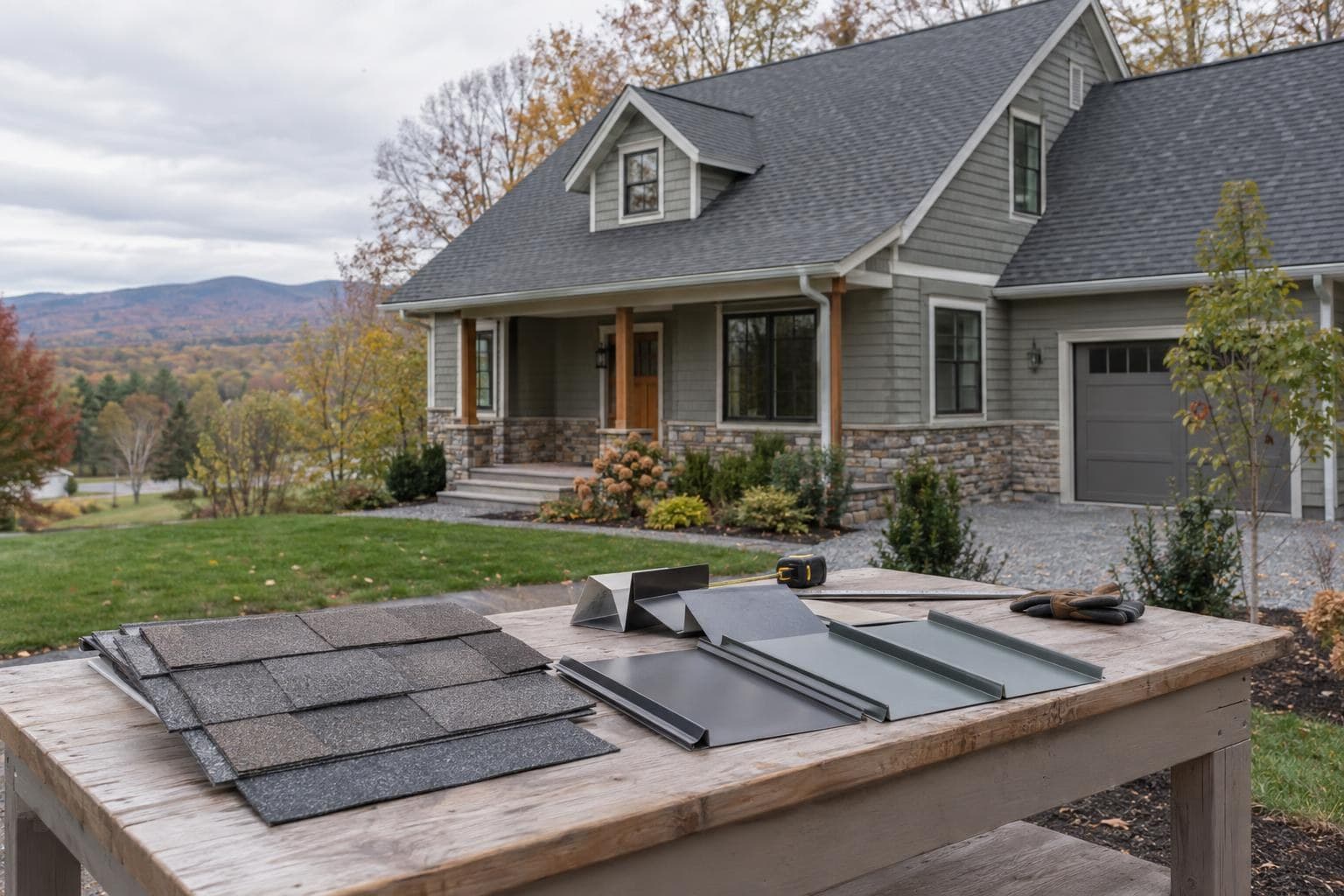
There is no single best roof for every Vermont home. For a Vermont property, start with its actual weather exposure and roof geometry, then compare complete assemblies on water control, attachment, ventilation, repairability, local availability, warranty terms, and installed cost. The sections below use Vermont-specific guidance to show which questions matter before choosing a material. For a roof system comparison in Vermont, use the linked Vermont Department of Financial Regulation, Home and Renters Insurance reference as the state-reference checkpoint and test the recommendation against the address's cold eaves, freeze-thaw transitions, snow and rain drainage, masonry details, and attic moisture.
What roof offers stronger impact resistance in Vermont weather?
Class 4 and standing seam metal are usually the strongest choices for Vermont weather, because Vermont roofs take repeated winter stress. Snow can sit on a roof for long stretches, and freeze-thaw cycles can work water into weak spots around shingles, flashings, valleys, skylights, chimneys, and penetrations. Ice buildup near eaves can back water up under roofing materials. Wind-driven rain and seasonal temperature swings can also shorten the life of older roofs and expose installation problems faster. That is why the material matters, but the details matter just as much. When you talk with your roofer, ask how the system will handle ventilation, drainage, flashing transitions, and winter weather.
Is Class 3 or Class 4 better for a Vermont home?
Class 4 is usually better if you want more impact resistance and are willing to pay more upfront. Class 3 can still be a practical choice if your main goal is keeping replacement cost lower. In Vermont, the weather puts pressure on the whole roof assembly, so a tougher shingle can make sense, especially if your current roof has had trouble around vulnerable areas like valleys, eaves, flashing points, or penetrations. Class 4 is not automatically the right answer for every house, but it is often the better fit when you want a stronger shingle system for repeated winter stress.
- Check current Vermont cost data for a roof-system comparison in Vermont, then replace the range with an assembly-specific proposal based on measured conditions.
- Before approving a roof-system comparison in Vermont, have the bidder connect timing to roof complexity, crew access, material handling, weather, inspections, and concealed conditions.
Is metal roofing worth it in Vermont?
Standing seam metal can be worth it in Vermont if you want a premium roof and are comfortable with the higher upfront cost. It is the most expensive option in the pricing here, but it appeals to homeowners who want a durable system for harsh winter conditions and seasonal weather swings. The tradeoff is simple: you pay much more at installation. For some homes, that makes sense. For others, Class 4 gives a better balance between protection and cost.
Talk to a roofer today
Planning ranges, scope details, and a direct path to request a roofing quote.
How much does the best roof for Vermont cost?
The cost depends on the material you choose and the shape of your roof. Based on current local cost ranges in Vermont, Class 3 is the budget-friendly option, Class 4 sits in the middle, and standing seam metal is the premium choice. On a typical 2,000 sq ft roof, the spread is large enough that your budget will probably narrow the field quickly. Have each bidder explain how pitch and roof complexity change crew setup, production, and measured price for a roof-system comparison in Vermont.
Can Class 4 shingles lower insurance costs in Vermont?
Sometimes, yes. A Class 4 rating does not establish a policy credit in Vermont; the carrier and policy determine eligibility, documentation, and savings. Vermont homeowners should still ask their own insurer before making a decision, because carriers set their own discounts and eligibility rules, so the savings, if any, can vary by policy and property. If you are considering a Class 4 impact-resistant shingle, ask your insurer whether it offers any premium discount or underwriting preference for that material. That question is worth asking before you choose between Class 3 and Class 4, because even a modest discount can change the long-term value.
What roof details matter most in Vermont winters?
Water management details matter most. In Vermont, freeze-thaw cycles and ice buildup near eaves can push water into weak spots, so the best roof is not just the surface material. It is also the way the system handles flashing transitions, valleys, penetrations, ventilation, and drainage. Older roofs often show problems faster when wind-driven rain and temperature swings hit. If you are replacing a roof, ask your roofer to explain where your current weak points are and how the new system will address them. That conversation is often more useful than focusing on shingle labels alone.
What should you know about Vermont insurance and roof claims?
You should know what your policy covers before storm damage happens. For best roof for in Vermont, coverage depends on the policy language, cause of loss, exclusions, and the insurer's decision; verify those terms in your own documents. If you want protection from those risks, you need to talk to your insurance agent about separate coverage available in your area. The Vermont's Department of Financial Regulation also says a home inventory, along with photos and proof of ownership, makes it easier to file an accurate, detailed insurance claim if your home is damaged or destroyed, and it can help determine how much coverage you need. If you are confused about what your homeowners policy covers after roof damage, Vermont's Department of Financial Regulation says you can contact the Vermont Insurance Department directly for help, or file a complaint through the department if you run into a problem with your insurer.
How do you choose the right roofer in Vermont?
Start by confirming state registration, then do your own homework. Vermont requires residential contractors to register with the state. Registration for Residential Contractors has been required since April 1, 2023, under Act 182, and the Vermont Office of Professional Regulation oversees unlawful and unprofessional conduct by individuals and businesses required to register. The state is also clear about the limits of that oversight: it does not have authority to seek money damages or restitution for homeowners, mediate disputes, or inspect construction quality. For you, that means a smart first step is to look up your roofer in the state's Find a Professional tool to confirm they are registered, and to still get a detailed written contract, the full material list, and a clear cleanup and payment schedule before you sign. If a dispute comes up over money or coverage, Vermont points consumers to the Attorney General's Consumer Assistance Program for help beyond OPR's jurisdiction.
So, what is the best roof for Vermont?
For many Vermont homeowners, Class 4 is the best all-around choice because it gives you stronger impact resistance than Class 3 without jumping all the way to standing seam pricing. If your budget is tight, Class 3 is a reasonable option. If you want a premium roof and accept the higher cost, standing seam metal is the top-end pick. The best answer for your home comes down to your roof shape, weak points, budget, and whether possible Class 4 a policy-specific premium credit apply to your policy. If you are pricing the next step, check the Vermont cost page and the calculator, then talk with a roofer whose credentials and written scope you checked about how your new roof will handle Vermont winter conditions.
Sources
Reviewed technical references for Vermont
Related Vermont roofing guides
Related services
Updated July 27, 2026
3D Roofs Editorial Team
Editorial Standards