Updated July 27, 2026

3D Roofs Editorial Team
Editorial Standards
Yes, homeowners insurance may cover a roof replacement in Delaware when a storm causes functional damage. For does insurance cover roof replacement in Delaware, coverage depends on the policy language, cause of loss, exclusions, and the insurer's decision; verify those terms in your own documents. If wind, heavy rain, or another covered event damages shingles, flashing, or other roof components badly enough that the roof can no longer do its job, that is the kind of loss that may lead to a covered claim. If the roof is just at the end of its life, insurance is generally not the fix.
When does homeowners insurance cover a roof replacement in Delaware?
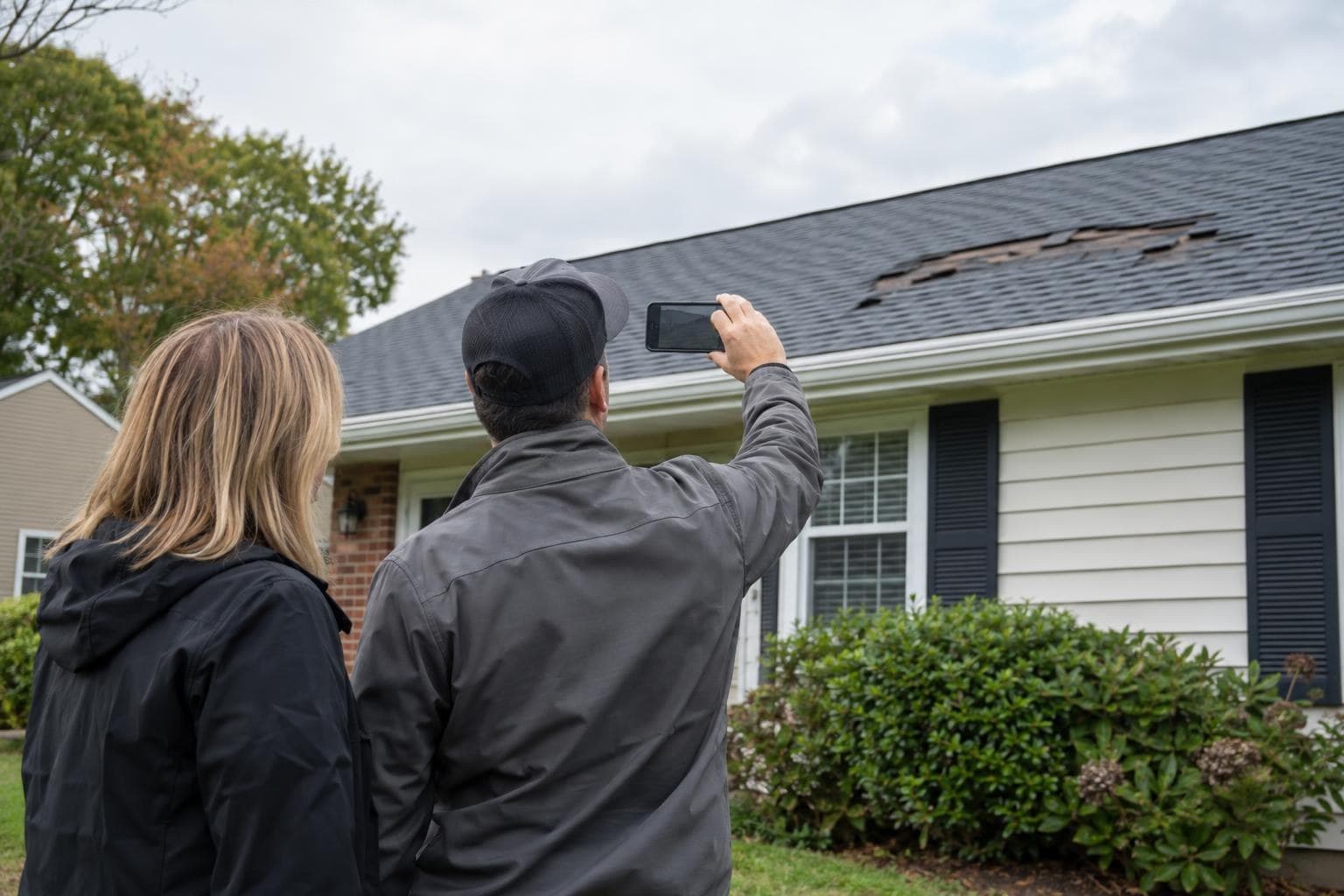
Insurance may cover replacement when the roof has direct storm damage that affects performance, not just appearance. In Delaware, that question matters because roofs take a mix of weather stress. Hurricanes, coastal storms, heavy rain, and strong wind can lift shingles, drive water under roof coverings, and turn small flashing problems into leaks. A claim is stronger when the damage is tied to a specific event and there is visible evidence like missing shingles, torn tabs, displaced flashing, punctures, or active leaking after the storm.
What usually does not qualify is wear and tear. If shingles are brittle from age, granules are fading over time, or old flashing has slowly deteriorated, that points to maintenance and age, not sudden storm loss. The practical question is simple: did a covered event damage a working roof, or is an old roof finally showing its age. Your carrier will look closely at that line.
What is the difference between storm damage and normal wear on a roof?
Storm damage is sudden and functional. Wear is gradual. That is the basic difference. Storm damage tends to show up as missing shingles, creased or torn shingles, lifted edges, punctures, bent or separated metal, damaged ridge caps, or water entry that starts right after a storm. Wear tends to look like general aging, widespread surface loss, sun exposure, long-term staining, slow seal failure, and deterioration that built up over time.
- Signs that may point to storm damage: missing shingles, sharp creases, lifted tabs, fallen tree impact, new leaks after high wind or heavy rain, damaged flashing, visible sections blown out of place.
- Signs that may point to wear: widespread aging, brittle shingle edges, long-term discoloration, repeated small repairs in the same aging areas, slow deterioration around old penetrations, and problems not tied to one weather event.
- Mixed cases happen. A storm can damage an already older roof. In that situation, documentation matters because the carrier may focus on what the storm changed versus what was already there.
Will insurance pay for a full roof replacement or just a repair?
It depends on how much functional damage the storm caused. If the damage is limited and repairable, the carrier may pay for repair instead of full replacement. For an insurance-related roof project in Delaware, begin with documented damage, the policy deductible, and a property-specific repair or replacement scope. If the storm damage is broad enough that the roof cannot be restored properly with a simple repair, replacement may be the outcome. The schedule for an insurance-related roof project in Delaware should explain access, material staging, weather protection, inspections, and the process for discovered deck work. For an early budget on an insurance-related roof project in Delaware, compare the Delaware cost page with a proposal that identifies measurements, products, accessories, and exclusions.
Talk to a roofer today
Planning ranges, scope details, and a direct path to request a roofing quote.
Do I have to pay a deductible for roof replacement?
Yes, you usually pay your deductible when a roof claim is covered. The carrier pays covered costs above that amount, subject to your policy terms. The key point is that a deductible is your share of the loss, not a way to tell whether the claim is worth filing on its own. If the damage is small and repairable, compare the likely repair cost with your deductible before you move forward. If the roof has major storm damage or water is entering the home, report it quickly and document everything.
You should also think beyond the immediate claim. If you are replacing the roof anyway, it may be worth asking about impact-resistant shingles. Delaware guidance says to ask your carrier whether they offer a discount for Class 4 rated shingles. Discounts are set by each insurance company, and the available savings, if any, can vary by policy and home. When comparing an insurance-related roof project in Delaware, use a written insurer response rather than a sales estimate for any impact-resistant roof credit. The practical move is to confirm the product rating, keep the product paperwork, and ask your carrier what documentation they want before you replace the roof.
What should I do right after a Delaware roof storm claim starts?
Start by protecting the home from further damage, then document the loss, then report it. Delaware's storm preparedness guidance says, "The policy requires the policyholder to protect the property from further damage." After a storm, that means you may need to arrange temporary steps like covering roof openings and keeping records of what you spent.
- Take clear photos of the roof damage, interior leaks, fallen debris, and any damaged gutters, flashing, or siding.
- Keep receipts for temporary protection materials and emergency service work.
- Make a list of the visible structural issues. Delaware guidance specifically says to document missing roof tiles and other visible building damage.
- Tell the carrier if the home is unsafe or unlivable. Delaware says homes with severe structural damage may get first priority in claim handling.
Can I start roof work before the adjuster comes out?
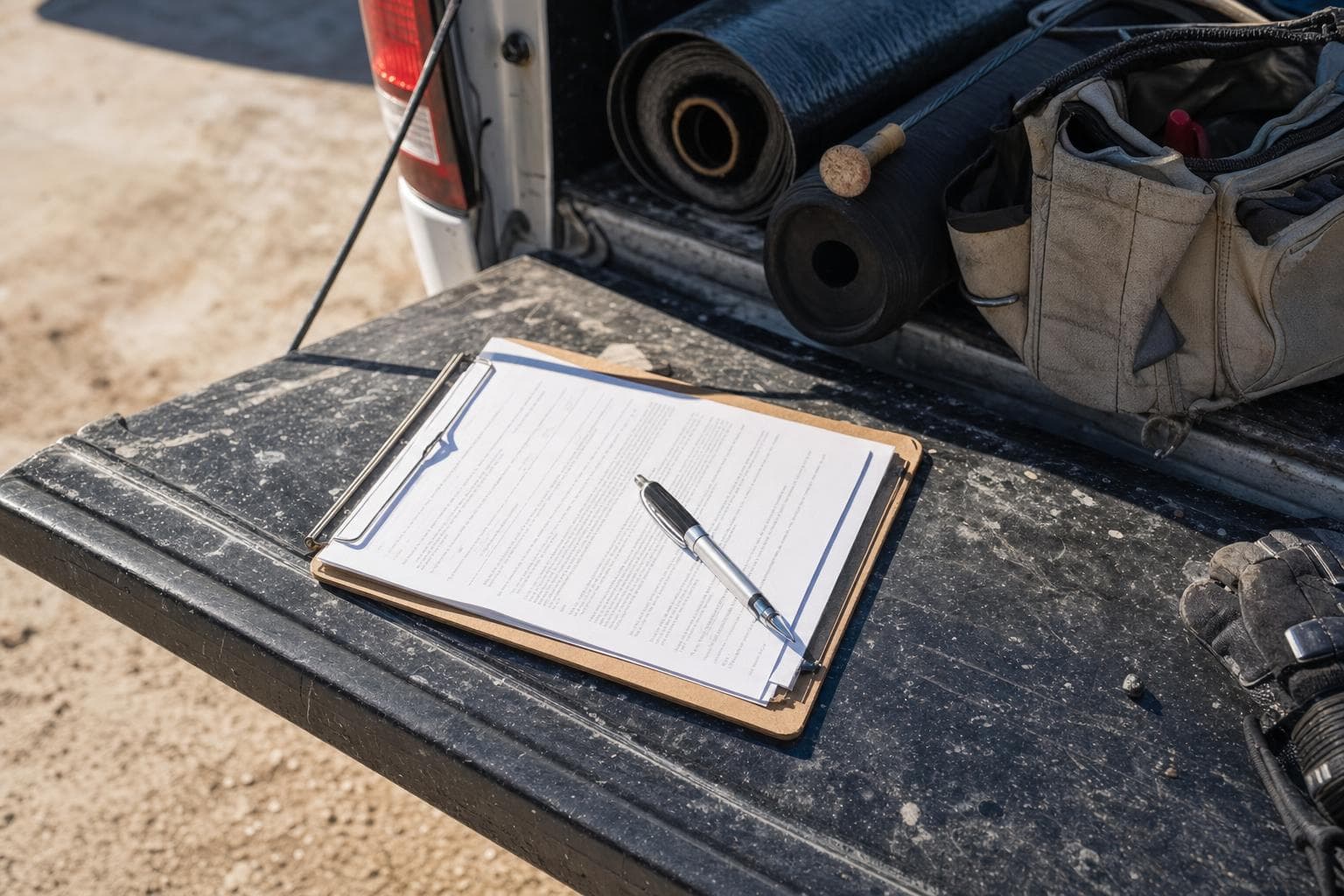
You may need to do temporary repairs right away, but you should not rush into a full repair contract before the claim is reviewed. Delaware guidance says you may need to make immediate temporary repairs after a storm, keep all bills and receipts, and "Do not contract for repairs, other than temporary repairs, prior to agreement with the claim adjuster or agent." It also says, "Do not be rushed into signing repair contracts." That gives you a clear path: stop further damage now, but wait on the full replacement agreement until the claim scope is clearer.
How can I make my roof claim go more smoothly?
Good documentation helps. Delaware tells homeowners to photograph damage, keep receipts and old records, and make a list of damaged items and structural issues. The same guidance says the more information you have, the faster your claim generally can be settled. If you have older roof records, prior repair invoices, product paperwork, or photos that show the roof condition before the storm, keep those together. They can help show what changed after the loss.
It also helps to keep your contractor conversations organized. Ask your roofer for a clear written scope, materials list, cleanup terms, and payment terms before signing. In Delaware, roofing falls under construction services, and state guidance says businesses that perform construction services must be registered with the Delaware Department of Labor's Office of Contractor Registration before work begins in the state. State guidance also says contractors conducting business activity in Delaware are required to register with and obtain a business license from the Delaware Division of Revenue. A simple screening step is to ask your roofer for the exact business name they use for registration, confirm they appear in the state's contractor registry, and confirm they hold a Delaware business license.
What is the smart way to choose a roofer during an insurance claim?
Choose a local contractor whose credentials you verified, verify the business details, and do not let anyone push you into signing too fast. After storm damage, Delaware's insurance guidance says it is best to deal with local, reputable contractors and not to be rushed into signing repair contracts. That matters because roof claims can feel urgent, especially when water is coming in. Urgent does not mean careless. You want temporary protection right away, but you also want a written scope you can compare against the claim decision before you commit to full replacement.
The bottom line is simple: insurance may cover a Delaware roof replacement when a storm causes real functional damage, but not when the roof is mainly worn out from age and exposure. Protect the home, document the loss, report it clearly, and avoid signing a full repair contract before the adjuster or agent agrees on the scope. If replacement is the right path, use current planning prices as a planning baseline and check the Delaware cost page and the calculator for full local numbers.
Sources
- National Association of Insurance Commissioners: What You Need to Know When Filing a Homeowners Claim
- National Association of Insurance Commissioners: Actual Cash Value Coverage and Replacement Cost Coverage
- Delaware Department of Insurance, Storm Preparedness
- Delaware One Stop, Construction Contractors
Reviewed technical references for Delaware
Related Delaware roofing guides
Related services
Updated July 27, 2026
3D Roofs Editorial Team
Editorial Standards