Updated July 10, 2026

3D Roofs Editorial Team
Editorial Standards
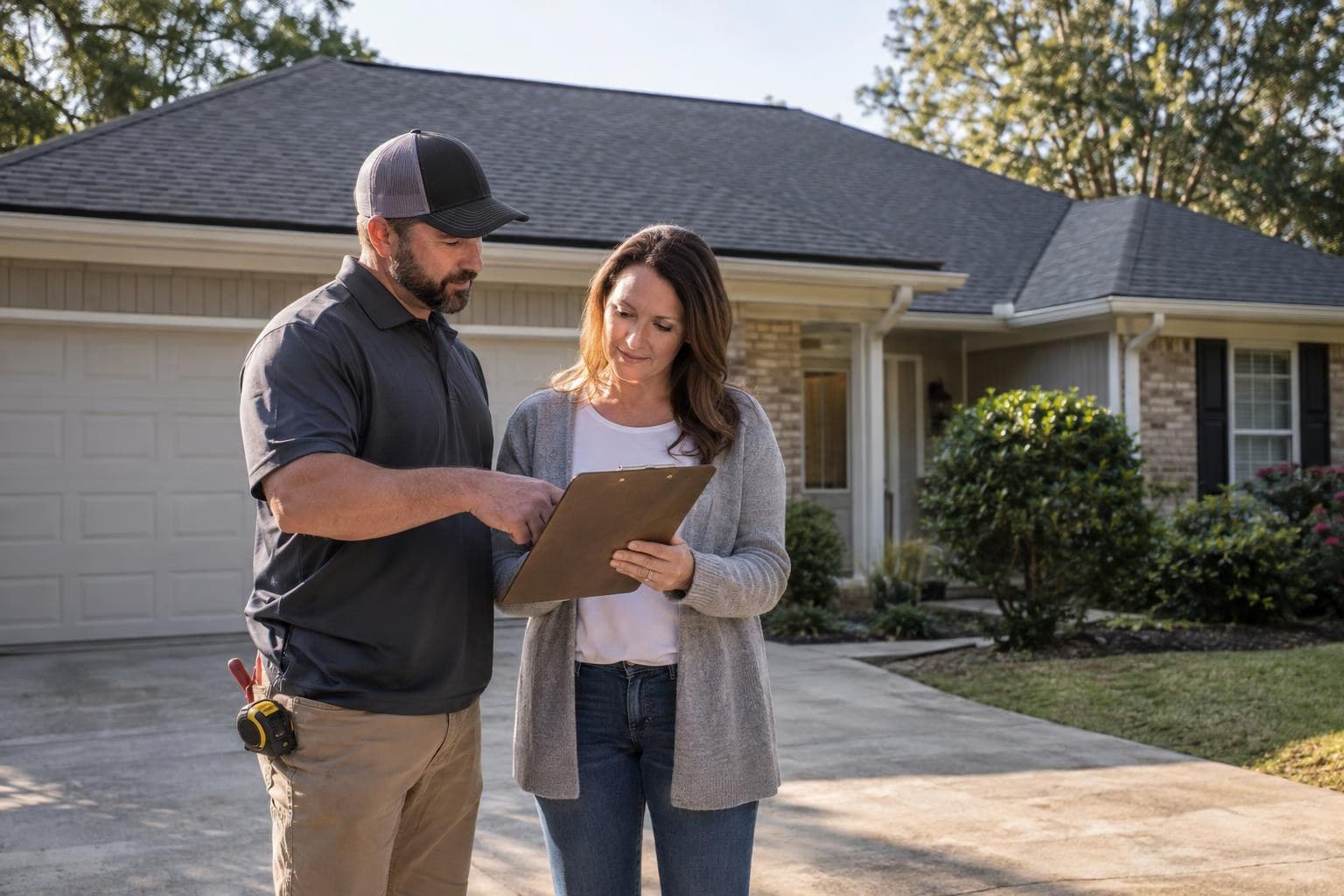
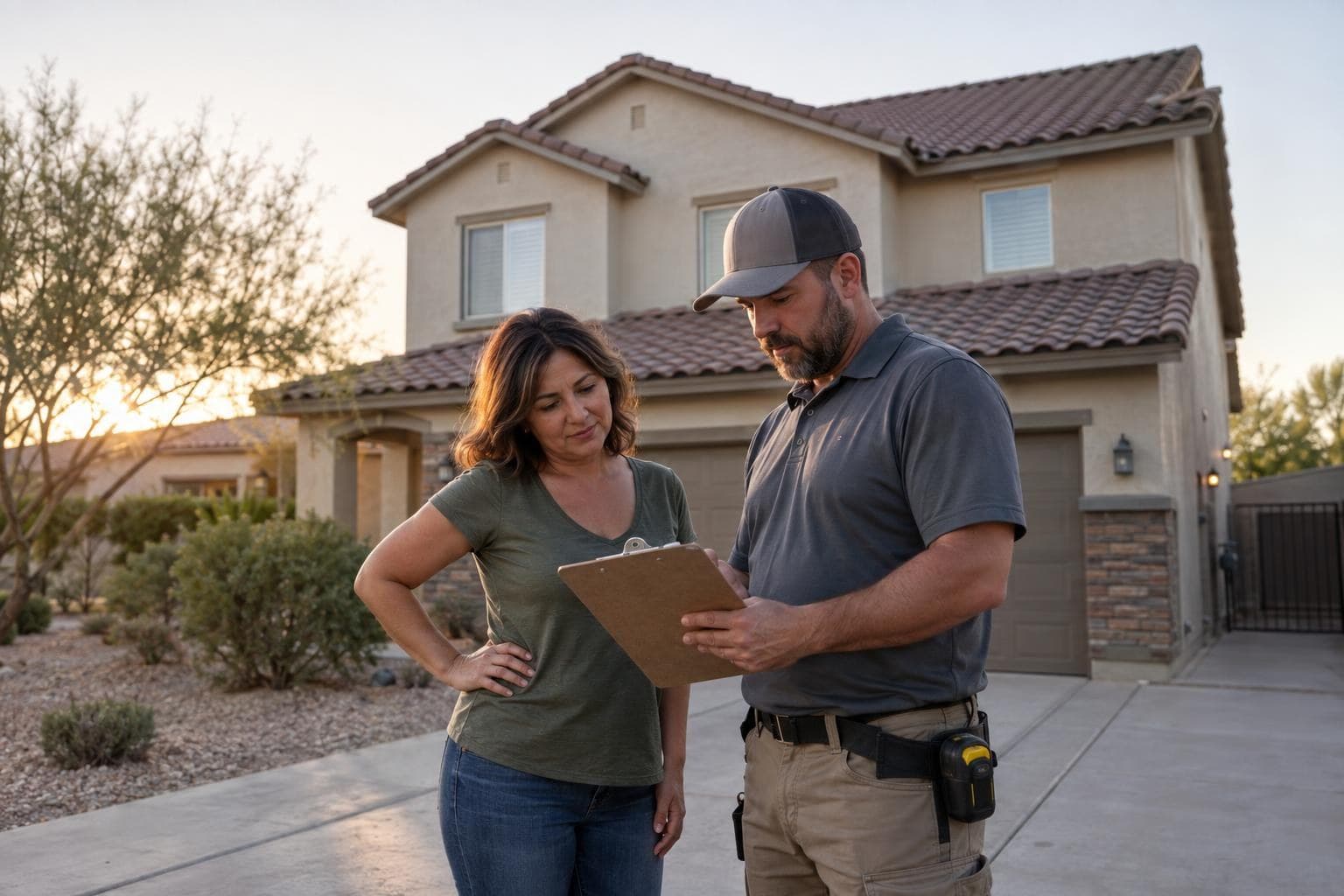
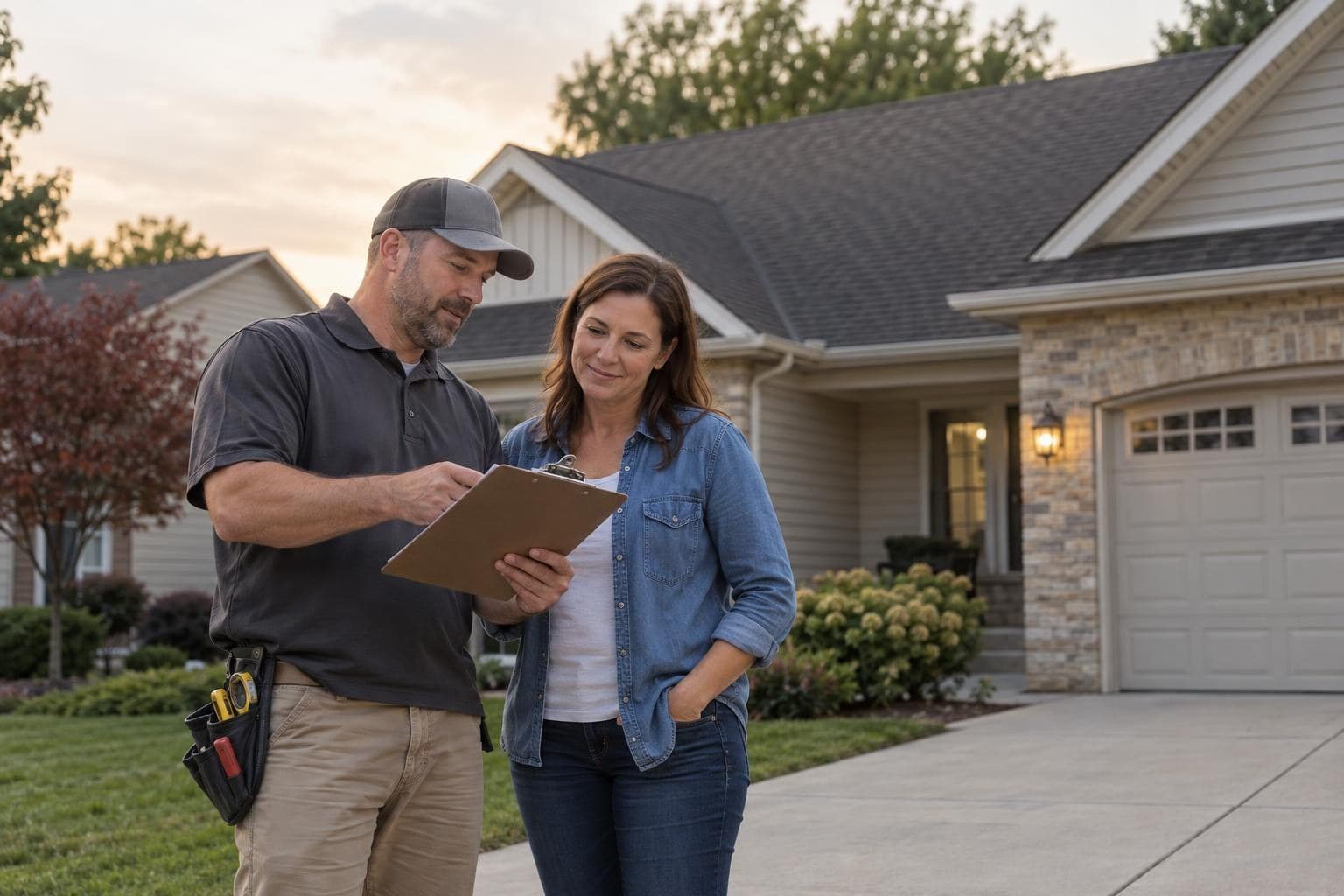
The fastest way to spot a weak Delaware roofer is to ask specific questions and listen for specific answers. You want clear scope, clear materials, clear cleanup terms, and no pressure around insurance timing. In Delaware, that matters because roofs take a mix of weather stress. Hurricanes, coastal storms, heavy rain, and strong wind can lift shingles, drive water under roof coverings, and turn small flashing problems into leaks. Humidity can keep roof surfaces damp longer, which can shorten the life of aging materials and encourage staining or deterioration around vulnerable areas. If a roofer cannot explain exactly what they will do to protect your home before, during, and after the job, keep looking.
What exactly is included in the roofing scope of work?
The right answer is a written scope with no gaps. A strong roofer should be able to tell you what materials are being installed, what old materials are being removed, how flashing will be handled, what happens around penetrations and valleys, and what cleanup is included. If the answer is vague, you are the one taking the risk later.
- Ask for the exact shingle or metal product being installed, including the rating if you are comparing Class 3 or Class 4 options.
- Ask whether flashing, pipe boots, starter, ridge materials, underlayment, and ventilation components are listed in writing.
- Ask how damaged decking is handled if it is found after tear-off, and how that change would be documented.
- Ask for cleanup terms in writing, including debris removal and magnetic nail pickup.
- Ask for payment terms in writing before you sign.
This is also where pricing gets easier to compare. For an early budget on a contractor proposal in Delaware, compare the Delaware cost page with a proposal that identifies measurements, products, accessories, and exclusions. The schedule for a contractor proposal in Delaware should explain access, material staging, weather protection, inspections, and the process for discovered deck work. If one bid is far off from the rest, ask what is missing from the scope instead of assuming you found a deal. You can also review fuller local pricing on the Delaware cost page and the calculator.
What business name do you use for Delaware registration?
The right answer is the exact legal business name, given without hesitation. In Delaware, roofing falls under construction services, and state guidance says businesses that perform construction services must be registered with the Delaware Department of Labor's Office of Contractor Registration before work begins in the state. State guidance also says contractors conducting business activity in Delaware are required to register with and obtain a business license from the Delaware Division of Revenue. If a roofer cannot give you the exact name they use for those records, that is a problem.
Ask your roofer for the exact business name they use for registration, confirm they appear in the state's contractor registry, and confirm they hold a Delaware business license. This is not paperwork for paperwork's sake. It helps you confirm you are dealing with a real Delaware business, and it gives you a cleaner way to compare proposals and paperwork before signing.
Will you pressure me to sign before my insurance adjuster reviews the claim?
The right answer is no. After storm damage, Delaware's guidance is direct: "Do not contract for repairs, other than temporary repairs, prior to agreement with the claim adjuster or agent." It also says, "Do not be rushed into signing repair contracts." If a roofer pushes you to lock in a full replacement contract before your claim is reviewed, treat that as a warning sign.
That does not mean you should wait on urgent protection. Delaware's storm preparedness guidance says, "The policy requires the policyholder to protect the property from further damage." After a storm, that can mean arranging temporary steps like covering roof openings and keeping records of what you spent. A good roofer should be able to explain the difference between temporary protection now and a full repair contract later, without blurring the two.
Talk to a roofer today
Planning ranges, scope details, and a direct path to request a roofing quote.
How will you help with insurance documentation without overpromising?
The right answer is practical help, not big promises. Good claim documentation can help your roof claim move faster. Delaware tells homeowners to photograph damage, keep receipts and old records, and make a list of damaged items and structural issues, including missing roof tiles and other visible building damage. The same guidance says the more information you have, the faster your claim generally can be settled.
- Ask whether your roofer will document visible roof damage with photos.
- Ask whether they will provide a written scope you can share with your carrier.
- Ask how they want temporary repair receipts organized.
- Ask whether they can explain the roof-related line items in plain language after the adjuster report arrives.
- Be cautious if anyone guarantees claim approval or tells you to skip documentation.
If your roof damage has made the home unsafe or unlivable, say that clearly when you report the loss. Delaware's storm guidance says people whose homes are not livable or have severe structural damage will be given first priority in having claims handled, with less severe and minor damage following after that.
What warranty do I get, and what would void it?
The right answer is a simple written explanation of what is covered and what is not. If a roofer talks about a warranty in broad terms but cannot show you the actual coverage details, ask again. You want to know whether the warranty covers workmanship, materials, or both, how defects are reported, and what homeowner actions could affect coverage. Weak roofers often use the word warranty as a sales line, then leave the details fuzzy.
This is also the time to ask who handles any callback. If a leak shows up around flashing or a vent after installation, you should know exactly who to contact and what the process is. Plain answers here are a good sign. Evasive answers usually mean future frustration.
How will you protect my property and handle cleanup?
The right answer is with a specific cleanup plan. Roof work is messy, and a weak roofer often treats cleanup like an afterthought. You should hear exactly how landscaping, driveways, siding, and outdoor items are protected, how debris is collected, and when nail pickup happens. Cleanup terms should be written into the scope, not left to a verbal promise.
This matters even more after storm damage, when temporary protection materials, torn shingles, and wet debris can create extra mess. Delaware homes can take on water fast when wind drives rain under damaged roof coverings, so your roofer should be able to explain how the home stays protected while work is in progress and what happens if weather interrupts the job.
Should I choose Class 3, Class 4, or standing seam metal?
The right answer depends on your budget, your roof design, and whether you want to pursue a possible policy-specific premium credit. If you are considering an impact-resistant roof, ask your carrier whether they offer a discount for Class 4 rated shingles. When comparing a contractor proposal in Delaware, use a written insurer response rather than a sales estimate for any impact-resistant roof credit.
The smart question is not just what costs less today. Ask your roofer to explain the practical tradeoffs in plain language. Then confirm the product rating, keep the product paperwork, and ask your carrier what documentation they want before you replace the roof. If a roofer pushes one option without explaining why it fits your home, that is not good enough.
How long will the job take, and what could change the timeline?
The right answer is a realistic range, not a promise that ignores conditions on the roof.
Ask what happens if bad decking is uncovered, if rain interrupts the install, or if storm demand backs up material deliveries. A dependable roofer will walk you through those variables before the job starts. If someone gives you a too-clean answer with no contingencies, they may be telling you what you want to hear instead of what you need to know.
What are the biggest red flags when comparing Delaware roofers?
The short answer is vagueness, pressure, and missing paperwork. In Delaware, it is best to deal with local, reputable contractors and not to be rushed into signing repair contracts. If a roofer dodges basic questions about scope, gives you no written cleanup terms, refuses to provide the exact business name used for registration, or pushes a full contract before your adjuster reviews the claim, move on.
- No clear written scope
- No clear explanation of materials or flashing details
- No written cleanup terms
- Pressure to sign fast after storm damage
- No exact business name for Delaware registration checks
- Big insurance promises without documentation
- Warranty talk without written coverage details
If you ask these questions up front, you put yourself in control. That is the goal. You do not need a polished pitch. You need clear answers, solid paperwork, and a local contractor whose credentials you verified who will explain the job before asking for your signature. If you are still comparing options, start with written scope, current planning prices, and the Delaware registration details, then use the Delaware cost page and the calculator to get your numbers straight before you commit.
Sources
Reviewed technical references for Delaware
Related Delaware roofing guides
Related services
Updated July 10, 2026
3D Roofs Editorial Team
Editorial Standards