Updated July 27, 2026

3D Roofs Editorial Team
Editorial Standards
If the damage is isolated, a repair usually makes sense. If the damage is spread across the roof, the roof is older, or the same weak areas keep failing, replacement is often the better long-term call. In Nevada, that decision matters because roofs take a steady beating from intense sun, dry heat, and wind. UV exposure can age shingles, dry out roofing components, and wear down sealants. Wind can lift edges, move tiles, and turn small roof weaknesses into leaks. That means a roof that looks fixable from the ground may have broader wear once your roofer gets a close look.
Should you repair or replace your roof in Nevada?
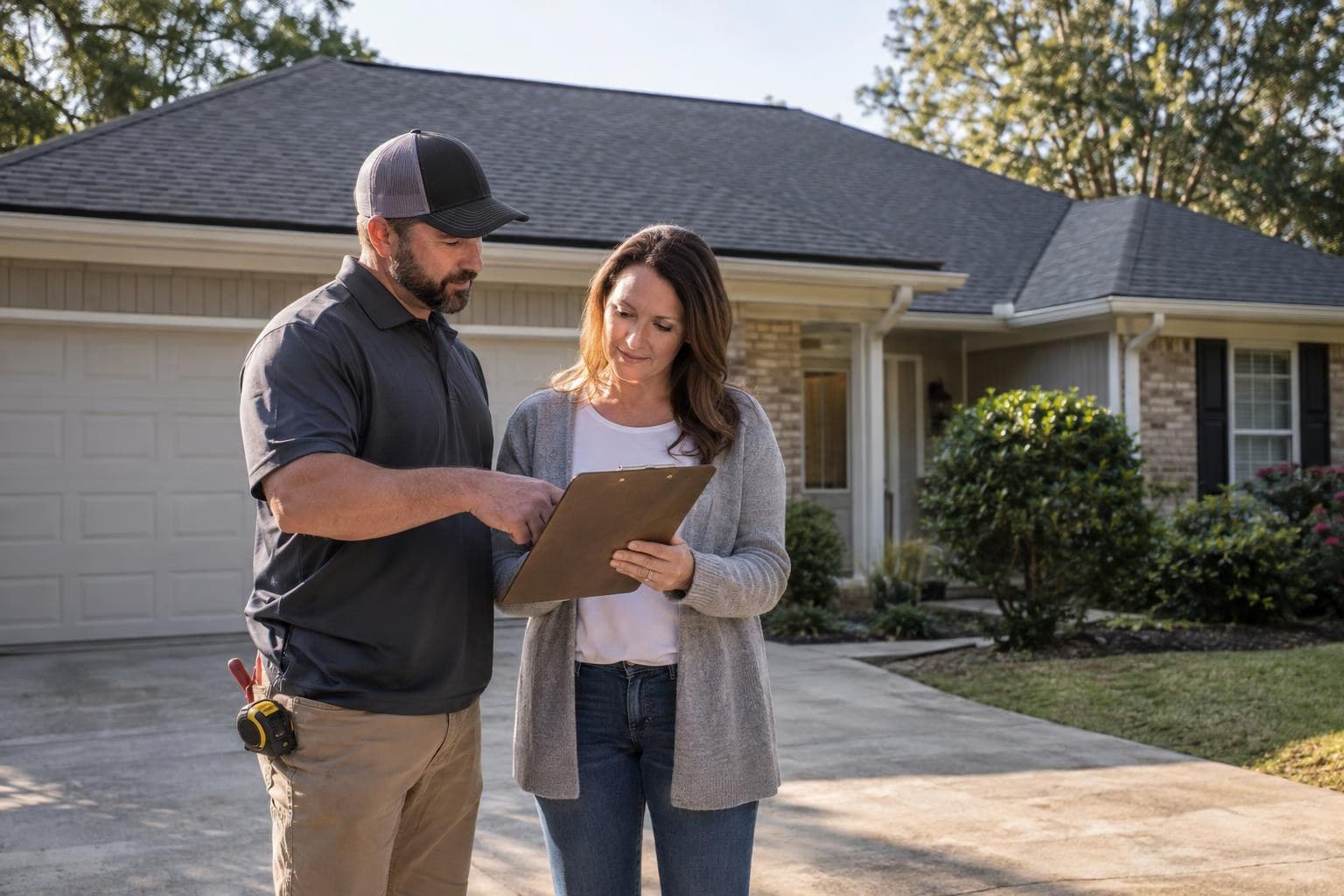
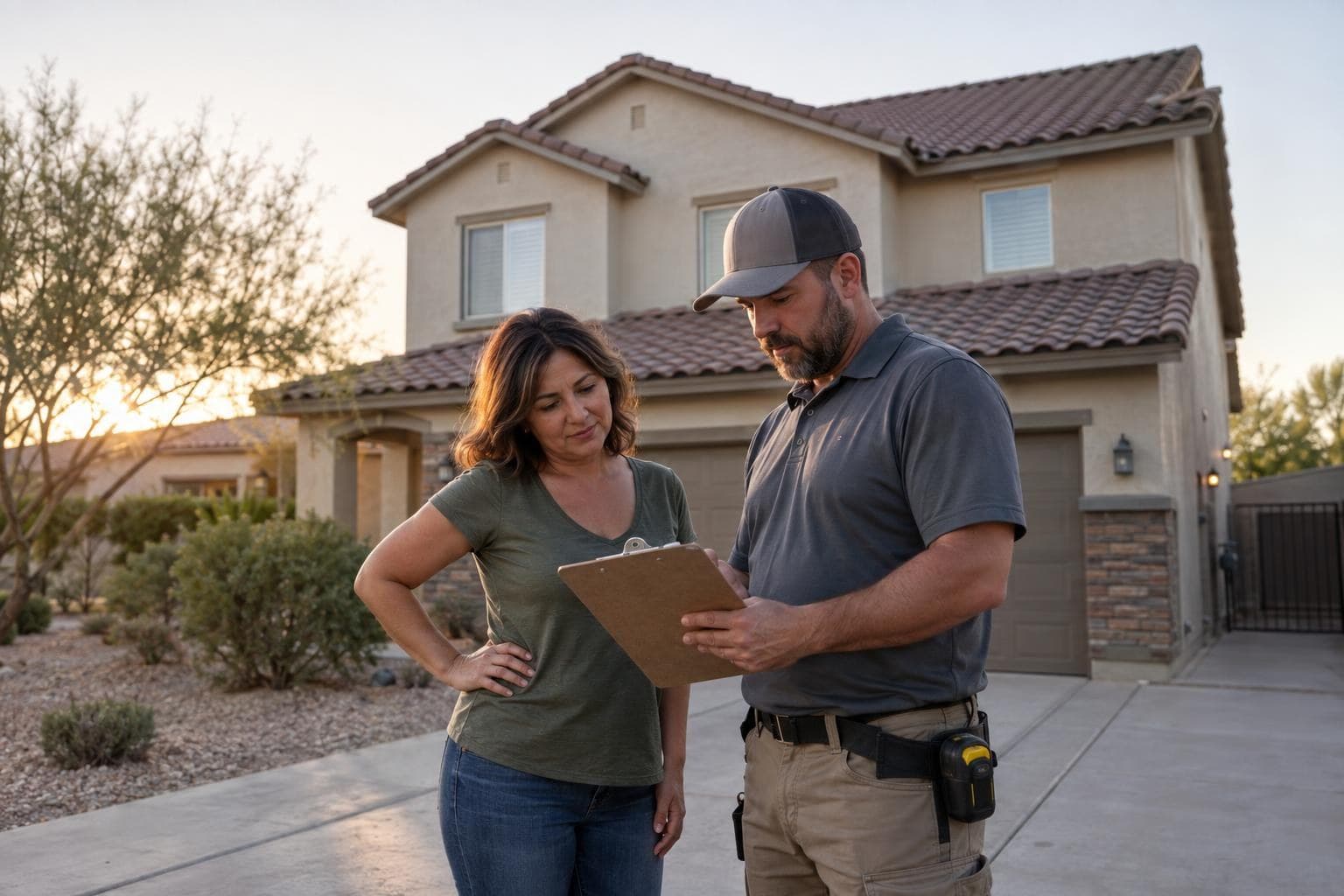
Start with the spread of the damage. If you have one leak, a few missing shingles, a small flashing problem, or damage limited to one area, repair is usually the practical option. For a repair-versus-replacement decision in Nevada, compare a diagnosed repair scope with a measured replacement proposal; both should identify affected slopes, flashing, deck conditions, and exclusions. But if multiple roof sections show wear, the same area has been repaired before, or wind and sun have weakened materials across the system, replacement can save you from stacking short-term fixes on a roof that is already near the end of its useful life.
When is roof damage too widespread for a repair?
For roof repair vs replacement in Nevada, do not use a fixed damage percentage as the decision rule; compare the repairable area, roof condition, material availability, code requirements, and written scopes. The reason is practical, not technical. Once damage spreads that far, the cost and patchwork of repairing section after section can stop making sense. You may fix one slope now, then another after the next wind event, then another when dried-out sealants fail. In Nevada, where sun and wind work on the whole roof over time, widespread visible damage often points to hidden wear nearby.
- Repair usually fits best when damage is limited to a small area
- Replacement usually fits best when damage affects multiple sections or a large share of the roof
- If repeated repairs are adding up, replacement often gives you better value and fewer surprises
How does roof age affect the repair vs. replacement decision?
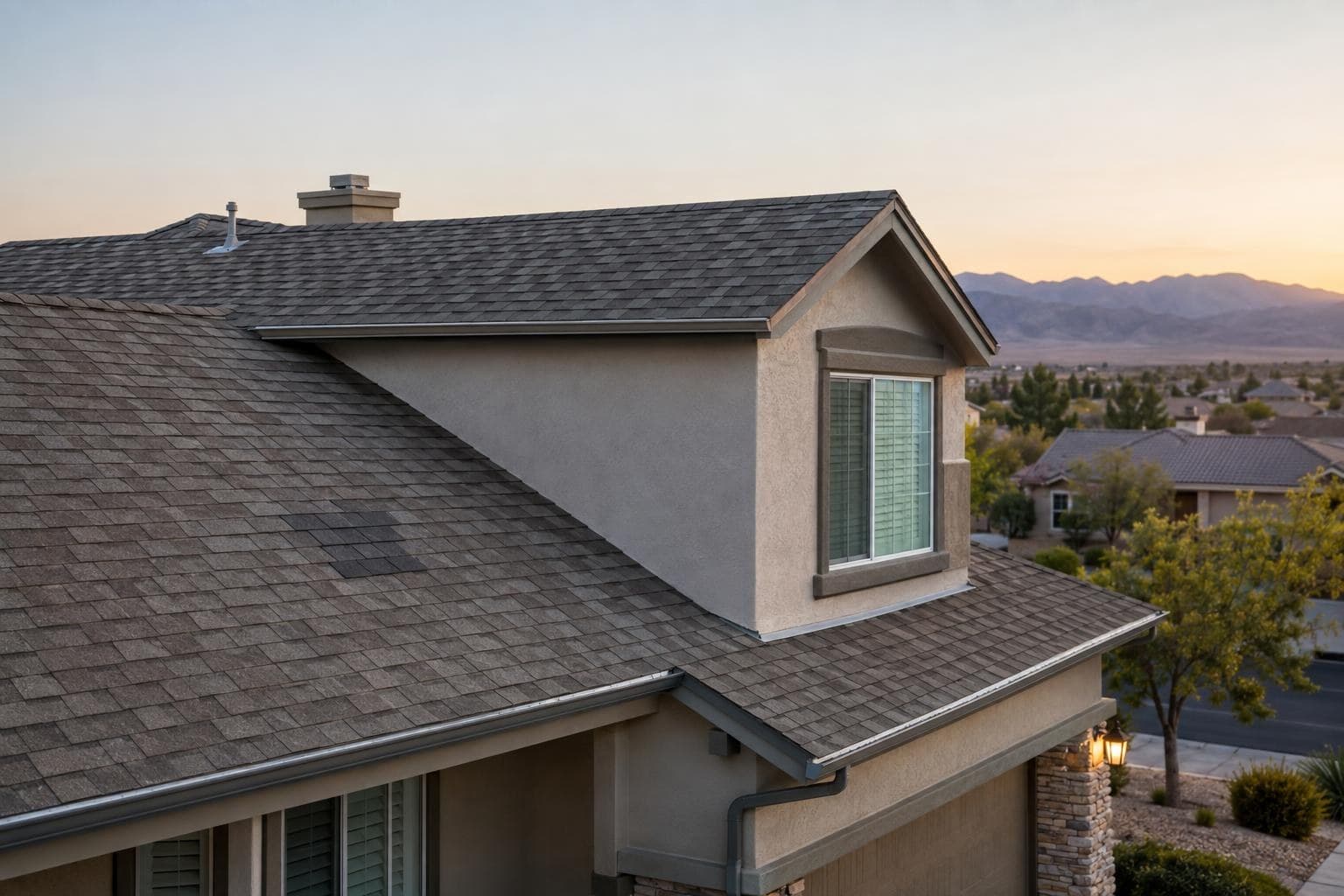
Older roofs are usually better replacement candidates, even when the current problem looks small. That is because a localized leak on an older roof can be the first visible sign of broader aging. Nevada’s intense sun and dry heat can make shingles more brittle, dry out underlayment and sealants, and weaken components that are hard to judge from the yard. On a newer roof, a targeted repair has a better chance of solving the problem cleanly. On an aging roof, a repair may only buy a little time before another weak spot opens up.
Talk to a roofer today
Planning ranges, scope details, and a direct path to request a roofing quote.
How does Nevada weather change the call?
Nevada weather pushes many borderline roofs closer to replacement. In a milder climate, you might get more life from a roof with scattered wear. In Nevada, steady UV exposure, dry heat, and wind can turn minor defects into recurring leaks faster. Wind can lift edges and move tiles. Heat can dry out roofing components. Sun can wear down the materials that help keep water out. So if your roof already has broad granule loss, brittle shingles, loose tiles, dried sealants, or repeated leak history, the climate is a strong reason to think beyond another patch.
When is a repair enough after wind or storm damage?
A repair is enough when the storm damage is clearly limited and the rest of the roof is still performing well. That might mean a small area of lifted shingles, a few displaced tiles, or flashing damage around one penetration. The key is documentation and timing. For roof repair vs replacement in Nevada, coverage depends on the policy language, cause of loss, exclusions, and the insurer's decision; verify those terms in your own documents. If you believe you have a claim, you should review your policy and immediately contact your agent to file and discuss the details of your claim. After damage, you should immediately report your claim to your insurance company or your local agent.
- Take photos of visible damage right away
- Protect the home from further damage
- Keep receipts and records
- Avoid rushing into a final repair decision before the full damage picture is clear
What should you do before signing for roof work in Nevada?
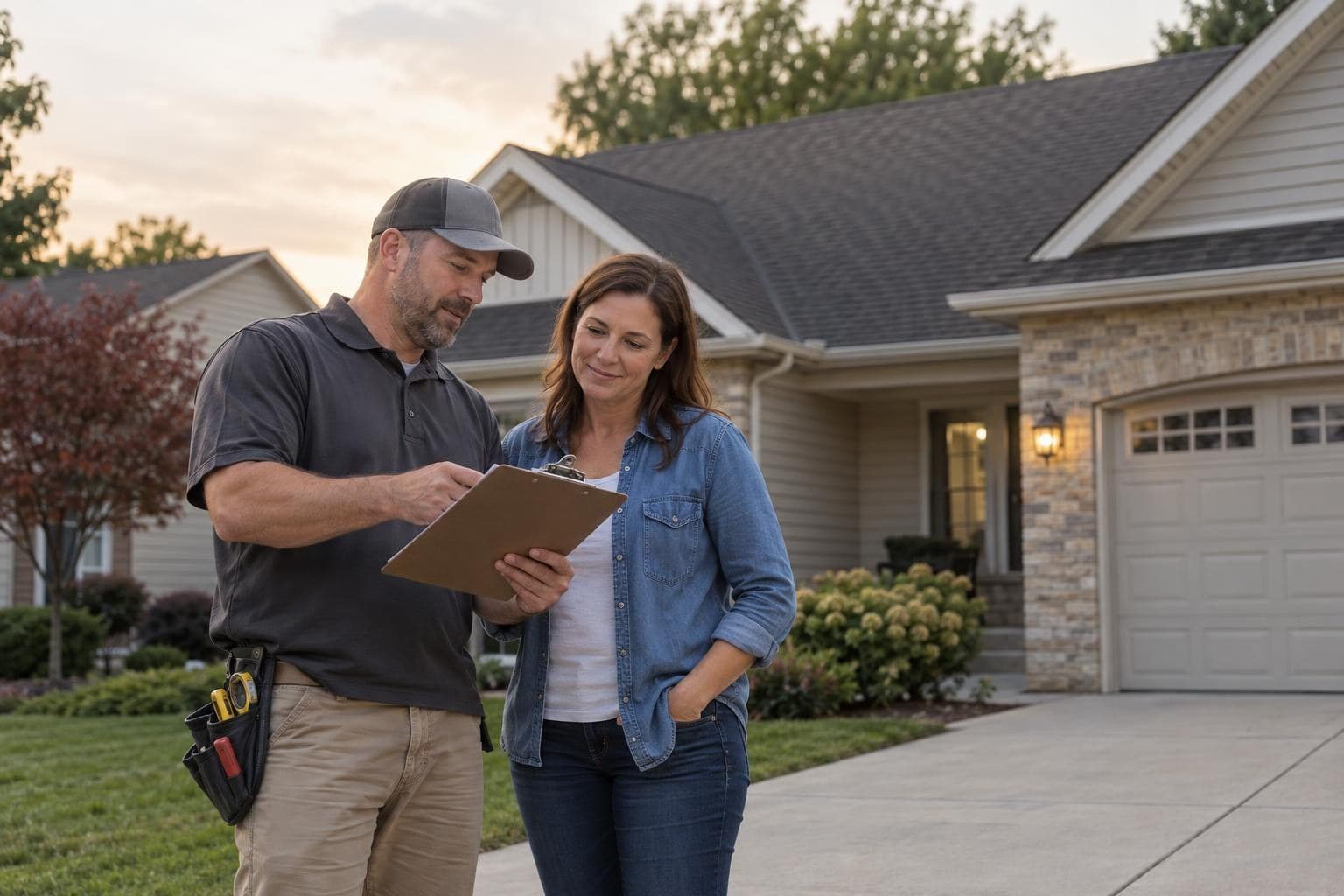
Wait for the adjuster to examine the damage, get a written estimate, and do not sign over your settlement. Nevada says a policy provision requires that you prevent further damage or theft. You should make temporary repairs or arrange for a licensed professional to do so, save all receipts for your repairs, take photos of the damage, and keep records of expenses and receipts if you need other lodging. State guidance also says not to dispose of property until an insurance adjuster has reviewed it for your claim. Nevada also says your insurance company will send an insurance adjuster to survey the damage at no cost to you. State guidance also says you should not feel rushed or pushed to agree on a settlement. Nevada consumer guidance says to always insist on a written estimate before repairs begin and do not sign any contracts before the adjuster has examined the damage. It also says not to pay a contractor the full amount up front or sign over your insurance settlement payment.
How much does roof replacement cost in Nevada?
Check current Nevada cost data for a repair-versus-replacement decision in Nevada, then replace the range with an assembly-specific proposal based on measured conditions. Before approving a repair-versus-replacement decision in Nevada, have the bidder connect timing to roof complexity, crew access, material handling, weather, inspections, and concealed conditions. Those numbers can help you decide whether another repair is worth it, or whether it makes more sense to put that money toward a new roof with a longer runway.
Is a Class 4 roof worth considering in Nevada?
Yes, if you plan to stay in the home and want to compare durability and insurance impact. A Class 4 rating does not establish a policy credit in Nevada; the carrier and policy determine eligibility, documentation, and savings. Nevada-specific savings are not cited by the state, so the smart move is to ask your carrier what it offers for your home and policy. In a state where wind is a real part of roof wear, Class 4 is worth pricing next to Class 3, especially if your current roof is already due for replacement.
How do you choose the right roofer in Nevada?
Check the roofer’s license status, make sure the work matches the license classification, and review disciplinary history through the state tools before you move forward. In Nevada, contractor licensing is a real consumer-protection issue. State guidance says all businesses or individuals who construct or alter any building or other structure in Nevada must be licensed by the Nevada State Contractors Board, and contractors, including subcontractors and specialty contractors, must be licensed before submitting bids. State guidance also says roofing and siding fall under Classification C-15. For you, that means you should check your roofer’s license status, confirm the work matches the license classification, and review disciplinary history using the state’s license and disciplinary search tools.
What is the simplest way to make the repair vs. replacement call?
If the roof damage is isolated, the roof is still relatively sound, and the problem has a clear fix, repair is usually enough. Base the repair decision in Nevada on mapped damage, remaining roof condition, material compatibility, water-control details, and repair history rather than a percentage shortcut. In Nevada, climate makes that line move sooner because intense sun, dry heat, and wind age the full roof system, not just the spot where the leak finally shows up. If you want a practical next step, compare the cost of one more repair against the latest local cost data for a full replacement, then have a roofer whose credentials and written scope you checked inspect the roof up close so you can decide based on the actual spread of wear, not just what is visible from the ground.
Sources
Reviewed technical references for Nevada
Related Nevada roofing guides
Related services
Updated July 27, 2026
3D Roofs Editorial Team
Editorial Standards