Updated July 27, 2026

3D Roofs Editorial Team
Editorial Standards
For does insurance cover roof replacement in Nebraska, coverage depends on the policy language, cause of loss, exclusions, and the insurer's decision; verify those terms in your own documents. If hail, wind, or another covered event damages shingles, flashing, or other roof components enough to affect how the roof sheds water, your policy may respond. If the roof is simply old, brittle, or worn out, that is usually a maintenance issue, not an insurance claim.
Does homeowners insurance cover roof replacement in Nebraska?
Sometimes, yes. The practical dividing line is whether your roof has functional storm damage or just age-related wear. Nebraska roofs deal with repeated exposure from hail, strong wind, heavy rain, snow, ice, and sharp temperature changes. That can shorten shingle life, loosen flashing, damage gutters, and turn small storm hits into leaks if repairs wait too long. Insurance is generally there for sudden covered damage, not for a roof that has reached the end of its service life over time.
What counts as storm damage instead of normal wear?
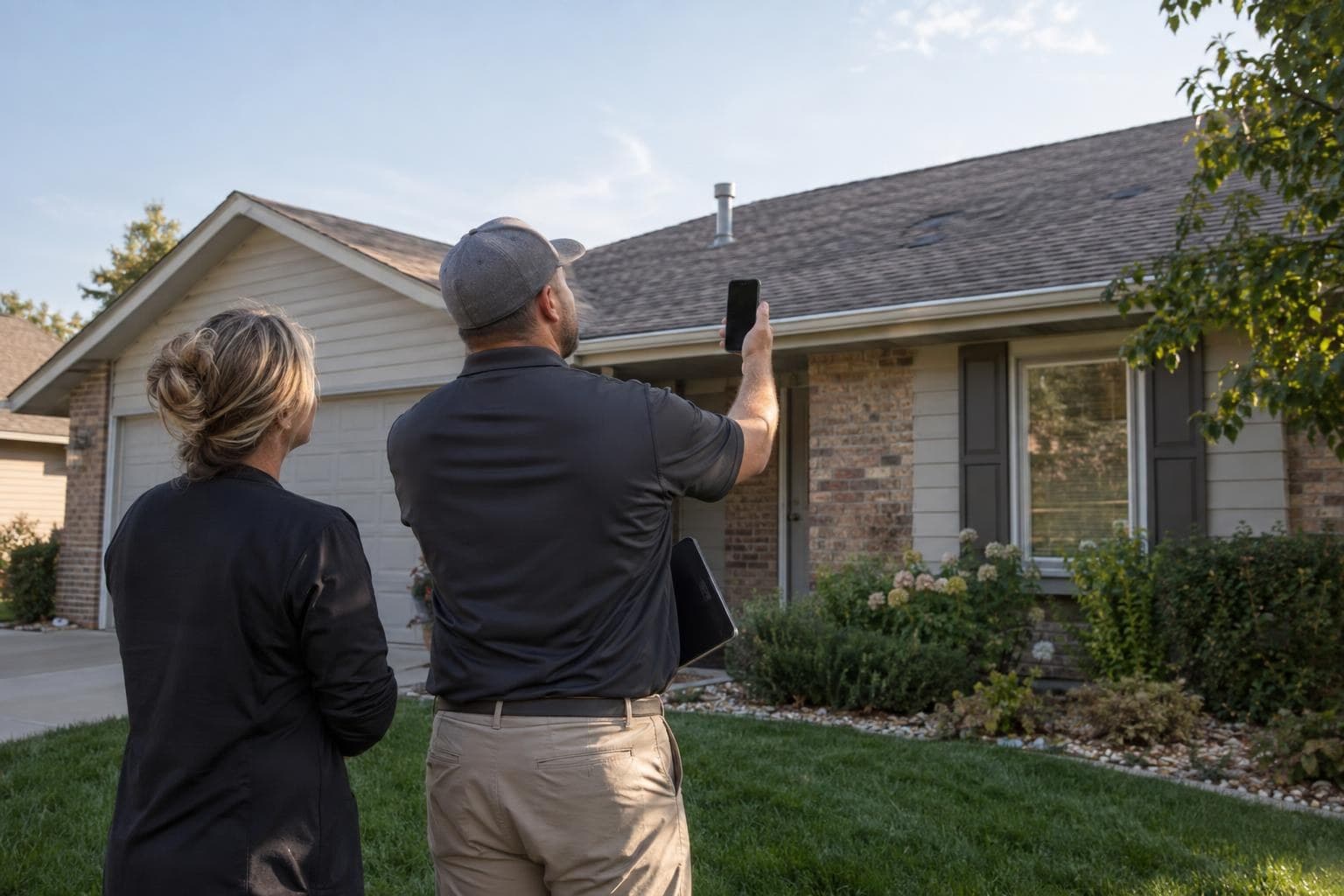
Functional storm damage is damage that changes how the roof system performs. That can mean wind that lifts or creases shingles, hail that damages roofing components, or storm impact that leads to water entry risk. Normal wear is different. Granule loss from age, long-term deterioration, old sealant failure, and general aging usually point to maintenance or replacement that the homeowner pays for. The safest next step after a storm is to document what you can see, use temporary protection if needed, and have your roofer inspect the full roofing system, not just the most visible area.
What should you do right after a Nebraska storm?
Start the claim process quickly and keep your documentation organized. The Nebraska Department of Insurance says to report damages as soon as possible and keep a log of all communications, including names, dates, and topics discussed. It also says to take photos and videos and make a detailed list of damaged or destroyed items. That gives you a cleaner record if questions come up later about when the damage happened or what was affected.
- Take photos and videos of shingles, flashing, gutters, ceilings, and any interior leaks
- Write down the storm date and what you noticed first
- Keep a communication log with names, dates, and discussion notes
- Use temporary protection if water is getting in
- Have your roofer inspect the whole roofing system
Talk to a roofer today
Planning ranges, scope details, and a direct path to request a roofing quote.
Can you repair the roof before the adjuster comes?
Yes, but only temporary protection should happen before the adjuster sees the damage. The Nebraska Department of Insurance says you should make only temporary repairs to prevent additional losses, save receipts for reimbursement, and not make any permanent repairs until an adjuster inspects the damage. In plain terms, stop the leak, protect the inside of the home, and save every receipt, but do not rush into a full repair or replacement before the inspection.
How do deductibles affect whether a claim makes sense?
Your deductible is the amount you pay before insurance pays covered costs, so it can determine whether a small repair is worth claiming. For an insurance-related roof project in Nebraska, begin with documented damage, the policy deductible, and a property-specific repair or replacement scope. If your deductible is close to or above the repair cost, filing a claim may not help much for minor damage. A full replacement is a different situation because the project cost is much higher. For an early budget on an insurance-related roof project in Nebraska, compare the Nebraska cost page with a proposal that identifies measurements, products, accessories, and exclusions.
How does a Nebraska roof insurance claim usually work?
The claim flow is usually straightforward: document damage, notify your carrier, use temporary protection if needed, meet the adjuster, review the scope, and then complete the approved work. You should also stay involved. The Nebraska Department of Insurance says to be present during inspections, use trusted contractors, avoid paying in full upfront, and, in its words, "DO NOT SIGN ANYTHING UNTIL YOU TALK WITH YOUR INSURANCE COMPANY." That helps you avoid agreeing to work or paperwork before you understand what the carrier is covering.
Payment may also come in stages. The Nebraska Department of Insurance says claims may be paid in parts, including an initial emergency advance followed by payments for property and repairs. It also says structure-related payments may include your mortgage company and be released in stages. That means your roofer may plan the project around how funds are issued, not just around the install date. The schedule for an insurance-related roof project in Nebraska should explain access, material staging, weather protection, inspections, and the process for discovered deck work.
Should you choose impact resistant shingles after a covered loss?
Often, yes, it is worth asking about. The Nebraska Department of Insurance says that when rebuilding, you should consider using materials that will resist damage such as impact resistant shingles or siding, and that insurance companies may offer discounts on insurance for these resistant materials. If you are considering a Class 4 roof, ask your carrier what discount, if any, applies to your specific policy, because carriers set their own discounts. When comparing an insurance-related roof project in Nebraska, use a written insurer response rather than a sales estimate for any impact-resistant roof credit.
How do you choose a roofer without creating claim problems?
Choose carefully and keep your insurer in the loop. In Nebraska, contractor registration matters, but it is not a quality guarantee. The Nebraska Department of Labor says all contractors doing business in Nebraska must register with the Nebraska Department of Labor, and it also says registration does not ensure quality of work or protect against fraud. For you, that means you should confirm your roofer is registered, then still ask clear questions about scope, materials, cleanup, who will be on site, and how change orders will be handled. You should also follow the Nebraska Department of Insurance guidance to use trusted contractors, be present during inspections, avoid paying in full upfront, and avoid signing anything before you talk with your insurance company.
When should you file a claim and when should you just pay for the work?
File a claim when you have a real storm event and signs of functional damage that may exceed your deductible. Pay out of pocket when the issue is routine wear, small maintenance work, or a repair cost that does not meaningfully clear your deductible. If you are unsure, start with documentation and a roof inspection, then compare the likely scope to your deductible before moving forward. That approach keeps you focused on what insurance is for, covered storm damage, not age-related replacement.
Sources
- National Association of Insurance Commissioners: What You Need to Know When Filing a Homeowners Claim
- National Association of Insurance Commissioners: Actual Cash Value Coverage and Replacement Cost Coverage
- Nebraska Department of Insurance, After the Storm: Disaster Claims Process
- Nebraska Department of Labor, Contractor Registration Overview
Reviewed technical references for Nebraska
Related Nebraska roofing guides
Related services
Updated July 27, 2026
3D Roofs Editorial Team
Editorial Standards