Updated July 27, 2026

3D Roofs Editorial Team
Editorial Standards
If the damage is isolated, a repair usually makes sense. For roof repair vs replacement in Arkansas, do not use a fixed damage percentage as the decision rule; compare the repairable area, roof condition, material availability, code requirements, and written scopes. In Arkansas, that choice matters because roofs here take repeated hits from fast-moving storm systems, wind, hail, and heavy rain. A small issue can stay small for a while, then turn into a leak when the next storm rolls through.
Should you repair or replace your roof in Arkansas?
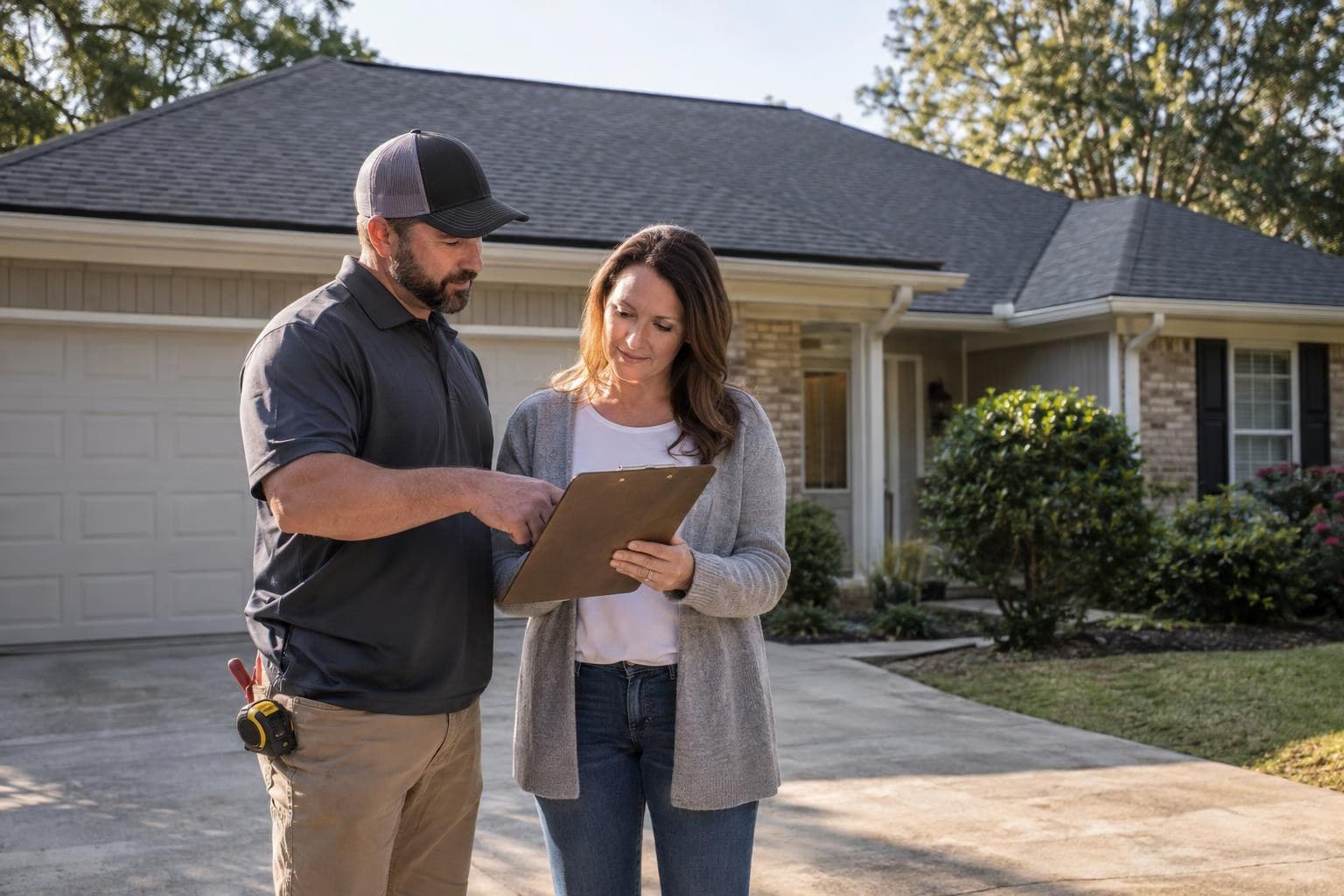
Start with the simplest answer: repair isolated damage, replace widespread damage. A few missing shingles after wind, one problem area around flashing, or a small leak tied to one penetration can often be fixed without replacing the whole roof. But if you have damage on multiple slopes, repeated leaks, hail hits across broad sections, or visible wear in many places, replacement usually gives you a cleaner result and fewer repeat costs.
Arkansas weather changes the call because roof damage is often cumulative. Wind can lift shingles and loosen flashing. Hail can bruise or crack roofing materials. Heavy rain can turn small roof weaknesses into leaks, especially around penetrations, valleys, and roof edges. That means a roof that looks repairable from the ground may have wider damage once your roofer inspects it up close.
How do you know if the damage is isolated or widespread?
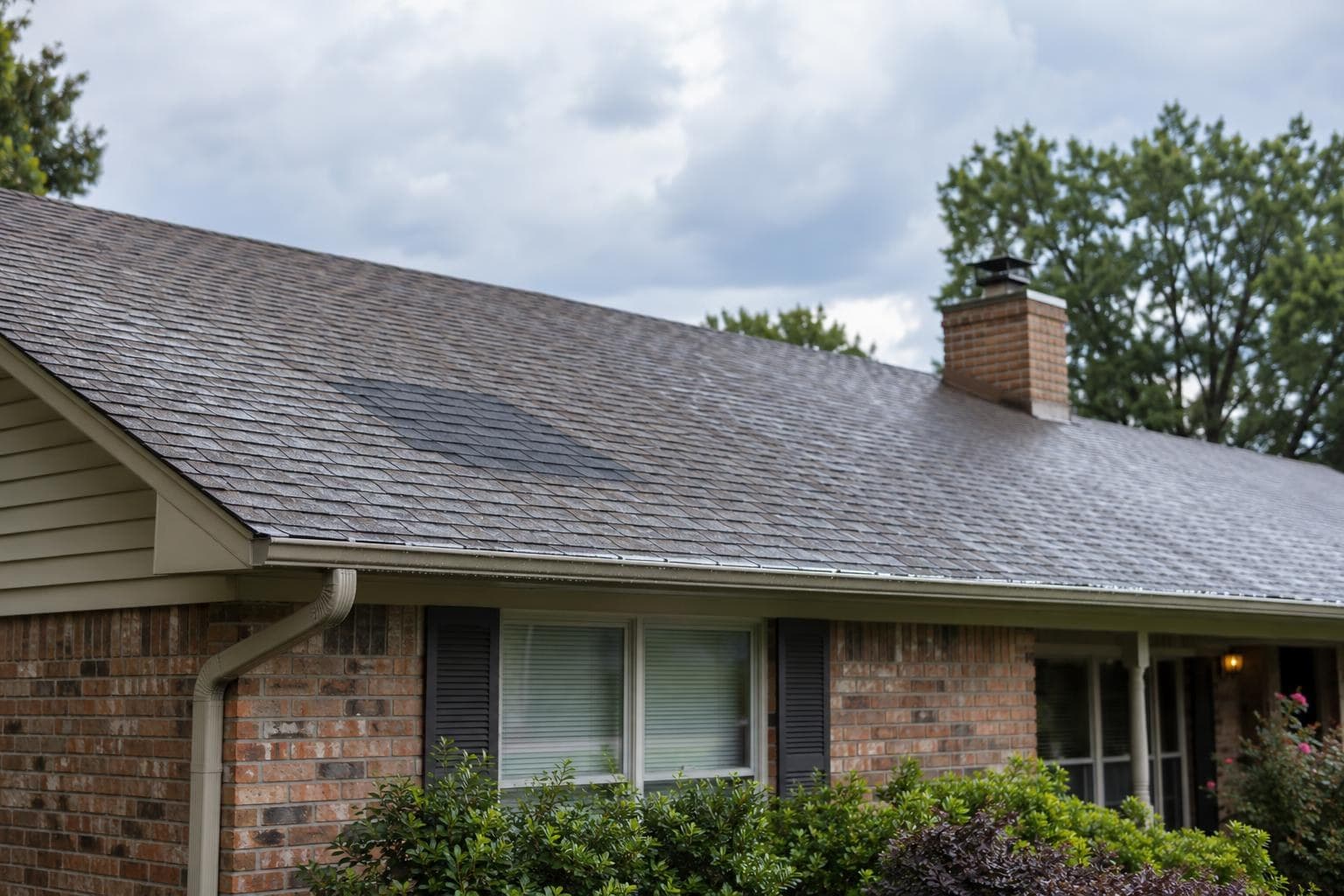
Look at the pattern, not just the worst spot. Isolated damage stays in one area and usually ties back to one event or one detail, like a branch strike, a short section of lifted shingles, or flashing failure at one pipe boot. Widespread damage shows up across several sections of the roof. You may see granule loss in many places, creased or cracked shingles on more than one slope, soft spots, repeated leak points, or a mix of wind and hail signs that affect the roof system as a whole.
- Repair is more likely when the issue is limited to a small section.
- Replacement is more likely when damage appears on multiple slopes or roof features.
- Repair is more likely when the surrounding shingles still have solid life left.
- Replacement is more likely when matching materials is difficult or repairs would leave several weak areas behind.
When is roof damage too widespread for a repair?
When the affected area is large on a Arkansas roof, ask for repair and replacement scopes in writing and compare what each option fixes, what aging material remains, and how future work would be handled. At that point, patching sections can turn into a series of repairs that cost more over time, leave you with uneven aging, and still do not solve the broader wear across the roof.
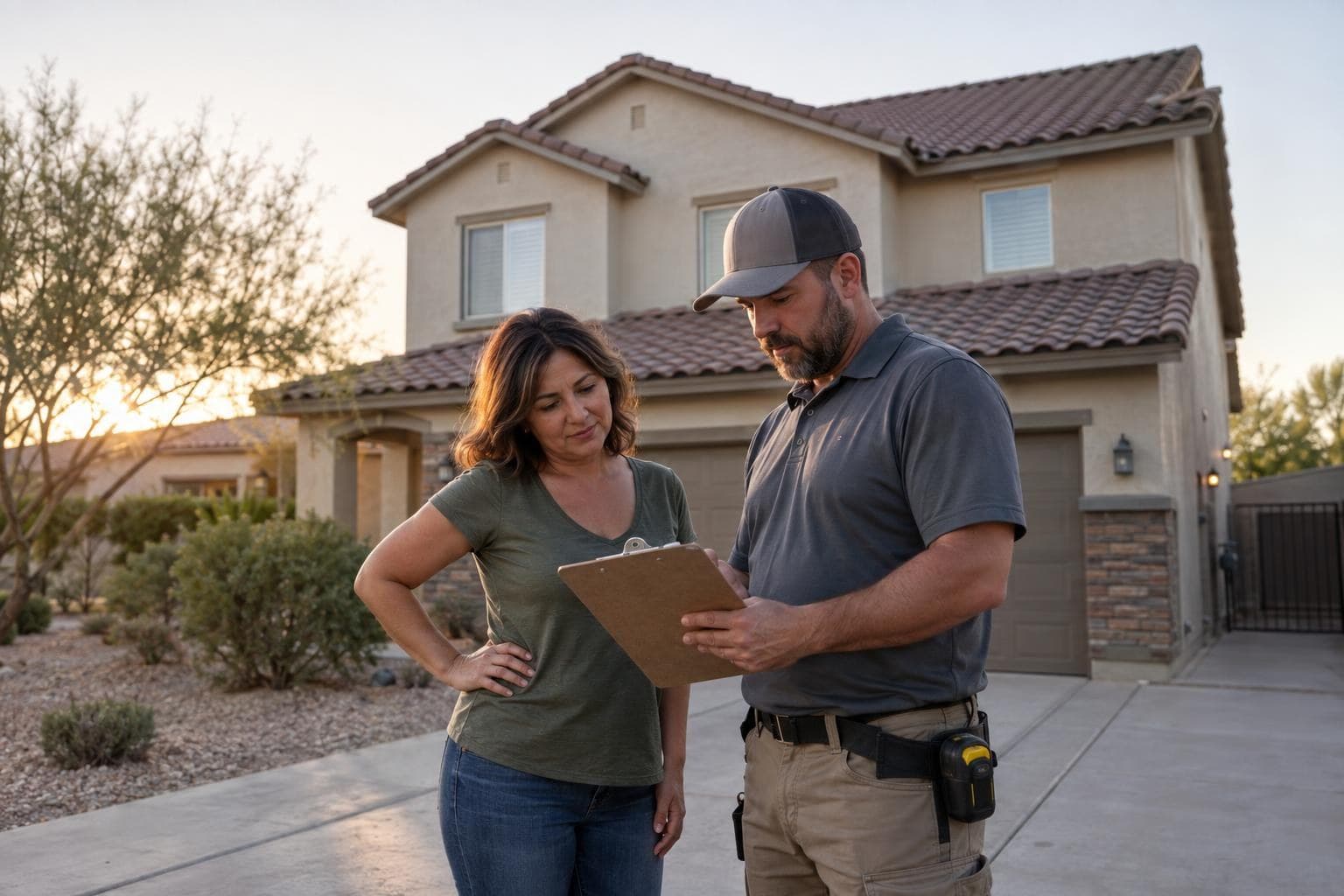
This is not about chasing a perfect percentage from the ground. It is about whether the damaged area is still a contained problem or whether the roof has crossed into system-wide decline. A local contractor whose credentials you verified can map what is truly damaged, what is still sound, and whether a repair would hold up through Arkansas storm cycles.
Talk to a roofer today
Planning ranges, scope details, and a direct path to request a roofing quote.
How much does repair vs. replacement cost in Arkansas?
For a repair-versus-replacement decision in Arkansas, compare a diagnosed repair scope with a measured replacement proposal; both should identify affected slopes, flashing, deck conditions, and exclusions. Replacement is a bigger investment, but it may save you from repeated leak calls and ongoing patchwork if the roof is near the end of its useful life. For an early budget on a repair-versus-replacement decision in Arkansas, compare the Arkansas cost page with a proposal that identifies measurements, products, accessories, and exclusions. The schedule for a repair-versus-replacement decision in Arkansas should explain access, material staging, weather protection, inspections, and the process for discovered deck work.
Those tools help you compare repair thinking against replacement math before you commit to the next step.
Does roof age change whether repair still makes sense?
Yes, age matters because older roofs usually have less margin for another repair. If your roof is still relatively early in its life and the damage is truly limited, a repair can be the right move. If the roof is older and already showing general wear, the same storm damage may push the decision toward replacement. That is especially true when repairs would fix one section while leaving several other worn sections ready to fail next.
The key question is not just, can this be repaired. It is, should you keep putting money into this roof. If the answer is that more repairs are likely soon, replacement often gives you better control over cost and fewer surprises.
How does Arkansas weather affect the decision?
Arkansas weather makes replacement more likely when storms expose weaknesses across the whole roof. Fast-moving storm systems can create damage that is easy to underestimate at first. Wind can break seals and lift tabs in one storm, then heavy rain finds those openings later. Hail may not always punch obvious holes, but it can bruise roofing materials and shorten their remaining life. In that setting, a roof with widespread storm wear often needs more than a cosmetic fix.
The biggest mistake after a major storm is rushing. The Insurance Commissioner says your insurer will honor its policy, so there is no need for you to rush into an agreement with a contractor who solicits for repair without your request. The same consumer guidance says to have your roof inspected by a trusted roofing contractor, compare the damage to your deductible, and turn the claim in to your insurance carrier if the damages are much larger than your deductible.
What should you do before filing an Arkansas roof insurance claim?
Document first, protect the home second, and do not jump into permanent repairs before the damage is understood. State post-storm guidance tells you to take photos or video of the damage, avoid throwing damaged items away unless your insurance company tells you to, make necessary temporary repairs to prevent further damage, wait on permanent repairs until the property is inspected and you have reached agreement on repair cost, and save receipts, including receipts from temporary repairs that might be covered by your policy.
If you run into claim problems, you can file a complaint with the state insurance department. The Consumer Services Division assists insurance consumers with complaints and inquiries regarding insurance companies, producers, and adjusters. It investigates complaints, works with the insurance company and the consumer, and can also help homeowners in storm-damaged areas with filing claims and procuring emergency living expenses.
When does a full replacement make more sense than another repair?
Replacement makes more sense when repairs would only buy you a short delay. If the roof has widespread storm damage, active leaks in more than one area, hard-to-match materials, or enough wear that another Arkansas storm will likely reopen the same problems, replacement is usually the cleaner move. Base the repair decision in Arkansas on mapped damage, remaining roof condition, material compatibility, water-control details, and repair history rather than a percentage shortcut.
- Choose repair when damage is contained, the rest of the roof is in solid shape, and the fix solves the actual problem.
- Choose replacement when damage is spread out, the roof is aging, or patching one area leaves other weak areas behind.
- Choose replacement when you want one coordinated project instead of repeat repairs and leak risk.
Should you upgrade to Class 4 shingles in Arkansas?
If you are replacing the roof, Class 4 is worth comparing because Arkansas sees hail and wind. When comparing a repair-versus-replacement decision in Arkansas, use a written insurer response rather than a sales estimate for any impact-resistant roof credit. If you are considering a Class 4 impact-resistant shingle, ask your insurance carrier whether it offers a premium discount for that upgrade.
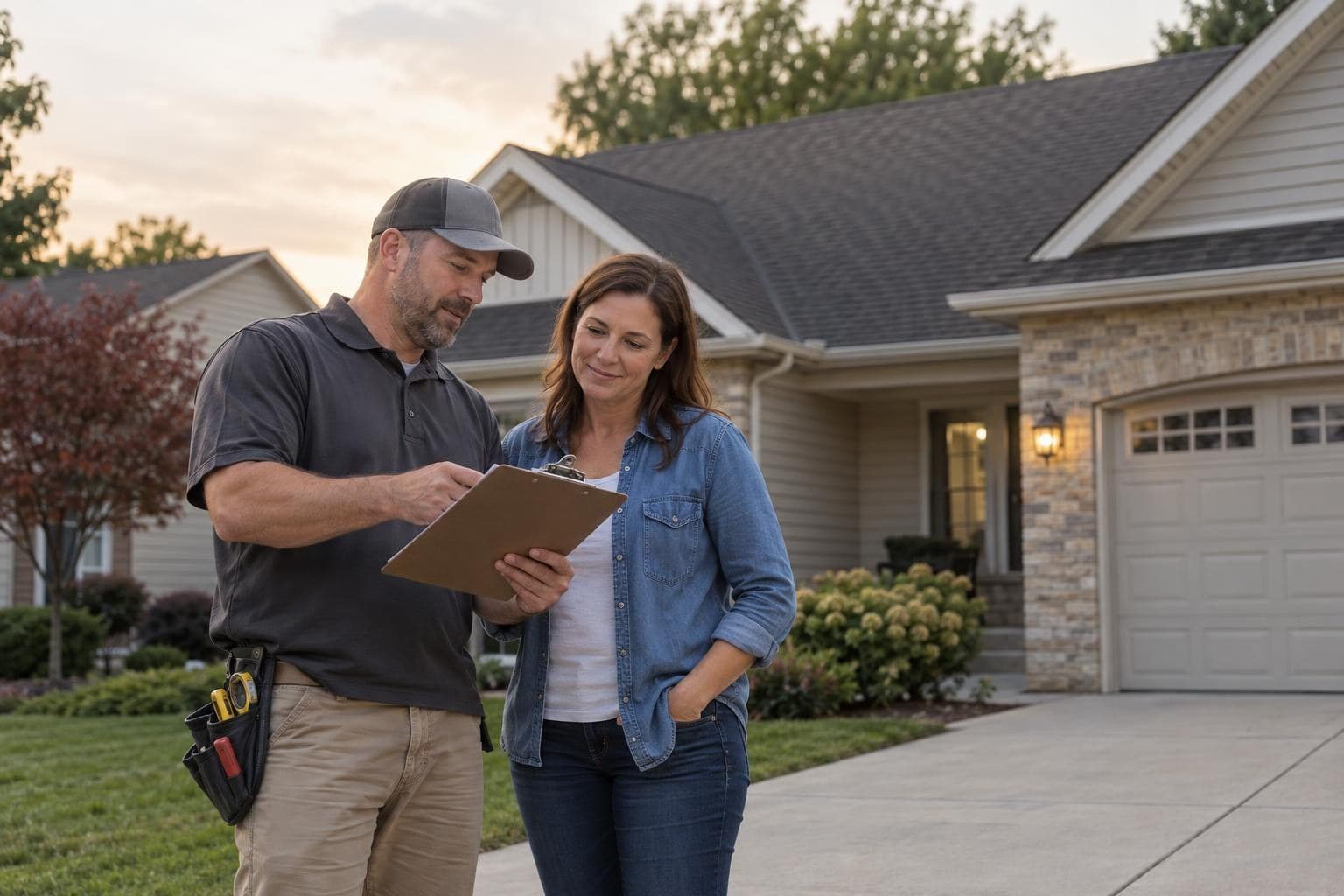
Before any work starts, verify your roofer through the Arkansas Contractors Licensing Board's contractor lookup. The Arkansas Contractors Licensing Board says you can "Find A Licensed Contractor," and its post-storm consumer guidance says you can contact the Arkansas Contractors Licensing Board to make sure the contractor has a valid license to do business in the state and that they carry liability insurance. For roofing-specific work on a single-family residence, the licensing page says a "Residential Roofer Registration" is needed for "Roofing, Roof Decks, Roofing Sheet Metal" projects more than an amount that must be confirmed for the written scope, including but not limited to, labor and material, unless the contractor already holds a Residential Builders or Residential Remodelers License. You should also get more than one bid, check references and phone numbers, avoid anyone offering to waive your deductible or promise a rebate, avoid paying upfront, and never sign a contract with blank spaces.
Sources
Reviewed technical references for Arkansas
Related Arkansas roofing guides
Related services
Updated July 27, 2026
3D Roofs Editorial Team
Editorial Standards