Updated July 10, 2026

3D Roofs Editorial Team
Editorial Standards
There is no single best roof for every Arkansas home. For an Arkansas property, start with its actual weather exposure and roof geometry, then compare complete assemblies on water control, attachment, ventilation, repairability, local availability, warranty terms, and installed cost. The sections below use Arkansas-specific guidance to show which questions matter before choosing a material. For a roof system comparison in Arkansas, use the linked Arkansas Insurance Department, Consumer Services reference as the state-reference checkpoint and test the recommendation against the address's heavy-rain drainage, heat, warm-season wind or impact, tree cover, and any coastal exposure.
What roof offers stronger impact resistance in Arkansas storms?
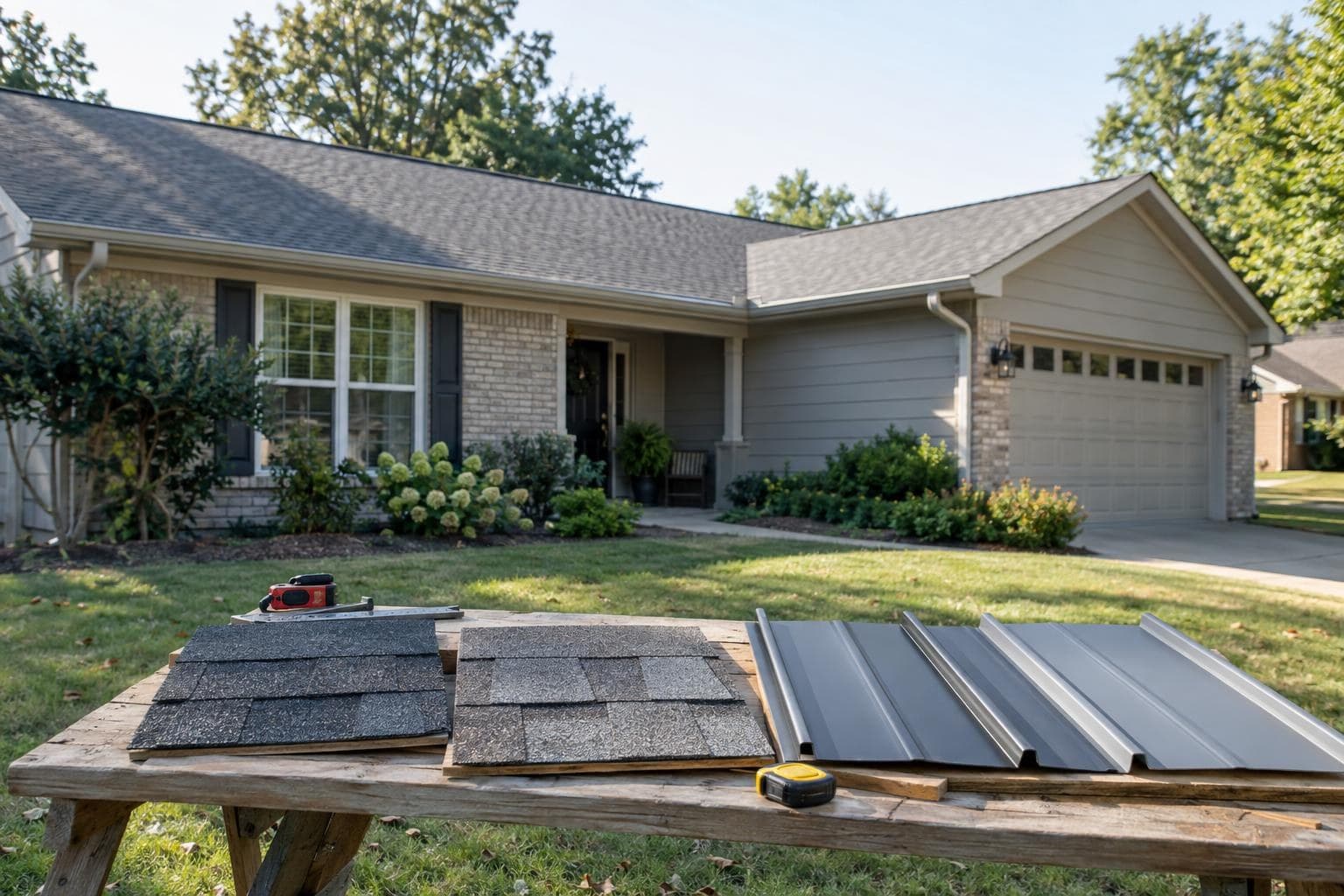
Class 4 impact-resistant shingles are the best fit for many Arkansas homes because they address the two big threats at once, hail and wind-driven storm damage, without pushing you into the price range of metal. If your goal is to improve resistance to bruising and cracking from hail while keeping a familiar asphalt look, Class 4 is usually the strongest place to start. Standing seam metal also performs well for storm-prone homes, but the cost jump is large. Class 3 can still make sense if your budget is tighter and you want better durability than basic architectural shingles.
- Choose Class 3 if you want a solid step up at a lower price.
- Choose Class 4 if you want the best mix of cost and impact resistance for typical Arkansas storm exposure.
- Choose standing seam metal if you want a premium system and accept a much higher upfront investment.
Is Class 3 or Class 4 better for Arkansas?
Class 4 is better for Arkansas if you can afford the upgrade. The price gap is meaningful, but not extreme compared with the jump to metal. For an early budget on a roof-system comparison in Arkansas, compare the Arkansas cost page with a proposal that identifies measurements, products, accessories, and exclusions. On a typical roof, moving from Class 3 to Class 4 is a smaller step than moving from either shingle option to standing seam metal. Because Arkansas sees hail, wind, and heavy rain from fast-moving storm systems, that Class 4 upgrade often lands in the practical sweet spot.
There is also an insurance angle. When comparing a roof-system comparison in Arkansas, use a written insurer response rather than a sales estimate for any impact-resistant roof credit. That does not mean every carrier will offer the same savings, and discounts are carrier-specific. If you are considering a Class 4 impact-resistant shingle, ask your insurance carrier whether it offers a premium discount for that upgrade. A local contractor whose credentials you verified can help you compare roofing options, but your carrier decides eligibility and savings.
Is a metal roof worth it in Arkansas?
A standing seam metal roof can be worth it in Arkansas if you plan to stay in the home for a long time, want a premium look, and are comfortable with the much higher upfront cost. For many homeowners, the question is not whether metal is good, it is whether the extra spend makes sense compared with Class 4.
If your main concern is hail and storm value per dollar, Class 4 is often the more balanced choice. If your home design, long-term plans, or personal preference point you toward metal, standing seam is a legitimate premium option. The best answer depends on whether you are optimizing for lowest upfront spend, strongest shingle performance, or a premium system.
Talk to a roofer today
Planning ranges, scope details, and a direct path to request a roofing quote.
How much should you expect to pay for the best roof in Arkansas?
You should expect to pay based on material first, then adjust for roof complexity. The schedule for a roof-system comparison in Arkansas should explain access, material staging, weather protection, inspections, and the process for discovered deck work. If your roof has more valleys, penetrations, height, or tear-off complexity, your roofer may also price around that added labor and risk.
If you are comparing bids, make sure you are comparing the same material class and roof details. A lower number is not useful if it leaves out important scope items. For broader local pricing, you can check the Arkansas cost page and the calculator to compare your roof size and material options before you talk with a roofer whose credentials and written scope you checked.
What should you do after an Arkansas hail or wind storm?
The right first step is to slow down, document the damage, and avoid locking yourself into permanent repairs before you understand the loss. After a major storm, the biggest risk is rushing into repairs before you understand the damage, your deductible, and what your insurer needs for the claim. The Insurance Commissioner says your insurer will honor its policy, so there is no need for you to rush into an agreement with a contractor who solicits for repair without your request.
- Take photos or video of the damage.
- Make necessary temporary repairs to prevent further damage.
- Save receipts, including receipts from temporary repairs that might be covered by your policy.
- Wait on permanent repairs until the property is inspected and you have reached agreement on repair cost.
- Have your roof inspected by a trusted roofing contractor, compare the damage to your deductible, and turn the claim in to your insurance carrier if the damages are much larger than your deductible.
How do insurance claims and replacement timing work in Arkansas?
Your claim process depends on your policy, but one timing point matters right away. State post-storm guidance says replacement cost policies require the work to be completed within six months of the date of loss in order to receive the replacement cost payments that were withheld. If you have storm damage, keep that deadline in mind as you work through inspection, scope, and scheduling.
If you hit delays or disputes, you can file a complaint with the state insurance department. The Consumer Services Division assists insurance consumers with complaints and inquiries regarding insurance companies, producers, and adjusters. It investigates complaints, works with the insurance company and the consumer, and can also help homeowners in storm-damaged areas with filing claims and procuring emergency living expenses.
How do you choose the right roofer in Arkansas?
The best way to choose the right roofer in Arkansas is to verify credentials yourself, get more than one bid, and avoid common post-storm sales pressure. In Arkansas, you should verify your roofer through the Arkansas Contractors Licensing Board's contractor lookup before work starts. For roofing-specific work on a single-family residence, the licensing page says a "Residential Roofer Registration" is needed for "Roofing, Roof Decks, Roofing Sheet Metal" projects more than an amount that must be confirmed for the written scope, including but not limited to, labor and material, unless the contractor already holds a Residential Builders or Residential Remodelers License.
- Get more than one bid.
- Check references and phone numbers.
- Avoid anyone offering to waive your deductible or promise a rebate.
- Avoid paying upfront.
- Never sign a contract with blank spaces.
So, what is the best roof for your Arkansas home?
For most homeowners in Arkansas, Class 4 is the best roof because it fits the state's hail, wind, and heavy rain pattern without the steep price jump of standing seam metal. Class 3 is a practical budget-minded option if you want a lower upfront cost. Standing seam metal is the premium choice if you want that system and the higher price fits your plans. If you want to narrow it down fast, start with your storm exposure, your budget, and whether potential Class 4 a policy-specific premium credit apply to your policy. Then compare local numbers on the Arkansas cost page and the calculator, and talk with a local roofer you have vetted about the right fit for your roof shape and priorities.
Sources
- Insurance Institute for Business & Home Safety: Roof 101
- Asphalt Roofing Manufacturers Association: Residential Asphalt Roofing Manual: Ventilation Best Practices
- Arkansas Insurance Department, Consumer Services
- Arkansas Insurance Department, Insurance Commissioner Provides Post-Storm Tips to Consumers
Reviewed technical references for Arkansas
Related Arkansas roofing guides
Related services
Updated July 10, 2026
3D Roofs Editorial Team
Editorial Standards