Updated July 27, 2026

3D Roofs Editorial Team
Editorial Standards
Yes, homeowners insurance in New Jersey may cover a roof replacement when a covered storm event causes real, functional damage to your roof. In plain terms, that usually means wind, hail, or hurricane-related damage that leaves shingles, flashing, or other roof parts unable to do their job. For does insurance cover roof replacement in New Jersey, coverage depends on the policy language, cause of loss, exclusions, and the insurer's decision; verify those terms in your own documents. If you are trying to figure out whether your situation looks like a covered loss or a maintenance issue, the key question is not whether the roof looks rough. It is whether a specific covered event caused direct damage that changed how the roof performs.
Does homeowners insurance cover roof replacement in New Jersey?
Yes, it can, if the damage came from a covered cause like windstorm or hail. State guidance says most standard homeowners insurance policies cover losses caused by fire and lightning, smoke, windstorms or hail, but some policies may include a separate, optional wind/hail deductible, or a mandatory or optional hurricane deductible. That means your roof claim can be covered, but your out-of-pocket cost depends a lot on the deductibles and conditions written into your policy.
How does the policy distinguish event damage from wear?
Functional storm damage is the kind of damage most likely to be covered. Think missing shingles after gusts, hail hits that break the shingle mat, lifted flashing around penetrations, or storm-driven water getting in because the roof system was physically damaged in a specific event. By contrast, worn granules on an aging roof, brittle shingles, old sealant, long-term leaks around a chimney, or sagging caused by years of deterioration usually point to wear, not a sudden covered loss. In New Jersey, roofs take wear from wind-driven rain, storm gusts, hail, and seasonal temperature swings. Near the shore, storms can push wind and water hard against roof edges, flashing, and penetrations. Inland, repeated wet weather can expose weak spots around valleys, chimneys, and older shingles. That climate matters because an adjuster will often look for evidence of one storm event versus signs of a roof that was already near the end of its service life.
Will insurance cover leaks after a storm?
It may, if the leak came from covered roof damage caused by the storm. If wind or hail damaged shingles, flashing, or another roof component and that damage let water in, that can fit a standard homeowners claim. But not every post-storm water problem is handled the same way. State guidance says homeowners insurance policies exclude water damage caused by flood. It also says flooding is not covered under standard homeowners policies, and homeowners policies do not cover damage from flooding that accompanies a hurricane. If flood exposure is part of your risk, you may need separate flood insurance. This is a big distinction in New Jersey because after a major storm, roof damage and water damage can look connected when they are actually treated under different coverage rules.
Talk to a roofer today
Planning ranges, scope details, and a direct path to request a roofing quote.
How do deductibles work on a New Jersey roof claim?
Your deductible can change the math more than most homeowners expect. State guidance says some policies may include a separate, optional wind/hail deductible, or a mandatory or optional hurricane deductible. So even when the roof damage is covered, your payout is reduced by the deductible that applies to that event. This is why smaller claims do not always make sense to file. For an insurance-related roof project in New Jersey, begin with documented damage, the policy deductible, and a property-specific repair or replacement scope. For larger storm losses that justify replacement, deductibles still matter, but the gap between your deductible and the replacement cost is much larger. For an insurance-related roof project in New Jersey, start with current New Jersey cost data, then test the planning range against a measured proposal that names the complete roof assembly.
What is the roof insurance claim process in New Jersey?
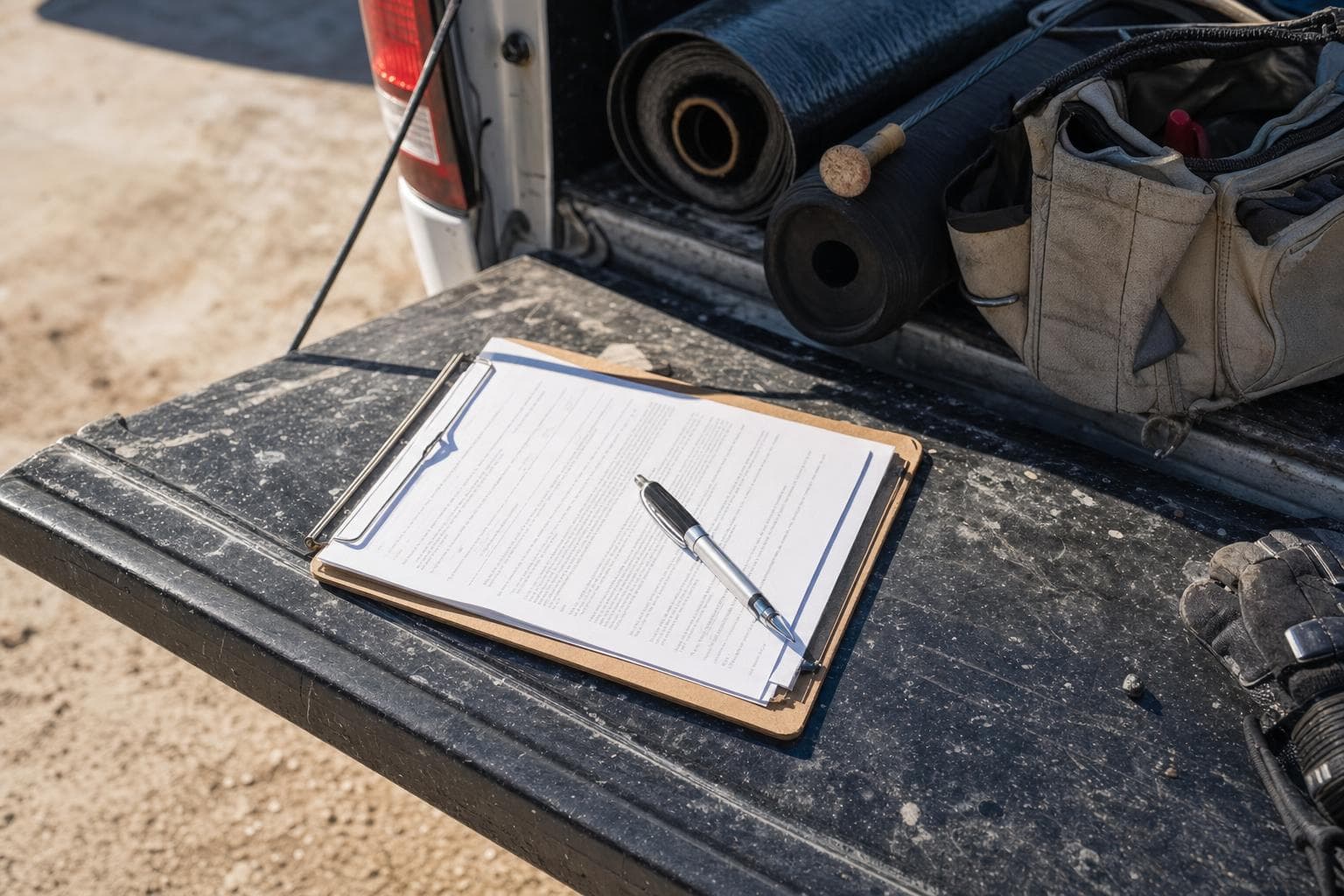
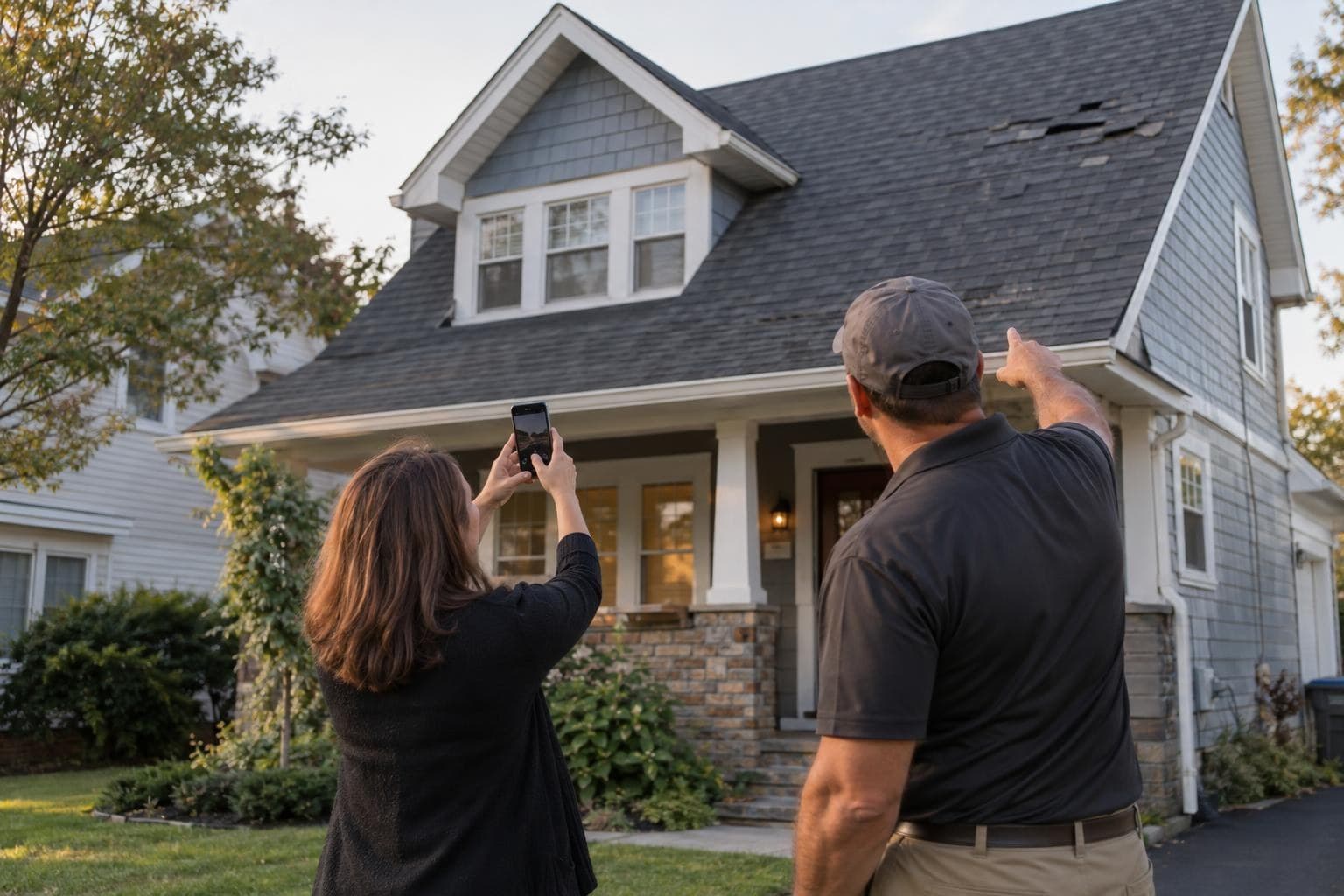
The basic flow is straightforward: document the damage, protect the home from further loss, report the claim, meet the adjuster, then compare the insurance scope to your roofer's scope. State guidance says to report the loss immediately, take pictures of the damage, make a reasonable attempt to protect your property from further loss or damage, and keep receipts for any repairs. That gives you a clear checklist right away. Take wide photos and close-ups, save interior water-stain photos too, and keep receipts for any temporary tarp or emergency work. When your roofer inspects the roof, ask for the full scope in writing, including what gets replaced, how flashing and ventilation will be handled, what cleanup is included, and who is responsible for protecting the home if weather hits during the job.
- Photograph roof damage, interior leaks, gutters, downspouts, and any storm-related debris
- Make temporary protective repairs if needed, and keep every receipt
- Report the loss right away to your carrier
- Meet the adjuster and walk through all visible damage
- Review the insurance scope against your roofer's written scope
- Ask questions before the work starts, especially on flashing, ventilation, and cleanup
What if the insurance company says the damage is wear and tear?
You should ask for the exact reason, the exact line items, and a clear explanation of what they believe is old damage versus storm damage. This is where your documentation matters. Photos taken right after the storm, notes on when the leak started, receipts for maintenance, and a detailed roofing scope can all help clarify the issue. New Jersey homeowners should keep roofer screening simple and document-focused. Because storm claims can involve outside help, it also matters to know who is working on the insurance side. New Jersey specifically says public adjusters must be licensed by the Department of Banking and Insurance, and if you choose to hire a public adjuster, make sure that they are licensed. Keep the process factual. The goal is not to argue in general terms. The goal is to show whether a covered event caused functional damage that requires repair or replacement.
Does flood insurance cover roof damage in New Jersey?
Not under your standard homeowners policy, and timing matters if you are thinking about adding flood coverage. State guidance says there is normally a 30-day waiting period before a new flood insurance policy becomes effective, and also says flood insurance is not effective until 30 days after it is sold. If you are thinking about adding flood coverage, do not wait until a storm is close. For many homeowners, this matters less for the roof surface itself and more for what happens when coastal surge or flooding accompanies a storm. If the water damage is flood-related, standard homeowners coverage may not respond the way you expect, even if the same storm also caused wind damage.
Should you repair the roof or replace it after a claim?
If the damage is isolated and the roof still has solid life left, repair can make sense. If the storm damage is widespread, if matching is poor, or if multiple roof components were hit, replacement may be the cleaner long-term fix. For an insurance-related roof project in New Jersey, require the written schedule to account for roof geometry, access, weather protection, material handling, inspections, and possible deck work. If you are comparing materials after a storm claim, a local roofer you have vetted can help you weigh whether a basic replacement or an upgrade makes more sense for your home and budget.
Can a Class 4 roof lower your insurance premium?
Sometimes, yes. For an insurance-related roof project in New Jersey, treat any impact-resistant roof credit as unconfirmed until the insurer identifies the eligible product, required documentation, premium portion, and amount in writing. The key word is commonly. Discounts and eligibility are set by the carrier, and your savings, if any, depend on your policy and underwriting. If you are considering a Class 4 impact-resistant shingle, ask your carrier whether it offers a discount for that upgrade. A qualified local roofing contractor can help you compare product options and gather the product documentation your carrier may ask for. If you are already facing replacement after a claim, it is worth checking whether the upgrade cost lines up with any premium savings and the added impact resistance.
What if you cannot get standard homeowners coverage?
There may still be an option, but it is meant as a fallback. State guidance says consumers who are unsuccessful in obtaining coverage through a standard company may apply to the New Jersey Insurance Underwriting Association, known as the FAIR Plan. It says the FAIR Plan provides basic property coverage, but does not provide theft or personal liability coverage. State guidance also says you should consider the FAIR Plan only if you cannot obtain insurance from any other source. If coverage availability is becoming part of your roof decision, that is another reason to keep your roof condition documented and your replacement scope clear.
If you think your New Jersey roof has storm damage, start with documentation and a clear inspection. Insurance may cover a replacement when a covered event caused functional damage, but it usually will not pay for an old roof that simply wore out. Review your deductible, especially any wind/hail or hurricane deductible, and separate roof damage from flood-related water issues. Then compare the carrier's scope with your roofer's written scope before work begins.
Sources
- National Association of Insurance Commissioners: What You Need to Know When Filing a Homeowners Claim
- National Association of Insurance Commissioners: Actual Cash Value Coverage and Replacement Cost Coverage
- New Jersey Department of Banking and Insurance, Preparing for Extreme Weather
- New Jersey Department of Banking and Insurance, FAIR Plan
Reviewed technical references for New Jersey
Related New Jersey roofing guides
Related services
Updated July 27, 2026
3D Roofs Editorial Team
Editorial Standards