Updated July 27, 2026

3D Roofs Editorial Team
Editorial Standards
The fastest way to spot a weak roofer in New Jersey is to ask specific questions and look for specific documents. If your roofer cannot explain the scope in writing, how flashing and ventilation will be handled, what cleanup includes, who protects your home if weather hits mid-job, and who is handling insurance communication, you should slow down. New Jersey roofs take wear from wind-driven rain, storm gusts, hail, and seasonal temperature swings. Near the shore, storms can push wind and water hard against roof edges, flashing, and penetrations. Inland, repeated wet weather can expose weak spots around valleys, chimneys, and older shingles.
What should a New Jersey roofing estimate include?
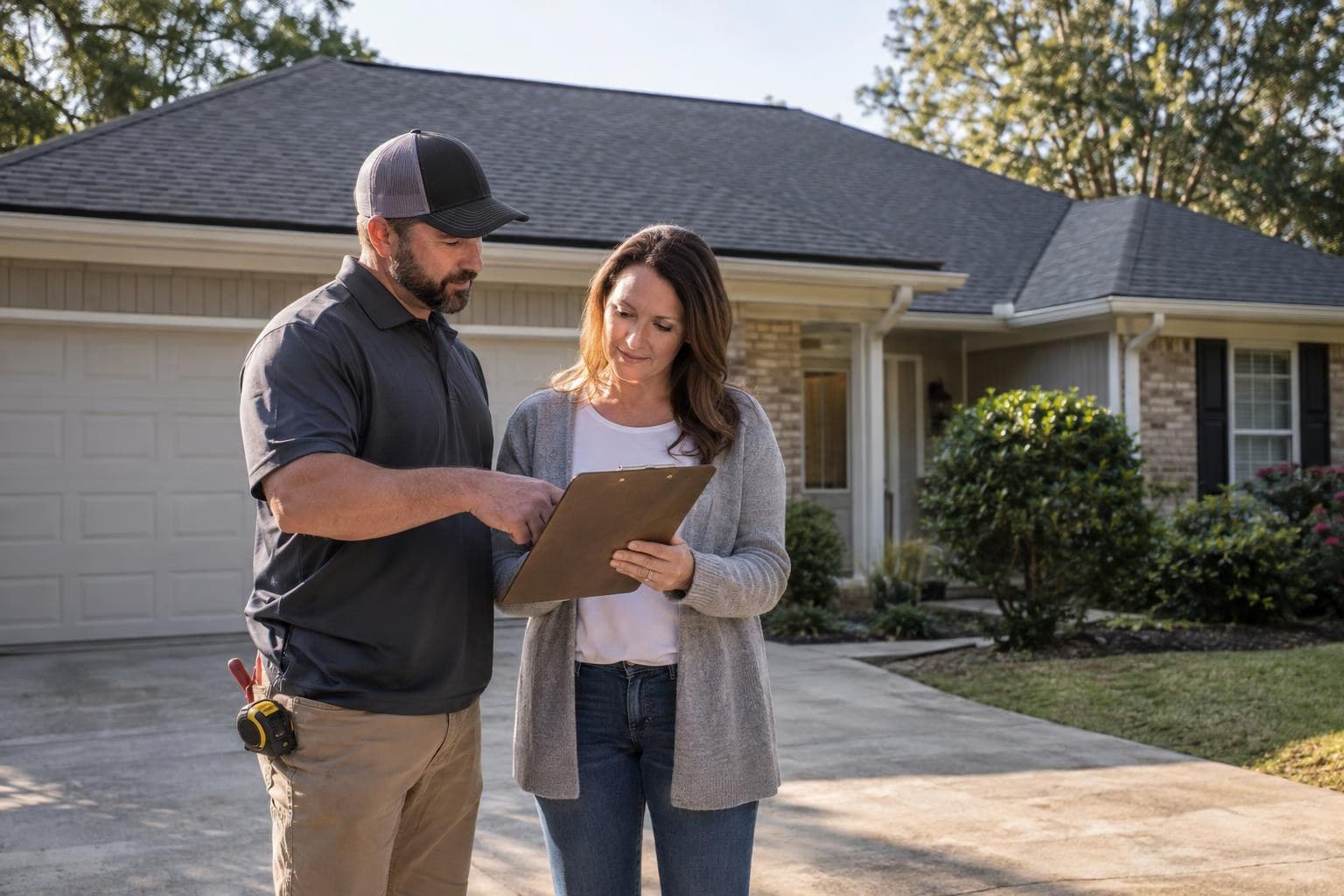
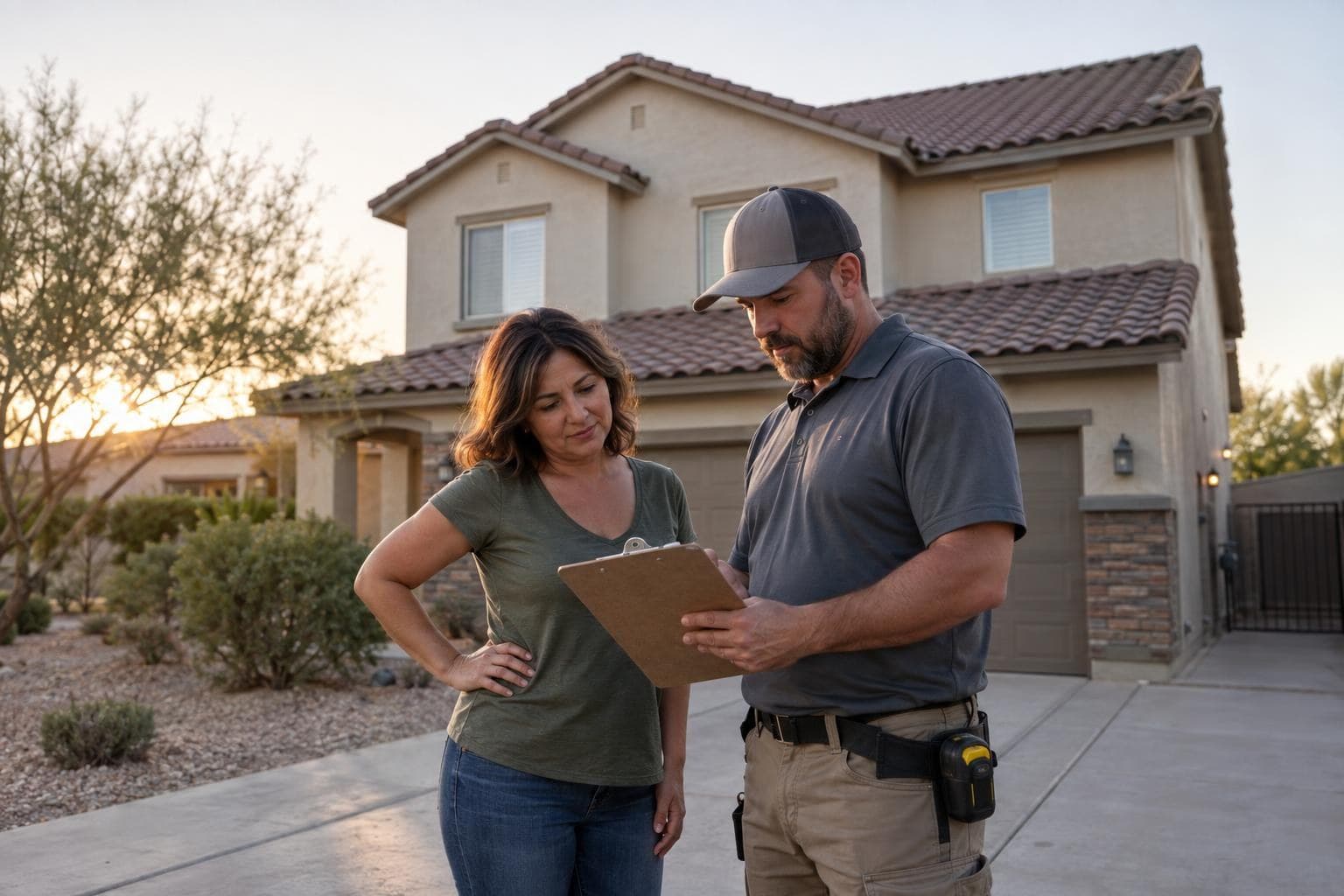
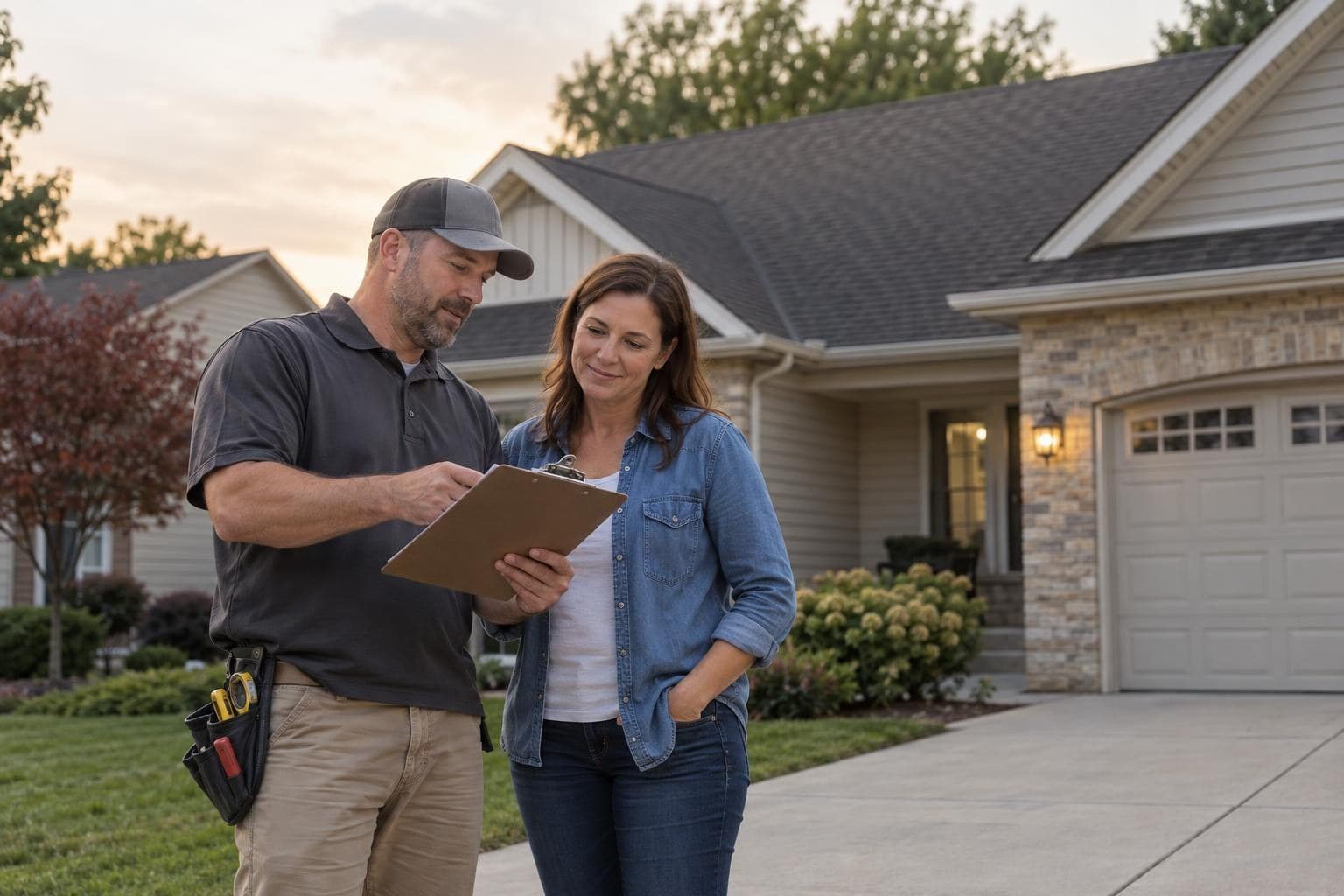
It should include the full scope in writing. That means what gets replaced, what stays, how flashing will be handled, how ventilation will be handled, what cleanup is included, and who is responsible for protecting your home if weather hits during the job. If the estimate only lists a roof replacement without line-by-line details, that is a red flag. Weak roofers stay vague because vague scope leaves room for change orders, skipped details, and arguments later. Strong roofers make it clear what you are buying before work starts.
- Ask which roofing components are being replaced, not just the shingles or metal panels.
- Ask how roof edges, valleys, chimneys, walls, and penetrations will be detailed.
- Ask whether ventilation changes are part of the scope or excluded.
- Ask what debris removal and magnetic nail cleanup include.
- Ask who secures exposed areas if weather interrupts the project.
How do I know if a roofer understands New Jersey storm damage?
A good answer is specific to how water and wind actually get into roofs here. In New Jersey, weak points often show up at edges, flashing, valleys, and penetrations, especially after wind-driven rain and repeated wet weather. If your roofer only talks about missing shingles and ignores flashing, wall intersections, chimney areas, and signs of water tracking, that is a warning sign. You want someone who looks beyond the obvious surface damage and explains why the leak happened, not just where it showed up inside.
What should I ask about insurance claims?
Ask who is doing what, and get that answer clearly. Because storm claims can involve outside help, it matters to know who is working on the insurance side. New Jersey specifically says public adjusters must be licensed by the Department of Banking and Insurance, and if you choose to hire a public adjuster, make sure that they are licensed. Your roofer should also tell you what documentation you should keep. State guidance says to report the loss immediately, take pictures of the damage, make a reasonable attempt to protect your property from further loss or damage, and keep receipts for any repairs. If a roofer is loose about records, temporary protection, or who is communicating with your carrier, that is a problem.
- Ask whether anyone besides the roofer will be involved in the claim process.
- Ask for a clear explanation of what documents you should save.
- Ask what temporary protection will be done if the roof is exposed.
- Ask how storm damage will be photographed and documented.
- Ask your carrier how your deductible applies before work begins.
Talk to a roofer today
Planning ranges, scope details, and a direct path to request a roofing quote.
Does homeowners insurance cover roof storm damage in New Jersey?
Windstorm or hail damage may be covered, but you need to check the policy and deductible details. State guidance says most standard homeowners insurance policies cover losses caused by fire and lightning, smoke, windstorms or hail, but some policies may include a separate, optional wind/hail deductible, and-or a mandatory or optional hurricane deductible. For questions to ask roofing contractor in New Jersey, coverage depends on the policy language, cause of loss, exclusions, and the insurer's decision; verify those terms in your own documents. A weak roofer will act like every storm claim works the same way. A better roofer will tell you to confirm your policy terms before you assume anything about coverage.
Is flood damage handled the same as roof damage?
No. State guidance says homeowners insurance policies exclude water damage caused by flood. It also says flooding is not covered under standard homeowners policies, and homeowners policies do not cover damage from flooding that accompanies a hurricane. If flood exposure is part of your risk, you may need separate flood insurance. That matters after major storms because roof damage and water damage are not always handled the same way. If a roofer talks as if all storm-related water inside the house falls under one simple claim, that is not a careful answer. If you are considering flood coverage, state guidance says there is normally a 30-day waiting period before a new flood insurance policy becomes effective, and also says flood insurance is not effective until 30 days after it is sold.
How long should a roof replacement take in New Jersey?
For a contractor proposal in New Jersey, require the written schedule to account for roof geometry, access, weather protection, material handling, inspections, and possible deck work. Timing depends on roof size, weather, access, and complexity. A weak roofer gives a quick promise and avoids the details. A stronger answer explains the on-site window, what happens if rain interrupts the job, how exposed areas are protected, and when cleanup happens. If your roof has a steep pitch, expect added complexity.
What should I ask about cleanup and property protection?
Ask exactly what cleanup includes before work starts. New Jersey consumer guidance points homeowners toward documentation and reasonable steps to protect property after storm damage. Your roofer should be able to explain daily debris control, final cleanup, nail pickup, driveway and landscape protection, and who covers exposed roof areas if weather moves in during the job. Weak roofers treat cleanup like a side note. Good roofers treat cleanup and protection as part of the job scope, in writing.
What roof prices should I expect in New Jersey in 2026?
Use current local pricing to judge whether a bid is detailed or suspiciously thin. For a contractor proposal in New Jersey, start with current New Jersey cost data, then test the planning range against a measured proposal that names the complete roof assembly. Those numbers do not replace a real scope review, but they help you catch bids that are too vague to trust. If one number is far lower than the rest, ask what is missing. For more detail, you can review full local pricing on the New Jersey cost page and the calculator.
Should I ask about impact-resistant shingles and insurance discounts?
Yes, especially if you are comparing long-term value. If you are considering a Class 4 impact-resistant shingle, ask your carrier whether it offers a discount for that upgrade. Discounts and eligibility are set by the carrier, and your savings, if any, depend on your policy and underwriting. For a contractor proposal in New Jersey, treat any impact-resistant roof credit as unconfirmed until the insurer identifies the eligible product, required documentation, premium portion, and amount in writing. A local roofer you have vetted can help you compare product options and gather the product documentation your carrier may ask for. The weak answer here is a promise about savings. The better answer is to tell you to verify the discount with your carrier and compare the upgrade cost against the possible benefit.
What is the best final question to ask before hiring a roofer?
Ask, what happens if something is missing from the written scope after the job starts. The right answer should be direct: changes should be explained, documented, and approved before extra work moves forward. That one question exposes a lot. It tells you whether your roofer plans carefully, communicates clearly, and respects your budget. If you ask the questions above and the answers stay vague, rushed, or verbal only, keep looking. You do not need fancy talk. You need a clear written scope, realistic current local cost ranges, documented storm-claim support, and a qualified local roofing contractor who can explain the job in plain English.
Sources
Reviewed technical references for New Jersey
Related New Jersey roofing guides
Related services
Updated July 27, 2026
3D Roofs Editorial Team
Editorial Standards