Updated July 27, 2026

3D Roofs Editorial Team
Editorial Standards
If your roof damage is isolated, a repair often makes sense. If damage is spread out, the roof is older, or moisture has been working on weak areas for a while, replacement is usually the safer long-term move. In Washington, that decision matters more because frequent rain, damp conditions, wind-driven moisture, debris, and in some areas snow and ice can turn a small issue into a leak fast. For roof repair vs replacement in Washington, do not use a fixed damage percentage as the decision rule; compare the repairable area, roof condition, material availability, code requirements, and written scopes.
Should you repair or replace a roof with isolated damage?
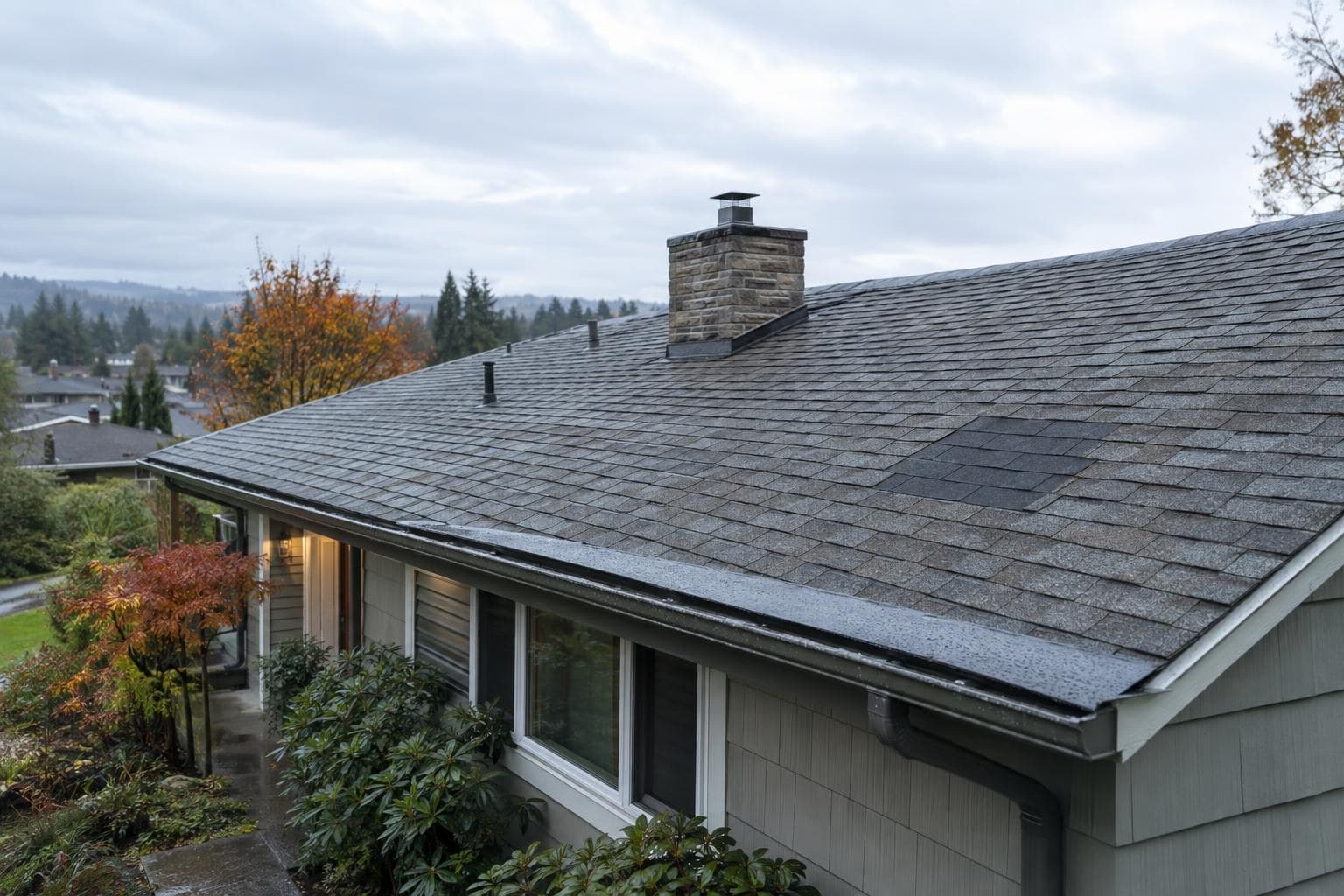
Repair is usually the right first move when the damage is limited to one area and the rest of the roof is still in solid shape. That can include a small leak around flashing, a handful of damaged shingles, a problem at a roof penetration, or a section affected by a fallen branch or debris. For current Washington repair planning related to roof repair vs replacement, use the maintained cost guide, then compare the contractor's measured scope and unit prices. The key is making sure the issue is truly contained. In Washington, constant moisture can shorten the life of shingles, underlayment, sealants, and penetrations even when the roof does not look dramatic from the ground. That means a small visible problem can sometimes be the tip of a larger moisture issue.
When is replacement the smarter choice in Washington?
Replacement is the smarter choice when the damage shows up in multiple areas, the roof has repeated leaks, or the system is old enough that one fix is likely to be followed by another. Washington weather pushes roofs hard. Moss and algae can hold moisture against the roof surface. In higher elevations and colder parts of the state, snow load and freeze-thaw cycling can add stress around edges, valleys, and flashing details. If your roof already has weak spots, the state's weather pattern tends to keep exposing them. In that situation, replacing the roof can save you from stacking repair bills on a system that is already near the end of its useful run.
What is a fixed damage threshold for roof repair vs. replacement?
The reason is simple. Once problems are spread across a large share of the roof, you are no longer fixing one failure point. You are trying to extend the life of a system with broad wear, moisture exposure, or multiple vulnerable details. That is especially risky in Washington, where damp conditions and wind-driven moisture keep pressure on any leftover weak areas.
Talk to a roofer today
Planning ranges, scope details, and a direct path to request a roofing quote.
How much does roof replacement cost in Washington in 2026?
For 2026 market pricing in Washington, Class 3 roofing is $7.50/sq ft, or $14,975 on a typical 2,000 sq ft roof. Class 4 is $8.75, or $17,373. Standing seam metal is $19.50, or $38,899. For roof repair vs replacement in Washington, treat a steep or difficult-to-access roof as a scope variable that the contractor should measure and price explicitly. For roof repair vs replacement in Washington, ask the contractor to put the expected working days and weather plan in writing; timing depends on roof size, material, access, crew scheduling, and conditions found after tear-off. Those numbers make the decision easier to frame: a smaller repair bill can be the right move for isolated damage, but once repairs start piling up across an aging roof, replacement often becomes the cleaner financial choice.
How does Washington weather change the repair vs. replacement decision?
It pushes the decision toward replacement sooner when the roof already has multiple weak spots. In a drier climate, you might stretch an older roof with a few targeted repairs. In Washington, frequent rain and damp conditions can keep feeding hidden moisture around shingles, underlayment, sealants, flashing, and penetrations. Wind-driven moisture can find openings that seem minor. Moss and algae can trap water on the surface. Snow and ice in colder parts of the state can stress edges and valleys. So if your roof has broad granule loss, recurring leaks, soft decking, failing flashing in several places, or visible aging across many slopes, patching one section may not solve the bigger problem for long.
Does roof age matter if the current leak looks small?
Yes, roof age matters because a small leak on an older roof is often a system warning, not just a one-spot problem. If the surrounding shingles are brittle, sealants are failing, penetrations are worn, or moisture has been sitting on the roof for long stretches, the leak you see may only be the first place water showed itself inside. That is why age has to be part of the decision along with damage spread. On a newer roof in otherwise good condition, a focused repair can be a smart buy. On an older roof with signs of wear in several areas, replacement is often the more dependable answer, especially in Washington's wet conditions.
Can insurance help pay for repair or replacement in Washington?
It can, if the damage is covered, and you have clear rights during the claim. The Washington Office of the Insurance Commissioner says that as a policyholder, you are entitled to a clear explanation of what is covered, a prompt response from the insurance company, timely payments and a claim decision, and an appraisal if you disagree with the amount of your loss. The Washington Office of the Insurance Commissioner says your insurer is obligated to respond to your claim. Within 15 business days, after receiving your fully completed forms, the company should accept, deny, or advise you if it needs more time to review the claim. Within 30 days, it should complete the claim investigation if possible. If the claim investigation is not completed within 30 days, the insurer must notify you within 45 days after you file a claim and explain why it needs additional time.
You also have control over who does the work. After covered damage is identified, you have the right to select your own contractor to complete the work on your home. Your insurance company may recommend contractors, but it is not required to provide you with a list of contractors. If you are talking with roofers during a claim, keep control of the paperwork. The Washington Office of the Insurance Commissioner warns that if a contractor asks you to sign an assignment of benefit, it could affect your rights. The form could allow the contractor to negotiate, make decisions, and settle the claim directly with the insurance company without your approval. The agency says to talk to your agent or company before you sign this form.
Should you upgrade materials if you replace the roof?
Often, yes, if you plan to stay in the home and want better durability. In Washington, a stronger shingle or metal option can make sense because of the moisture, debris, and weather swings many roofs see. If you are considering impact-resistant roofing materials, ask your insurance carrier whether it offers a discount for a Class 4 rated product. For roof repair vs replacement in Washington, any insurance credit depends on the carrier, policy, address, and exact product; get the amount and documentation requirements from the insurer in writing. Discount availability and underwriting treatment can vary by carrier, so the key step is to confirm the terms with your insurer before you buy. Your roofer can help you identify product options and documentation to discuss with the carrier.
How should you choose a roofer for a repair or replacement in Washington?
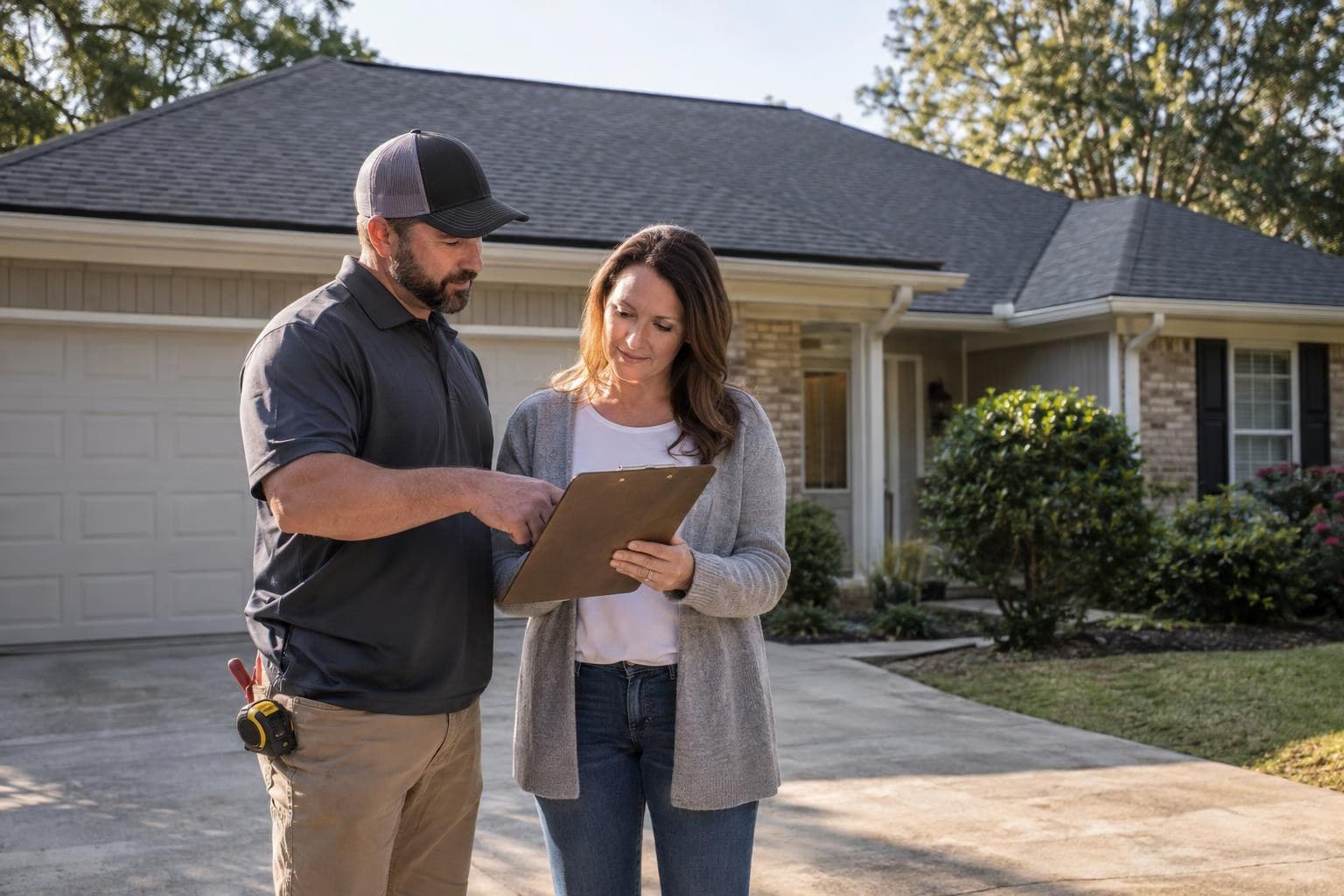
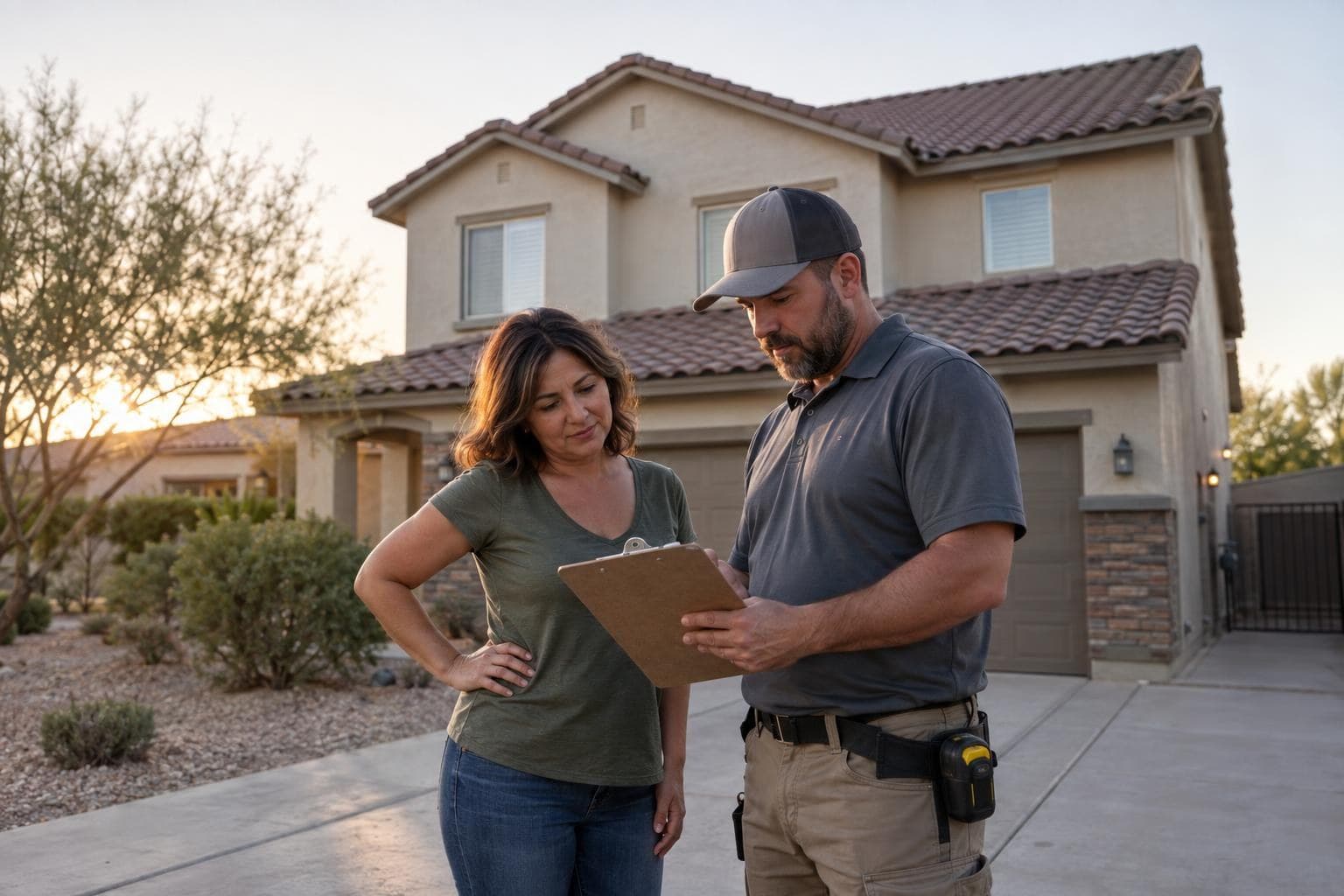
Start by confirming the business details before work begins. In Washington, construction contractors must be registered with L&I, and roofing is listed as a specialty that requires contractor registration. A practical first step is to ask your roofer for the business name and contractor registration number, then confirm that registration through the state verification tool referenced by L&I. You should also make sure the business name matches the registration record, because L&I says the contractor must use the exact business name on registration documents. For residential jobs of an amount that must be confirmed for the written scope or more, L&I says the contractor must provide the Model Disclosure Statement Notice to Customer. A roofing contractor you are considering should be able to walk you through the scope, show you where damage is isolated and where it is widespread, and explain whether a repair is likely to hold up in Washington weather.
- Choose repair when damage is isolated, the rest of the roof is in good shape, and the issue is not part of a larger moisture pattern.
- Use 2026 market pricing to frame the decision: Class 3 $7.50/sq ft ($14,975 on a typical 2,000 sq ft roof), Class 4 $8.75 ($17,373), standing seam $19.50 ($38,899).
- Account for Washington weather, because frequent rain, damp conditions, moss, debris, and in some areas snow and ice can make partial fixes less reliable on aging roofs.
- For more detailed local numbers by roof type and size, check the Washington cost page and the calculator.
Washington roofing costs
Sources reviewed
- Washington Department of Labor & Industries, Register as a Contractor
- Washington Office of the Insurance Commissioner, Filing a homeowner insurance claim
- Insurance Institute for Business & Home Safety: RICOWI Roof Guide
- Florida Department of Financial Services: Homeowners Insurance Overview
- Insurance Institute for Business & Home Safety: Roof 101
Cost ranges are estimates developed from standardized project scopes and reviewed pricing inputs. Government labor and regional cost data are used where applicable. See our Pricing Methodology for the exact sources, calculations, and review date. Actual prices vary by property, scope, materials or equipment, location, and provider.
Related services
Updated July 27, 2026
3D Roofs Editorial Team
Editorial Standards