Updated July 27, 2026

3D Roofs Editorial Team
Editorial Standards
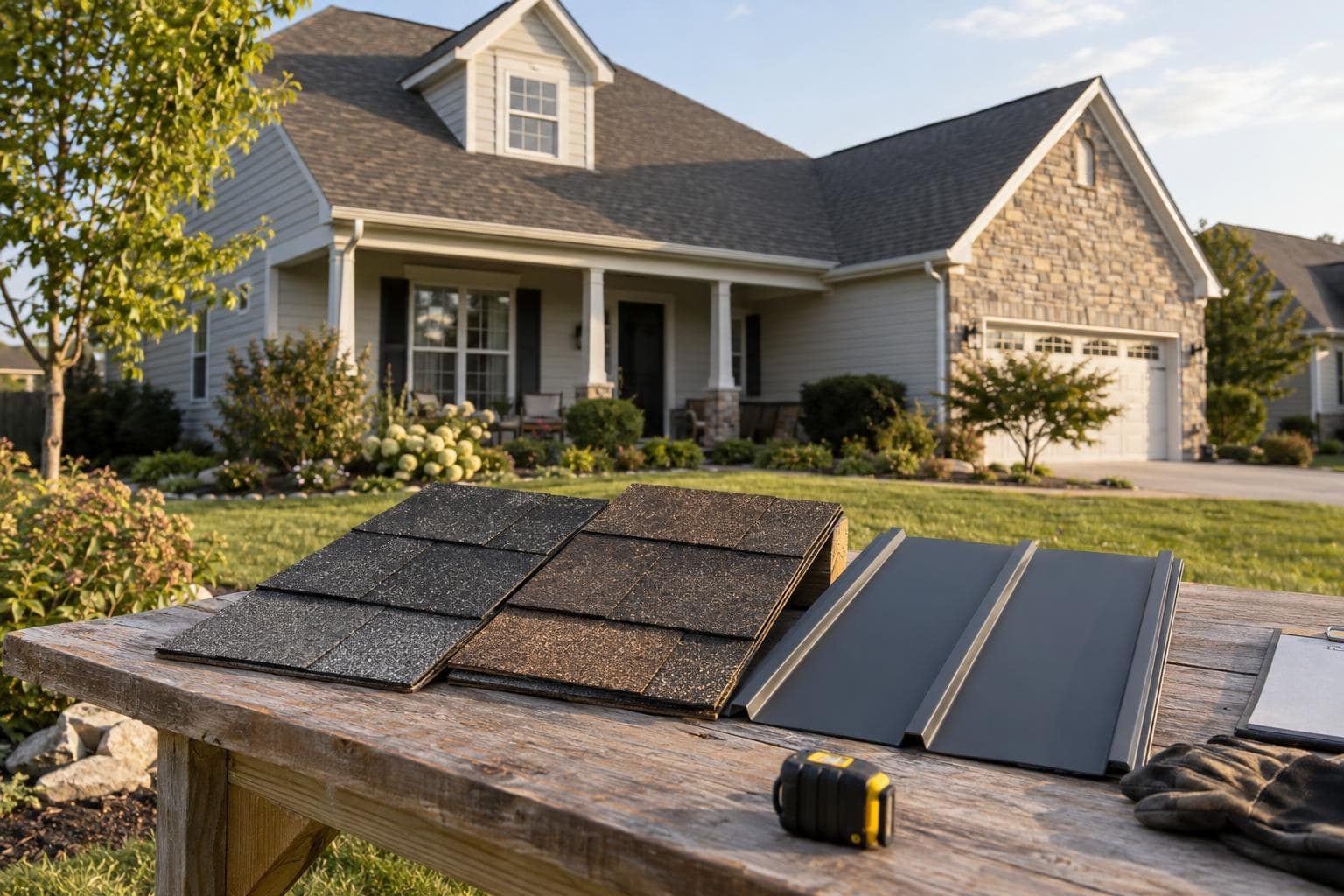
The best roof for Kentucky is usually the one that fits your storm risk and budget, not the one with the highest upfront price. Kentucky roofs have to deal with severe weather, including tornado events called out by the state, along with the normal cycle of wind, rain, hail, and temperature swings that wear shingles, flashing, and roof penetrations over time. For most homeowners, the real choice comes down to Class 3 shingles, Class 4 impact-resistant shingles, or standing seam metal. If you want the short answer, Class 4 is often the strongest all-around value for storm-prone areas, Class 3 works when you need to control cost, and metal makes sense when you want a premium roof and can support the higher price.
What roof holds up best in Kentucky weather?
Class 4 impact-resistant shingles are often the best fit for Kentucky weather because they better match the mix of hail, wind, and storm-related wear many homes see. Kentucky does not just get routine rain. The state context calls out severe weather, including tornado events, plus the ongoing stress of wind, rain, hail, and temperature swings. That combination can shorten the life of weaker roofing systems and lead to more repairs around shingles, flashing, and penetrations over time. If your main goal is stronger impact resistance without jumping to a premium metal budget, Class 4 is the practical middle ground.
Is Class 3 or Class 4 better for a Kentucky shingle roof?
Class 4 is better if you want more protection against hail and storm damage. Class 3 is better if your top priority is keeping upfront cost down. For current Kentucky planning prices related to best roof for, use the cost guide and calculator, then compare the contractor's property-specific written scope. That puts the upgrade from Class 3 to Class 4 at a meaningful but not massive jump for many homes. Because Kentucky weather includes hail and severe storms, that added durability can make sense if you plan to stay in the house, want to reduce the odds of damage, or want to ask your insurer about possible savings.
- Choose Class 3 if you need the lower 2026 market pricing and still want a solid asphalt shingle option.
- Choose Class 4 if you want impact resistance that better fits Kentucky's hail and severe weather exposure.
- Choose based on your budget, storm history, and how long you expect to keep the home.
Does a metal roof make sense in Kentucky?
Yes, a standing seam metal roof can make sense in Kentucky if you want a premium option and are comfortable with the price. That is far above Class 3 and Class 4 shingles, so metal is not the default best value for every home. But if you want a tougher roof system, a different look, and are already planning for a higher investment, it is a valid choice for Kentucky's severe weather pattern.
Talk to a roofer today
Planning ranges, scope details, and a direct path to request a roofing quote.
Which roof gives you the best value in Kentucky?
For most homes, Class 4 gives you the best value because it balances cost and storm readiness better than the other two options. Class 3 is the budget choice. Metal is the premium choice. Class 4 sits in the middle and lines up well with Kentucky's real weather risks. It also comes with a possible insurance angle. For best roof for in Kentucky, any insurance credit depends on the carrier, policy, address, and exact product; get the amount and documentation requirements from the insurer in writing. That does not mean every policy will save the same amount, and Kentucky does not set a statewide Class 4 discount. If you are considering a Class 4 impact-resistant shingle, ask your insurer whether it offers a homeowners insurance discount for that roofing material.
How much should you expect to pay for roof repair or replacement in Kentucky?
For full replacement, your price depends heavily on material. For best roof for in Kentucky, ask the contractor to put the expected working days and weather plan in writing; timing depends on roof size, material, access, crew scheduling, and conditions found after tear-off.
What should you do after a Kentucky storm before you sign for a new roof?
Slow down and protect your claim money first. After major storms, the bigger risk is often rushed hiring and temporary repairs that eat into your claim funds before permanent work is planned well. The state's tornado relief guidance tells consumers: "DO NOT PAY UPFRONT - do not pay out any funds until the work has been completed and meets your standards of satisfaction." The same guidance also says to insist on a written contract that includes a description of the work, total cost and completion date. That matters just as much as your material choice, because a good roof decision can still go bad if the job is rushed or the paperwork is loose.
- Get written estimates from at least three contractors.
- Ask for past customer references.
- Make sure the roofer comes to your home to assess the job.
- Insist on a written, detailed contract covering the work, materials, payment terms, start date, and approximate completion date.
- Be wary of large deposits, door-to-door pitches, pressure to sign on the spot, requests to sign over insurance checks, or documents that give the contractor rights to your insurance claim.
- Ask for proof of coverage when money and jobsite risk are involved, because Kentucky consumer guidance tells homeowners to ask for proof of general liability and workers' compensation insurance.
What legal and insurance points matter most for Kentucky homeowners?
The biggest points are your complaint rights, cancellation rights in some door-to-door situations, and lien risk. Kentucky's Division of Consumer Protection handles consumer complaints against homeowners insurance and also takes complaints regarding the actions of an agent or agency. If you run into claim handling problems, you have a state complaint path. That is why written terms, careful payments, and lien waivers matter.
So, what is the best roof for Kentucky for your home?
If you want the clearest recommendation, start with Class 4. It is often the best roof for Kentucky when you want a strong balance of price and storm protection. Go with Class 3 if you need to keep the project closer to $12,458 on a typical 2,000 sq ft roof and want a lower-cost asphalt option. No matter which material you choose, use a roofing contractor you are considering, get the details in writing, and do not rush after a storm. If you want to compare your home more closely, check the full local pricing on the Kentucky cost page and the calculator.
Kentucky roofing costs
Sources reviewed
- Kentucky Attorney General, Contractor Registration Program
- Kentucky Attorney General, Home Repair and Improvement
- Asphalt Roofing Manufacturers Association: Residential Asphalt Roofing Manual: Ventilation Best Practices
- Metal Construction Association: Standing Seam Best Practices: Clips
- UL Solutions: UL Solutions and IBHS Drive Trust in Residential Roofing Shingles
Cost ranges are estimates developed from standardized project scopes and reviewed pricing inputs. Government labor and regional cost data are used where applicable. See our Pricing Methodology for the exact sources, calculations, and review date. Actual prices vary by property, scope, materials or equipment, location, and provider.
Related services
Updated July 27, 2026
3D Roofs Editorial Team
Editorial Standards