Updated July 27, 2026

3D Roofs Editorial Team
Editorial Standards
The best roof for Michigan is usually the one that matches your actual weather risk, not just the lowest upfront number. For many homeowners, that means comparing Class 3 asphalt shingles, Class 4 impact-resistant shingles, and standing seam metal against the state's real problems: heavy snow, freeze-thaw cycling, ice dams, summer wind, and hail. If you want the short version, Class 3 is the budget-minded choice, Class 4 is the best fit for many homes that see hail and wind, and standing seam metal is the premium option when you want a tougher system and are prepared for the price.
What roof material works best in Michigan weather?
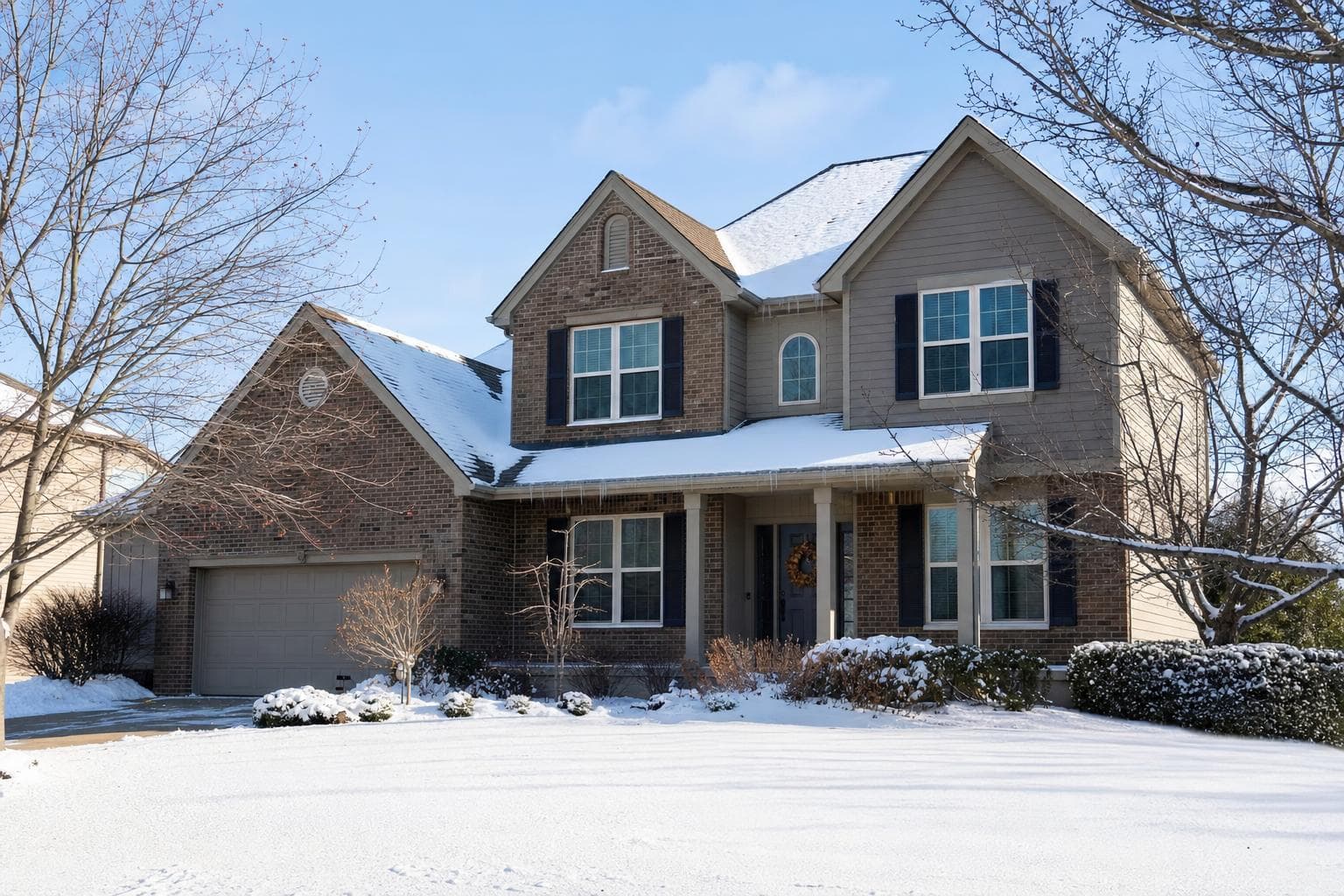
Class 4 shingles are often the best all-around fit for Michigan weather, because they address one of the state's big warm-season threats, hail, without moving into metal-level pricing. Michigan roofs fail where winter hits hardest. Heavy snow, and lake-effect bands off Lakes Michigan, Superior, and Huron, pile snow load onto the structure, while the constant freeze-thaw cycling expands and contracts everything and pries at flashing and fasteners. The biggest cold-weather threat is ice dams: heat escaping into the attic melts snow that refreezes at the cold eaves, and the backed-up water forces its way under the shingles. Summer is not a break either. Thunderstorms across the Lower Peninsula bring straight-line winds and hail, especially in the southern and southeastern counties, that bruise shingles and strip granules. That is why your material choice matters, but your underlayment, flashing, ventilation, and attic conditions matter just as much.
Is Class 3 shingles enough for a Michigan roof?
Yes, Class 3 shingles can be enough for a Michigan roof if your main goal is controlling upfront cost and you are pairing the roof with solid water protection details. For current Michigan planning prices related to best roof for, use the cost guide and calculator, then compare the contractor's property-specific written scope. That makes it the lowest-price option in this comparison. Class 3 can make sense when your current roof is simply worn out, storm exposure is more moderate, and you want a practical replacement. The tradeoff is that Michigan's hail and straight-line winds can be rough on standard shingles over time, especially in the southern and southeastern counties. If you go this route, do not treat the shingle alone as the whole system. In Michigan, water protection and attic conditions matter as much as the shingle classification.
Should you upgrade to Class 4 shingles in Michigan?
Yes, Class 4 is often the smartest upgrade for Michigan homeowners who want a better balance of durability and price. That is a meaningful jump from Class 3, but still far below standing seam metal. The reason many homeowners land here is simple: Michigan gets hail, wind, freeze-thaw stress, and ice-dam risk, and Class 4 gives you a stronger case for impact resistance where hail exposure is a concern. For best roof for in Michigan, any insurance credit depends on the carrier, policy, address, and exact product; get the amount and documentation requirements from the insurer in writing. Still, any credit is carrier- and policy-specific, so obtain eligibility and documentation requirements in writing before using it in the budget. Ask your roofer to verify the exact product being installed and ask your insurer how that specific product is treated on your policy.
Talk to a roofer today
Planning ranges, scope details, and a direct path to request a roofing quote.
Is a standing seam metal roof worth it in Michigan?
Yes, standing seam metal can be worth it in Michigan if you want a premium roof and you plan to stay in the home long enough to justify the higher investment. Metal appeals to homeowners dealing with harsh winters, repeated storm exposure, or a long-term ownership plan. But it is not automatically the best choice for every house. The price difference is large, and metal still depends on proper details at flashing, penetrations, valleys, and eaves. It also does not cancel out the attic issues that drive ice dams. If warm air is escaping into the attic, snow can still melt and refreeze at the eaves. In other words, metal can be a strong Michigan option, but it is still part of a full roof system, not a shortcut around poor ventilation or weak water protection.
What matters more in Michigan, roof material or installation details?
In Michigan, installation details often matter as much as the material, and sometimes more. The state's biggest cold-weather problem is not just surface wear, it is water getting where it should not. Ice dams form when heat escaping into the attic melts snow that refreezes at the cold eaves, and the backed-up water forces its way under the shingles. Freeze-thaw cycling also pries at flashing and fasteners. That is why you should ask how the proposal handles eaves, valleys, penetrations, air sealing, insulation, and balanced ventilation. A strong Michigan roofing scope should clearly spell out tear-off, decking, underlayment, ice-and-water shield at the eaves and valleys, flashing, ventilation, and cleanup. If two quotes look similar on material but one is vague on those details, that is not the same roof.
How much should you expect to pay for a Michigan roof?
For best roof for in Michigan, treat a steep or difficult-to-access roof as a scope variable that the contractor should measure and price explicitly. If you want a deeper local breakdown, full local pricing lives on the Michigan cost page and the calculator. Those tools are the best place to compare these material choices against your roof size and layout.
What should you know about Michigan insurance before replacing your roof?
You should know your deductible, your roof settlement type, and the rules around contractor promises before you file a claim or sign a contract. For best roof for in Michigan, review the declarations and endorsements for any wind, hail, hurricane, or named-storm deductible. Ask the insurer to show the policy-specific calculation in writing instead of relying on a generic percentage. Coverage also depends on whether your roof is insured at replacement cost or actual cash value: on an older roof, an ACV policy pays only the depreciated value, and some policies exclude purely cosmetic hail dents. Read your declarations page so the payout does not surprise you. For best roof for in Michigan, do not assume a contractor can remove or hide the deductible required by the policy. Verify current state law and the written proposal with the insurer or state insurance regulator before signing.
How do you choose a roofer for a Michigan roof replacement?
Start by verifying the state license, then review the written scope in detail. Michigan licenses residential roofing at the state level. Under Article 24 of Public Act 299 of 1980, a contractor doing roofing on homes must hold either a Residential Builder license or a Maintenance and Alteration (M&A) Contractor license carrying the roofing classification (trade code "M"), issued by the Bureau of Construction Codes under the Department of Licensing and Regulatory Affairs (LARA). Ask for that license and confirm it is active through LARA's license lookup. Then vet what you can verify: current general-liability and workers'-compensation insurance, a real local track record and references, manufacturer certifications, and a written scope that spells out tear-off, decking, underlayment, ice-and-water shield at the eaves and valleys, flashing, ventilation, and cleanup. If a contractor solicited the job at your home, the Home Solicitation Sales Act gives you three days to cancel in writing. If a storm claim is wrongly denied or delayed, you can file a complaint with the Department of Insurance and Financial Services at michigan.gov/difs or 877-999-6442.
So, what is the best roof for Michigan for your home?
- Choose Class 3 if your top priority is the lowest upfront 2026 market pricing and you still want a solid replacement with the right water-management details.
- Choose Class 4 if you want the best balance for many Michigan homes, especially where hail and straight-line wind are real concerns.
- Choose standing seam metal if you want a premium system, expect severe weather exposure, and are comfortable with the much higher upfront cost.
- No matter which material you choose, focus hard on eaves, valleys, flashing, attic air sealing, insulation, and balanced ventilation, because Michigan's freeze-thaw cycles and ice dams punish weak details.
- Before you sign, verify the state roofing license, review your deductible, and make sure the scope clearly explains the full roof system, not just the shingle or panel name.
Sources reviewed
- Michigan Attorney General - Building and Remodeling: Advice for Homeowners
- Michigan DIFS - Tornado / Severe Storms consumer guidance
- Asphalt Roofing Manufacturers Association: Residential Asphalt Roofing Manual: Ventilation Best Practices
- Metal Construction Association: Standing Seam Best Practices: Clips
- UL Solutions: UL Solutions and IBHS Drive Trust in Residential Roofing Shingles
Plan with current pricing
Related services
Updated July 27, 2026
3D Roofs Editorial Team
Editorial Standards