Updated July 27, 2026

3D Roofs Editorial Team
Editorial Standards
The best roof for Mississippi is usually Class 4 shingles if you want the strongest balance of storm protection and price, Class 3 if you want a lower upfront cost, and standing seam metal if you want a premium upgrade. Mississippi roofs face hurricane-season wind and rain, high humidity, and intense sun for much of the year. Wind and hail can lift shingles and damage flashing quickly during a storm, and standard homeowners policies usually cover that kind of windstorm damage directly caused by wind or hail, subject to your policy's terms. Humidity and heat can also wear down roofing materials over time, so regular inspection matters as much as storm response.
What roof material works best in Mississippi weather?
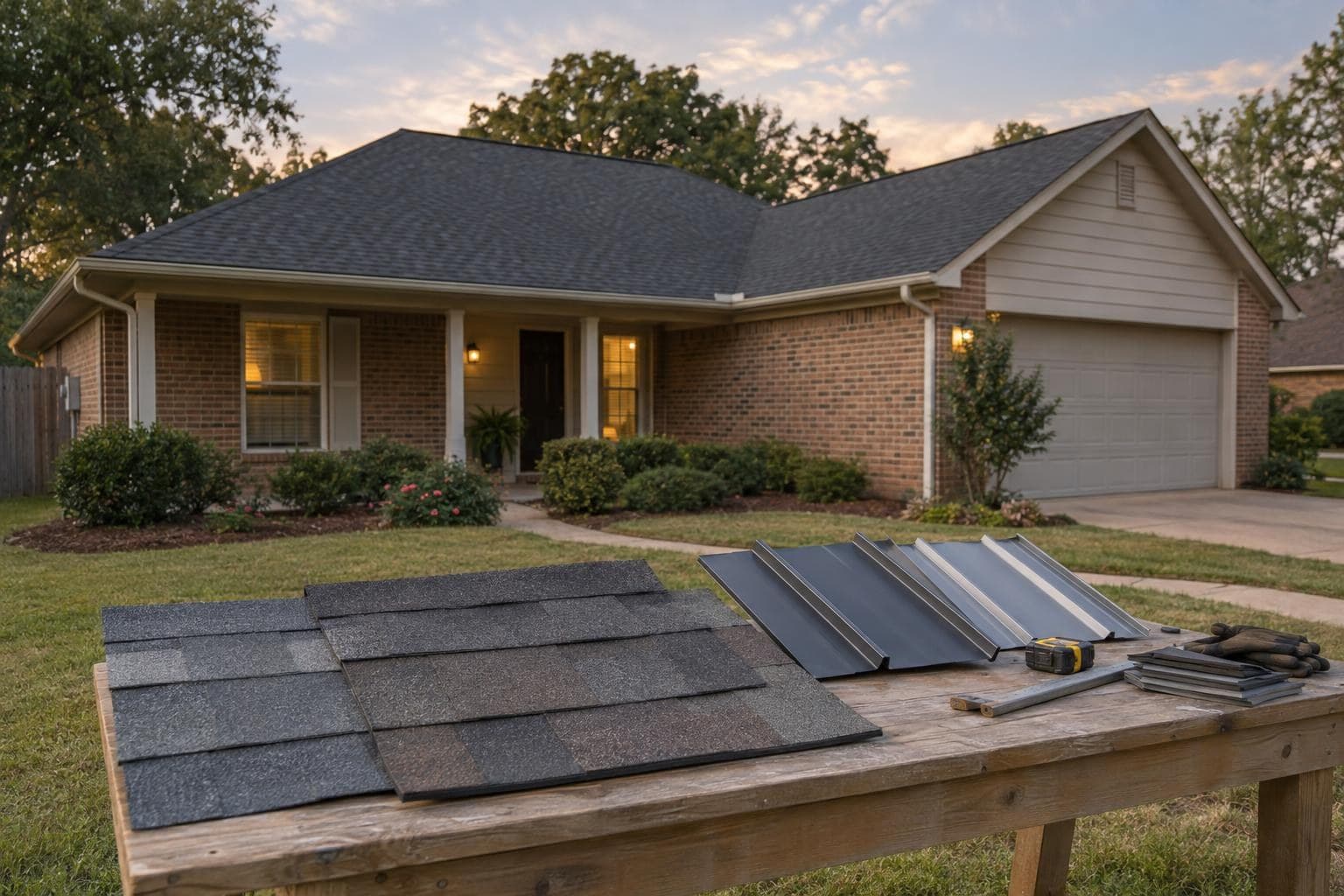
Class 4 shingles work best for most Mississippi homes because they fit the state's actual weather without pushing cost as high as metal. In this climate, you need a roof that can handle storm-driven wind and rain, resist hail better than basic shingles, and stand up to years of heat and humidity. Class 3 shingles are a solid value option if budget is your top concern. Standing seam metal is the premium choice if you want a tougher system and are ready for a much higher initial cost.
- Choose Class 3 if you want the lowest entry price among storm-ready upgrades
- Choose Class 4 if you want better impact resistance and a common insurance conversation to explore
- Choose standing seam metal if you want a premium material and are comfortable paying more upfront
- No matter what you choose, regular inspections matter in Mississippi because humidity, heat, and storm exposure wear roofs down over time
Is Class 3 or Class 4 better for Mississippi homeowners?
Class 4 is better for most homeowners in Mississippi because the added cost is modest compared with the upgrade in impact resistance. For current Mississippi planning prices related to best roof for, use the cost guide and calculator, then compare the contractor's property-specific written scope. In a state where storms can damage shingles and flashing quickly, many homeowners decide that it is.
Class 3 still makes sense if you need to control project cost and replace the roof now. It gives you a stronger option than a basic roof conversation usually starts with, while keeping spending closer to the lower end of the range in this comparison. If you plan to stay in the home and want more storm-focused protection, Class 4 is often the smarter buy.
Does metal roofing make sense in Mississippi?
Yes, metal roofing makes sense in Mississippi if you want a premium roof and can justify the higher upfront investment. That is a big jump from both Class 3 and Class 4, so metal is usually not the default best value pick for every homeowner. It is the right fit when you care more about the material type and premium build than about minimizing upfront cost.
For many homes, the real decision is not Class 4 versus metal.
Talk to a roofer today
Planning ranges, scope details, and a direct path to request a roofing quote.
How much should you expect to pay for a Mississippi roof?
- For best roof for in Mississippi, ask the contractor to put the expected working days and weather plan in writing; timing depends on roof size, material, access, crew scheduling, and conditions found after tear-off.
- For best roof for in Mississippi, treat a steep or difficult-to-access roof as a scope variable that the contractor should measure and price explicitly.
Can Class 4 lower your insurance cost in Mississippi?
Yes, Class 4 can sometimes lower your insurance cost, but you need to confirm the details with your carrier before you replace the roof. For best roof for in Mississippi, any insurance credit depends on the carrier, policy, address, and exact product; get the amount and documentation requirements from the insurer in writing. If you are considering impact-resistant Class 4 shingles, ask your carrier whether it offers a premium discount or credit for that upgrade. Discounts are set by the insurance company, so confirm the details and any documentation your carrier wants before you replace the roof.
This does not mean every policy saves the same amount, and it does not automatically make Class 4 the cheapest option in every case. It does mean Class 4 deserves a serious look if you want to balance upgrade cost with possible insurance savings over time.
What insurance and storm facts should Mississippi homeowners know before replacing a roof?
You should verify your wind and hail coverage now, not after a storm. Standard homeowners' policies usually cover windstorm damage directly caused by wind or hail, but you should still check your policy to make sure it does not include a windstorm exclusion. If wind and hail coverage is excluded, the state points homeowners to the Mississippi Windstorm Underwriting Association, known as the windpool, as a coastal-area option.
You should also separate flood risk from roof damage risk. The Mississippi Insurance Department says flood insurance is written by the National Flood Insurance Program and warns homeowners: "Do not procrastinate; there is a 30-day waiting period before the policy goes into effect." If your roof and home need flood coverage, you need to arrange it well before a storm is in the Gulf.
If you ever file a claim, Mississippi tells homeowners to make sure any adjuster assigned to a claim is properly licensed and to ask to see identification. If you need help with a claim problem, the guidance says to contact the Mississippi Insurance Department, and after a major hurricane the department will set up a local claims processing assistance center to help residents.
How do you choose the right roofer for a Mississippi roof replacement?
Start by checking whether your job crosses the state's licensing threshold. The Mississippi State Board of Contractors says residential roofing work over an amount that must be confirmed for the written scope requires a license issued by MSBOC, and residential new construction over an amount that must be confirmed for the written scope or remodeling and additions over an amount that must be confirmed for the written scope also require a license. Licenses are valid for one year and must be renewed annually. For you, that means a straightforward first step: ask your roofer for their MSBOC license number and check it before you sign a contract for a job near or above that an amount that must be confirmed for the written scope threshold.
That matters even more after storm damage, when fast sales pressure can lead to bad decisions. The state's own storm guidance tells homeowners to hire only licensed and reputable contractors for repair work and to call the board to verify a license before hiring. If you are comparing roof types and timing a replacement, use the Mississippi cost page and the calculator to map your likely budget before you meet with a roofing contractor you are considering.
So what is the best roof for Mississippi?
For most homes, the best roof for Mississippi is Class 4. It matches the state's wind, hail, humidity, and sun better than a lower-cost option, while staying far below standing seam metal on upfront price. Choose Class 3 if you need a more budget-focused replacement now. Choose standing seam metal if you want a premium roof and the higher cost fits your plans. The right move is the one that fits your storm exposure, insurance questions, and budget, then gets installed before the next round of Gulf weather tests your roof.
Mississippi roofing costs
Sources reviewed
- Mississippi Insurance Department, Consumer Hurricane Checklist
- Mississippi State Board of Contractors, Frequently Asked Questions
- Asphalt Roofing Manufacturers Association: Residential Asphalt Roofing Manual: Ventilation Best Practices
- Metal Construction Association: Standing Seam Best Practices: Clips
- UL Solutions: UL Solutions and IBHS Drive Trust in Residential Roofing Shingles
Related services
Updated July 27, 2026
3D Roofs Editorial Team
Editorial Standards